





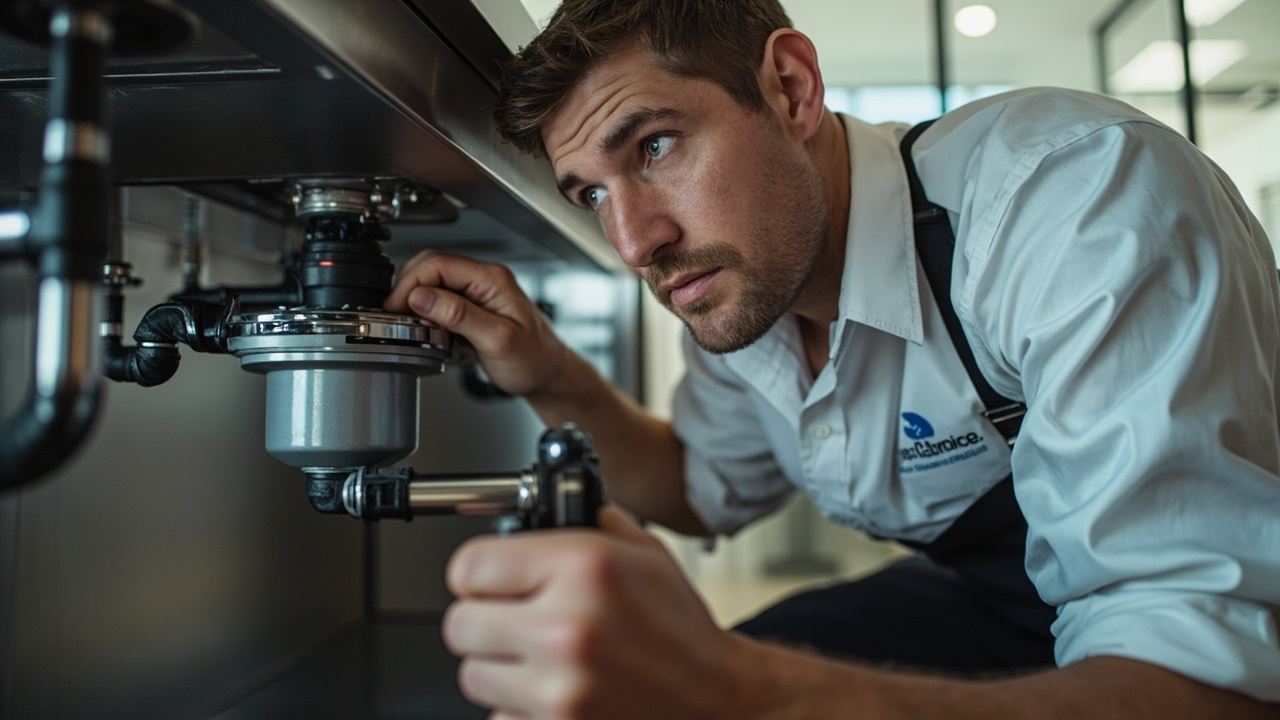

Columbus water supply, sourced primarily from the Scioto River and Griggs and O'Shaughnessy Reservoirs, contains elevated calcium and magnesium levels. This hard water leaves mineral deposits inside the garbage disposal grinding chamber, on the impeller blades, and along the interior walls of the drain lines. Over time, these deposits restrict the impeller's range of motion and create rough surfaces that trap food particles. The combination accelerates corrosion of non-stainless components and creates conditions where bacteria thrive. Food waste disposer services in Columbus must account for this mineral buildup by using stainless steel grinding rings and recommending periodic descaling treatments to extend unit life.
Columbus homeowners benefit from working with plumbers who understand local water chemistry and building practices. Many older homes in Grandview Heights and Upper Arlington have original plumbing that predates modern PVC systems. These galvanized and cast iron drain lines corrode faster when exposed to the acidic byproducts of decomposing food waste. A plumber familiar with Columbus housing stock knows when a disposal replacement requires upgrading the drain connection to prevent future leaks and blockages. Local expertise also means understanding city electrical codes for disposal wiring and knowing which permits are required for specific installation types tied to kitchen renovations.