



menu

Medical & Dental Gas Plumbing in Columbus | Code-Compliant Systems That Keep Your Facility Operational

First Choice Plumbing Columbus installs, repairs, and certifies medical gas piping systems that meet NFPA 99 and Ohio state requirements, ensuring your healthcare facility maintains continuous patient care without interruption.

Slider Image 1
Slider Image 2
Slider Image 3
Slider Image 4
Slider Image 5
Slider Image 7
Slider Image 8
Slider Image 9
Slider Image 10
Slider Image 11

Why Columbus Healthcare Facilities Need Specialized Med Gas Infrastructure

Your medical or dental practice in Columbus operates under strict regulatory oversight. The Ohio Department of Health requires medical gas pipeline services to comply with NFPA 99 standards, and any failure in your oxygen, nitrous oxide, or vacuum systems creates immediate liability exposure and patient safety risks.

Columbus's growing healthcare corridor along Olentangy River Road and the expansion of facilities near Riverside Methodist Hospital have increased demand for certified med gas plumbers who understand the complexity of pressure-regulated delivery systems. A single leak in your medical oxygen line can contaminate the entire system. A vacuum failure during a procedure puts patients at risk and halts operations.

Unlike standard plumbing, med gas installation services require specialized brazing techniques, pressure testing protocols, and documentation that satisfies both state inspectors and Joint Commission auditors. Your general plumber cannot legally touch these systems. The piping materials, joining methods, and testing procedures differ completely from domestic water lines.

Columbus facilities face additional challenges from the region's soil conditions. Clay-heavy ground shifts can stress underground medical gas pipeline services running between buildings, creating stress points that develop into leaks over time. Dental gas piping systems serving multiple operatories require precise pressure balancing that accounts for simultaneous usage patterns.

When your facility's medical gas piping systems fail inspection or show pressure drops, you face immediate operational shutdown until a qualified contractor certifies the repair. That downtime translates directly into lost revenue and rescheduled procedures.

Why Columbus Healthcare Facilities Need Specialized Med Gas Infrastructure
How Proper Medical Gas Installation Protects Your Operations

How Proper Medical Gas Installation Protects Your Operations

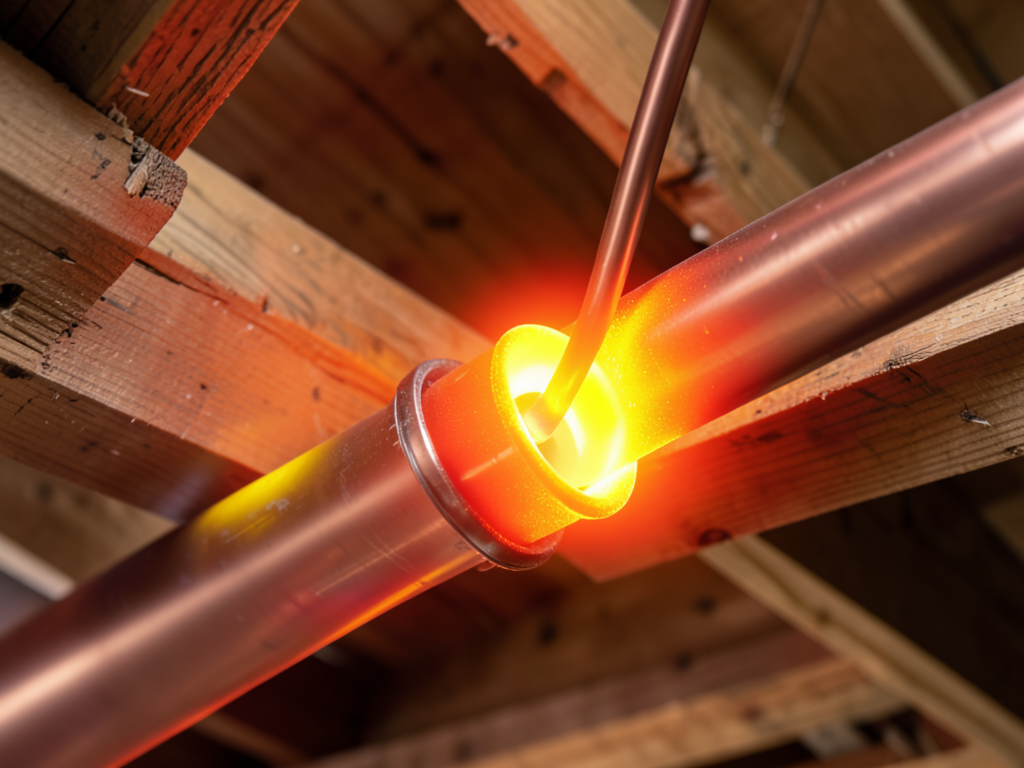
First Choice Plumbing Columbus follows the brazing and pressure testing protocols mandated by NFPA 99 Chapter 5. We use only Type K or Type L medical-grade copper, never standard plumbing tube. Every joint gets brazed with BCuP-3 or BCuP-4 filler metal under nitrogen purge to prevent internal oxidation that creates contamination points.

Our installation process begins with complete system design review. We calculate pressure drops across your planned distribution network, accounting for simultaneous flow demands from operating rooms, recovery areas, or dental chairs. Medical gas pipeline services require standing pressure verification at every outlet under full load conditions.

We install zone valve boxes at strategic locations that allow isolation of specific wings or floors without shutting down your entire facility. This compartmentalization means a repair in one area does not halt procedures in another. Alarm systems connect to your central monitoring, providing immediate notification of pressure deviations before they become critical.

Dental gas piping demands different considerations than hospital systems. Nitrous oxide lines require specific venting protocols and scavenging systems that prevent staff exposure. We size vacuum systems based on your number of high-volume suction units and wet vacuum demands, not generic calculations.

After installation, we perform cross-connection testing to verify your oxygen lines contain only oxygen and your medical air lines show no trace contamination. We pressure test at 150 percent of working pressure for 24 hours minimum, document the results, and provide the certification package your inspectors require. Every outlet gets tagged with the gas type and pressure rating.

What Happens During Your Medical Gas System Project

Medical & Dental Gas Plumbing in Columbus | Code-Compliant Systems That Keep Your Facility Operational
01

Site Assessment and Engineering

We walk your facility with architectural drawings and identify gas source locations, main distribution routes, and outlet placements. Our team maps existing utilities to avoid conflicts and determines shut-off point requirements for phased installation. You receive a detailed scope document showing exactly which areas will be affected and when, allowing you to schedule around patient care needs and maintain operational continuity.
02

Installation and Pressure Testing

Certified installers braze every connection under nitrogen purge and mount piping per seismic bracing codes. We install medical gas outlets at specified heights and locations, label all lines with directional flow arrows, and pressure test each zone independently before connecting to the source. Vacuum pump systems get sized and installed with oil separators and alarm contacts. All work happens during your specified low-activity periods to minimize operational disruption.
03

Verification and Documentation

We perform cross-connection testing using gas-specific analyzers at every outlet, verify alarm panel functionality, and conduct a 24-hour standing pressure test. You receive complete as-built drawings, pressure test logs, brazing operator certifications, and material certificates for state inspection. Our team coordinates directly with your Ohio Department of Health inspector to schedule final verification and secure your occupancy approval without delays or re-inspection costs.

Why Columbus Facilities Trust First Choice for Med Gas Compliance

First Choice Plumbing Columbus maintains active certifications in ASSE 6010 medical gas installation and employs brazers qualified under AWS B2.2 standards. We know Columbus's inspection patterns. Franklin County inspectors focus heavily on cross-connection prevention and alarm system functionality. Ohio Department of Health reviewers require specific documentation formats that differ from surrounding states.

Our team has installed medical gas piping systems in facilities throughout the greater Columbus metro, from single-chair dental offices in Dublin to multi-floor surgical centers near Grant Medical Center. We understand the unique challenges of retrofitting med gas installation services into historic buildings downtown versus new construction in the northern suburbs.

When you choose a med gas contractor, you need more than a plumber with a torch. You need someone who understands the difference between medical air and instrument air, who knows that medical vacuum operates at different pressures than laboratory vacuum, and who can explain to your inspectors exactly why your system meets NFPA 99 Chapter 5.3.3.4 requirements for pressure relief.

We work directly with your equipment vendors to coordinate source installation timing. Your manifold systems, vacuum pumps, and alarm panels arrive tested and ready for connection. We handle the startup, balancing, and verification testing that gets your system operational on schedule.

Columbus facilities choose us because we eliminate the back-and-forth with inspectors. Our installations pass first-time review. Your certification documents satisfy both state requirements and Joint Commission standards. When auditors ask questions three years later, you have the paper trail that proves compliance.

What Your Medical Gas Project Includes

Project Timeline and Coordination

Medical gas pipeline services installation schedules depend on your facility size and complexity. A single dental operatory conversion typically takes two to three days from rough-in to final testing. Multi-zone hospital installations require phased approaches that maintain patient care operations. We provide detailed scheduling that identifies exactly when specific areas will be offline and coordinate material deliveries to avoid storage issues. Our project managers communicate daily with your facilities team to adjust for emergencies or schedule changes without derailing your overall timeline.

Engineering Review and Code Compliance

Before installation begins, our team reviews your architectural plans against NFPA 99 requirements and Ohio building codes. We identify potential issues with pipe routing, outlet locations, or zone valve placement that could trigger inspection failures. You receive marked-up drawings showing required corrections before rough-in starts. This upfront engineering review eliminates costly change orders and prevents the common mistakes that extend timelines. We coordinate directly with your mechanical and electrical contractors to ensure proper clearances and avoid utility conflicts.

Installation Quality and Testing

Every connection in your medical gas piping systems gets brazed by ASSE 6010 certified installers using documented procedures. We maintain nitrogen purge during all brazing operations to prevent internal scale formation. Pressure testing follows NFPA 99 protocols with 24-hour minimum hold times at 1.5 times working pressure. Cross-connection testing verifies gas purity at every outlet using calibrated analyzers. You receive test logs, material certificates, and brazer qualification records that satisfy inspector requirements and provide permanent documentation for your facility records.

Ongoing Support and Emergency Service

Medical gas systems require periodic inspection and maintenance to maintain compliance. We provide annual pressure testing and alarm verification that satisfies Joint Commission standards. When you experience a pressure drop or alarm condition, our certified med gas plumbers respond immediately to diagnose the issue and implement repairs that maintain your operational status. Emergency leak repairs get prioritized to minimize downtime. We maintain detailed service records for every facility, making future inspections and expansions simpler by providing complete system history and as-built documentation.

Frequently Asked Questions

You Have Questions,
We Have Answers

What is a medical gas plumber? +

A medical gas plumber specializes in installing, maintaining, and repairing medical gas systems in healthcare facilities. These professionals work with oxygen, nitrous oxide, nitrogen, and medical air systems that power life support equipment, anesthesia machines, and ventilators. They must understand NFPA 99 standards and work within strict safety protocols. In Columbus, medical gas plumbers serve hospitals, dental clinics, surgical centers, and veterinary facilities. This specialization requires advanced training beyond standard plumbing work. The systems demand zero contamination, precise pressure regulation, and fail-safe operation. Medical gas plumbers coordinate with facility managers to ensure compliance with Ohio health codes and Joint Commission standards.

What does medical gas piping mean? +

Medical gas piping refers to specialized distribution systems that deliver medical-grade gases throughout healthcare facilities. These systems transport oxygen, nitrous oxide, medical air, nitrogen, and vacuum through dedicated copper or stainless steel piping networks. The piping must meet NFPA 99 standards and maintain strict purity levels. In Columbus healthcare facilities, these systems connect to zone valves, alarm panels, and wall outlets where staff access gases for patient care. Medical gas piping differs from standard plumbing through material specifications, installation techniques, and testing requirements. Every connection point requires verification testing and documentation. The systems include redundant supplies and pressure monitoring to prevent service interruptions.

Is gas line repair considered plumbing? +

Gas line repair falls within the plumbing trade but requires specific licensing and training. Plumbers who work on gas lines must hold additional certifications beyond standard plumbing licenses. In Columbus, gas line work involves natural gas distribution systems, medical gas networks, and compressed air installations. The work requires understanding pressure calculations, leak detection protocols, and explosion prevention measures. Ohio requires gas fitters to complete specialized training and pass competency examinations. Medical gas line repair demands even stricter qualifications due to life safety concerns. Not all plumbing contractors handle gas work. Facilities should verify that contractors hold appropriate gas fitting credentials and medical gas certifications before authorizing repairs.

What is a med gas certification? +

A medical gas certification verifies that a professional has completed specialized training in medical gas system installation and maintenance. The primary certification is through ASSE (American Society of Sanitary Engineering) as a Medical Gas Installer or Verifier. This credential requires documented training, field experience, and passing a comprehensive examination. In Columbus healthcare facilities, only certified installers can work on medical gas systems. The certification covers NFPA 99 standards, brazing techniques, pressure testing protocols, and documentation requirements. Verifiers hold additional credentials to inspect and certify completed installations. These certifications require renewal and continuing education. Ohio healthcare facilities must verify contractor certifications before authorizing medical gas work to maintain compliance.

What is the highest paid type of plumber? +

Medical gas plumbers typically command the highest wages within the plumbing trades. The specialization requires advanced certifications, life safety responsibilities, and work in critical healthcare environments. In Columbus, medical gas professionals earn premium rates due to limited qualified contractors and high liability exposure. Industrial plumbers working in manufacturing plants and pipefitters in pharmaceutical facilities also receive top compensation. The work demands precise installation techniques, extensive documentation, and 24/7 availability for emergency repairs. These specialists must maintain multiple certifications and continue education in evolving standards. The investment in training and the critical nature of the work justify higher billing rates compared to residential or commercial plumbing.

What qualifications do you need to work with gas? +

Working with gas requires a combination of plumbing licenses, gas fitter certifications, and specialized training. In Ohio, professionals need a plumbing license as the foundation, then additional gas fitting credentials. Medical gas work demands ASSE certification as a Medical Gas Installer, which requires documented training hours and examination passage. Columbus contractors must comply with state licensing boards and local building departments. Training covers combustion principles, pressure regulation, leak detection, and safety protocols. Medical gas professionals also need knowledge of NFPA 99 standards, healthcare facility operations, and quality verification procedures. Continuing education maintains certifications. Employers verify credentials before authorizing gas work due to liability and code compliance requirements.

How Columbus's Healthcare Growth Drives Demand for Specialized Gas Systems

Columbus ranks as one of the fastest-growing healthcare markets in Ohio, with new surgical centers, specialty clinics, and dental practices opening throughout Franklin County. This expansion creates constant demand for certified med gas plumbers who can install compliant systems under tight deadlines. The concentration of medical facilities near Ohio State University Wexner Medical Center and Nationwide Children's Hospital means contractors must coordinate installations around active patient care environments. Dental gas piping projects in the Short North and Arena District often involve historic building renovations where routing medical gas pipeline services requires creative solutions that preserve architectural features while meeting modern safety codes.

Ohio Department of Health inspectors in Columbus apply strict interpretation of NFPA 99 standards, particularly regarding documentation and testing protocols. Facilities that use unqualified contractors face costly re-work and delayed occupancy approvals. First Choice Plumbing Columbus maintains relationships with local inspectors and understands their specific focus areas during plan review and final inspection. Our installations include the documentation packages, test reports, and material certifications that satisfy Franklin County requirements without multiple review cycles. When you need med gas installation services that pass inspection the first time, local expertise matters.
Plumbing Services in The Columbus Area

We are proud to serve the entire Columbus area and its surrounding communities. Our team is strategically located to respond quickly to your plumbing needs, whether you're in the city center or a nearby suburb. We invite you to view our service area on the map to see if you are within our coverage. No matter where you are, we’re ready to bring our expertise directly to your doorstep.

Address:
First Choice Plumbing Columbus, 4770 Indianola Ave, Columbus, OH, 43214

Additional Services We Offer

Our news updates

Latest Articles & News from The Blogs

Connecting Your Smart Irrigation System to Your Westgate Home Plumbing Safely Connecting a smart irrigation system to your Westgate home…

Connecting Your Smart Irrigation System to Your Westgate Home Plumbing Safely

Connecting Your Smart Irrigation System to Your Westgate Home Plumbing Safely Connecting a smart irrigation system to your Westgate home…

Picking the Right Material for Your Main Sewer Line Replacement in Berwick

Picking the Right Material for Your Main Sewer Line Replacement in Berwick Living in Berwick means dealing with Columbus’s heavy…

Why S-Traps Are Illegal in Columbus and How to Update Your Woodland Park Plumbing Code

Why S-Traps Are Illegal in Columbus and How to Update Your Woodland Park Plumbing Code Woodland Park homeowners often discover…

Contact Us

Your facility cannot afford installation delays or failed inspections. Call First Choice Plumbing Columbus at (614) 707-7373 for certified medical gas pipeline services that meet Ohio requirements and keep your operations running without interruption.