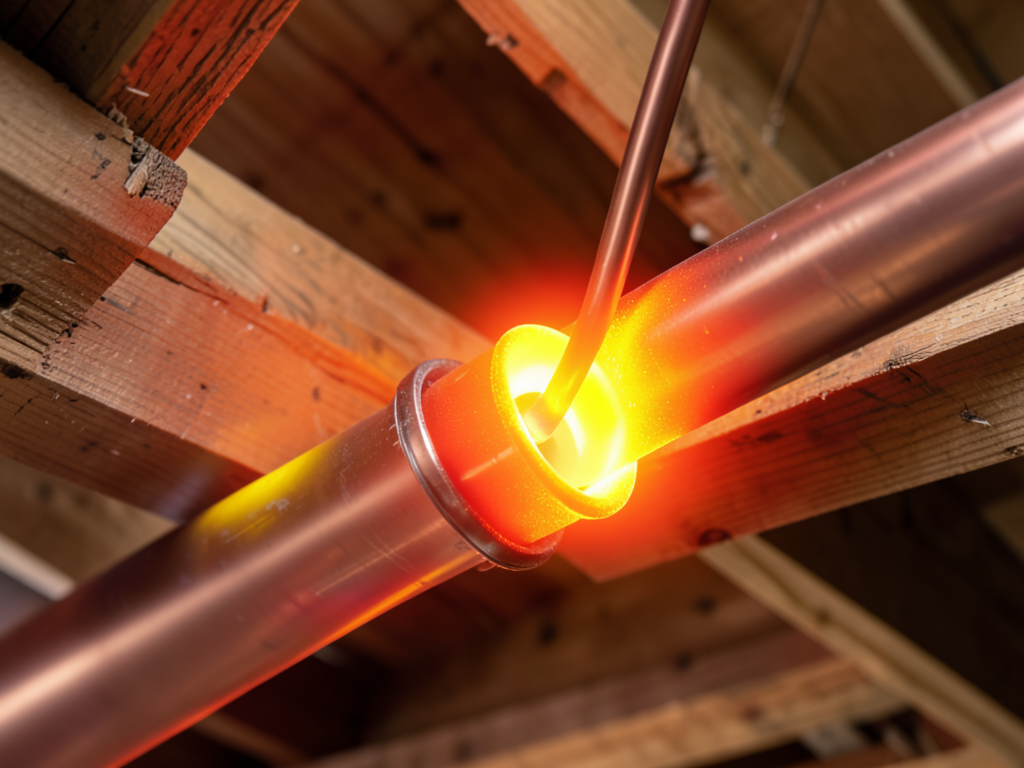





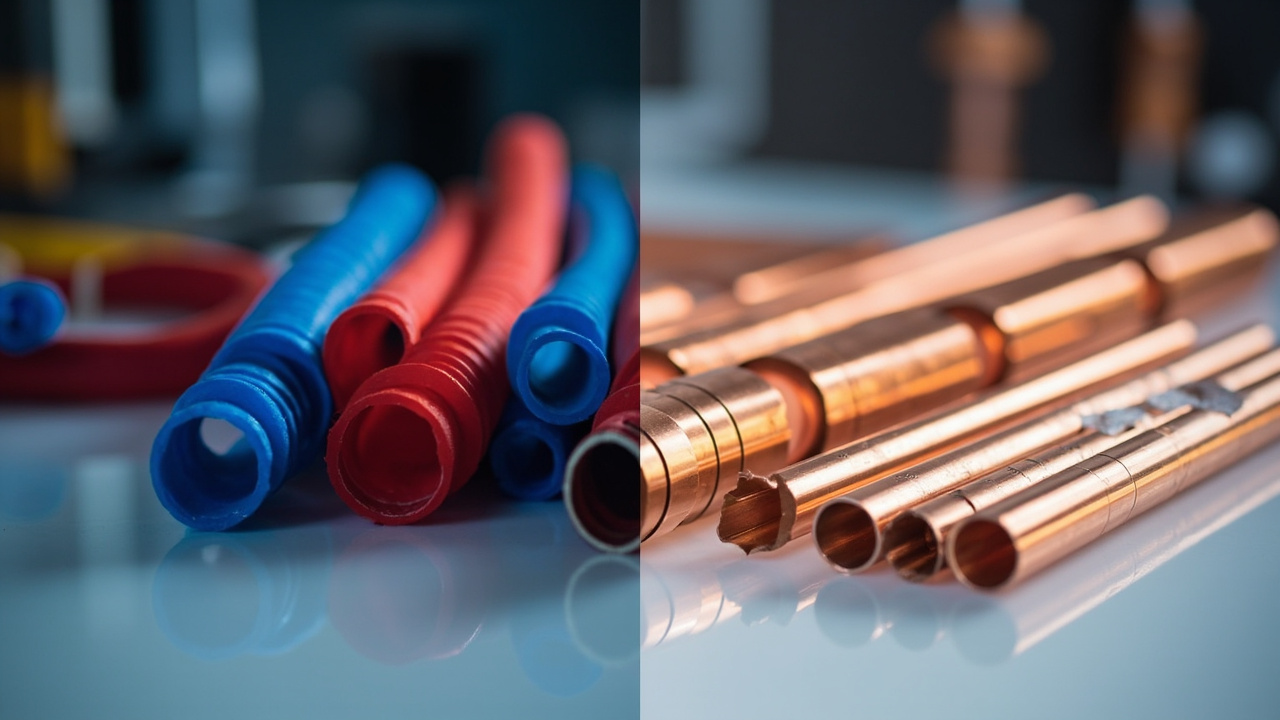
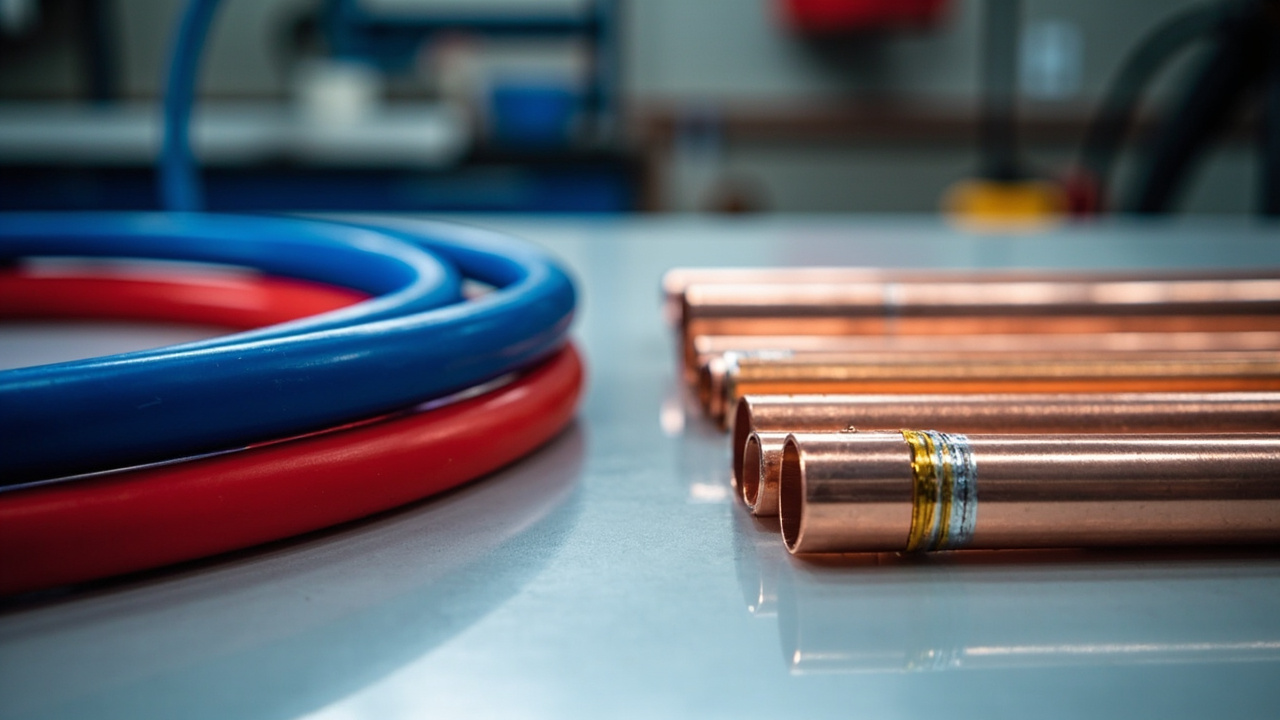
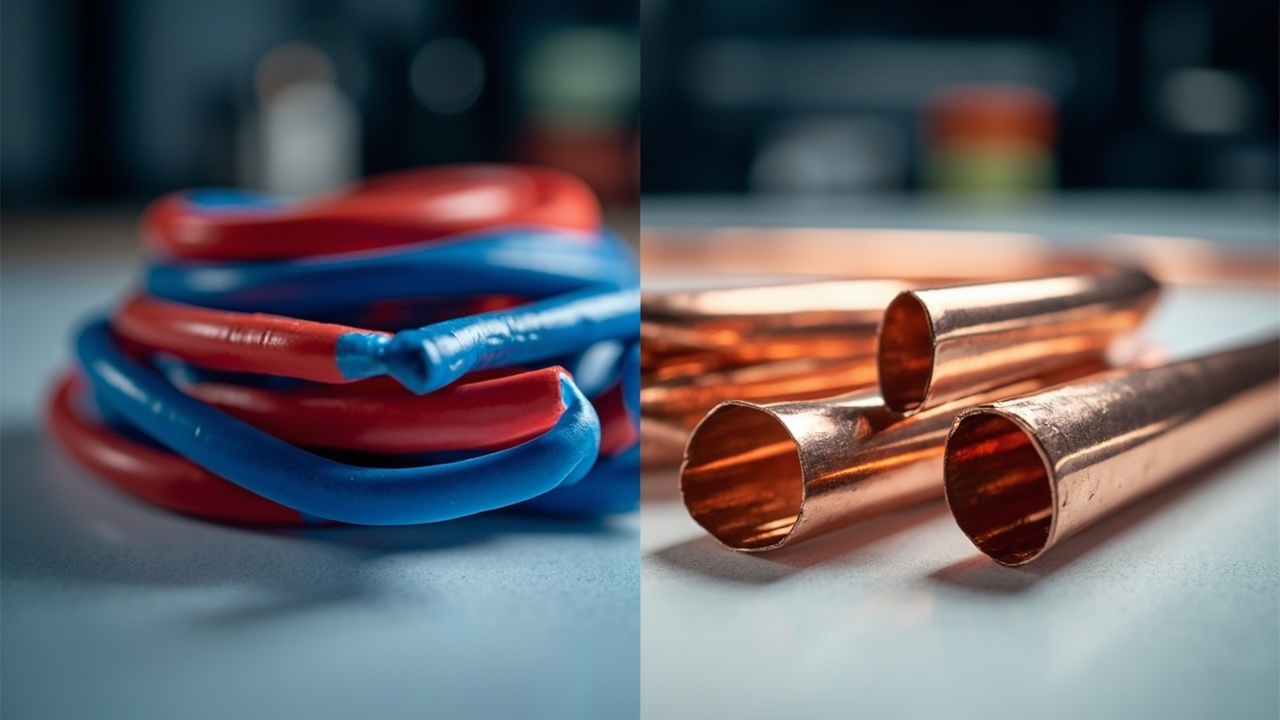
Columbus water comes from the Scioto River and is treated to meet federal standards, but it still carries enough chlorine and mineral content to affect piping materials over time. The city maintains chlorine levels between 0.5 and 2.0 parts per million to control bacteria, which is safe for consumption but can degrade older PEX formulations over decades. Modern PEX-A and PEX-B materials resist chlorine degradation better than early PEX-C products. Copper, on the other hand, reacts to water pH and dissolved oxygen. Columbus water typically runs slightly alkaline, which protects copper from aggressive corrosion, but homes with water softeners or homes in areas with older distribution lines can experience different water chemistry that accelerates pinhole leak formation.
We work in Columbus neighborhoods every week, from the compact bungalows in Merion Village to the sprawling ranch homes in Upper Arlington. We see the same plumbing challenges across different areas, and we know which solutions hold up in local conditions. The Columbus building code follows state guidelines that allow both materials, but inspectors expect proper installation techniques and appropriate applications. Choosing a local plumber who understands these expectations and has working relationships with city inspectors means your project passes inspection without delays or rework. You are not hiring someone who learned plumbing in a different climate or a different regulatory environment.