




menu

Discolored or Rusty Water in Columbus – Expert Diagnosis and Same-Day Repairs

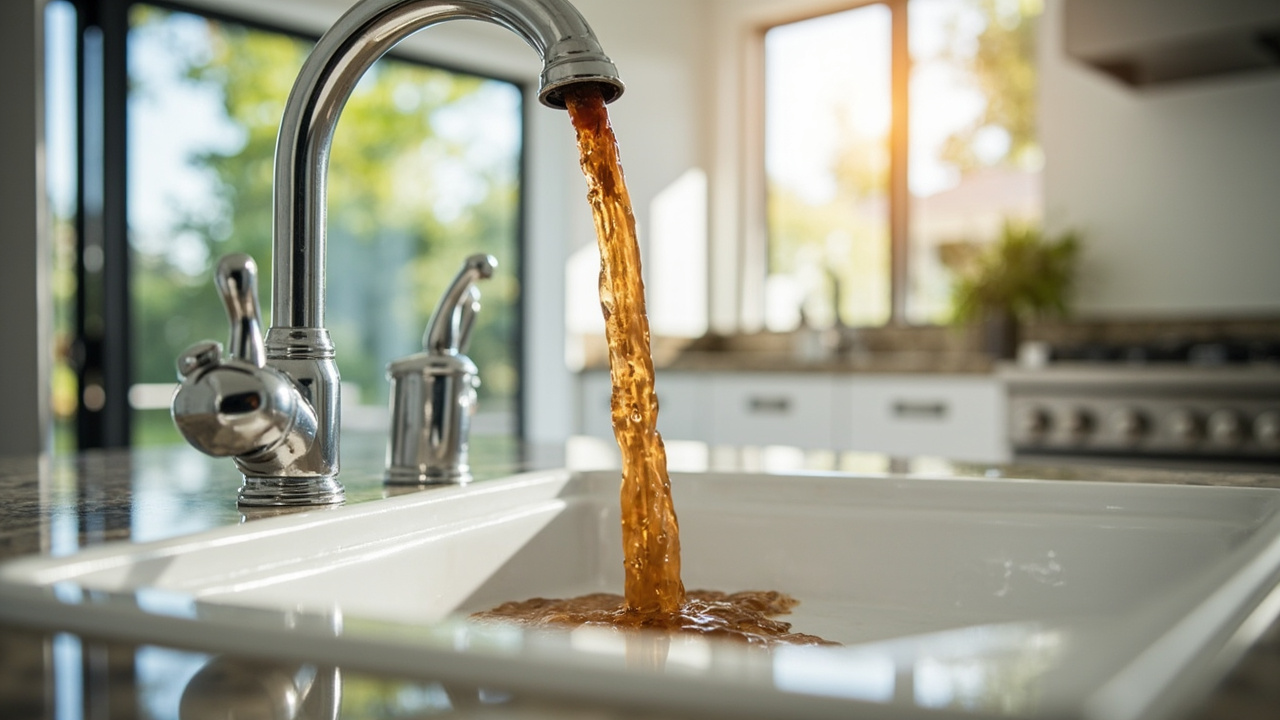
When brown tap water or rusty colored water flows from your faucets, you need fast answers and permanent fixes. First Choice Plumbing Columbus diagnoses the source and restores clean, clear water to your home today.

Slider Image 1
Slider Image 2
Slider Image 3
Slider Image 4
Slider Image 5
Slider Image 7
Slider Image 8
Slider Image 9
Slider Image 10
Slider Image 11

Why Columbus Water Turns Brown, Yellow, or Rusty

You turn on the faucet expecting clear water and instead get reddish water from pipes or yellow water from the faucet. The frustration is immediate. Is it safe? Is it dangerous? What caused it?

Columbus homes face specific water quality challenges that trigger discoloration. The city's aging municipal infrastructure means occasional main breaks or service line corrosion can introduce sediment into your supply. Iron-rich groundwater in parts of Franklin County compounds the problem. When city crews flush hydrants or repair lines, you may experience temporary brown tap water throughout your neighborhood.

But if discolored hot water persists or only one fixture delivers rusty colored water, the problem is inside your home. Corroding galvanized pipes, deteriorating water heaters, and failing pressure-reducing valves all shed rust and sediment into your supply. Columbus homes built before 1980 often have galvanized steel pipes that rust from the inside out. You may notice the discoloration worsens in the morning after water sits overnight, or when you first use hot water.

The health risk depends on the source. Municipal sediment is usually harmless but unpleasant. Rust from your pipes introduces elevated iron levels and signals imminent pipe failure. If you see sustained discoloration, especially isolated to hot water or specific fixtures, you need professional diagnosis. The longer you wait, the worse the corrosion becomes. Pinhole leaks and catastrophic pipe bursts often follow months of ignored rusty water warnings.

Why Columbus Water Turns Brown, Yellow, or Rusty
How We Diagnose and Fix Discolored Water Problems

How We Diagnose and Fix Discolored Water Problems

First Choice Plumbing Columbus does not guess. We use systematic diagnostics to identify the exact source of your water discoloration, then implement the correct fix.

We start by isolating the problem. If every fixture in your home produces discolored water simultaneously, the issue is likely municipal or your main service line. We contact Columbus utilities to verify recent main breaks or hydrant flushing in your area. If the city confirms clean supply, we inspect your curb stop valve and service line entry point for corrosion or sediment buildup.

If discolored hot water is the only symptom, we drain and inspect your water heater tank. Anode rod failure allows tank corrosion, creating rust sediment that flows to every hot water fixture. We check for sacrificial anode depletion, sediment accumulation at the tank bottom, and internal tank rust. In many cases, a full tank flush and anode replacement restores clear hot water. In advanced cases, tank replacement is the only permanent solution.

When rusty colored water appears at isolated fixtures, we trace the supply lines. Galvanized pipes corrode first at joints and horizontal runs where sediment settles. We perform pressure testing and visual inspection to locate corroded sections. Partial repiping with PEX or copper eliminates the rust source without full-home replumbing in many cases.

We also test your water quality to rule out bacterial contamination or high mineral content. Understanding total dissolved solids, iron levels, and pH helps us recommend filtration or softening systems if needed. You get answers, not guesswork.

What Happens When You Call About Rusty Water

Discolored or Rusty Water in Columbus – Expert Diagnosis and Same-Day Repairs
01

Same-Day Diagnostic Visit

We dispatch a licensed plumber to your Columbus home within hours. The technician inspects all fixtures, tests water quality at multiple points, and isolates the discoloration source. You receive a clear diagnosis and written repair options before any work begins. We explain what failed, why it failed, and what happens if you delay the fix.
02

Targeted Repair or Replacement

We execute the fix immediately when possible. For water heater issues, we drain tanks, replace anode rods, or install new units. For corroded piping, we repipe affected sections using durable PEX or copper. We minimize wall cuts and restore drywall to match. For municipal issues, we install point-of-entry filtration to protect your home while the city resolves infrastructure problems.
03

Water Quality Verification

After repairs, we flush your system and verify clear water at all fixtures. We test flow rates, check for pressure drops, and confirm no cross-contamination between hot and cold lines. You see the difference immediately. We explain maintenance steps to prevent recurrence and provide documentation for insurance claims if your discoloration caused property damage.

Why Columbus Homeowners Choose First Choice Plumbing Columbus

Discolored water problems require local expertise. Columbus water chemistry, pipe age, and municipal infrastructure all influence the diagnosis. First Choice Plumbing Columbus knows which neighborhoods still have galvanized service lines, which subdivisions have hard water issues, and when the city last upgraded mains in your area.

We understand Franklin County building codes and permit requirements for repiping work. When we replace corroded sections, we pull permits and schedule inspections to protect your home value and resale eligibility. Many fly-by-night plumbers skip this step, leaving you with code violations and future headaches.

Our technicians carry full diagnostic equipment on every truck. We test water quality on-site rather than guessing based on appearance. We use video inspection cameras to view pipe interiors without destructive exploration. This precision saves you money by targeting only the failed sections rather than replacing entire systems unnecessarily.

You also get transparent pricing before work begins. We provide written estimates that break down labor, materials, and disposal fees. No surprises. No upsells. If your water heater needs replacement, we show you multiple options at different price points and explain the efficiency and longevity differences. You make informed decisions.

Columbus homeowners return to First Choice Plumbing Columbus because we solve the root problem rather than masking symptoms. A temporary fix might clear the water for a week, but corroded pipes will fail completely within months. We explain the timeline so you can plan appropriately and avoid emergency repairs during holidays or severe weather.

What to Expect When We Fix Your Water Discoloration

Rapid Response Time

We know rusty water creates anxiety about safety and usability. You should not wait days for answers. First Choice Plumbing Columbus dispatches technicians within hours for discolored water complaints. We prioritize these calls because water quality affects your health and daily routines. Most diagnostics complete the same day, and many repairs finish within 24 hours. For complex repiping projects, we provide temporary filtration solutions so you have clean water while we schedule the full repair.

Comprehensive Water Quality Testing

We test your water at the main shutoff, water heater outlet, and affected fixtures to map exactly where contamination enters your system. Our portable lab equipment measures iron content, total dissolved solids, pH, and turbidity. This data confirms whether you face a simple sediment issue or dangerous bacterial contamination. We explain results in plain language and provide written reports you can share with your physician or insurance company if needed.

Clean, Clear Water Restoration

The goal is permanent clear water, not temporary improvement. When we replace corroded pipes, you get modern materials that resist future corrosion. When we service water heaters, we install high-grade anode rods that extend tank life. We flush your entire system after repairs to remove residual sediment. You see the difference immediately at every faucet. We document before-and-after water quality readings so you have proof the problem is resolved.

Preventive Maintenance Guidance

After fixing your discolored water, we explain how to prevent recurrence. This includes annual water heater flushing schedules, anode rod inspection intervals, and signs of early pipe corrosion. We offer maintenance plans that include yearly water quality testing and system inspections. Catching corrosion early prevents emergency failures and extends your plumbing system lifespan. You receive written maintenance checklists and can call us anytime questions arise about water quality changes.

Frequently Asked Questions

You Have Questions,
We Have Answers

Is discolored water safe to drink? +

Discolored water is not safe to drink until you identify the cause. Brown or yellow water often signals rust from aging pipes, corroded water heaters, or sediment buildup. While rust itself is not toxic, discoloration can indicate contamination from bacteria, lead, or other harmful substances. In Columbus, older homes near neighborhoods like German Village may have galvanized piping prone to corrosion. If you see discolored water, do not drink it. Run cold water for a few minutes. If the color persists, call a plumber to inspect your piping and water heater.

How to tell if water is rusty? +

Rusty water appears brown, orange, or reddish. Fill a clear glass and let it sit for a few minutes. If sediment settles at the bottom, you have rust or iron particles. Rusty water often smells metallic and leaves stains on sinks, toilets, and laundry. Columbus homes with galvanized or cast iron pipes are prone to rust as these materials corrode over time. Check your hot water first. If only hot water is discolored, your water heater likely has sediment buildup or a corroded anode rod. If both hot and cold are rusty, your supply lines need inspection.

What does discolored water mean? +

Discolored water means something in your plumbing system is releasing particles into your water supply. Brown or orange water points to rust from corroded pipes or a failing water heater. Yellow or cloudy water can signal sediment, mineral buildup, or dissolved iron. In Columbus, sudden discoloration after heavy rain or construction can mean disturbances in city water mains. If the discoloration clears after running water for a few minutes, the issue is external. If it persists, your home plumbing system has corrosion or sediment that requires professional diagnosis and repair.

Is it safe to drink rusty tap water? +

Drinking rusty tap water is not recommended. While small amounts of iron oxide are not immediately toxic, rusty water can harbor bacteria, lead, or other contaminants that leach from corroded pipes. In Columbus, homes built before 1980 may have galvanized piping that corrodes and releases harmful particles. Rusty water can cause stomach upset, staining, and long-term exposure to trace metals. Do not drink or cook with discolored water. Run your taps until water clears. If rust persists, contact a plumber to inspect your pipes, water heater, and pressure tank for corrosion and contamination risks.

Should I call a plumber for brown water? +

Yes, call a plumber if brown water persists after running taps for several minutes. Temporary discoloration from city water main work usually clears quickly. If brown water continues, you have internal plumbing issues like corroded pipes, a failing water heater anode rod, or sediment buildup. In Columbus, older homes and properties near the Scioto River may experience higher mineral content that accelerates corrosion. A plumber will inspect your piping material, test water quality, flush your water heater, and recommend pipe replacement or filtration solutions. Do not ignore brown water. It signals deteriorating infrastructure that worsens over time.

Can rust in water cause health problems? +

Rust in water is not highly toxic, but it can cause health problems over time. Excess iron can lead to stomach upset, nausea, and constipation. Rusty water often indicates corroded pipes that may also leach lead, copper, or bacteria into your supply. Columbus homes with aging galvanized piping face higher contamination risks. Prolonged exposure to contaminated water can affect liver and kidney function. Children and pregnant women are especially vulnerable. If you see rust regularly, have a plumber test your water and inspect your piping system. Installing a filtration system or replacing corroded pipes protects your health.

What color is rust in water? +

Rust in water appears brown, orange, or reddish. The intensity of the color depends on the concentration of iron oxide particles. Light rust may give water a faint yellow tint, while heavy rust creates a dark orange or muddy brown hue. In Columbus, homes with galvanized piping or older cast iron supply lines commonly see rust discoloration as these materials corrode. Rust also leaves visible stains on sinks, tubs, and laundry. If you see orange or brown water, do not drink it. Run your taps. If color persists, call a plumber to trace the source.

What are the symptoms of dirty water? +

Dirty water symptoms include visible discoloration, metallic or musty odor, sediment in your glass, and staining on fixtures and laundry. You may also notice reduced water pressure if sediment clogs aerators or pipes. In Columbus, dirty water can result from city main breaks, construction, or internal plumbing corrosion. If you experience stomach upset, skin irritation, or unusual taste after drinking tap water, stop using it immediately. Dirty water can harbor bacteria and contaminants. Run taps for a few minutes. If symptoms persist, contact a plumber to test water quality and inspect your plumbing system.

How to test your water for rust? +

Test your water for rust by filling a clear glass and letting it sit for five minutes. If sediment settles at the bottom and the water is brown or orange, you have rust. You can also purchase an at-home water test kit from hardware stores in Columbus to measure iron levels and other contaminants. For precise results, send a sample to a certified lab. A plumber can perform on-site water testing and inspect your pipes, water heater, and pressure tank for corrosion. If you see rust regularly, professional testing identifies contamination risks and guides repair decisions.

Can you shower in discoloured water? +

Showering in discolored water is not ideal but is safer than drinking it. Rust particles can stain skin, hair, and shower surfaces. If discoloration is mild and temporary, showering is generally safe. If water is heavily discolored, it may contain bacteria or contaminants from corroded pipes. Columbus homes with older plumbing should avoid prolonged exposure. Do not let children or people with sensitive skin bathe in rusty water. Run your shower for a few minutes before use. If rust persists, call a plumber to inspect your water heater and supply lines before resuming normal use.

How Columbus Aging Infrastructure Causes Recurring Water Discoloration

Columbus water mains installed in the 1950s and 1960s are reaching end-of-service life across many neighborhoods. When the city repairs or replaces mains, hydrant flushing and service disruptions stir sediment and rust scale throughout the distribution network. Homes in German Village, Clintonville, and parts of the Hilltop see periodic brown tap water after municipal work. If your home connects to older infrastructure, point-of-entry filtration protects you from these temporary but recurring events. Understanding your neighborhood's pipe age helps predict discoloration patterns.

First Choice Plumbing Columbus maintains relationships with Columbus utilities and stays informed about scheduled infrastructure projects. When the city plans main replacements in your area, we can install temporary filtration before work begins. This proactive approach prevents stained laundry, clogged faucet aerators, and water heater sediment buildup during construction. Local expertise matters because we know which neighborhoods face chronic issues versus isolated incidents. We also understand Franklin County permit requirements for repiping work, ensuring your repairs meet code and protect your home value.

Plumbing Services in The Columbus Area

We are proud to serve the entire Columbus area and its surrounding communities. Our team is strategically located to respond quickly to your plumbing needs, whether you're in the city center or a nearby suburb. We invite you to view our service area on the map to see if you are within our coverage. No matter where you are, we’re ready to bring our expertise directly to your doorstep.

Address:
First Choice Plumbing Columbus, 4770 Indianola Ave, Columbus, OH, 43214

Additional Services We Offer

Our news updates

Latest Articles & News from The Blogs

How to Correctly Read Your Water Meter in Brookshire to Find a Hidden Pipe Leak Your water meter is more…

How to Correctly Read Your Water Meter in Brookshire to Find a Hidden Pipe Leak

How to Correctly Read Your Water Meter in Brookshire to Find a Hidden Pipe Leak Your water meter is more…

Why You Should Never Use Liquid Drain Cleaners in Your Maize-Morse Home (and What to Use Instead)

Why You Should Never Use Liquid Drain Cleaners in Your Maize-Morse Home (and What to Use Instead) Walk down the…

Preventing a Massive Laundry Room Flood in Your Georgian Heights Home with a Better Drain Setup

Preventing a Massive Laundry Room Flood in Your Georgian Heights Home with a Better Drain Setup Water rushing across your…

Contact Us

Rusty water will not fix itself. Call First Choice Plumbing Columbus now at (614) 707-7373 for same-day diagnosis and repair. We identify the source, explain your options, and restore clean water fast.