


menu

Preventative Commercial Maintenance in Columbus – Minimize Downtime and Protect Your Operations

Scheduled commercial plumbing upkeep and routine inspections keep your Columbus business running without interruption. First Choice Plumbing Columbus delivers comprehensive preventive commercial plumbing services that reduce emergency repair costs and maintain regulatory compliance.

Slider Image 1
Slider Image 2
Slider Image 3
Slider Image 4
Slider Image 5
Slider Image 7
Slider Image 8
Slider Image 9
Slider Image 10
Slider Image 11

Why Columbus Commercial Properties Require Proactive Plumbing Maintenance

Columbus's hard water supply, combined with freeze-thaw cycles that strain aging infrastructure, creates predictable failure points in commercial plumbing systems. The city's aggressive water mineral content accelerates scale buildup in water heaters, boilers, and supply lines. Without commercial plumbing maintenance plans, these conditions silently degrade system performance until a catastrophic failure forces unplanned closures.

Most Columbus businesses operate in buildings constructed between 1960 and 1990, when galvanized steel piping was standard. These systems now face corrosion-driven failures that leak into walls, damage inventory, and create liability risks. A single burst pipe can shut down operations for days and cost tens of thousands in lost revenue and emergency mitigation.

Preventive commercial plumbing services address these vulnerabilities before they escalate. Routine commercial plumbing inspections identify early-stage issues like hairline cracks in cast iron drain stacks, deteriorating flange seals on toilets, and sediment accumulation in water heaters. These problems start small but compound quickly in high-use commercial environments.

Commercial plumbing service agreements shift your facility from reactive crisis management to predictable maintenance scheduling. You gain documented compliance with local health department requirements and insurance carrier expectations. Scheduled commercial plumbing upkeep reduces emergency service calls by 60 to 70 percent and extends equipment lifespan by five to ten years. For Columbus businesses competing on thin margins, this operational stability provides a measurable competitive advantage.

Why Columbus Commercial Properties Require Proactive Plumbing Maintenance
How Professional Preventive Maintenance Protects Commercial Operations

How Professional Preventive Maintenance Protects Commercial Operations

Commercial plumbing maintenance plans function as systematic risk mitigation. The process starts with comprehensive facility documentation. Technicians map your entire plumbing infrastructure, noting pipe materials, fixture ages, water heater capacities, and backflow preventer locations. This baseline assessment identifies immediate concerns and establishes a prioritized maintenance schedule.

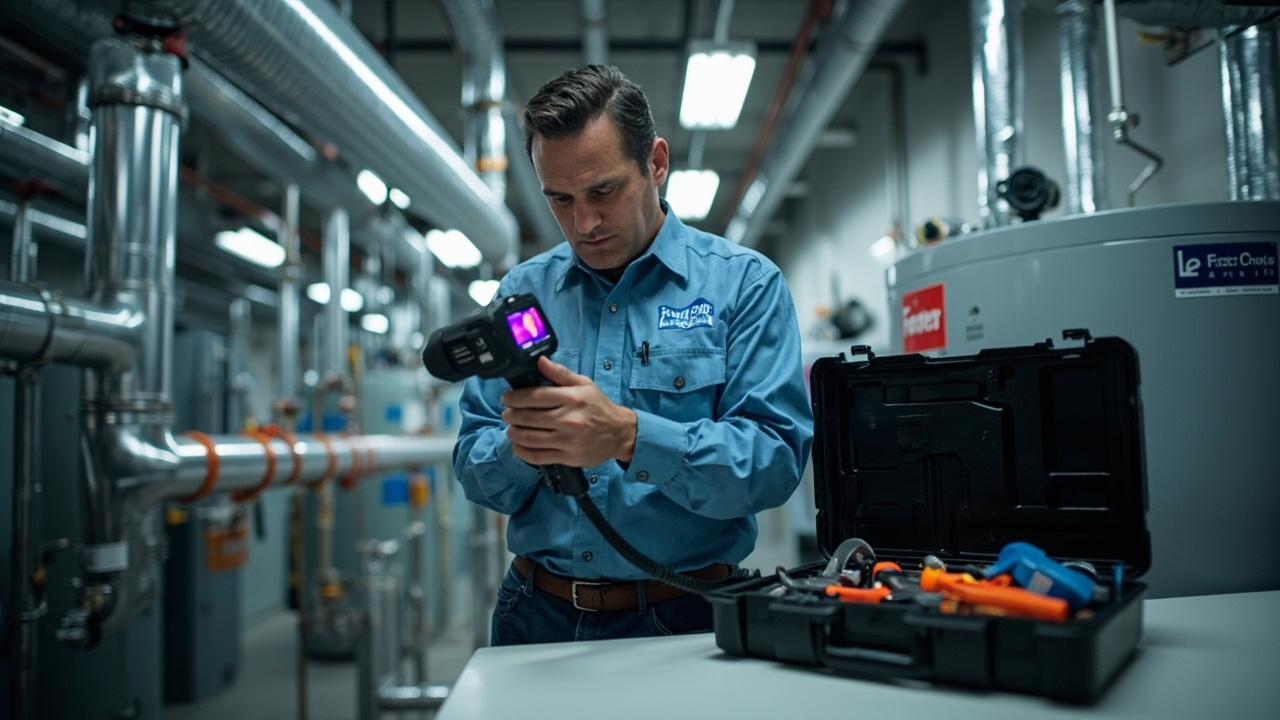
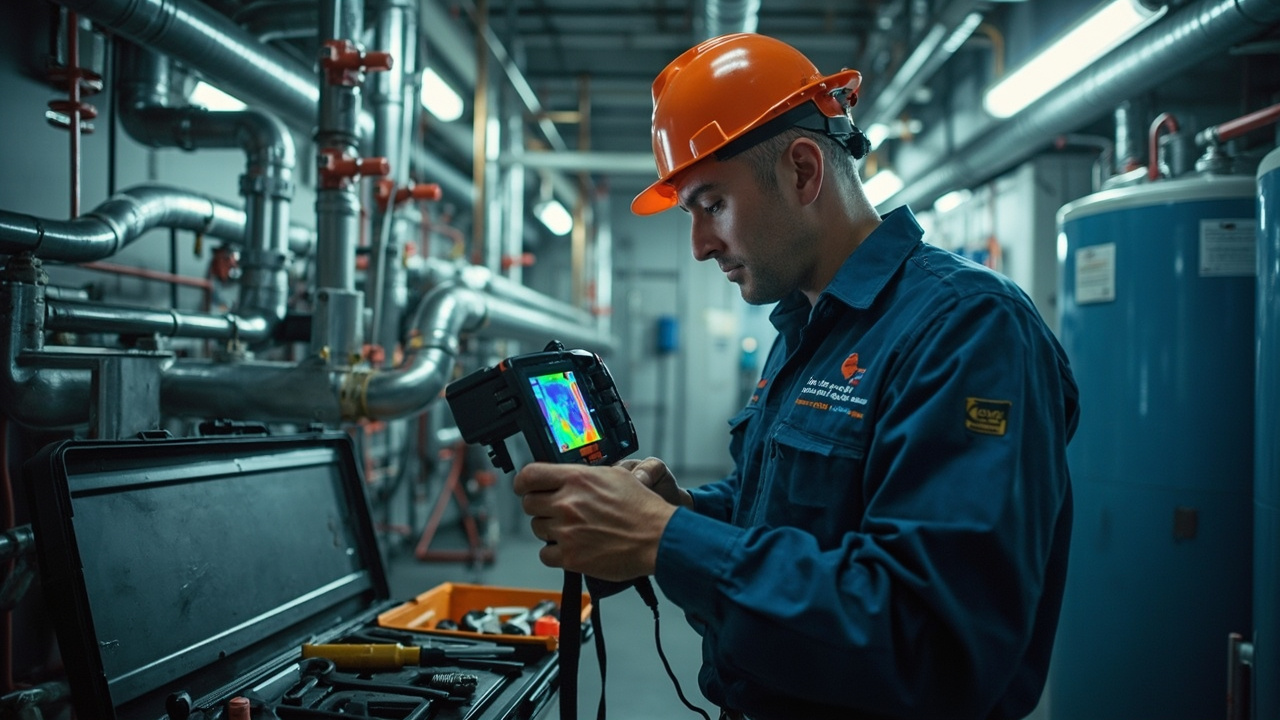
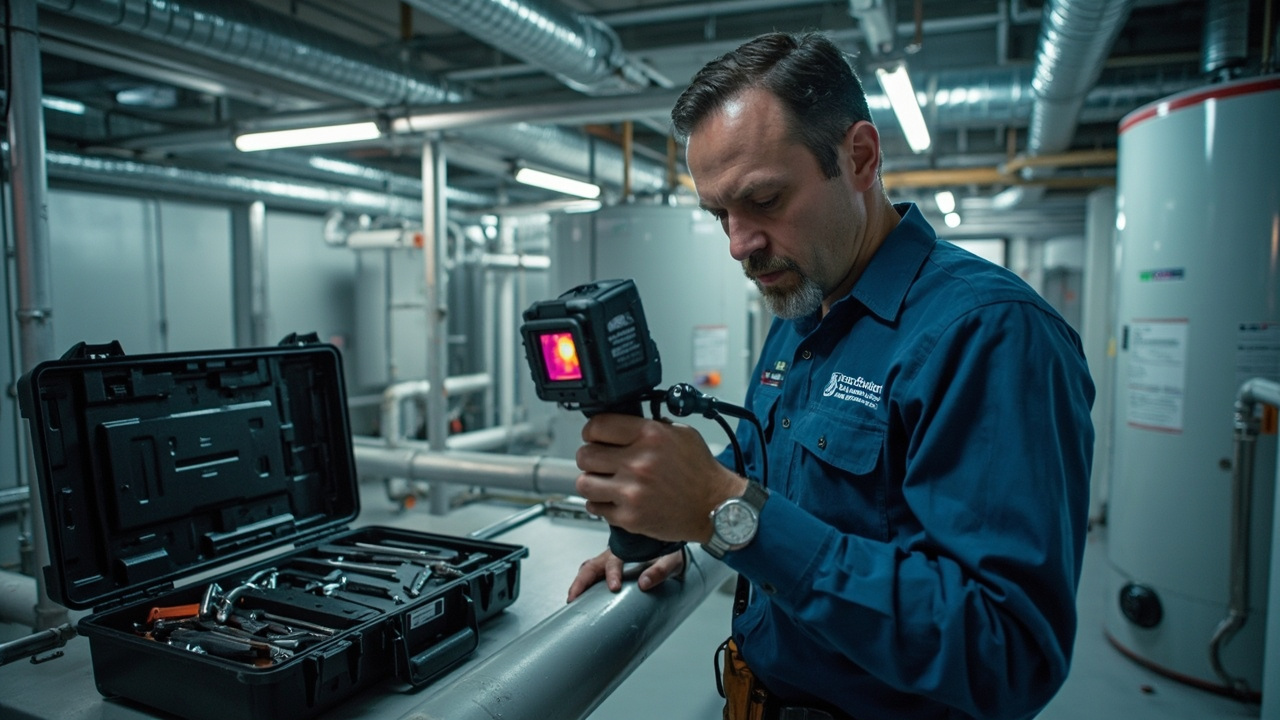
Routine commercial plumbing inspections follow a structured protocol. Technicians use thermal imaging cameras to detect hidden leaks behind walls and under concrete slabs. They measure water pressure at multiple points to identify restrictions caused by scale buildup or partially closed valves. Drain lines receive hydro-jetting to remove grease accumulation and biofilm before they cause backups during peak business hours.

Water heaters and boilers undergo detailed examination. Technicians flush tanks to remove sediment, test pressure relief valves, inspect anode rods for depletion, and verify proper combustion air supply. These steps prevent the sudden failures that force businesses to close restrooms or halt food service operations.

Backflow preventers require annual testing under Columbus municipal code. Preventive commercial plumbing services include certified testing and documentation submission to Columbus Public Utilities. This removes administrative burden from property managers while maintaining compliance.

Commercial plumbing service agreements include priority emergency response when unexpected issues do occur. Your facility moves to the front of the dispatch queue because the responding technicians already know your system layout and maintenance history. This familiarity cuts diagnostic time and accelerates repairs. Scheduled commercial plumbing upkeep transforms unpredictable emergency expenses into manageable operating costs with predictable budgeting.

What Happens During Your Commercial Maintenance Visit

Preventative Commercial Maintenance in Columbus – Minimize Downtime and Protect Your Operations
01

Comprehensive System Inspection

Technicians arrive with facility documentation and maintenance history. They inspect all accessible plumbing components, including water supply lines, drain stacks, fixture connections, and equipment installations. Thermal imaging identifies temperature anomalies that indicate hidden leaks or failing insulation. Pressure testing confirms system integrity across all zones. This diagnostic phase typically requires one to three hours depending on facility size and complexity.
02

Preventive Service Execution

After inspection, technicians perform scheduled maintenance tasks. This includes water heater flushing, aerator cleaning, flush valve adjustments, supply line tightening, and drain line treatment. Equipment receives lubrication and calibration according to manufacturer specifications. Minor issues like worn washers or loose connections get immediate correction. Technicians document all work with photos and detailed notes. This phase addresses the small problems that become big failures if ignored.
03

Reporting and Recommendations

You receive a detailed service report with findings, completed work, and prioritized recommendations. The report includes photos of concerning conditions and explains why each recommendation matters for business continuity. Items get categorized as immediate, near-term, or long-term concerns with estimated costs for budget planning. This transparency allows informed decision-making about capital improvements versus ongoing maintenance. The report satisfies insurance requirements and provides documentation for tenant disputes or property transactions.

Why Columbus Businesses Choose First Choice Plumbing for Commercial Maintenance

Columbus operates under Ohio Plumbing Code Chapter 4101:3, which establishes specific requirements for commercial facilities. First Choice Plumbing Columbus maintains current knowledge of these regulations and their practical application across different property types. We understand that a Short North restaurant faces different compliance requirements than a Grandview office building or a Hilltop industrial facility.

Our technicians carry commercial licensing and specialized training in high-capacity systems. They understand three-inch drain stacks, pressure-assisted flush systems, commercial water softeners, and the grease trap requirements that apply to Columbus food service establishments. This expertise matters when maintaining systems that serve dozens or hundreds of daily users.

Columbus water supply comes primarily from the Scioto River and contains elevated levels of calcium and magnesium. These minerals create unique maintenance challenges for commercial water heaters and boilers. We adjust maintenance protocols specifically for Columbus water chemistry, extending equipment life and maintaining efficiency in ways that generic national service providers cannot match.

Response time directly impacts your bottom line when plumbing issues occur. First Choice Plumbing Columbus operates from local facilities with inventory stocked for common commercial repairs. We reach most Columbus commercial properties within 90 minutes during business hours. This proximity matters when a restroom fixture fails during lunch rush or a water line breaks before a major event.

Commercial plumbing maintenance plans from First Choice Plumbing include after-hours emergency coverage with direct technician contact. You skip the answering service and reach someone who knows your facility. This relationship-based approach reduces stress during emergencies and accelerates problem resolution when every minute of downtime costs money.

What to Expect from Commercial Plumbing Maintenance Service

Flexible Scheduling That Fits Operations

Maintenance visits get scheduled during your slowest hours to minimize business disruption. Most commercial clients prefer early morning or evening appointments before customers arrive or after closing. We accommodate weekend scheduling for facilities that operate Monday through Friday. For 24-hour operations, technicians work in phases to maintain partial system availability throughout service. Emergency response remains available around the clock for maintenance plan clients who experience unexpected failures. You receive appointment reminders 48 hours in advance with technician arrival windows. Punctuality matters in commercial settings, so we arrive on time or call ahead if delays occur.

Thorough Documentation and Compliance Support

Every maintenance visit produces a detailed service report with date-stamped photos and technician notes. These reports satisfy insurance carrier requirements and health department inspections. Backflow preventer testing includes certified completion forms submitted directly to Columbus Public Utilities on your behalf. We maintain digital records of all service history accessible through your client portal. This documentation proves invaluable during property sales, tenant disputes, or insurance claims. For multi-location operators, consolidated reporting provides enterprise visibility into maintenance spending and system conditions across your Columbus portfolio. Reports get delivered within 24 hours of service completion via email or client portal access.

System Reliability and Performance Improvement

Preventive maintenance measurably improves system performance. Clients typically see 15 to 25 percent reductions in water consumption after aerator cleaning and fixture adjustments. Water heater efficiency improves by 10 to 20 percent following sediment flushing and burner tuning. Drain flow rates increase after hydro-jetting removes years of accumulated buildup. These improvements reduce utility costs and extend equipment replacement timelines. More importantly, scheduled maintenance dramatically reduces emergency breakdowns that force business closures or service interruptions. Most maintenance plan clients experience zero to one emergency service calls annually compared to three to five calls for facilities on reactive maintenance schedules. This reliability protects revenue and customer satisfaction.

Long-Term Cost Control and Budget Predictability

Commercial plumbing service agreements convert unpredictable emergency expenses into fixed monthly costs. You budget accurately for facility maintenance without surprise capital outlays. Maintenance plan clients receive priority pricing on repairs discovered during inspections, typically 10 to 15 percent below standard rates. Early detection of developing problems allows scheduled repairs during convenient times rather than emergency response during business hours. Equipment replacements get planned and budgeted rather than forced by catastrophic failure. This financial predictability helps property managers and business owners allocate capital effectively. Service agreements include guaranteed response times and eliminate trip charges for covered visits. The total cost of planned maintenance plus occasional repairs runs 40 to 60 percent lower than reactive emergency-only service over a typical five-year period.

Frequently Asked Questions

You Have Questions,
We Have Answers

What are the 5 types of preventive maintenance? +

The five types of preventive maintenance are time-based maintenance, usage-based maintenance, predictive maintenance, prescriptive maintenance, and condition-based maintenance. Time-based maintenance follows fixed intervals regardless of equipment status. Usage-based maintenance triggers after specific operating hours or cycles. Predictive maintenance uses sensors and data to forecast failures before they happen. Prescriptive maintenance combines predictive data with machine learning to recommend optimal actions. Condition-based maintenance monitors real-time equipment health indicators to determine service needs. For commercial facilities in Columbus, combining these approaches minimizes downtime during peak seasonal demand, especially when Ohio weather shifts stress HVAC and plumbing systems.

What are the 7 elements of preventive maintenance? +

The seven elements of preventive maintenance include equipment inventory management, scheduled inspections, routine servicing tasks, parts inventory control, work order tracking, documentation and record keeping, and performance analysis. Equipment inventory identifies all assets requiring maintenance. Scheduled inspections follow predetermined timelines. Routine servicing tasks cover cleaning, lubrication, and adjustments. Parts inventory ensures critical components are available when needed. Work order tracking monitors completion rates and technician efficiency. Documentation creates compliance records and historical data. Performance analysis identifies trends and improvement opportunities. Columbus commercial properties benefit from comprehensive documentation that supports building code inspections and insurance requirements.

How much does preventive maintenance cost for commercial HVAC? +

Commercial HVAC preventive maintenance costs vary based on system size, complexity, and service frequency. Factors include square footage served, equipment age, number of rooftop units, and specialized components like chillers or variable refrigerant flow systems. Columbus facilities face unique seasonal stress from humid summers and cold winters, requiring more frequent filter changes and refrigerant checks. Annual contracts typically cover quarterly inspections, filter replacements, coil cleaning, and electrical testing. Larger multi-zone systems or facilities with critical temperature control needs pay more than basic office spaces. Request detailed service agreements that specify inspection frequency, parts coverage, and emergency response times.

What are examples of preventative maintenance? +

Preventative maintenance examples for commercial facilities include quarterly HVAC filter changes, annual backflow testing, monthly drain line treatments, bi-annual water heater inspections, seasonal roof drainage checks, and regular grease trap servicing. Other examples include testing emergency shut-off valves, inspecting sump pumps before spring thaw, flushing water lines in unused sections, checking pressure reducing valves, and testing backwater valves. Columbus commercial properties should prioritize pre-winter pipe insulation checks and spring foundation drainage inspections due to freeze-thaw cycles. Restaurants require frequent grease interceptor maintenance, while medical facilities need specialized backflow prevention testing to maintain health department compliance.

What are the 4 P's of maintenance? +

The four P's of maintenance are preservation, prediction, prevention, and perfection. Preservation maintains equipment in operational condition through regular cleaning and lubrication. Prediction uses data and monitoring to forecast when failures will occur. Prevention addresses potential problems before they cause downtime through scheduled service. Perfection seeks continuous improvement in maintenance processes and equipment reliability. For Columbus commercial properties, this framework reduces liability risks and unexpected repair costs. Applying the four P's to plumbing systems prevents water damage that disrupts operations. Commercial facilities benefit from prediction strategies that account for seasonal stress on pipes and fixtures during Ohio temperature extremes.

What is the 10% rule of preventive maintenance? +

The 10% rule of preventive maintenance states that organizations should allocate approximately 10% of their maintenance budget to preventive activities rather than reactive repairs. This ratio helps avoid the higher costs associated with emergency breakdowns and unplanned downtime. Facilities that invest in preventive maintenance typically see reduced overall maintenance spending, extended equipment life, and fewer business interruptions. Columbus commercial properties that follow this rule experience fewer frozen pipe emergencies during winter and fewer HVAC failures during summer peak demand. The rule serves as a benchmark, though actual percentages vary based on facility age, equipment complexity, and operational criticality.

What is included in a PM checklist? +

A preventive maintenance checklist includes equipment identification, inspection date, technician name, safety checks, operational tests, cleaning tasks, lubrication points, filter replacements, belt tension checks, electrical connection inspections, refrigerant level verification, drain line testing, and documentation of findings. For commercial plumbing systems, checklists cover water heater temperature and pressure relief valve testing, backflow preventer certification, sump pump operation, grease trap condition, fixture leak detection, and water pressure monitoring. Columbus facilities should include seasonal items like pre-winter pipe insulation verification and spring roof drain clearing. Checklists create audit trails for insurance claims and code compliance verification.

What are the 5 basic maintenance skills? +

The five basic maintenance skills are mechanical aptitude, electrical knowledge, troubleshooting ability, documentation proficiency, and safety awareness. Mechanical aptitude involves understanding how systems operate and interact. Electrical knowledge covers circuit testing and connection integrity. Troubleshooting ability means diagnosing problems systematically rather than guessing. Documentation proficiency ensures accurate record keeping for compliance and trend analysis. Safety awareness prevents injuries and liability exposure. Commercial maintenance technicians in Columbus need additional skills related to local building codes and seasonal challenges like freeze protection. For plumbing systems, skills must include backflow prevention, cross-connection control, and water quality testing to meet health department requirements.

What are the 5 pillars of TPM? +

The five pillars of Total Productive Maintenance are autonomous maintenance, planned maintenance, quality maintenance, focused improvement, and early equipment management. Autonomous maintenance trains operators to perform basic care tasks. Planned maintenance schedules proactive service to prevent failures. Quality maintenance ensures equipment produces consistent results. Focused improvement eliminates recurring problems through root cause analysis. Early equipment management applies lessons learned to new installations. Columbus commercial facilities benefit from TPM principles by reducing plumbing-related downtime during peak business periods. The focused improvement pillar helps identify chronic issues like recurring drain blockages or pressure fluctuations caused by municipal water system changes.

What is the $5000 AC rule? +

The $5,000 AC rule refers to IRS tax code Section 179 and depreciation guidelines for HVAC equipment replacement costs. When commercial AC repair or maintenance costs exceed certain thresholds relative to equipment value, the IRS may require capitalizing the expense and depreciating it over time rather than deducting it immediately. The specific threshold varies based on total equipment value and improvement type. Columbus commercial property owners should consult tax professionals when facing major HVAC decisions. The rule affects whether expenses qualify as deductible repairs or must be treated as capital improvements. This impacts cash flow and tax planning for facility budgets.

How Columbus Water Chemistry Affects Commercial Plumbing Maintenance Schedules

Columbus water supply measures between 12 and 18 grains per gallon of hardness, classified as very hard by USGS standards. This mineral concentration accelerates scale formation inside commercial water heaters, boilers, and high-temperature equipment. Restaurants, hotels, and medical facilities with significant hot water demand face particularly aggressive buildup that reduces efficiency and causes premature failures. Commercial plumbing maintenance plans in Columbus require more frequent descaling and inspection intervals than facilities in soft water regions. Preventive commercial plumbing services address this local condition with water heater flushing every six months instead of the annual schedule sufficient in other markets. Routine commercial plumbing inspections identify scale accumulation before it restricts flow or damages heating elements. This localized maintenance approach protects your equipment investment and maintains operational efficiency.

Columbus municipal code requires annual backflow preventer testing for all commercial properties connected to city water supply. Facilities with irrigation systems, fire suppression connections, or chemical injection equipment face additional testing requirements. First Choice Plumbing Columbus maintains Ohio Department of Commerce backflow tester certification and submits compliance documentation directly to Columbus Public Utilities. We understand local health department expectations for food service establishments and medical facilities that face heightened scrutiny. This local regulatory knowledge prevents violations that trigger fines or business license complications. Commercial plumbing service agreements include compliance management as a standard component because navigating Columbus requirements demands local expertise. Choosing a maintenance provider familiar with city codes and inspection protocols protects your business from administrative headaches and regulatory penalties.
Plumbing Services in The Columbus Area

We are proud to serve the entire Columbus area and its surrounding communities. Our team is strategically located to respond quickly to your plumbing needs, whether you're in the city center or a nearby suburb. We invite you to view our service area on the map to see if you are within our coverage. No matter where you are, we’re ready to bring our expertise directly to your doorstep.

Address:
First Choice Plumbing Columbus, 4770 Indianola Ave, Columbus, OH, 43214

Additional Services We Offer

Our news updates

Latest Articles & News from The Blogs

Identifying the Strange Clicking Noises Coming from Your Mount Vernon Plumbing Pipes Those mysterious clicking or tapping sounds coming from…

Identifying the Strange Clicking Noises Coming from Your Mount Vernon Plumbing Pipes

Identifying the Strange Clicking Noises Coming from Your Mount Vernon Plumbing Pipes Those mysterious clicking or tapping sounds coming from…

Why a Standard Sump Pump Might Not Be Enough for Your Northern Woods Basement

Why a Standard Sump Pump Might Not Be Enough for Your Northern Woods Basement Living in Northern Woods means dealing…

Adding a Modern Dog Wash Station to Your Columbus Mudroom or Garage (What You Need to Know)

Why Columbus Pet Owners Are Adding Dog Wash Stations to Their Homes Adding a modern dog wash station to your…

Contact Us

Stop reacting to plumbing emergencies and start preventing them. Call First Choice Plumbing Columbus at (614) 707-7373 to discuss a commercial maintenance plan customized for your facility. We will schedule a no-cost system assessment and provide transparent pricing for ongoing preventive service.