Picking the Right Material for Your Main Sewer Line Replacement in Berwick
Living in Berwick means dealing with Columbus’s heavy clay soil and mature tree canopy that constantly threaten your main sewer line. The right material choice can mean the difference between a 30-year headache and a 100-year solution. This guide breaks down the best pipe materials for Berwick homes, factoring in local soil conditions, Columbus building codes, and real-world performance data from Central Ohio properties.
Why Berwick’s Soil and Trees Make Material Choice Critical
Berwick sits on Central Ohio’s signature clay-heavy soil that expands when wet and contracts during dry spells. This constant movement puts enormous pressure on buried pipes, while the neighborhood’s mature oak and maple trees send invasive roots searching for water sources. The combination creates a perfect storm for sewer line failure if you choose the wrong material. Your Best Options for Fast Water Heater Replacement in Dublin.
Columbus Division of Sewerage and Drainage requires all new sewer lines to meet specific ASTM standards for wall thickness and pressure rating. The city’s freeze-thaw cycles, with temperatures swinging from single digits to above freezing within 48 hours, demand materials that can handle thermal expansion without cracking. ASTM International standards.
PVC (Polyvinyl Chloride) – The Standard Choice for Berwick Homes
PVC remains the most common choice for sewer line replacement in Berwick due to its corrosion resistance and smooth interior walls that prevent waste buildup. Schedule 40 PVC offers 450 PSI pressure rating, while SDR-35 (the municipal standard) provides 175 PSI with thinner walls and lower cost.
The smooth interior of PVC prevents the scaling that plagues older cast iron pipes, maintaining flow capacity for decades. However, PVC’s rigidity becomes a liability in Berwick’s expansive clay soil. The material can crack when soil shifts dramatically, especially within the first few years after installation.
Installation requires proper bedding with crushed stone to prevent point loads that could stress the pipe. Most Berwick plumbers use Schedule 40 for residential lines under 8 inches in diameter, providing extra protection against soil movement. The material costs approximately $2.50 to $4.00 per linear foot in 2026, making it budget-friendly for most homeowners.
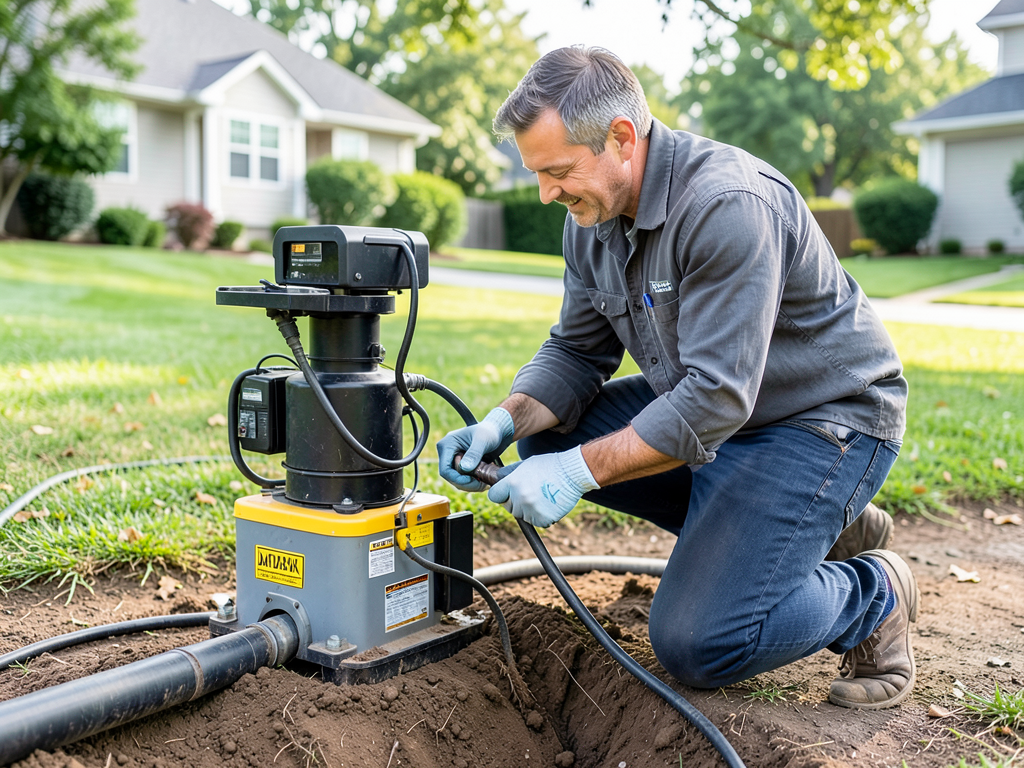
Diagram showing proper PVC pipe bedding in clay soil with crushed stone backfill and expansion joints at critical points.
HDPE (High-Density Polyethylene) – The Trenchless Technology Leader
HDPE has revolutionized sewer replacement in Berwick through trenchless pipe bursting technology. This flexible material stretches without breaking, making it ideal for navigating around existing utilities and adapting to soil movement. The seamless joints eliminate the leak points where tree roots typically penetrate.
The material’s flexibility allows it to handle the 4-6 inch annual soil movement common in Berwick’s clay without developing stress cracks. HDPE’s chemical resistance also means it won’t degrade from the acidic conditions sometimes found in Central Ohio soil, particularly near industrial areas or former agricultural land.
Pipe bursting with HDPE typically costs $8,000 to $15,000 for an average Berwick home, compared to $5,000 to $9,000 for traditional excavation with PVC. However, HDPE’s 100+ year lifespan and resistance to root intrusion often justify the higher upfront investment. The material meets or exceeds all Columbus DOSD requirements for new installations.
Cast Iron and Clay Pipes – Why We’re Moving Away From Them
Many Berwick homes built before 1970 still have cast iron sewer lines that are reaching the end of their useful life. These pipes corrode from the inside out, developing rough surfaces that catch debris and reduce flow capacity by up to 70% over 50 years. The corrosion also creates weak spots prone to collapse under soil pressure.
Vitrified clay pipes, another common material in older Berwick homes, are extremely brittle and susceptible to root intrusion at the joints. The mortar joints that connect clay pipe sections deteriorate over time, creating entry points for roots that can completely block a line within 3-5 years.
Orangeburg pipe, found in some mid-century Berwick homes, represents the worst-case scenario. This tar-paper composite pipe literally disintegrates after 30-40 years, collapsing under its own weight and soil pressure. If your home has Orangeburg, replacement isn’t optional—it’s an emergency waiting to happen. Finding an Emergency Plumber in Columbus Who Can Actually Show Up Today.
Columbus Building Codes and Permit Requirements
Replacing a main sewer line in Berwick requires a permit from the Columbus Division of Sewerage and Drainage. The process typically takes 3-5 business days and costs $150 to $300 depending on project scope. All work must comply with Ohio Plumbing Code Section 702, which mandates specific bedding requirements and minimum pipe strength ratings.. Read more about Signs That a Sneaky Plumbing Leak Might Be Damaging the Foundation of Your South Side Home.
The city requires video inspection before and after replacement to verify proper installation and connection to the municipal system. For trenchless installations, Columbus requires additional documentation proving the bursting equipment won’t damage nearby utilities. Most licensed plumbers handle permitting as part of their service, but DIY replacements are illegal and can result in fines up to $1,000.
Berwick’s proximity to Big Walnut Creek means some properties fall under additional environmental regulations. Homes within 100 feet of the creek may need erosion control measures during excavation, adding $500 to $1,000 to project costs.
Cost vs. Value Analysis for Berwick Homeowners
Material choice affects both upfront costs and long-term value. PVC installation runs $50 to $100 per linear foot including labor, while HDPE trenchless replacement costs $150 to $250 per linear foot. However, the total project cost depends heavily on your property’s specific conditions.
Homes with easy yard access and minimal landscaping might spend $5,000 to $7,000 on PVC replacement. Properties with mature trees, extensive landscaping, or difficult access could see costs jump to $12,000 to $18,000 due to excavation challenges and restoration work.
HDPE’s higher initial cost often pays for itself through avoided repairs. A PVC line might need $2,000 to $4,000 in repairs every 10-15 years due to root intrusion or soil movement. HDPE’s seamless construction and flexibility eliminate these recurring expenses, potentially saving $20,000 to $30,000 over a 50-year period. EPA WaterSense guidelines.
Real estate agents report that homes with recently replaced sewer lines using modern materials command 3-5% higher sale prices. In Berwick’s competitive market, that could mean $9,000 to $15,000 in added value for a typical home.
Making the Right Choice for Your Berwick Property
The decision between PVC and HDPE depends on several factors specific to your property. PVC works well for homes with good soil drainage, minimal tree cover, and straightforward access. The lower upfront cost makes it attractive for homeowners planning to sell within 5-10 years.
HDPE becomes the better choice when dealing with expansive clay soil, mature tree canopy, or difficult access conditions. The material’s flexibility handles soil movement better than PVC’s rigid structure, while trenchless installation eliminates the need to tear up established landscaping.
Consider your long-term plans. If you intend to stay in your Berwick home for more than 10 years, HDPE’s longevity and reliability often justify the higher initial investment. For shorter timelines, PVC provides adequate performance at a lower price point.
Age matters too. Homes built before 1970 likely have materials that are already failing or will fail soon. Modern replacements with PVC or HDPE represent a significant upgrade in reliability and performance.
Professional Assessment and Next Steps
Before committing to any material, a professional camera inspection reveals your current line’s condition and helps determine the best replacement approach. This inspection costs $200 to $400 but can prevent costly mistakes like choosing the wrong material for your specific conditions. Professional Main Line Cleaning Services for Busy Gahanna Households.
Look for plumbers who provide detailed proposals with material specifications, installation methods, and warranty information. Avoid contractors who recommend materials without explaining the reasoning or considering your property’s unique characteristics.
Ask about their experience with Berwick’s specific soil conditions and local building requirements. A plumber familiar with the neighborhood will understand the challenges posed by clay soil and mature trees, leading to better recommendations and smoother installations.. Read more about Why Your Backyard in the Far North Neighborhood Smells Like Sewage After a Heavy Rain.
The right material choice today prevents emergency repairs tomorrow. Whether you choose PVC for its affordability or HDPE for its durability, proper installation by a licensed professional ensures your new sewer line serves your Berwick home reliably for decades to come.
Frequently Asked Questions
How long does a sewer line replacement take in Berwick?
Most PVC replacements take 2-3 days including excavation, installation, and restoration. HDPE trenchless replacements typically complete in 1-2 days since they don’t require extensive digging. Weather and soil conditions can extend timelines, particularly during Columbus’s wet spring months.
Will my homeowners insurance cover sewer line replacement?
Standard policies rarely cover sewer line replacement since it’s considered a maintenance issue rather than sudden damage. However, some insurers offer optional sewer line coverage for an additional premium. Check your policy details or ask your agent about available endorsements.
What signs indicate I need sewer line replacement rather than repair?
Multiple drain backups, sewage odors in your yard, or visible sinkholes suggest complete line failure. If your line is over 40 years old and made from clay, cast iron, or Orangeburg, replacement is usually more cost-effective than repeated repairs that address symptoms rather than the underlying problem.
Can I replace just part of my sewer line?
While spot repairs are possible, they often create weak points where new pipe meets old. If more than 30% of your line shows damage or deterioration, full replacement typically proves more reliable and cost-effective. Partial replacements also void warranties on new sections.
What’s the warranty on new sewer lines?
Most PVC installations carry 10-25 year warranties covering material defects and workmanship. HDPE trenchless replacements often include 25-50 year warranties due to the material’s superior durability. Always get warranty terms in writing and understand what’s covered versus excluded.
Ready to Solve Your Sewer Line Problems?
Don’t wait for a complete failure that could cost thousands in emergency repairs and property damage. Call (614) 707-7373 today to schedule your professional sewer line inspection. Our Berwick plumbing experts will assess your specific situation and recommend the best material for your home’s needs and your budget.
Pick up the phone and call (614) 707-7373 before the next storm hits. We’re ready to help you make the right choice for your Berwick home’s sewer system.
{
“@context”: “https://schema.org”,
“@type”: “BlogPosting”,
“headline”: “Picking the Right Material for Your Main Sewer Line Replacement in Berwick”,
“description”: “Discover which sewer pipe material lasts longest in Columbus’s heavy clay soil. Compare PVC, HDPE, and cast iron with local code requirements and real-world performance data.”,
“wordCount”: 1695,
“datePublished”: “2026-05-13T14:40:00.000Z”,
“dateModified”: “2026-05-13T14:40:00.000Z”,
“inLanguage”: “en-US”,
“mainEntityOfPage”: {
“@type”: “WebPage”,
“@id”: “https://firstchoiceplumbingcolumbus.com”
},
“publisher”: {
“@type”: “LocalBusiness”,
“name”: “First Choice Plumbing Columbus”,
“url”: “https://firstchoiceplumbingcolumbus.com”
},
“author”: {
“@type”: “Organization”,
“name”: “First Choice Plumbing Columbus”,
“url”: “https://firstchoiceplumbingcolumbus.com”
},
“image”: {
“@type”: “ImageObject”,
“url”: “https://firstchoiceplumbingcolumbus.com/wp-content/uploads/2026/03/picking-the-right-material-for-your-main-sewer-lin-1.png”
}
}
{
“@context”: “https://schema.org”,
“@type”: “Plumber”,
“name”: “First Choice Plumbing Columbus”,
“url”: “https://firstchoiceplumbingcolumbus.com”,
“address”: {
“@type”: “PostalAddress”,
“addressLocality”: “Columbus”
},
“areaServed”: {
“@type”: “City”,
“name”: “Columbus”
}
}
{
“@context”: “https://schema.org”,
“@type”: “FAQPage”,
“mainEntity”: [
{
“@type”: “Question”,
“name”: “How long does a sewer line replacement take in Berwick?”,
“acceptedAnswer”: {
“@type”: “Answer”,
“text”: “Most PVC replacements take 2-3 days including excavation, installation, and restoration. HDPE trenchless replacements typically complete in 1-2 days since they don’t require extensive digging. Weather and soil conditions can extend timelines, particularly during Columbus’s wet spring months.”
}
},
{
“@type”: “Question”,
“name”: “Will my homeowners insurance cover sewer line replacement?”,
“acceptedAnswer”: {
“@type”: “Answer”,
“text”: “Standard policies rarely cover sewer line replacement since it’s considered a maintenance issue rather than sudden damage. However, some insurers offer optional sewer line coverage for an additional premium. Check your policy details or ask your agent about available endorsements.”
}
},
{
“@type”: “Question”,
“name”: “What signs indicate I need sewer line replacement rather than repair?”,
“acceptedAnswer”: {
“@type”: “Answer”,
“text”: “Multiple drain backups, sewage odors in your yard, or visible sinkholes suggest complete line failure. If your line is over 40 years old and made from clay, cast iron, or Orangeburg, replacement is usually more cost-effective than repeated repairs that address symptoms rather than the underlying problem.”
}
},
{
“@type”: “Question”,
“name”: “Can I replace just part of my sewer line?”,
“acceptedAnswer”: {
“@type”: “Answer”,
“text”: “While spot repairs are possible, they often create weak points where new pipe meets old. If more than 30% of your line shows damage or deterioration, full replacement typically proves more reliable and cost-effective. Partial replacements also void warranties on new sections.”
}
},
{
“@type”: “Question”,
“name”: “What’s the warranty on new sewer lines?”,
“acceptedAnswer”: {
“@type”: “Answer”,
“text”: “Most PVC installations carry 10-25 year warranties covering material defects and workmanship. HDPE trenchless replacements often include 25-50 year warranties due to the material’s superior durability. Always get warranty terms in writing and understand what’s covered versus excluded.”
}
},
{
“@type”: “Question”,
“name”: “Ready to Solve Your Sewer Line Problems?”,
“acceptedAnswer”: {
“@type”: “Answer”,
“text”: “Don’t wait for a complete failure that could cost thousands in emergency repairs and property damage. Call (614) 707-7373 today to schedule your professional sewer line inspection. Our Berwick plumbing experts will assess your specific situation and recommend the best material for your home’s needs and your budget.”
}
}
]
}
{
“@context”: “https://schema.org”,
“@type”: “BreadcrumbList”,
“itemListElement”: [
{
“@type”: “ListItem”,
“position”: 1,
“name”: “Home”,
“item”: “https://firstchoiceplumbingcolumbus.com”
},
{
“@type”: “ListItem”,
“position”: 2,
“name”: “Blog”,
“item”: “https://firstchoiceplumbingcolumbus.com/blog”
},
{
“@type”: “ListItem”,
“position”: 3,
“name”: “Picking the Right Material for Your Main Sewer Line Replacement in Berwick”
}
]
}
{
“@context”: “https://schema.org”,
“@type”: “Service”,
“serviceType”: “Plumbing”,
“provider”: {
“@type”: “LocalBusiness”,
“name”: “First Choice Plumbing Columbus”,
“url”: “https://firstchoiceplumbingcolumbus.com”
},
“areaServed”: {
“@type”: “City”,
“name”: “Columbus”
},
“description”: “Discover which sewer pipe material lasts longest in Columbus’s heavy clay soil. Compare PVC, HDPE, and cast iron with local code requirements and real-world performance data.”
}