




menu

Wet Spots in Yard in Columbus – Expert Diagnosis and Permanent Repair for Hidden Plumbing Leaks

When unexplained wet spots in your yard won't dry up, you're likely dealing with a hidden water line break or sewer leak that requires professional leak detection and excavation to protect your Columbus property from foundation damage and water waste.

Slider Image 1
Slider Image 2
Slider Image 3
Slider Image 4
Slider Image 5
Slider Image 7
Slider Image 8
Slider Image 9
Slider Image 10
Slider Image 11

Why Wet Spots Keep Appearing in Columbus Yards

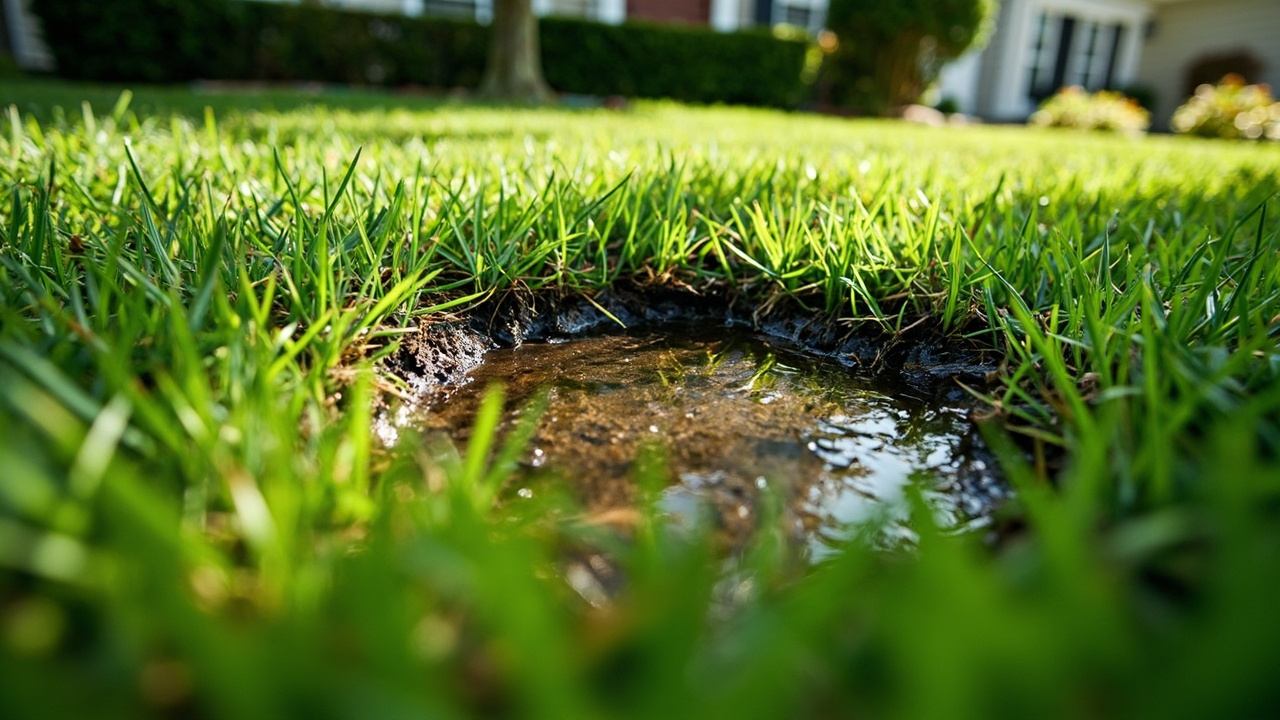
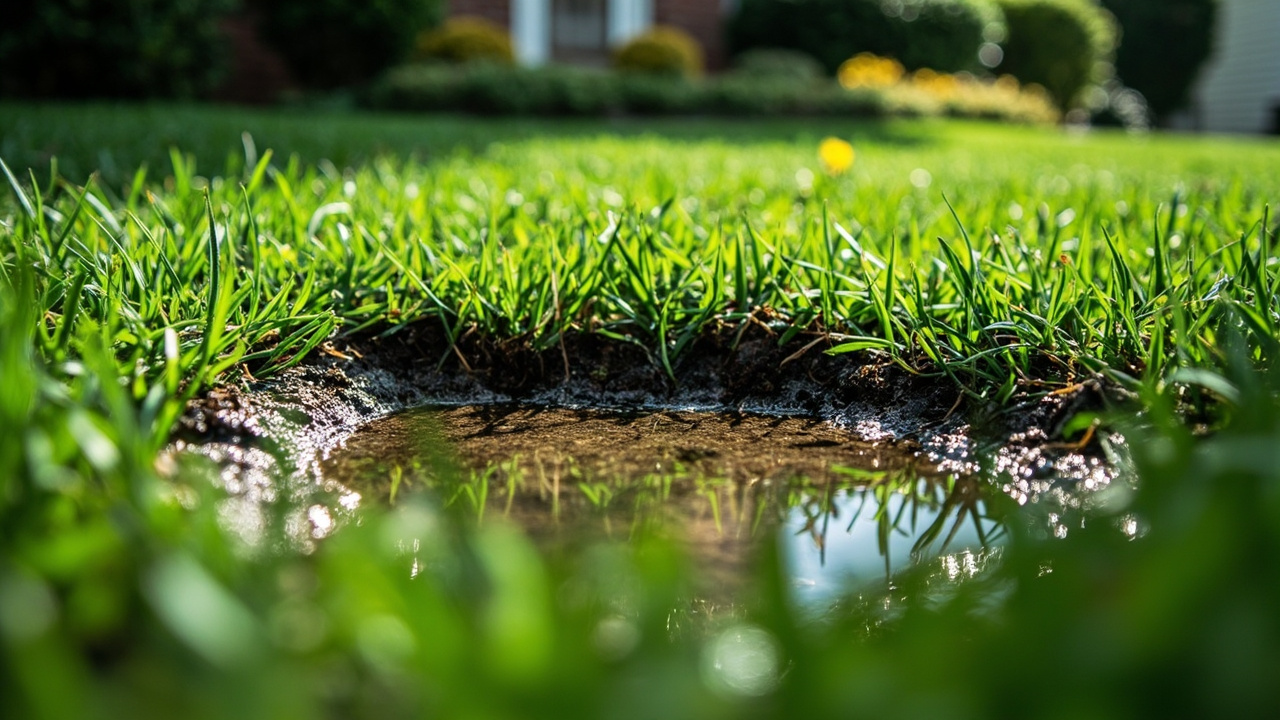
You walk outside and notice soggy patches in your lawn that never seem to dry. Even during Columbus's drier months, these damp spots in the lawn stay saturated while the rest of your grass looks normal. This isn't a drainage problem. You're looking at a subsurface water leak.

Columbus sits on clay-heavy soil that doesn't drain well. When a water line or sewer pipe cracks underground, the clay traps that water near the surface. The result is pooling water in your yard that creates soft, muddy patches even when it hasn't rained in days. You might also notice your water bill creeping up without explanation, or hear water running when no fixtures are on inside your home.

Unexplained standing water in your yard signals one of three issues. A pressurized water line has developed a pinhole leak or full rupture. Your sewer lateral is cracked and leaking effluent into the soil. Or an irrigation line has failed. All three waste water, damage your foundation, and create sinkholes if left unchecked.

The clay soil common throughout Columbus compounds the problem. Clay expands when wet and contracts when dry, which shifts underground pipes and causes joint separations. Older homes in neighborhoods like German Village or Clintonville often have cast iron or clay sewer lines installed decades ago. These materials corrode and crack over time. When they fail, you get saturated areas in grass that won't go away until the pipe is repaired or replaced.

If you see wet spots that persist for more than 48 hours after rain, you need a leak detection inspection. The longer you wait, the more water you waste and the greater the risk of structural damage to your home's foundation.

Why Wet Spots Keep Appearing in Columbus Yards
How We Locate and Repair Underground Leaks

How We Locate and Repair Underground Leaks

Finding the exact source of a subsurface leak requires more than guesswork. We use electronic leak detection equipment that listens for the acoustic signature of water escaping a pressurized pipe. For water lines, we attach a transducer to an outdoor hose bib or meter and amplify the sound of the leak. This pinpoints the failure within inches, even if the pipe is buried three feet deep.

For sewer line leaks, we run a video inspection camera through your cleanout. The camera travels the entire length of the pipe and transmits real-time footage to a monitor. We can see cracks, root intrusion, bellied sections, and joint separations. The camera head has a locator beacon that we trace from the surface, marking the exact spot where the damage exists.

Once we locate the leak, we assess whether the pipe can be repaired or needs replacement. Small cracks in copper or PVC water lines can sometimes be fixed with a targeted excavation and coupling repair. Sewer lines with isolated damage may qualify for trenchless pipe lining, where we insert an epoxy-saturated liner that hardens inside the old pipe and seals cracks without digging up your yard.

When the damage is extensive or the pipe material is obsolete, we excavate and replace the failed section. We dig only where necessary, remove the damaged pipe, and install new PVC or PEX water line or Schedule 40 PVC sewer pipe. We backfill with proper bedding material, compact the soil, and restore your lawn.

First Choice Plumbing Columbus handles the entire process from detection to final repair. We don't subcontract the excavation or leave you with a torn-up yard. We complete the work, test the repair under pressure, and confirm the wet spots are gone before we leave your property.

What Happens During a Leak Detection and Repair Visit

Wet Spots in Yard in Columbus – Expert Diagnosis and Permanent Repair for Hidden Plumbing Leaks
01

Initial Site Assessment

We walk your property and examine the wet spots in your yard. We measure the affected area, check for signs of settling or sinkholes, and look for visible clues like water meter activity when all fixtures are off. We also review your recent water bills to identify abnormal usage spikes. This assessment tells us whether we're dealing with a water line leak, sewer issue, or irrigation failure before we deploy detection equipment.
02

Electronic Leak Detection

For water line leaks, we use acoustic listening devices to trace the sound of escaping water through the soil. For sewer leaks, we insert a video inspection camera through your cleanout and record the pipe's interior condition. Both methods give us the exact location and severity of the leak. We mark the spot with spray paint or flags so you can see exactly where the problem is before any digging begins.
03

Repair and Restoration

We excavate only the damaged section, remove the failed pipe, and install the replacement material. We test the repair under full operating pressure to confirm the leak is eliminated. After backfilling and compacting the soil, we restore your lawn with topsoil and seed or sod. Within days, the wet spots disappear and your yard begins to dry out. We verify the repair holds before closing the project.

Why Columbus Property Owners Choose First Choice Plumbing Columbus for Leak Detection

You need a plumber who understands how Columbus's soil composition and aging infrastructure affect underground plumbing. Clay soil doesn't forgive sloppy excavation. If the trench isn't properly bedded and compacted, the new pipe will shift and fail again within a year. We use engineered bedding material and compact in lifts to prevent future settling.

Columbus's older neighborhoods have a mix of pipe materials. Some homes still have galvanized steel water lines installed in the 1940s. Others have Orangeburg sewer pipes that collapse after 50 years. We've worked on properties throughout German Village, Victorian Village, and Clintonville where original cast iron and clay pipes are still in service. We know what to expect when we open the ground, and we come prepared with the right replacement materials.

We also understand local permit requirements. If your repair involves a sewer lateral that connects to the city main, we pull the necessary permits and coordinate inspections with the Columbus Department of Public Utilities. We handle the paperwork so you don't have to navigate the process yourself.

First Choice Plumbing Columbus doesn't outsource leak detection or excavation. The same team that locates the leak performs the repair. This eliminates coordination delays and ensures accountability. If we tell you the leak is fixed, we've tested it ourselves and stand behind the work.

We also respect your property. We use tarps to protect your lawn during excavation, haul away all debris, and leave your yard as clean as we found it. If we need to dig through landscaping or hardscaping, we document the area before we start and restore it to match the surrounding finish.

When you see wet spots in your yard that won't go away, you need answers fast. We respond quickly, diagnose accurately, and repair the problem correctly the first time.

What to Expect When You Call for Wet Spot Leak Detection

Fast Response Times

We schedule leak detection appointments within 24 to 48 hours of your call. If you're experiencing a water line break that's flooding your yard or driving up your water bill, we prioritize your service request and get a technician to your property as quickly as possible. We understand that every day you wait, you're wasting water and risking additional property damage. Most leak detection visits take two to four hours, depending on the size of your property and the complexity of the plumbing layout.

Transparent Diagnosis Process

Before we start any work, we explain what equipment we'll use and what we're looking for. If we find a leak, we show you the camera footage or explain the acoustic signature we detected. We give you a written estimate that breaks down the cost of excavation, pipe replacement, backfill, and restoration. We don't proceed with repairs until you approve the scope and price. You'll know exactly what the problem is and what it will take to fix it before any digging begins.

Permanent Leak Repair

We don't patch leaks with temporary fixes. When we replace a section of pipe, we use materials that meet or exceed current plumbing code standards. Water lines are replaced with PEX or copper. Sewer lines are replaced with Schedule 40 PVC. All joints are properly fused, soldered, or glued according to manufacturer specifications. We pressure test water line repairs and run water through sewer repairs to confirm proper flow and watertight integrity. Your wet spots will disappear and stay gone.

Post-Repair Monitoring

After we complete the repair, we recommend monitoring the area for a few weeks to confirm the ground is drying out and no new wet spots appear. We provide you with our direct contact information and encourage you to reach out if you notice any changes. If the repair involved a sewer line, we can schedule a follow-up camera inspection in six months to verify the new pipe is functioning correctly. Our goal is to make sure the problem is solved permanently, not just temporarily covered up.

Frequently Asked Questions

You Have Questions,
We Have Answers

What causes wet spots in the yard? +

Wet spots in your yard stem from several issues. Poor grading causes water to pool in low areas instead of draining away. Columbus clay soil compacts easily, preventing water absorption. Underground leaks from water lines or sewer pipes create persistent moisture. Broken or clogged downspouts dump roof water in concentrated areas. French drains that fail or settle stop moving water. Tree root damage can crack pipes underground. High water tables in some Columbus neighborhoods rise after heavy rain. Blocked yard drains prevent surface water from escaping. You need to identify the source before fixing the problem.

How to fix a muddy spot in yard? +

Start by aerating the muddy area to break up compacted soil. Mix in coarse sand and compost to improve drainage in Columbus clay. Add a four-inch layer of topsoil graded away from structures. Install a dry well or catch basin if water collects from downspouts or runoff. For persistent issues, dig a French drain trench filled with gravel and perforated pipe. Redirect water to street drains or lower yard areas. Seed with grass suited for moist conditions. If a broken pipe causes the mud, repair the leak first or the problem returns.

How to fix water runoff in yard? +

Control water runoff by regrading your yard to slope away from your foundation at one inch per foot. Install a swale, a shallow ditch lined with river rock that channels water to storm drains. Add rain gardens in low spots using native plants that tolerate wet soil. Extend downspouts 10 feet from your house with buried drain lines. Build a berm or raised bed to redirect flow. For heavy runoff in Columbus storms, combine surface solutions with underground drainage. You may need a dry well or connection to the street drain if your lot cannot handle the volume.

What does an overwatered yard look like? +

An overwatered yard shows spongy, soft turf that feels mushy underfoot. Grass blades turn yellow or pale green from nutrient leaching. You see standing water or puddles hours after watering. Fungal diseases like brown patch thrive in constant moisture, creating circular dead spots. Weeds like crabgrass and sedge take over because they tolerate wet conditions better than turf. Thatch buildup increases. In Columbus humidity, overwatering invites pests and disease. Check your sprinkler timer. Most lawns need one inch of water weekly, including rainfall. Clay soil holds moisture longer than sandy soil.

How to fix wet spots in lawn? +

Fix wet spots by improving soil structure and drainage paths. Aerate compacted areas twice yearly to let water penetrate Columbus clay. Topdress with sand and compost. Regrade the area so water flows away from structures. Install a French drain if the spot stays wet after rain. Redirect gutter downspouts away from the problem zone. For isolated wet areas, dig a dry well filled with gravel to collect runoff. Reseed with fescue varieties that handle moisture better. If a pipe leak causes the wetness, repair the plumbing before addressing the lawn.

Does dew on the grass mean no rain? +

Dew on grass does not predict rain. Dew forms overnight when temperatures drop and moisture in the air condenses on cool surfaces. Clear, calm nights with high humidity create heavy dew. Rain requires atmospheric conditions like low pressure systems and lifting mechanisms. Columbus weather patterns bring rain from frontal systems, not dew. You can have heavy dew on a clear morning followed by afternoon storms, or no dew before a rainy day. Dew just means the air held moisture that condensed. Check radar and forecasts for rain prediction.

How to dry up a wet yard fast without drainage? +

Dry a wet yard without drainage by spreading a two-inch layer of coarse sand or pea gravel over the surface. Rent an aerator to punch holes that let water move deeper into Columbus clay. Spread straw to absorb surface moisture and protect soil. Avoid traffic on wet areas to prevent further compaction. Create temporary channels with a rake to move standing water toward street drains. Add gypsum to clay soil to improve structure. These are short-term fixes. For recurring wetness, you need proper grading, soil amendments, or underground drainage.

Is straw or hay better for a muddy yard? +

Use straw for muddy yards. Straw comes from grain stalks after harvest and contains few seeds. It absorbs moisture, protects soil from compaction, and breaks down into organic matter. Hay is cut grass or alfalfa full of seeds that sprout into weeds. Hay creates more problems than it solves. Spread straw two to three inches thick over mud. It provides traction and dries the surface. After the area dries, rake the straw away or till it into Columbus clay soil to improve structure. Wheat or oat straw works best.

How to fix a lawn with poor drainage? +

Fix poor lawn drainage by aerating compacted soil and mixing in organic matter. Regrade the yard so water flows away from your foundation at a two percent slope. Install a French drain system using perforated pipe in a gravel-filled trench that leads to a dry well or storm drain. Add catch basins in low spots. Break up hardpan clay layers common in Columbus by deep tilling or hiring a contractor. Build a rain garden in problem areas using plants that tolerate wet soil. For severe drainage issues, a professional assessment prevents wasted effort.

What to put on the ground to absorb water? +

Put coarse sand, pea gravel, or crushed limestone on the ground to absorb water. These materials create air pockets that hold moisture and improve drainage in Columbus clay soil. Spread a two-inch layer over wet areas. Soil amendments like gypsum break up clay and improve permeability. Organic matter such as compost or aged wood chips absorbs water while improving soil structure. For temporary fixes, use straw or sawdust. For permanent solutions, till amendments into the top six inches of soil. Avoid fine sand, which worsens clay drainage.

How Columbus's Clay Soil and Aging Infrastructure Cause Yard Leaks

Columbus sits on heavy clay soil that expands when saturated and shrinks during dry periods. This constant movement stresses underground pipes, especially at joints and fittings. Older neighborhoods built before 1970 often have cast iron water lines and clay sewer laterals that crack under this soil pressure. When these pipes fail, water escapes into the surrounding clay, which holds moisture and creates persistent wet spots in your yard. The clay prevents natural drainage, so the soggy patches remain visible even weeks after the initial leak starts.

First Choice Plumbing Columbus has worked on homes throughout Columbus for years. We know which neighborhoods have aging infrastructure and which pipe materials are most likely to fail. We also understand local code requirements for sewer lateral repairs and water service line replacements. When you hire a plumber familiar with Columbus's soil conditions and plumbing history, you get faster diagnosis and repairs that account for the unique challenges of this area. Local expertise matters when you're dealing with underground leaks that can compromise your foundation and waste thousands of gallons of water.
Plumbing Services in The Columbus Area

We are proud to serve the entire Columbus area and its surrounding communities. Our team is strategically located to respond quickly to your plumbing needs, whether you're in the city center or a nearby suburb. We invite you to view our service area on the map to see if you are within our coverage. No matter where you are, we’re ready to bring our expertise directly to your doorstep.

Address:
First Choice Plumbing Columbus, 4770 Indianola Ave, Columbus, OH, 43214

Additional Services We Offer

Our news updates

Latest Articles & News from The Blogs

Identifying the Strange Clicking Noises Coming from Your Mount Vernon Plumbing Pipes Those mysterious clicking or tapping sounds coming from…

Identifying the Strange Clicking Noises Coming from Your Mount Vernon Plumbing Pipes

Identifying the Strange Clicking Noises Coming from Your Mount Vernon Plumbing Pipes Those mysterious clicking or tapping sounds coming from…

Why a Standard Sump Pump Might Not Be Enough for Your Northern Woods Basement

Why a Standard Sump Pump Might Not Be Enough for Your Northern Woods Basement Living in Northern Woods means dealing…

Adding a Modern Dog Wash Station to Your Columbus Mudroom or Garage (What You Need to Know)

Why Columbus Pet Owners Are Adding Dog Wash Stations to Their Homes Adding a modern dog wash station to your…

Contact Us

Don't let wet spots in your yard turn into foundation damage or sky-high water bills. Call First Choice Plumbing Columbus at (614) 707-7373 to schedule a leak detection inspection. We'll locate the source, explain your options, and provide a written estimate before any work begins.