Connecting Your Smart Irrigation System to Your Westgate Home Plumbing Safely
Connecting a smart irrigation system to your Westgate home plumbing requires more than just plugging in a WiFi controller. The physical plumbing connection involves tapping into your main water line, installing backflow prevention devices, and ensuring proper pressure regulation. In Columbus, these connections must meet specific Ohio Plumbing Code requirements to protect your drinking water from contamination. Ohio Administrative Code 3701-28.
Westgate homeowners face unique challenges with clay soil expansion and seasonal freeze-thaw cycles that affect underground piping. The connection point between your home’s main water line and the irrigation system needs special attention to prevent leaks, water hammer, and cross-connection contamination. Professional installation ensures your smart sprinkler system operates efficiently while keeping your family’s water supply safe. Your Best Options for Fast Water Heater Replacement in Dublin.
Smart controllers like Rachio and Orbit B-hyve offer convenience, but they’re only as reliable as the plumbing infrastructure supporting them. Understanding the physical connection requirements helps you make informed decisions about installation and maintenance. This guide covers everything from backflow preventer selection to winterization procedures specific to Central Ohio’s climate.
The Anatomy of a Smart Irrigation Tap-In
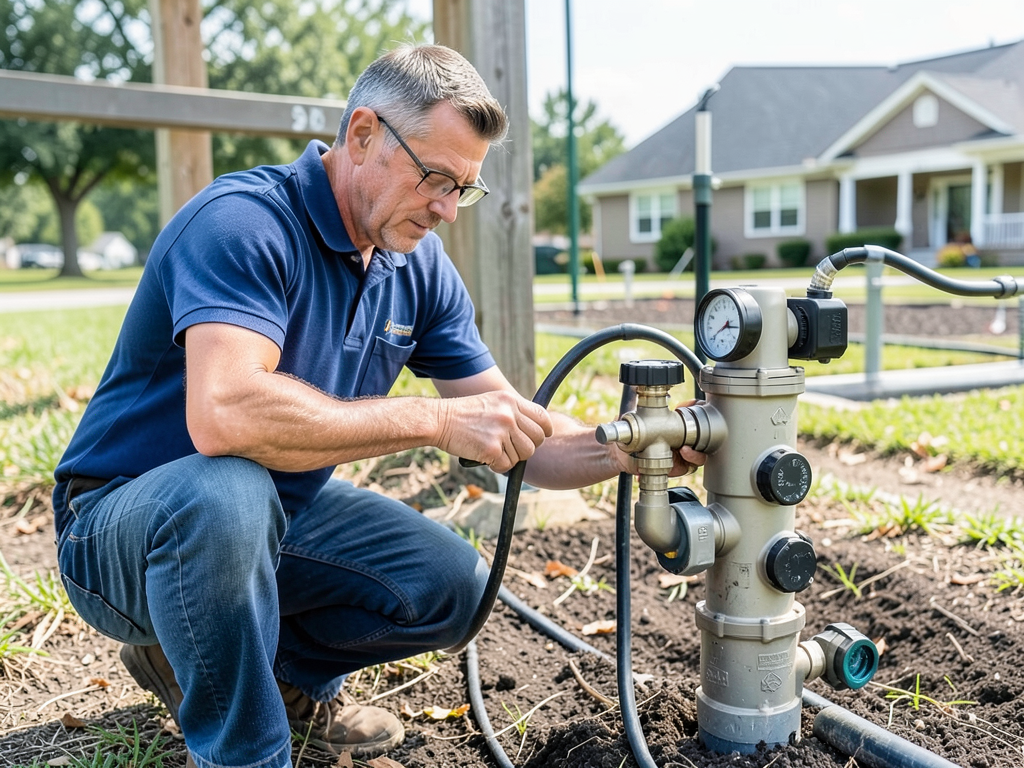
The connection between your home’s main water line and your irrigation system requires specific components to function safely. Most Westgate homes have copper or PEX main lines that need proper transition fittings when connecting irrigation piping. The tap-in point typically occurs after the main shut-off valve but before any other branches to maintain consistent water pressure. Water Heater Maintenance Tips.
Water pressure in Columbus neighborhoods averages 45-65 PSI, which exceeds the 40 PSI maximum recommended for most irrigation systems. A pressure-reducing valve becomes essential at the connection point to prevent damage to sprinkler heads and solenoid valves. The valve should include a pressure gauge for monitoring and adjustment. Water Stains on Ceiling or Walls.
Copper piping remains the preferred material for outdoor irrigation leads due to its durability and resistance to UV degradation. PEX can work for underground runs but requires proper insulation and protection from soil movement. The connection should include a master shut-off valve dedicated to the irrigation system, allowing independent control without affecting household water supply.. Read more about How to Correctly Read Your Water Meter in Brookshire to Find a Hidden Pipe Leak.
Backflow Prevention: Ohio Plumbing Code Requirements

Backflow prevention devices protect your drinking water from contamination when connecting irrigation systems to home plumbing. Ohio Administrative Code 3701-28 requires testable backflow preventers on all irrigation connections where chemicals or contaminants might enter the water supply. The City of Columbus Division of Water mandates specific device types based on hazard level.
Pressure Vacuum Breakers (PVB) work for low-hazard applications and must be installed at least 12 inches above the highest sprinkler head. These devices prevent back-siphonage but not back-pressure. Reduced Pressure Zone (RPZ) valves handle high-hazard situations and provide protection against both back-siphonage and back-pressure. RPZ valves require annual testing by certified backflow testers.
ASSE 1013 and ASSE 1015 are the performance standards for these devices. PVB devices must be installed at least 6 inches above ground level and protected from freezing. RPZ valves can be installed below ground in a vault but require proper drainage to prevent water damage. Testing records must be maintained for city inspection.. Read more about How a French Drain Can Finally Stop the Backyard Flooding in Your Northtowne Yard.
Step-by-Step: Connecting Your Smart Controller to the Water Source
The physical connection process requires careful planning and execution. Begin by locating your main water line and identifying the best tap-in point. This typically occurs in your basement or crawl space where the main line enters the home. Turn off the main water supply before making any cuts.
Install a tee fitting using proper soldering techniques for copper or appropriate crimp rings for PEX. The tee should include a threaded outlet for the irrigation connection. Install a shut-off valve immediately after the tee to allow system isolation. From there, run piping to the exterior through a properly sealed wall penetration.
Exterior piping should be buried below the frost line, which in Franklin County averages 30-36 inches deep. Use insulated PEX or schedule 40 PVC for underground runs. Install a drain valve at the lowest point to facilitate winterization. The connection to the smart controller requires a flow sensor port and wiring conduit for the control signals.
Integrating Smart Tech (Rachio, Rain Bird, Orbit)
Smart controllers communicate with irrigation components through low-voltage wiring and flow sensors. The master valve, controlled by the smart controller, regulates water flow to the entire system. This valve should include a flow sensor that detects abnormal water usage patterns, potentially indicating leaks in the main line.
Rachio controllers integrate with flow meters to provide real-time water usage data and leak detection. The system can automatically shut off the master valve if it detects continuous flow beyond normal irrigation parameters. Orbit B-hyve controllers offer similar functionality with weather-based scheduling that adjusts for local conditions in Westgate.
Proper wiring requires 18-24 gauge direct burial cable for control signals and 120V power for the controller. Install a waterproof junction box at the controller location. The flow sensor wiring should be shielded to prevent interference. All connections should be made in weatherproof enclosures to protect against moisture and temperature extremes.
Winterizing Your Connection in Central Ohio
Ohio’s freeze-thaw cycles demand specific winterization procedures for irrigation connections. Install a blowout port with a quick-connect fitting for compressed air winterization. This port should be located at the highest point of the system to ensure complete drainage. Use brass fittings rather than plastic to prevent cracking from freeze expansion.
The frost line in Westgate areas requires pipes to be buried at least 36 inches deep. However, the connection point near the house remains vulnerable to freezing. Install heat tape or insulation on pipes within 24 inches of the foundation. Consider a self-draining system design that eliminates standing water in pipes.
Winterization should occur by mid-November before sustained freezing temperatures arrive. Use a professional-grade air compressor (minimum 80 PSI) to blow out all water from the system. Open all manual drain valves and leave them open until spring startup. Document the winterization process for warranty compliance and future reference. Professional Main Line Cleaning Services for Busy Gahanna Households.
Comparing Professional vs. DIY Installation
| Installation Aspect | Professional Installation | DIY Installation |
|---|---|---|
| Backflow Preventer Selection | Correct device based on hazard assessment | Often undersized or incorrect type |
| Code Compliance | Meets all Columbus and Ohio requirements | May violate local plumbing codes |
| Warranty Coverage | Full manufacturer and workmanship warranty | Limited or void manufacturer warranty |
| Water Pressure Management | Proper pressure regulation and testing | Risk of overpressure damage |
| Winterization Setup | Professional blowout port installation | Often missing or improperly installed |
Common Connection Problems and Solutions
Water hammer occurs when valves close rapidly, creating pressure surges that can damage pipes and connections. Install water hammer arrestors near the connection point to absorb these shock waves. The arrestors should be sized based on your system’s flow rate and pipe diameter.
Cross-connection contamination happens when backflow preventers fail or are improperly installed. Test your backflow device annually using a certified tester. The test involves checking relief valve operation and measuring pressure differentials across the device. Keep test records for city compliance inspections.
Freeze damage often results from inadequate insulation or improper winterization. Use foam pipe insulation with a minimum R-4 rating on all above-ground piping. Install heat tape on pipes within 36 inches of the foundation. Never use automotive antifreeze in irrigation systems as it can contaminate groundwater.
Smart System Integration Best Practices
Flow sensors provide early leak detection by monitoring water usage patterns. Install the sensor on the main irrigation line before any zone valves. The sensor should have a minimum accuracy of ±3% at your system’s operating pressure. Connect the sensor to your smart controller’s flow input for real-time monitoring.
Weather-based controllers use local weather data to adjust watering schedules. In Westgate, this means accounting for the area’s clay soil that retains moisture longer than sandy soils. The controller should have a soil type setting and be programmed for the specific plant types in each zone.
Master valve installation provides system protection by preventing pressure buildup when the controller is off. The valve should be installed on the main line before any zone valves. Use a commercial-grade valve with a flow control adjustment to fine-tune system pressure.
Maintenance Schedule for Safe Operation
Spring startup requires checking all connections for winter damage, testing backflow preventers, and verifying controller programming. Inspect valve boxes for rodent damage and clear any debris from drain ports. Test each zone individually to check for leaks or broken sprinkler heads.
Mid-season maintenance includes cleaning filters, adjusting sprinkler heads for plant growth, and checking for system leaks. Monitor your water bill for unusual usage that might indicate underground leaks. Test the backflow preventer’s relief valve operation to ensure it’s functioning correctly.
Fall winterization preparation should begin when nighttime temperatures consistently drop below 40°F. Schedule professional winterization services to ensure proper blowout procedures. Document all maintenance activities for warranty compliance and future troubleshooting. EPA Cross-Connection Control Guidelines.
Local Code Compliance and Permits
The City of Columbus requires permits for irrigation system installations that connect to the municipal water supply. The permit process includes submitting backflow prevention device specifications and testing procedures. Franklin County Health Department oversees cross-connection control programs to protect public water supplies.
Ohio Plumbing Code Section 608 covers irrigation system connections and requires testable backflow preventers on all connections. The code specifies installation depths, valve types, and testing requirements. Local amendments may impose additional requirements based on specific neighborhood conditions.
Permit fees in Columbus typically range from $50-$150 depending on system size. The permit process includes inspections at rough-in and final stages. Work with licensed plumbers familiar with local requirements to ensure smooth permitting and inspection processes.
Cost Factors for Professional Installation
Installation costs vary based on system complexity, material selection, and local requirements. Basic connections with standard backflow preventers typically cost $800-$1,500. Complex systems requiring RPZ valves or multiple zones can exceed $3,000. Material costs account for 40-60% of total installation expenses.
Copper piping costs approximately $8-$12 per linear foot installed, while PEX runs $3-$6 per foot. Backflow preventers range from $150 for basic PVB units to $600+ for commercial-grade RPZ valves. Permit fees, testing costs, and winterization setup add $200-$500 to the total project cost.
Professional installation provides long-term value through proper code compliance, warranty protection, and reliable operation. DIY installations often result in costly repairs when problems arise from improper installation or code violations.
Frequently Asked Questions
Do I need a permit to install a smart irrigation system in Westgate?
Yes, the City of Columbus requires permits for irrigation systems connected to the municipal water supply. The permit process ensures proper backflow prevention and code compliance. Permit fees typically range from $50-$150 depending on system size.
What type of backflow preventer do I need for my smart sprinkler system?
The required backflow preventer depends on your specific hazard level. Most residential systems use Pressure Vacuum Breakers (PVB) for low hazard. High hazard applications require Reduced Pressure Zone (RPZ) valves. A professional assessment determines the correct device for your situation.
How deep should irrigation pipes be buried in Westgate?
Irrigation pipes should be buried below the frost line, which averages 30-36 inches deep in Franklin County. Pipes within 24 inches of the foundation need additional insulation or heat tape protection. Use schedule 40 PVC or insulated PEX for underground runs.
Can I install a smart irrigation system myself?
While DIY installation is possible, professional installation ensures code compliance, proper backflow prevention, and reliable operation. Professional installation includes permit handling, proper device selection, and warranty protection. DIY installations often result in costly repairs from improper installation.
How often should my backflow preventer be tested?
Ohio Administrative Code requires annual testing of testable backflow preventers by certified testers. The City of Columbus may also require periodic testing for permit compliance. Testing records must be maintained and available for inspection.
What happens if my backflow preventer fails?
Backflow preventer failure can allow contaminated water to enter your drinking water supply. Signs of failure include water leaking from the relief valve, reduced water pressure, or contamination in household water. Annual testing detects problems before they cause contamination.
How do I winterize my smart irrigation connection?
Winterization requires blowing out all water from the system using compressed air, draining low points, and protecting exposed pipes from freezing. Professional winterization services ensure complete water removal and proper system protection. DIY winterization often misses trapped water that can cause freeze damage.
What’s the difference between PVB and RPZ backflow preventers?
PVB devices prevent back-siphonage only and must be installed above ground. RPZ valves prevent both back-siphonage and back-pressure and can be installed below ground. RPZ valves provide higher protection but cost more and require annual testing. Hazard assessment determines which device is appropriate.
How do smart controllers detect leaks in the main line?
Smart controllers use flow sensors to monitor water usage patterns. Continuous flow when the system is off indicates a leak. The controller can automatically shut off the master valve when abnormal flow is detected. Some systems send alerts to your smartphone when leaks are detected.
What water pressure is ideal for smart irrigation systems?
Most irrigation systems operate best at 40-60 PSI. Columbus water pressure averages 45-65 PSI, often requiring pressure-reducing valves. High pressure can damage sprinkler heads and cause misting, while low pressure results in poor coverage. Pressure regulation is essential for system longevity.
How long does professional installation take?
Professional installation typically requires 1-2 days depending on system complexity. Simple connections may be completed in a single day, while complex systems with multiple zones require additional time. Permit processing can add 1-2 weeks to the total project timeline.
What maintenance does my smart irrigation connection need?
Annual maintenance includes backflow preventer testing, system inspection, controller programming updates, and winterization preparation. Mid-season checks should verify system operation and check for leaks. Professional maintenance ensures optimal performance and early problem detection.
Can smart irrigation systems help conserve water?
Yes, smart controllers use weather data and soil moisture sensors to optimize watering schedules. This can reduce water usage by 20-40% compared to traditional timers. Flow sensors also detect leaks that waste water. Many systems provide water usage reports to track conservation efforts.
What should I do if I notice water around my backflow preventer?
Water around the backflow preventer often indicates a failed relief valve or freeze damage. Turn off the water supply immediately and contact a professional. Do not attempt repairs yourself as contamination risks exist. Annual testing helps prevent unexpected failures.
How do I choose between copper and PEX for my irrigation connection?
Copper offers superior durability and UV resistance for outdoor use but costs more. PEX is more flexible and easier to install but requires protection from sunlight and soil movement. Professional assessment considers your specific conditions, budget, and long-term reliability requirements.
Call (614) 707-7373 today to schedule your professional smart irrigation connection installation. Our licensed plumbers ensure code compliance, proper backflow prevention, and reliable operation for your Westgate home. Don’t risk contamination or system failure with DIY installation.
Pick up the phone and call (614) 707-7373 before the next storm hits. We provide 24/7 emergency service for irrigation system problems and can install your smart sprinkler connection correctly the first time. Protect your home’s water supply with professional installation. Finding an Emergency Plumber in Columbus Who Can Actually Show Up Today.
{
“@context”: “https://schema.org”,
“@type”: “BlogPosting”,
“headline”: “Connecting Your Smart Irrigation System to Your Westgate Home Plumbing Safely”,
“description”: “Learn how to safely connect smart sprinklers to Westgate home plumbing while meeting Columbus backflow codes. Expert installation guide from First Choice Plumbing.”,
“wordCount”: 2558,
“datePublished”: “2026-05-14T13:03:00.000Z”,
“dateModified”: “2026-05-14T13:03:00.000Z”,
“inLanguage”: “en-US”,
“mainEntityOfPage”: {
“@type”: “WebPage”,
“@id”: “https://firstchoiceplumbingcolumbus.com”
},
“publisher”: {
“@type”: “LocalBusiness”,
“name”: “First Choice Plumbing Columbus”,
“url”: “https://firstchoiceplumbingcolumbus.com”
},
“author”: {
“@type”: “Organization”,
“name”: “First Choice Plumbing Columbus”,
“url”: “https://firstchoiceplumbingcolumbus.com”
},
“image”: {
“@type”: “ImageObject”,
“url”: “https://firstchoiceplumbingcolumbus.com/wp-content/uploads/2026/03/connecting-your-smart-irrigation-system-to-your-we-1.png”
}
}
{
“@context”: “https://schema.org”,
“@type”: “Plumber”,
“name”: “First Choice Plumbing Columbus”,
“url”: “https://firstchoiceplumbingcolumbus.com”,
“address”: {
“@type”: “PostalAddress”,
“addressLocality”: “Columbus”
},
“areaServed”: {
“@type”: “City”,
“name”: “Columbus”
}
}
{
“@context”: “https://schema.org”,
“@type”: “FAQPage”,
“mainEntity”: [
{
“@type”: “Question”,
“name”: “Do I need a permit to install a smart irrigation system in Westgate?”,
“acceptedAnswer”: {
“@type”: “Answer”,
“text”: “Yes, the City of Columbus requires permits for irrigation systems connected to the municipal water supply. The permit process ensures proper backflow prevention and code compliance. Permit fees typically range from $50-$150 depending on system size.”
}
},
{
“@type”: “Question”,
“name”: “What type of backflow preventer do I need for my smart sprinkler system?”,
“acceptedAnswer”: {
“@type”: “Answer”,
“text”: “The required backflow preventer depends on your specific hazard level. Most residential systems use Pressure Vacuum Breakers (PVB) for low hazard. High hazard applications require Reduced Pressure Zone (RPZ) valves. A professional assessment determines the correct device for your situation.”
}
},
{
“@type”: “Question”,
“name”: “How deep should irrigation pipes be buried in Westgate?”,
“acceptedAnswer”: {
“@type”: “Answer”,
“text”: “Irrigation pipes should be buried below the frost line, which averages 30-36 inches deep in Franklin County. Pipes within 24 inches of the foundation need additional insulation or heat tape protection. Use schedule 40 PVC or insulated PEX for underground runs.”
}
},
{
“@type”: “Question”,
“name”: “Can I install a smart irrigation system myself?”,
“acceptedAnswer”: {
“@type”: “Answer”,
“text”: “While DIY installation is possible, professional installation ensures code compliance, proper backflow prevention, and reliable operation. Professional installation includes permit handling, proper device selection, and warranty protection. DIY installations often result in costly repairs from improper installation.”
}
},
{
“@type”: “Question”,
“name”: “How often should my backflow preventer be tested?”,
“acceptedAnswer”: {
“@type”: “Answer”,
“text”: “Ohio Administrative Code requires annual testing of testable backflow preventers by certified testers. The City of Columbus may also require periodic testing for permit compliance. Testing records must be maintained and available for inspection.”
}
},
{
“@type”: “Question”,
“name”: “What happens if my backflow preventer fails?”,
“acceptedAnswer”: {
“@type”: “Answer”,
“text”: “Backflow preventer failure can allow contaminated water to enter your drinking water supply. Signs of failure include water leaking from the relief valve, reduced water pressure, or contamination in household water. Annual testing detects problems before they cause contamination.”
}
},
{
“@type”: “Question”,
“name”: “How do I winterize my smart irrigation connection?”,
“acceptedAnswer”: {
“@type”: “Answer”,
“text”: “Winterization requires blowing out all water from the system using compressed air, draining low points, and protecting exposed pipes from freezing. Professional winterization services ensure complete water removal and proper system protection. DIY winterization often misses trapped water that can cause freeze damage.”
}
},
{
“@type”: “Question”,
“name”: “What’s the difference between PVB and RPZ backflow preventers?”,
“acceptedAnswer”: {
“@type”: “Answer”,
“text”: “PVB devices prevent back-siphonage only and must be installed above ground. RPZ valves prevent both back-siphonage and back-pressure and can be installed below ground. RPZ valves provide higher protection but cost more and require annual testing. Hazard assessment determines which device is appropriate.”
}
},
{
“@type”: “Question”,
“name”: “How do smart controllers detect leaks in the main line?”,
“acceptedAnswer”: {
“@type”: “Answer”,
“text”: “Smart controllers use flow sensors to monitor water usage patterns. Continuous flow when the system is off indicates a leak. The controller can automatically shut off the master valve when abnormal flow is detected. Some systems send alerts to your smartphone when leaks are detected.”
}
},
{
“@type”: “Question”,
“name”: “What water pressure is ideal for smart irrigation systems?”,
“acceptedAnswer”: {
“@type”: “Answer”,
“text”: “Most irrigation systems operate best at 40-60 PSI. Columbus water pressure averages 45-65 PSI, often requiring pressure-reducing valves. High pressure can damage sprinkler heads and cause misting, while low pressure results in poor coverage. Pressure regulation is essential for system longevity.”
}
},
{
“@type”: “Question”,
“name”: “How long does professional installation take?”,
“acceptedAnswer”: {
“@type”: “Answer”,
“text”: “Professional installation typically requires 1-2 days depending on system complexity. Simple connections may be completed in a single day, while complex systems with multiple zones require additional time. Permit processing can add 1-2 weeks to the total project timeline.”
}
},
{
“@type”: “Question”,
“name”: “What maintenance does my smart irrigation connection need?”,
“acceptedAnswer”: {
“@type”: “Answer”,
“text”: “Annual maintenance includes backflow preventer testing, system inspection, controller programming updates, and winterization preparation. Mid-season checks should verify system operation and check for leaks. Professional maintenance ensures optimal performance and early problem detection.”
}
},
{
“@type”: “Question”,
“name”: “Can smart irrigation systems help conserve water?”,
“acceptedAnswer”: {
“@type”: “Answer”,
“text”: “Yes, smart controllers use weather data and soil moisture sensors to optimize watering schedules. This can reduce water usage by 20-40% compared to traditional timers. Flow sensors also detect leaks that waste water. Many systems provide water usage reports to track conservation efforts.”
}
},
{
“@type”: “Question”,
“name”: “What should I do if I notice water around my backflow preventer?”,
“acceptedAnswer”: {
“@type”: “Answer”,
“text”: “Water around the backflow preventer often indicates a failed relief valve or freeze damage. Turn off the water supply immediately and contact a professional. Do not attempt repairs yourself as contamination risks exist. Annual testing helps prevent unexpected failures.”
}
},
{
“@type”: “Question”,
“name”: “How do I choose between copper and PEX for my irrigation connection?”,
“acceptedAnswer”: {
“@type”: “Answer”,
“text”: “Copper offers superior durability and UV resistance for outdoor use but costs more. PEX is more flexible and easier to install but requires protection from sunlight and soil movement. Professional assessment considers your specific conditions, budget, and long-term reliability requirements.”
}
}
]
}
{
“@context”: “https://schema.org”,
“@type”: “BreadcrumbList”,
“itemListElement”: [
{
“@type”: “ListItem”,
“position”: 1,
“name”: “Home”,
“item”: “https://firstchoiceplumbingcolumbus.com”
},
{
“@type”: “ListItem”,
“position”: 2,
“name”: “Blog”,
“item”: “https://firstchoiceplumbingcolumbus.com/blog”
},
{
“@type”: “ListItem”,
“position”: 3,
“name”: “Connecting Your Smart Irrigation System to Your Westgate Home Plumbing Safely”
}
]
}
{
“@context”: “https://schema.org”,
“@type”: “Service”,
“serviceType”: “Plumbing”,
“provider”: {
“@type”: “LocalBusiness”,
“name”: “First Choice Plumbing Columbus”,
“url”: “https://firstchoiceplumbingcolumbus.com”
},
“areaServed”: {
“@type”: “City”,
“name”: “Columbus”
},
“description”: “Learn how to safely connect smart sprinklers to Westgate home plumbing while meeting Columbus backflow codes. Expert installation guide from First Choice Plumbing.”
}