Why a Standard Sump Pump Might Not Be Enough for Your Northern Woods Basement
Living in Northern Woods means dealing with heavy clay soil and unpredictable rainfall that can overwhelm a single sump pump. A standard unit might handle average conditions but fails when water tables rise quickly or power goes out. This article explains why dual-pump systems provide essential protection for Columbus homes and how to choose the right setup for your basement. Your Best Options for Fast Water Heater Replacement in Dublin.
Understanding Northern Woods’ Unique Basement Challenges
The Northern Woods neighborhood sits on dense Central Ohio clay that holds water like a sponge. When storms hit, this soil expands and creates extreme hydrostatic pressure against basement walls. A single pump fighting against this pressure often can’t keep up. Water Heater Maintenance Tips.
Local water tables in Northern Woods typically sit 6-8 feet below grade but can rise to within 3 feet of the surface after heavy rains. This means your sump pit could be working overtime before you even notice a problem. Water Stains on Ceiling or Walls.
Many Northern Woods homes were built between 1970-1990 when building codes allowed smaller sump pits and less powerful pumps. These older systems struggle with today’s heavier rainfall patterns.
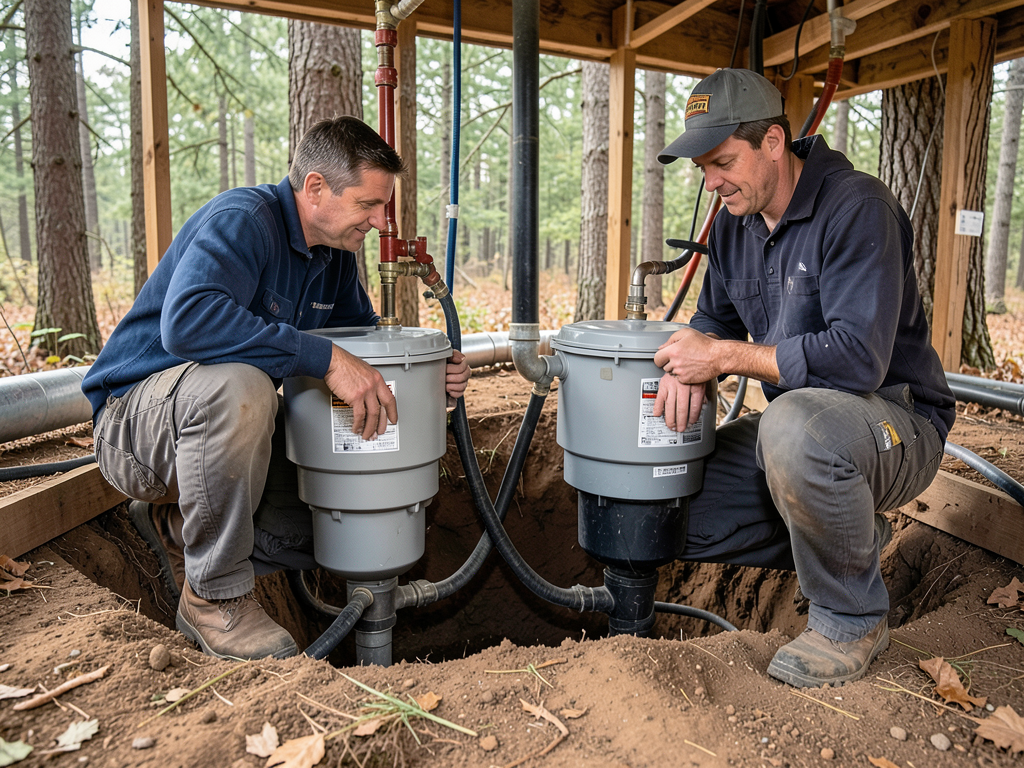
Technician installing a dual-pump system in a Northern Woods basement, showing the primary and secondary pumps side by side in the sump pit.
Primary vs. Secondary vs. Battery Backup: What’s the Real Difference?
A standard sump pump system includes one primary pump that runs on electricity. When this fails, your basement floods. Adding a battery backup helps during power outages but doesn’t increase pumping capacity.
A secondary pump mounted in the same pit as your primary creates a true redundancy system. If the first pump fails mechanically or gets overwhelmed, the second kicks in automatically. This setup handles twice the water volume.
Battery backups typically pump 1,500-2,200 gallons per hour for limited time. A secondary AC-powered pump moves 3,000-4,000 gallons per hour continuously. For Northern Woods’ clay soil conditions, the secondary pump makes the bigger difference.
The key distinction: backup systems prevent flooding during outages. Secondary systems prevent flooding when your primary pump can’t keep up with demand.
The Benefits of a Dual-Sump Pump Configuration
Dual-pump systems provide two critical advantages: redundancy and capacity. Redundancy means if one pump fails, the other continues working. Capacity means both pumps can run simultaneously when water inflow exceeds a single pump’s capability.
During Columbus’s heaviest storms, water can enter a basement at rates exceeding 5,000 gallons per hour. A single standard pump moves about 2,400 gallons per hour. Two pumps together handle the load without flooding.
Mechanical failure rates for sump pumps run about 15% annually in heavy-use situations. Having a second pump cuts your failure risk to under 3%.
Dual systems also extend pump life. Each unit runs less frequently, reducing wear. The alternating operation pattern prevents either pump from sitting idle for years then failing when needed most.
When to Install a Second Pit vs. Adding a Second Pump
Most Northern Woods basements can accommodate a second pump in the existing pit if the basin is at least 18 inches in diameter. Smaller pits require a separate basin and discharge line. EPA Flood Awareness Resources.
A second pit makes sense when your primary pit sits in a low spot where water naturally collects. The secondary pit catches water from other areas of the basement floor.
Installation costs run $800-1,200 for adding a second pump to an existing pit. A second pit system costs $1,500-2,500 due to additional excavation and plumbing.
Space constraints often dictate the choice. Northern Woods basements typically have 7-8 foot ceilings with mechanicals crowded into utility areas. A second pit requires floor space most homeowners can’t spare.
Columbus Case Study: Managing High Water Tables in Central Ohio
A recent project on Maple Ridge Drive in Northern Woods demonstrates why dual systems matter. The home sits near a natural swale where groundwater naturally collects. During a July 2024 storm, the single pump ran continuously for 48 hours.
The homeowner installed a secondary pump after noticing the primary struggled during previous storms. The system activated automatically when water levels rose beyond the primary’s capacity. Both pumps ran for six hours during the peak of the storm.
Without the secondary pump, the basement would have flooded. The dual system moved approximately 28,000 gallons during the event without failure.
This case illustrates a pattern we see throughout Northern Woods: homes near natural drainage paths need enhanced pumping capacity.
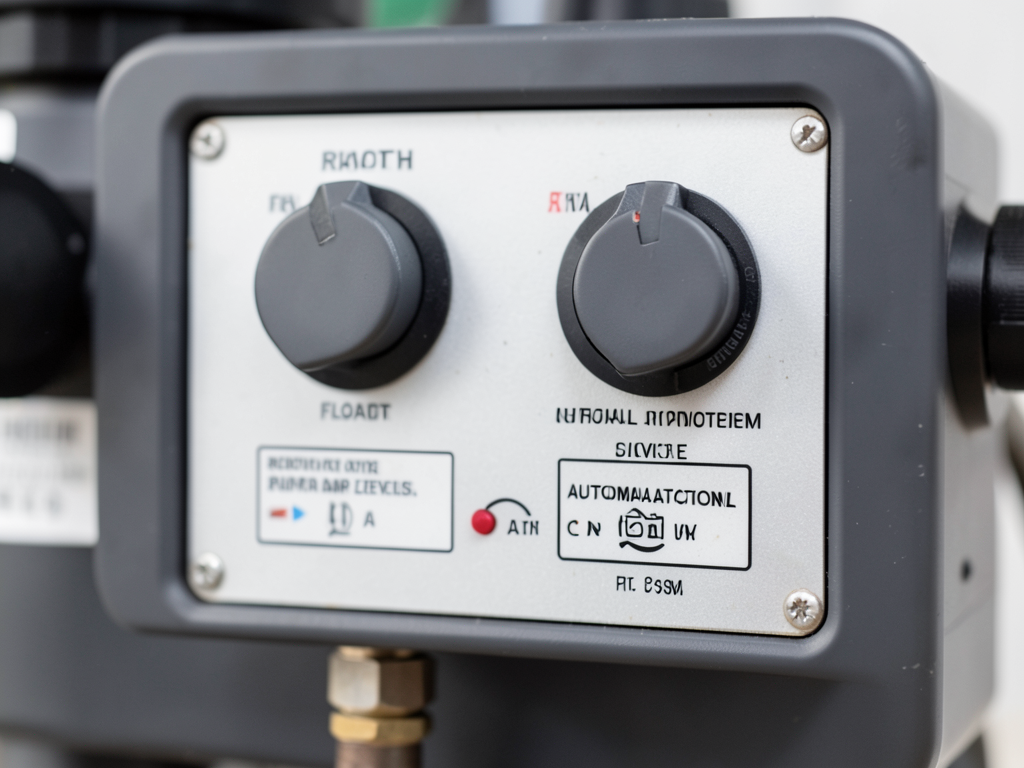
Close-up view of dual float switches in a sump pit, showing the primary and secondary activation levels for automatic pump sequencing.
Maintenance Checklist for Multiple Sump Pump Systems
Regular maintenance prevents the most common dual-pump failures. Test both pumps monthly by pouring water into the pit until the floats activate. Listen for unusual noises that might indicate bearing wear.
Clean the inlet screen on both pumps quarterly. Clay soil particles can clog screens and reduce flow rates by up to 40%.
Check discharge lines for clogs or freezing in winter. Ohio building code requires discharge pipes extend at least 10 feet from the foundation to prevent water recycling back into the basement.
Replace battery backups every 3-5 years regardless of apparent function. Batteries lose capacity over time and may fail during your first extended outage.
Annual professional inspection catches issues like misaligned float switches or corroded electrical connections before they cause failures. Professional Main Line Cleaning Services for Busy Gahanna Households.
Professional Installation: Cost vs. Long-Term Value
Professional installation of a dual-pump system costs $1,800-2,800 depending on pit configuration and pump quality. This investment prevents average flood damage of $5,000-15,000 in Northern Woods homes.
High-quality pumps from manufacturers like Zoeller or Liberty last 7-10 years in heavy-use applications. Cheaper units often fail within 3-4 years, negating initial savings.
Insurance companies may offer premium discounts of 5-10% for homes with redundant flood protection systems. Over a 10-year period, these savings can offset much of the installation cost.
The peace of mind during Columbus’s storm season has value beyond the financial calculation. Many Northern Woods homeowners consider reliable basement protection essential for protecting finished living spaces.
Call (614) 707-7373 today to schedule your inspection and get a quote for upgrading your sump system. Is Upgrading to a Tankless Water Heater Worth It for Hilliard Homeowners?.
Frequently Asked Questions
How do I know if my current sump pump is adequate?
Watch your pump during heavy rain. If it runs continuously for more than 30 minutes or can’t keep the pit from filling, you need more capacity. Also check the manufacturer’s rating plate for gallons per hour capacity.
Can I install a second pump myself?
DIY installation risks improper wiring, incorrect float calibration, and code violations. Ohio plumbing code requires permits and inspections for sump pump work. Professional installation ensures proper function and warranty protection.
What size pit do I need for a second pump?
Most dual-pump setups require a pit at least 18 inches in diameter. Smaller pits cause float interference and reduce efficiency. If your pit is smaller, a separate basin might be necessary.
How long do backup batteries last during outages?
Standard backup batteries run 8-12 hours under continuous use. This covers most Ohio storm outages but may not survive multi-day events. Consider a generator for extended protection.
Will a second pump increase my electric bill?
Both pumps together use about 800-1,000 watts when running. During normal conditions, they cycle on and off, using minimal power. Only during heavy storms do both run simultaneously, increasing usage.
Diagram comparing single-pump vs dual-pump system performance during various rainfall intensities, showing when each system would fail or succeed.
Take Action Before the Next Big Storm
Northern Woods’ clay soil and high water tables make single-pump systems risky for many homes. A dual-pump configuration provides the redundancy and capacity needed to handle Columbus’s heaviest storms.
Don’t wait until water fills your basement to upgrade your protection. A failed pump at 2 AM during a thunderstorm causes thousands in damage within hours.
Pick up the phone and call (614) 707-7373 before the next storm hits. Our technicians will evaluate your current system and recommend the right protection for your specific basement conditions. For more information, visit International Building Code sump pump standards.
{
“@context”: “https://schema.org”,
“@type”: “BlogPosting”,
“headline”: “Why a Standard Sump Pump Might Not Be Enough for Your Northern Woods Basement”,
“description”: “Learn why heavy clay soil and high water tables in Northern Woods demand a dual-pump system. Protect your basement from flooding with expert insights from Columbus plumbers.”,
“wordCount”: 1388,
“datePublished”: “2026-06-11T10:25:00.000Z”,
“dateModified”: “2026-06-11T10:25:00.000Z”,
“inLanguage”: “en-US”,
“mainEntityOfPage”: {
“@type”: “WebPage”,
“@id”: “https://firstchoiceplumbingcolumbus.com”
},
“publisher”: {
“@type”: “LocalBusiness”,
“name”: “First Choice Plumbing Columbus”,
“url”: “https://firstchoiceplumbingcolumbus.com”
},
“author”: {
“@type”: “Organization”,
“name”: “First Choice Plumbing Columbus”,
“url”: “https://firstchoiceplumbingcolumbus.com”
},
“image”: {
“@type”: “ImageObject”,
“url”: “https://firstchoiceplumbingcolumbus.com/wp-content/uploads/2026/03/why-a-standard-sump-pump-might-not-be-enough-for-y-1.png”
}
}
{
“@context”: “https://schema.org”,
“@type”: “Plumber”,
“name”: “First Choice Plumbing Columbus”,
“url”: “https://firstchoiceplumbingcolumbus.com”,
“address”: {
“@type”: “PostalAddress”,
“addressLocality”: “Columbus”
},
“areaServed”: {
“@type”: “City”,
“name”: “Columbus”
}
}
{
“@context”: “https://schema.org”,
“@type”: “FAQPage”,
“mainEntity”: [
{
“@type”: “Question”,
“name”: “Primary vs. Secondary vs. Battery Backup: What’s the Real Difference?”,
“acceptedAnswer”: {
“@type”: “Answer”,
“text”: “A standard sump pump system includes one primary pump that runs on electricity. When this fails, your basement floods. Adding a battery backup helps during power outages but doesn’t increase pumping capacity.”
}
},
{
“@type”: “Question”,
“name”: “How do I know if my current sump pump is adequate?”,
“acceptedAnswer”: {
“@type”: “Answer”,
“text”: “Watch your pump during heavy rain. If it runs continuously for more than 30 minutes or can’t keep the pit from filling, you need more capacity. Also check the manufacturer’s rating plate for gallons per hour capacity.”
}
},
{
“@type”: “Question”,
“name”: “Can I install a second pump myself?”,
“acceptedAnswer”: {
“@type”: “Answer”,
“text”: “DIY installation risks improper wiring, incorrect float calibration, and code violations. Ohio plumbing code requires permits and inspections for sump pump work. Professional installation ensures proper function and warranty protection.”
}
},
{
“@type”: “Question”,
“name”: “What size pit do I need for a second pump?”,
“acceptedAnswer”: {
“@type”: “Answer”,
“text”: “Most dual-pump setups require a pit at least 18 inches in diameter. Smaller pits cause float interference and reduce efficiency. If your pit is smaller, a separate basin might be necessary.”
}
},
{
“@type”: “Question”,
“name”: “How long do backup batteries last during outages?”,
“acceptedAnswer”: {
“@type”: “Answer”,
“text”: “Standard backup batteries run 8-12 hours under continuous use. This covers most Ohio storm outages but may not survive multi-day events. Consider a generator for extended protection.”
}
},
{
“@type”: “Question”,
“name”: “Will a second pump increase my electric bill?”,
“acceptedAnswer”: {
“@type”: “Answer”,
“text”: “Both pumps together use about 800-1,000 watts when running. During normal conditions, they cycle on and off, using minimal power. Only during heavy storms do both run simultaneously, increasing usage.”
}
}
]
}
{
“@context”: “https://schema.org”,
“@type”: “BreadcrumbList”,
“itemListElement”: [
{
“@type”: “ListItem”,
“position”: 1,
“name”: “Home”,
“item”: “https://firstchoiceplumbingcolumbus.com”
},
{
“@type”: “ListItem”,
“position”: 2,
“name”: “Blog”,
“item”: “https://firstchoiceplumbingcolumbus.com/blog”
},
{
“@type”: “ListItem”,
“position”: 3,
“name”: “Why a Standard Sump Pump Might Not Be Enough for Your Northern Woods Basement”
}
]
}
{
“@context”: “https://schema.org”,
“@type”: “Service”,
“serviceType”: “Plumbing”,
“provider”: {
“@type”: “LocalBusiness”,
“name”: “First Choice Plumbing Columbus”,
“url”: “https://firstchoiceplumbingcolumbus.com”
},
“areaServed”: {
“@type”: “City”,
“name”: “Columbus”
},
“description”: “Learn why heavy clay soil and high water tables in Northern Woods demand a dual-pump system. Protect your basement from flooding with expert insights from Columbus plumbers.”
}