Preparing Your Entire Columbus Plumbing System for the Humid Ohio Summer
Columbus homeowners face unique plumbing challenges when summer humidity arrives. High moisture levels and increased water usage strain pipes, fixtures, and appliances. Understanding these specific risks helps prevent emergency repairs during peak season. EPA recommendations.
Central Ohio’s limestone bedrock creates naturally hard water with high mineral content. Summer humidity accelerates scale buildup in pipes and fixtures. The region’s clay-heavy soil expands and contracts with moisture changes, putting pressure on underground plumbing lines. These factors make summer plumbing maintenance essential for Columbus homes. Ohio plumbing code.
Water heaters work harder during summer months as demand increases from showers, laundry, and outdoor use. Sump pumps face their busiest season during summer thunderstorms. Without proper preparation, these systems can fail when you need them most. Your Best Options for Fast Water Heater Replacement in Dublin.
Essential Summer Plumbing Maintenance Tasks for Columbus Homes
Start with a comprehensive inspection of your entire system. Check visible pipes for condensation or corrosion especially in basements and crawl spaces. Look for rust stains around water heater connections and listen for unusual sounds from your sump pump during operation. Water Heater Maintenance Tips.
Test your main water shut-off valve to ensure it operates smoothly. Many Columbus homes have valves that haven’t been touched in years and can seize up during emergencies. Turn the valve fully clockwise and back to confirm it moves freely.. Read more about Solving Common Well Water Problems for Lewis Center and Northern Columbus Homes.
Examine outdoor hose bibs for leaks or drips. Winter freeze damage often shows up during first summer use when rubber washers crack and fail. Replace any leaking fixtures immediately to prevent water waste and foundation damage.. Read more about Steps to Take Immediately After You Find a Hidden Pipe Leak in Your Columbus Home.
Water Heater Summer Preparation
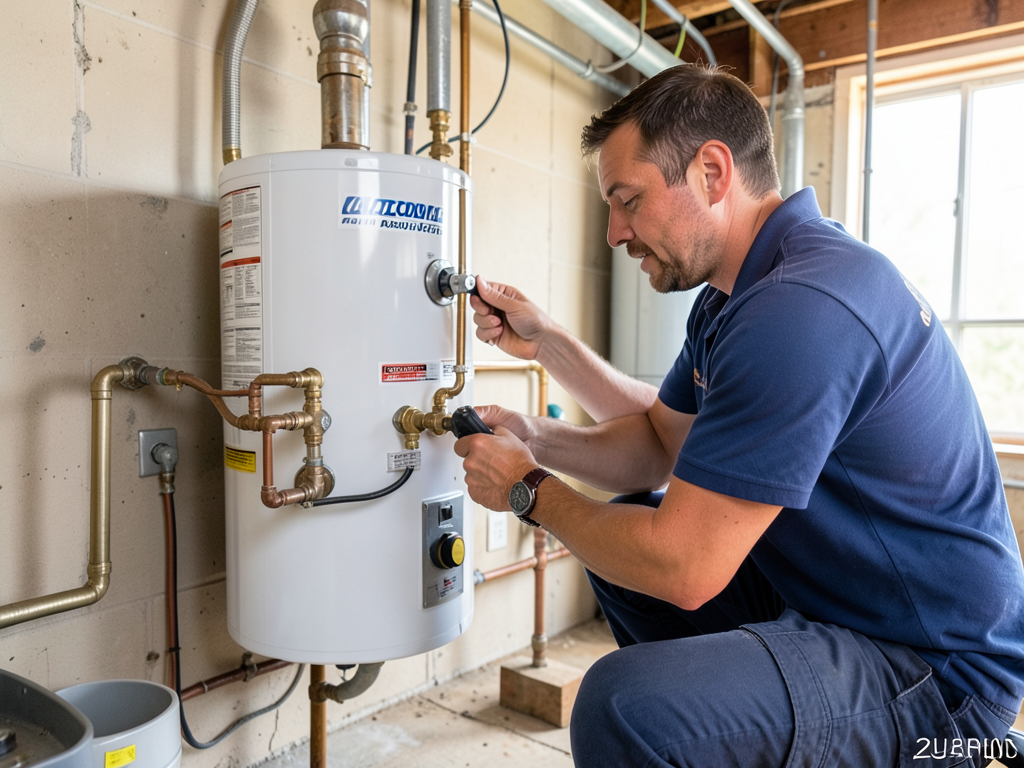
Your water heater needs special attention before summer arrives. Sediment buildup from Columbus’s hard water reduces efficiency and can cause premature failure. Flushing the tank removes mineral deposits that accumulate on the bottom over time.
Set your water heater temperature to 120°F for optimal efficiency. Higher temperatures waste energy and increase scalding risk while lower settings can promote bacterial growth. The EPA recommends this setting for both safety and energy conservation.
Check the pressure relief valve by lifting the lever and allowing water to flow through the discharge pipe. If no water flows or the valve leaks afterward replacement is necessary. This safety component prevents dangerous pressure buildup that could cause tank failure.
Inspect the anode rod if accessible. This sacrificial component prevents tank corrosion by attracting minerals that would otherwise attack the steel tank. Replace it when heavily corroded to extend your water heater’s lifespan by several years.
Sump Pump System Testing and Maintenance
Columbus’s summer thunderstorms can dump several inches of rain in hours overwhelming inadequate sump systems. Test your primary pump by pouring water into the pit until the float activates the motor. The pump should start quickly and discharge water efficiently.
Check the discharge pipe for obstructions or damage. Clear any debris that could block water flow during heavy rains. Ensure the pipe extends at least 10 feet from your foundation to prevent water from cycling back into the basement.. Read more about Why Your Merion Village Basement Smells Like Sewage and How to Stop It Fast.
Install or test your battery backup system. Power outages often accompany summer storms leaving your primary pump useless when you need it most. A quality backup system provides 24-48 hours of operation during extended outages.
Clean the sump pit of sediment and debris that can clog the pump inlet. Remove any accumulated dirt sand or small objects that could damage the impeller during operation.
Dealing with Columbus Hard Water Issues
Central Ohio’s water hardness typically ranges from 15 to 20 grains per gallon significantly above the national average. This high mineral content causes scale buildup that reduces water flow and damages appliances. Summer humidity accelerates these problems as moisture promotes mineral crystallization.
Check your water softener salt levels and bridge formation. Hard water areas like Dublin and Hilliard often experience salt bridging where a hard crust forms above the water level preventing proper regeneration. Break up any solid layers and ensure proper salt levels.
Clean faucet aerators and showerheads to restore proper flow. Soak them in vinegar for several hours to dissolve mineral deposits. Replace any fixtures with severe scaling that cleaning cannot restore. Professional Main Line Cleaning Services for Busy Gahanna Households.
Consider whole-house water treatment if you experience persistent hard water problems. Modern systems use ion exchange or reverse osmosis to remove minerals before they enter your plumbing system. Whole Home Repiping.
Preventing Basement Plumbing Condensation
Summer humidity in Columbus can exceed 80% during July and August. This moisture condenses on cold water pipes and toilet tanks creating ideal conditions for mold growth and wood rot. Insulate exposed cold water pipes with foam sleeves to prevent condensation.
Install a dehumidifier in your basement if humidity levels remain high. Keep relative humidity between 30-50% to prevent condensation while avoiding overly dry conditions that can cause wood shrinkage and cracking.
Check toilet tanks for condensation. If you see water dripping down the outside install an anti-sweat valve that mixes hot and cold water to maintain a consistent temperature above the dew point.
Drain System Summer Maintenance
Summer brings increased organic waste through your drains from more frequent cooking outdoor activities and higher water usage. Clean your main drain line using a plumber’s snake or hydro-jetting to remove accumulated grease hair and debris.. Read more about Properly Winterizing Your Outdoor Spigots to Avoid a Spring Disaster.
Avoid chemical drain cleaners that can damage pipes and harm the environment. Instead use enzyme-based cleaners that digest organic matter without harsh chemicals. These products work best when applied during low-usage periods.
Check all P-traps under sinks to ensure they contain water. These U-shaped pipes prevent sewer gases from entering your home. If you notice sewer odors run water through unused drains to refill the traps.
Toilet Leak Detection and Repair
Toilet leaks waste thousands of gallons annually and often go unnoticed. Perform a simple dye test by adding food coloring to the tank and waiting 30 minutes without flushing. If color appears in the bowl you have a leak that needs repair.. Read more about Simple Plumbing Habits Every Ohio State Student Living Off-Campus Should Know.
Check the flapper valve for wear or mineral buildup. Replace it if it doesn’t seal properly or shows signs of deterioration. This inexpensive part prevents constant water flow from tank to bowl.
Listen for phantom flushing sounds that indicate a slow leak. These can waste hundreds of gallons daily and significantly increase your water bill.
Garbage Disposal Summer Care
Summer entertaining means more food waste through your garbage disposal. Run cold water before during and after disposal use to flush debris through the system. Hot water can melt fats that later solidify and cause clogs.
Clean your disposal monthly by grinding ice cubes with citrus peels. The ice sharpens blades while the citrus provides a fresh scent and helps break down grease.
Never put fibrous vegetables coffee grounds or starchy foods like pasta and rice down the disposal. These materials expand with water and create stubborn clogs.
Outdoor Plumbing System Check
Inspect all outdoor faucets and sprinkler systems for leaks or damage. Winter freeze-thaw cycles can crack pipes and damage valves that only show problems during summer use.. Read more about Designing a Trouble Free Outdoor Shower or Pool House Bathroom in Powell.
Test your sprinkler system zone by zone. Look for broken heads misaligned spray patterns or low pressure that indicates underground leaks. Adjust timers to water during early morning hours to minimize evaporation.
Check outdoor drains and gutters for debris that could cause backups during summer thunderstorms. Clear leaves dirt and other materials that accumulated over winter and spring.
Professional Plumbing Services vs. DIY Maintenance
Some plumbing tasks require professional expertise and tools. While homeowners can handle basic maintenance certain situations demand licensed plumber intervention to prevent damage and ensure code compliance.
Call a professional if you notice any of these warning signs: water pressure drops throughout the house multiple fixtures drain slowly you hear gurgling sounds from drains or see water stains on walls or ceilings. These symptoms often indicate serious problems requiring immediate attention.. Read more about What That Loud Banging Noise in Your Walls Means for Your Columbus Plumbing.
Professional plumbers use specialized equipment like video inspection cameras to locate blockages and leaks without destructive testing. They also have access to commercial-grade cleaning tools and replacement parts not available to consumers.. Read more about Understanding Backflow Testing Requirements for Franklinton Business Owners.
According to Ohio plumbing code certain repairs and installations require permits and professional licensing. These include water heater replacement major repiping and any work affecting the main water or sewer lines.
Emergency Plumbing Prevention Strategies
Summer plumbing emergencies often result from neglected maintenance rather than sudden failures. Implement these prevention strategies to avoid costly emergency calls during peak season. Finding an Emergency Plumber in Columbus Who Can Actually Show Up Today.
Create a maintenance schedule that includes monthly visual inspections and quarterly system checks. Document any changes or concerns to track developing problems before they become emergencies.
Know the location of your main water shut-off valve and ensure all household members understand how to operate it. During a major leak shutting off water quickly can prevent thousands of dollars in damage.
Keep contact information for a reliable 24/7 emergency plumber readily available. Summer storms and heat waves create peak demand for emergency services so having a trusted provider can mean faster response times.
Columbus-Specific Plumbing Considerations
Columbus’s unique geography creates specific plumbing challenges. The city’s location in the Scioto River valley means high water tables in many areas particularly near the river and its tributaries. Homes in flood-prone zones need enhanced sump systems and backflow prevention.
The region’s clay soil expands when wet and contracts when dry creating movement that can damage underground pipes. Flexible connections and proper anchoring help prevent breaks caused by soil shifting.
Many Columbus neighborhoods have aging infrastructure with galvanized steel pipes that corrode internally over time. These pipes often look fine externally while severely restricting water flow. Consider replacement if your home was built before 1970.
According to Franklin County building codes homes in certain areas require specific backflow prevention devices to protect the municipal water supply. Check local requirements if you’re installing irrigation systems or other water-using equipment. Franklin County building codes.
Free Plumbing Maintenance Checklist Download
Stay organized with our comprehensive Columbus plumbing maintenance checklist. This printable guide includes seasonal tasks inspection points and emergency procedures specific to Central Ohio homes.
The checklist covers everything from water heater flushing schedules to sump pump testing procedures. Keep it in your utility room for quick reference during monthly maintenance sessions.
Download your free copy today and take the first step toward preventing summer plumbing emergencies.
Frequently Asked Questions
How often should I flush my water heater in Columbus?
Flush your water heater annually at minimum. Homes with very hard water may need twice-yearly flushing to prevent sediment buildup. Check your anode rod during each flush and replace it if heavily corroded.
What’s the best way to prevent basement flooding during summer storms?
Install a battery backup sump pump and ensure your primary pump is properly sized for your basement’s water volume. Clean your sump pit regularly and test the system monthly during storm season. Consider a second pump for added protection.
How can I tell if my home has hard water problems?
Signs include white scale on faucets spots on dishes soap that doesn’t lather well and reduced water pressure. You can test water hardness with a simple test kit or have a professional analysis done. Most Central Ohio homes have hard water requiring treatment.
When should I call a professional plumber versus handling maintenance myself?
DIY tasks include basic cleaning visual inspections and simple fixture replacements. Call a professional for any work involving gas lines main water supply sewer lines or if you’re unsure about the problem. Licensed plumbers ensure work meets local codes and carries proper warranties.
What should I do if my pipes freeze during a winter storm?
Never use open flames to thaw pipes. Instead use a hair dryer on low heat or wrap pipes with heating tape. If you can’t locate the frozen section or if multiple pipes are affected call a professional immediately to prevent bursting.
Take Action Before Summer Heat Arrives
Don’t wait for a plumbing emergency to discover problems with your system. The humid Ohio summer puts extra stress on pipes fixtures and appliances that worked fine during cooler months. A little preventive maintenance now can save you from major headaches later.
Many Columbus homeowners wait until problems become emergencies but this approach often leads to higher costs and more extensive damage. Simple tasks like checking your sump pump or flushing your water heater take just an hour but can prevent days of disruption.
If you’re unsure about any aspect of your plumbing system or notice warning signs like slow drains unusual noises or water stains don’t hesitate to call for professional help. Early intervention prevents small issues from becoming major repairs.
Call (614) 707-7373 today to schedule your comprehensive summer plumbing inspection. Our experienced technicians understand Columbus’s unique plumbing challenges and can identify potential problems before they cause damage to your home.
Pick up the phone and call (614) 707-7373 before the next storm hits. Don’t let summer humidity and heavy rains catch your plumbing system unprepared.
Remember quality plumbing maintenance isn’t just about preventing emergencies—it’s about protecting your home’s value and ensuring your family’s comfort throughout the year. Make this summer the season you finally get ahead of potential plumbing problems.
You may also find this helpful. Comparing Traditional Gas and Hybrid Heat Pump Water Heaters for Groveport Residences.
{
“@context”: “https://schema.org”,
“@type”: “BlogPosting”,
“headline”: “Preparing Your Entire Columbus Plumbing System for the Humid Ohio Summer”,
“description”: “Protect your Columbus home from summer plumbing emergencies with expert maintenance tips for hard water, sump pumps, and aging infrastructure in Central Ohio.”,
“wordCount”: 2204,
“datePublished”: “2026-03-14T10:31:00.000Z”,
“dateModified”: “2026-03-14T10:31:00.000Z”,
“inLanguage”: “en-US”,
“mainEntityOfPage”: {
“@type”: “WebPage”,
“@id”: “https://firstchoiceplumbingcolumbus.com”
},
“publisher”: {
“@type”: “LocalBusiness”,
“name”: “First Choice Plumbing Columbus”,
“url”: “https://firstchoiceplumbingcolumbus.com”
},
“author”: {
“@type”: “Organization”,
“name”: “First Choice Plumbing Columbus”,
“url”: “https://firstchoiceplumbingcolumbus.com”
},
“image”: {
“@type”: “ImageObject”,
“url”: “https://firstchoiceplumbingcolumbus.com/wp-content/uploads/2026/03/preparing-your-entire-columbus-plumbing-system-for-1.png”
}
}
{
“@context”: “https://schema.org”,
“@type”: “Plumber”,
“name”: “First Choice Plumbing Columbus”,
“url”: “https://firstchoiceplumbingcolumbus.com”,
“address”: {
“@type”: “PostalAddress”,
“addressLocality”: “Columbus”
},
“areaServed”: {
“@type”: “City”,
“name”: “Columbus”
}
}
{
“@context”: “https://schema.org”,
“@type”: “FAQPage”,
“mainEntity”: [
{
“@type”: “Question”,
“name”: “How often should I flush my water heater in Columbus?”,
“acceptedAnswer”: {
“@type”: “Answer”,
“text”: “Flush your water heater annually at minimum. Homes with very hard water may need twice-yearly flushing to prevent sediment buildup. Check your anode rod during each flush and replace it if heavily corroded.”
}
},
{
“@type”: “Question”,
“name”: “What’s the best way to prevent basement flooding during summer storms?”,
“acceptedAnswer”: {
“@type”: “Answer”,
“text”: “Install a battery backup sump pump and ensure your primary pump is properly sized for your basement’s water volume. Clean your sump pit regularly and test the system monthly during storm season. Consider a second pump for added protection.”
}
},
{
“@type”: “Question”,
“name”: “How can I tell if my home has hard water problems?”,
“acceptedAnswer”: {
“@type”: “Answer”,
“text”: “Signs include white scale on faucets spots on dishes soap that doesn’t lather well and reduced water pressure. You can test water hardness with a simple test kit or have a professional analysis done. Most Central Ohio homes have hard water requiring treatment.”
}
},
{
“@type”: “Question”,
“name”: “When should I call a professional plumber versus handling maintenance myself?”,
“acceptedAnswer”: {
“@type”: “Answer”,
“text”: “DIY tasks include basic cleaning visual inspections and simple fixture replacements. Call a professional for any work involving gas lines main water supply sewer lines or if you’re unsure about the problem. Licensed plumbers ensure work meets local codes and carries proper warranties.”
}
},
{
“@type”: “Question”,
“name”: “What should I do if my pipes freeze during a winter storm?”,
“acceptedAnswer”: {
“@type”: “Answer”,
“text”: “Never use open flames to thaw pipes. Instead use a hair dryer on low heat or wrap pipes with heating tape. If you can’t locate the frozen section or if multiple pipes are affected call a professional immediately to prevent bursting.”
}
}
]
}
{
“@context”: “https://schema.org”,
“@type”: “BreadcrumbList”,
“itemListElement”: [
{
“@type”: “ListItem”,
“position”: 1,
“name”: “Home”,
“item”: “https://firstchoiceplumbingcolumbus.com”
},
{
“@type”: “ListItem”,
“position”: 2,
“name”: “Blog”,
“item”: “https://firstchoiceplumbingcolumbus.com/blog”
},
{
“@type”: “ListItem”,
“position”: 3,
“name”: “Preparing Your Entire Columbus Plumbing System for the Humid Ohio Summer”
}
]
}
{
“@context”: “https://schema.org”,
“@type”: “Service”,
“serviceType”: “Plumbing”,
“provider”: {
“@type”: “LocalBusiness”,
“name”: “First Choice Plumbing Columbus”,
“url”: “https://firstchoiceplumbingcolumbus.com”
},
“areaServed”: {
“@type”: “City”,
“name”: “Columbus”
},
“description”: “Protect your Columbus home from summer plumbing emergencies with expert maintenance tips for hard water, sump pumps, and aging infrastructure in Central Ohio.”
}