Why Your Merion Village Basement Smells Like Sewage and How to Stop It Fast
That unmistakable sewage odor wafting up from your basement is more than just unpleasant. It signals a serious plumbing problem that could pose health risks to your family. In Merion Village, where many homes date back to the early 1900s, this issue is surprisingly common. Keep Your German Village Basement Dry with a Better Sump Pump System.
Within the first few sentences, let’s cut to the chase: a sewage smell in your basement typically stems from dry floor drain traps, cracked sewer lines, blocked vent stacks, or failed wax rings on basement toilets. The good news? Many causes have quick DIY fixes, but some require professional diagnosis and repair. Read on to identify the source of that foul odor and learn when to call a licensed plumber before the problem escalates. Professional Main Line Cleaning Services for Busy Gahanna Households.
Is That Sewage Smell Dangerous?
Before we dive into causes and fixes, let’s address the elephant in the room: yes, sewer gas can be dangerous. The rotten-egg odor comes primarily from hydrogen sulfide, a toxic gas that can cause headaches, dizziness, and nausea at low concentrations. At higher levels, it can be fatal. Methane, another component of sewer gas, is also flammable and can create explosion hazards in enclosed spaces.. Read more about How to Tell if That Strange Smell is Sewer Gas or Just a Dry Drain Trap.
The Ohio Department of Health warns that prolonged exposure to sewer gas can lead to more serious health issues including respiratory problems and eye irritation. If you’re experiencing symptoms like burning eyes, difficulty breathing, or severe headaches along with the odor, evacuate the area immediately and call for professional help.
Warning signs that demand immediate attention:
- Strong, persistent sewage odor that doesn’t dissipate
- Visible sewage backup in drains or on basement floor
- Multiple drains showing slow drainage or gurgling sounds
- Presence of flies or other insects near drains
Common Causes of Basement Sewer Odors
Understanding what’s causing that smell is the first step to eliminating it. Here are the most frequent culprits in Merion Village homes:
Dry Floor Drain Traps
Floor drains in basements have a U-shaped trap that holds water, creating a seal that prevents sewer gases from rising into your home. When these traps dry out, the seal breaks and odors escape. This is especially common in older homes where floor drains see little use. Your Best Options for Fast Water Heater Replacement in Dublin.
During Ohio’s seasonal transitions, particularly in fall and spring, floor drains can dry out in as little as a month. The clay soil common in Franklin County can also shift, affecting how water settles in these traps. Water Heater Maintenance Tips.
Cracked or Rusted Sewer Lines
Many Merion Village homes still have original cast iron sewer pipes. Over decades, these pipes corrode from the inside out, developing cracks and holes. Tree roots seeking moisture can also penetrate these aging pipes, creating entry points for sewer gas.. Read more about How Much Longer Will the Original Cast Iron Pipes in Your Near East Side Home Last?.
The freeze-thaw cycles we experience in Columbus accelerate this deterioration. When water freezes inside cracks, it expands, widening the damage. This is particularly problematic for homes built before 1970 when PVC pipes weren’t yet standard.
Blocked Vent Stacks
Your plumbing system includes vent pipes that extend through your roof, allowing sewer gases to escape safely outside. These vents can become blocked by leaves, bird nests, or even ice dams in winter. When blocked, gases have nowhere to go but back through your drains.. Read more about Essential Plumbing Red Flags to Look for Before Buying a House in Southern Orchards.
Merion Village’s mature tree canopy, while beautiful, contributes to this problem. Falling leaves and small animals seeking shelter can create blockages that homeowners don’t discover until odors appear.. Read more about What Obetz Homeowners Need to Know About Switching from Septic to City Sewer.
Failed Wax Rings on Basement Toilets
If your basement has a bathroom, a failed wax ring seal between the toilet and floor flange can allow sewer gases to escape. These wax rings typically last 20-30 years, but in older homes, they may have never been replaced.. Read more about Preventing Basement Sewage Backups with a Backwater Valve Installation.
Even a slightly loose toilet can break this seal over time. The shifting clay soil in Merion Village can contribute to this movement, especially after heavy rains when the ground expands.
Sewer Ejector Pit Seals
Many older Columbus homes, including those in Merion Village, have basement bathrooms or laundry facilities that sit below the main sewer line. These require a sewage ejector pump system with a sealed pit. If the pit’s lid isn’t properly sealed or the pump seal fails, odors escape.
The Ohio Plumbing Code (Section 701.6) requires these systems to maintain a water seal to prevent gas migration. A failed seal is a direct code violation and health hazard.
The Columbus Factor: Local Infrastructure and Sewage Issues
Merion Village’s plumbing challenges are deeply tied to Columbus’s infrastructure and geology. The area sits on dense clay soil that expands when wet and contracts when dry. This constant movement puts stress on underground pipes, particularly the lateral lines connecting homes to the city sewer main.
Franklin County’s aging sewer infrastructure compounds the problem. Many of the sewer mains beneath Merion Village were installed in the 1920s and 1930s. The Columbus Department of Public Utilities reports that cast iron pipes have an average lifespan of 50-75 years, meaning much of this infrastructure is operating well beyond its intended service life.
The area’s tree canopy, while providing shade and character, creates another challenge. Tree roots naturally seek water sources and can infiltrate even tiny cracks in sewer pipes. Once inside, roots grow and expand, creating blockages and allowing gas to escape through new openings.
Additionally, Merion Village’s combined sewer system (where stormwater and sewage share the same pipes) can create pressure issues during heavy rains. This pressure can force gases back through traps that might otherwise hold a proper seal.
Step-by-Step DIY Troubleshooting
Before calling a professional, you can perform some basic checks to identify the source of the odor. Here’s a systematic approach:
- Check Floor Drains
Pour a gallon of water down each floor drain. If the smell diminishes within 24 hours, you’ve likely solved the problem. For persistent issues, add a few tablespoons of mineral oil to slow evaporation.
- Inspect Visible Pipes
Look for signs of moisture, corrosion, or cracks around exposed pipes in your basement. Pay special attention to joints and connections where failures commonly occur.
- Test Toilet Seals
Gently rock each basement toilet. If it moves even slightly, the wax ring may have failed. Also check for water around the base, which indicates a compromised seal.
- Check Vent Stacks
Examine your roof vent pipes for visible blockages like leaves or nests. In winter, look for ice buildup that might be sealing the vent.
- Examine Ejector Systems
If you have a sewage ejector pump, check that the pit lid is sealed properly and that the pump is functioning without unusual noises or odors.
During this process, use your senses strategically. The intensity of the odor can help pinpoint the source. A strong smell near a specific drain suggests that’s the culprit, while a more diffuse odor throughout the basement might indicate a cracked main line.
Document what you find. Take photos of any visible damage or moisture. This information will be valuable if you need to call a professional plumber.
Professional Solutions and When to Call
While DIY troubleshooting can resolve simple issues like dry traps, many sewage odor problems require professional diagnosis and repair. Here’s when to call in the experts:
Sewer Camera Inspection
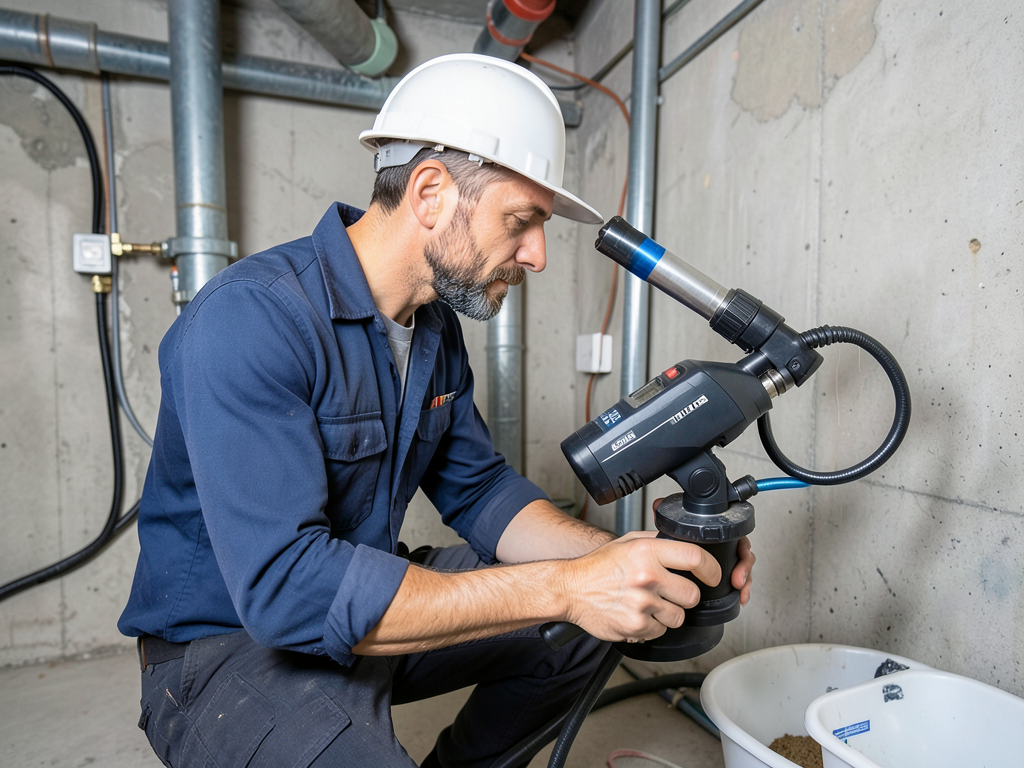
A professional plumber can perform a sewer camera inspection, running a specialized camera through your pipes to identify cracks, blockages, or deterioration. This technology can pinpoint problems without destructive digging, saving time and money.
The camera reveals pipe condition, locates exact problem areas, and can identify the pipe material and age. For Merion Village homes, this is particularly valuable since many have undocumented plumbing histories.
Hydro-Jetting
If tree roots or grease buildup are causing blockages, hydro-jetting uses high-pressure water to clean pipes thoroughly. This process can restore proper flow and eliminate odor sources without damaging pipes.
The Ohio Plumbing Code (Section 701.8) requires proper cleaning methods that don’t compromise pipe integrity. Professional hydro-jetting meets these standards while effectively removing obstructions.
Sewer Line Repair or Replacement
For severely damaged pipes, partial or complete replacement may be necessary. Modern trenchless technologies can replace pipes with minimal excavation, often completing the job in a day rather than weeks.
Material selection matters. PVC pipes resist corrosion and root intrusion better than cast iron. A professional can recommend the best option based on your home’s specific conditions and local soil characteristics.
Vent Stack Clearing
Professional plumbers use specialized tools to clear vent stacks safely. They can also install vent stack filters that prevent future blockages while allowing proper gas ventilation.
In winter, they might recommend heat tape installation to prevent ice dam formation in vent stacks, a common issue in Columbus’s freeze-thaw climate.
Prevention: Keeping Your Basement Odor-Free
Once you’ve resolved the immediate odor issue, prevention becomes key. Here’s a maintenance schedule tailored for Merion Village homes:
- Monthly: Pour water down all floor drains and infrequently used sinks
- Seasonally: Check exposed pipes for signs of corrosion or moisture
- Annually: Have a professional inspect your sewer lateral and vent stacks
- Every 5-7 years: Consider preventive hydro-jetting if you have mature trees near your sewer line
Consider installing waterless trap seals on floor drains. These devices provide permanent protection against gas infiltration without requiring regular water maintenance.
For homes with basement bathrooms, installing a backwater valve can prevent sewage backup during heavy rains, which is particularly important in Columbus’s combined sewer areas.
According to the EPA’s WaterSense program, proper plumbing maintenance can reduce water waste by up to 20% while preventing common issues like sewer gas infiltration. EPA’s WaterSense program.
Health and Safety Considerations
Sewer gas exposure can cause a range of symptoms from mild to severe. Understanding these helps you recognize when professional intervention is urgent:
- Mild Exposure: Headaches, dizziness, nausea, eye irritation
- Moderate Exposure: Fatigue, poor concentration, respiratory irritation
- Severe Exposure: Loss of consciousness, respiratory failure, death
Children, elderly individuals, and those with respiratory conditions are particularly vulnerable. If anyone in your household experiences these symptoms along with a sewage odor, evacuate immediately and seek medical attention.
The CDC recommends that homeowners never ignore persistent sewage odors, as they indicate a failure in the plumbing system that could worsen over time. CDC recommendations on sewer gas.
Cost Considerations and Insurance
The cost to resolve sewage odors varies dramatically based on the cause. Simple fixes like refilling traps cost nothing but your time. Professional services range from $150-300 for drain cleaning to $2,000-5,000 for sewer line repairs.
Many homeowners’ insurance policies cover sudden, accidental damage but not gradual deterioration. If the problem stems from aging infrastructure, you might need to cover repairs yourself. However, if a tree root from a city tree caused the damage, the city might share responsibility.
The Franklin County Auditor’s office can provide information about your home’s plumbing age and materials, which helps in determining whether repairs might be covered under special programs for aging infrastructure.
Preventive maintenance, while requiring upfront investment, typically costs less than emergency repairs. A $200 annual plumbing inspection can identify problems before they require $3,000 repairs. Finding an Emergency Plumber in Columbus Who Can Actually Show Up Today.
Frequently Asked Questions
Why does my basement smell like sewage only in winter?
Winter odors often indicate frozen vent stacks or traps that evaporate more quickly in dry, heated air. The freeze-thaw cycles can also cause existing cracks to expand, worsening the problem seasonally.
Can I use bleach to eliminate the smell?
While bleach can temporarily mask odors, it doesn’t address the underlying cause and can damage pipes over time. Focus on identifying and fixing the source rather than masking symptoms.
How long does it take to fix a sewage odor problem?
Simple fixes like refilling traps work immediately. Professional repairs typically take 1-3 days depending on the complexity. Trenchless sewer repairs can often be completed in a single day.
Is it safe to stay in my home with a sewage smell?
For mild odors from dry traps, temporary exposure is generally safe. However, strong, persistent odors require immediate professional attention as they indicate active gas infiltration that poses health risks.
Will the smell go away on its own?
No. Sewage odors indicate an active plumbing problem that will worsen over time. The underlying issue requires diagnosis and repair to fully resolve.
Take Action Today
That sewage smell in your Merion Village basement isn’t just unpleasant, it’s a warning sign of a plumbing problem that demands attention. Whether it’s a simple dry trap or a more serious sewer line issue, quick action prevents health risks and more expensive repairs down the road.
Don’t let that odor linger another day. Pick up the phone and call (614) 707-7373 today to schedule your inspection. Our licensed plumbers will diagnose the source of the smell, explain your repair options clearly, and restore your home’s safety and comfort.
Call (614) 707-7373 now before that small problem becomes a major emergency. Your family’s health and your home’s integrity are too important to risk.
Remember: in older Columbus neighborhoods like Merion Village, that sewage smell is often the first visible sign of aging plumbing infrastructure. Addressing it promptly protects your investment and ensures your home remains a safe, comfortable haven for years to come.
{
“@context”: “https://schema.org”,
“@type”: “BlogPosting”,
“headline”: “Why Your Merion Village Basement Smells Like Sewage and How to Stop It Fast”,
“description”: “That foul sewage smell in your Merion Village basement? It could be a dry trap, cracked sewer line, or vent stack failure. Learn the causes and fast fixes.”,
“wordCount”: 2223,
“datePublished”: “2026-03-27T08:08:00.000Z”,
“dateModified”: “2026-03-27T08:08:00.000Z”,
“inLanguage”: “en-US”,
“mainEntityOfPage”: {
“@type”: “WebPage”,
“@id”: “https://firstchoiceplumbingcolumbus.com”
},
“publisher”: {
“@type”: “LocalBusiness”,
“name”: “First Choice Plumbing Columbus”,
“url”: “https://firstchoiceplumbingcolumbus.com”
},
“author”: {
“@type”: “Organization”,
“name”: “First Choice Plumbing Columbus”,
“url”: “https://firstchoiceplumbingcolumbus.com”
},
“image”: {
“@type”: “ImageObject”,
“url”: “https://firstchoiceplumbingcolumbus.com/wp-content/uploads/2026/03/why-your-merion-village-basement-smells-like-sewag-1.png”
}
}
{
“@context”: “https://schema.org”,
“@type”: “Plumber”,
“name”: “First Choice Plumbing Columbus”,
“url”: “https://firstchoiceplumbingcolumbus.com”,
“address”: {
“@type”: “PostalAddress”,
“addressLocality”: “Columbus”
},
“areaServed”: {
“@type”: “City”,
“name”: “Columbus”
}
}
{
“@context”: “https://schema.org”,
“@type”: “FAQPage”,
“mainEntity”: [
{
“@type”: “Question”,
“name”: “Is That Sewage Smell Dangerous?”,
“acceptedAnswer”: {
“@type”: “Answer”,
“text”: “Before we dive into causes and fixes, let’s address the elephant in the room: yes, sewer gas can be dangerous. The rotten-egg odor comes primarily from hydrogen sulfide, a toxic gas that can cause headaches, dizziness, and nausea at low concentrations. At higher levels, it can be fatal. Methane, another component of sewer gas, is also flammable and can create explosion hazards in enclosed spaces.”
}
},
{
“@type”: “Question”,
“name”: “Why does my basement smell like sewage only in winter?”,
“acceptedAnswer”: {
“@type”: “Answer”,
“text”: “Winter odors often indicate frozen vent stacks or traps that evaporate more quickly in dry, heated air. The freeze-thaw cycles can also cause existing cracks to expand, worsening the problem seasonally.”
}
},
{
“@type”: “Question”,
“name”: “Can I use bleach to eliminate the smell?”,
“acceptedAnswer”: {
“@type”: “Answer”,
“text”: “While bleach can temporarily mask odors, it doesn’t address the underlying cause and can damage pipes over time. Focus on identifying and fixing the source rather than masking symptoms.”
}
},
{
“@type”: “Question”,
“name”: “How long does it take to fix a sewage odor problem?”,
“acceptedAnswer”: {
“@type”: “Answer”,
“text”: “Simple fixes like refilling traps work immediately. Professional repairs typically take 1-3 days depending on the complexity. Trenchless sewer repairs can often be completed in a single day.”
}
},
{
“@type”: “Question”,
“name”: “Is it safe to stay in my home with a sewage smell?”,
“acceptedAnswer”: {
“@type”: “Answer”,
“text”: “For mild odors from dry traps, temporary exposure is generally safe. However, strong, persistent odors require immediate professional attention as they indicate active gas infiltration that poses health risks.”
}
},
{
“@type”: “Question”,
“name”: “Will the smell go away on its own?”,
“acceptedAnswer”: {
“@type”: “Answer”,
“text”: “No. Sewage odors indicate an active plumbing problem that will worsen over time. The underlying issue requires diagnosis and repair to fully resolve.”
}
}
]
}
{
“@context”: “https://schema.org”,
“@type”: “HowTo”,
“name”: “How to Diagnose Basement Sewage Odors”,
“step”: [
{
“@type”: “HowToStep”,
“position”: 1,
“name”: “Check Floor Drains”,
“text”: “Pour a gallon of water down each floor drain. If the smell diminishes within 24 hours, you’ve likely solved the problem. For persistent issues, add a few tablespoons of mineral oil to slow evaporation.”
},
{
“@type”: “HowToStep”,
“position”: 2,
“name”: “Inspect Visible Pipes”,
“text”: “Look for signs of moisture, corrosion, or cracks around exposed pipes in your basement. Pay special attention to joints and connections where failures commonly occur.”
},
{
“@type”: “HowToStep”,
“position”: 3,
“name”: “Test Toilet Seals”,
“text”: “Gently rock each basement toilet. If it moves even slightly, the wax ring may have failed. Also check for water around the base, which indicates a compromised seal.”
},
{
“@type”: “HowToStep”,
“position”: 4,
“name”: “Check Vent Stacks”,
“text”: “Examine your roof vent pipes for visible blockages like leaves or nests. In winter, look for ice buildup that might be sealing the vent.”
},
{
“@type”: “HowToStep”,
“position”: 5,
“name”: “Examine Ejector Systems”,
“text”: “If you have a sewage ejector pump, check that the pit lid is sealed properly and that the pump is functioning without unusual noises or odors.”
}
],
“image”: “https://firstchoiceplumbingcolumbus.com/wp-content/uploads/2026/03/why-your-merion-village-basement-smells-like-sewag-1.png”
}
{
“@context”: “https://schema.org”,
“@type”: “BreadcrumbList”,
“itemListElement”: [
{
“@type”: “ListItem”,
“position”: 1,
“name”: “Home”,
“item”: “https://firstchoiceplumbingcolumbus.com”
},
{
“@type”: “ListItem”,
“position”: 2,
“name”: “Blog”,
“item”: “https://firstchoiceplumbingcolumbus.com/blog”
},
{
“@type”: “ListItem”,
“position”: 3,
“name”: “Why Your Merion Village Basement Smells Like Sewage and How to Stop It Fast”
}
]
}
{
“@context”: “https://schema.org”,
“@type”: “Service”,
“serviceType”: “Plumbing”,
“provider”: {
“@type”: “LocalBusiness”,
“name”: “First Choice Plumbing Columbus”,
“url”: “https://firstchoiceplumbingcolumbus.com”
},
“areaServed”: {
“@type”: “City”,
“name”: “Columbus”
},
“description”: “That foul sewage smell in your Merion Village basement? It could be a dry trap, cracked sewer line, or vent stack failure. Learn the causes and fast fixes.”
}