
Is a Leaky Toilet Flapper Quietly Adding Hundreds to Your Annual Water Bill?
A silent toilet leak can waste over 200 gallons of water every single day. That is enough to fill a bathtub nearly seven times. If your toilet flapper is worn out or misaligned it creates a slow but constant trickle from the tank into the bowl. You might not hear it. You might not see it. But your water meter is spinning and your wallet is getting lighter. Water Systems Council.
Many Columbus homeowners never realize they have a leak until they see a shocking spike in their water bill. The average household loses about 10,000 gallons of water per year to leaks. A faulty flapper can be responsible for half of that. That is hundreds of dollars down the drain every year. Your Best Options for Fast Water Heater Replacement in Dublin.
The good news is that most flapper leaks are easy to detect and fix. A simple dye test can confirm the problem in minutes. In many cases you can swap out the old flapper yourself in under ten minutes. But if the flush valve seat is corroded or the chain is tangled you may need a professional repair to stop the waste for good. EPA WaterSense Fix a Leak Week.
How a Leaky Flapper Wastes Water Without You Knowing
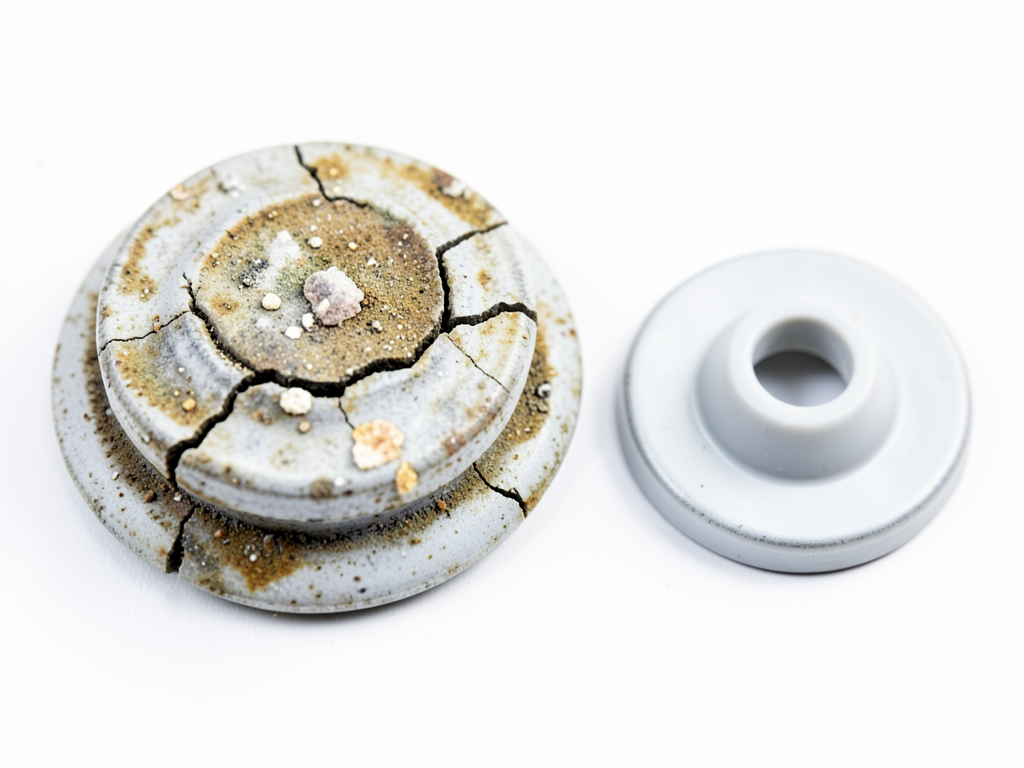
The flapper is the rubber seal that lifts when you flush and drops to seal the tank. Over time the rubber can warp harden or crack. When that happens water seeps past the seal and flows into the bowl. The fill valve keeps topping off the tank so the leak never stops. Water Heater Maintenance Tips.
You might notice a faint hissing sound or a slow ripple in the bowl. Sometimes the only clue is a higher-than-normal water bill. In older Columbus homes with hard water mineral buildup on the flush valve seat can make leaks even worse. Water Stains on Ceiling or Walls.
Hard water in Central Ohio contains high levels of calcium and magnesium. Those minerals coat the flapper and the valve seat creating channels for water to escape. A flapper that lasts five years in soft water might fail in two years here.
Left unchecked a small leak can waste up to 6000 gallons per month. At Columbus water rates that is about $30 to $50 extra on your bill every month. Multiply that by a year and you are looking at $360 to $600 in wasted water.
Common Signs Your Flapper Needs Replacement
Most flapper problems start quietly. You may not notice anything until the water bill arrives. Here are the most common symptoms to watch for:. Read more about Managing Common Restroom Plumbing Issues for Discovery District Office Managers.
- Phantom flushes where the toilet refills on its own
- A constant trickle sound from the tank
- Water moving in the bowl when no one flushed
- Having to jiggle the handle to stop the noise
- Sudden spikes in your monthly water usage
If you see any of these signs run a quick dye test. If the water in the bowl changes color within 15 minutes you have a confirmed leak.
Performing the Food Coloring Test in Five Minutes
The food coloring test is the fastest way to confirm a flapper leak. You need only food coloring or a dye tablet and about five minutes.
- Remove the tank lid
Set it aside on a flat surface.
- Add dye
Drop in 10 drops of dark food coloring or one dye tablet.
- Wait
Let the toilet sit unused for 15 to 20 minutes.
- Check the bowl
If the water changes color you have a leak.
If the test shows a leak shut off the water supply and inspect the flapper. Look for warping cracks or a buildup of mineral deposits. If the flapper looks good check the chain length and the flush valve seat for rough spots.
Why Columbus Hard Water Accelerates Flapper Decay
Columbus water comes from surface and groundwater sources that pass through limestone. That means high hardness levels. Hard water leaves mineral scale on every surface it touches including your toilet flapper.
Minerals create a rough surface on the flapper. That roughness prevents a tight seal. Over time the rubber also breaks down from constant exposure to chlorine used in municipal treatment.
Chlorine is a powerful disinfectant but it is also a rubber oxidizer. It makes the flapper brittle. Once the rubber loses flexibility it cannot conform to the valve seat. That is when the slow leak starts.
Older homes in neighborhoods like Clintonville and Bexley often have original plumbing fixtures. If your toilet is over ten years old and you have never changed the flapper it is likely past its prime.. Read more about How to Choose Low-Flow Fixtures for Your Eastmoor Home Without Losing Water Pressure.
Replacing the flapper every two to three years can prevent most leaks. If you notice heavy mineral buildup on the old flapper upgrade to a chlorine-resistant model. These cost a few dollars more but last much longer in Central Ohio water.
DIY Flapper Replacement vs. Professional Repair
Swapping a flapper is one of the easiest DIY plumbing fixes. You turn off the water lift the old flapper off its ears and snap the new one in place. In most cases that solves the problem.
Sometimes the leak persists. That usually means the flush valve seat is pitted or corroded. You cannot fix that with a new flapper. You need to either replace the entire flush valve assembly or call a plumber.
Another sign you need a pro is if the chain gets tangled or the float is misadjusted. A tangled chain prevents the flapper from sealing. A misadjusted float causes the fill valve to overfill and spill into the overflow tube.
Here is a quick comparison to help you decide:
| Issue | DIY Fix | Call a Pro |
|---|---|---|
| Warped or cracked flapper | Replace flapper | Not needed |
| Corroded flush valve seat | Not possible | Replace valve assembly |
| Tangled chain | Adjust or replace chain | Not needed |
| Misadjusted float | Adjust float height | Not needed |
| Water level too high | Check fill valve | Repair or replace fill valve |
If you try a DIY fix and the leak continues call a licensed plumber. Continuing to run a leaking toilet can waste thousands of gallons before you realize it.
How to Choose the Right Flapper for Your Toilet
Not all flappers fit all toilets. The most important factor is the flush valve size. Most toilets use a two-inch valve. Newer high-efficiency models often use a three-inch valve.
To check your size turn off the water and remove the old flapper. Measure the diameter of the valve opening at the bottom of the tank. If it is about three inches across you need a three-inch flapper.
Also check the mounting style. Some flappers clip onto pegs on the overflow tube. Others slide over the tube. Match the new flapper to the old one or bring the old part to the store.
If you have extremely hard water look for a flapper made of chlorine-resistant rubber or silicone. These resist both mineral buildup and chemical degradation.
Avoid drop-in bleach tablets. They keep the bowl clean but the chlorine concentration inside the tank attacks the flapper and other rubber parts. A better option is manual cleaning with a non-corrosive cleaner. Professional Main Line Cleaning Services for Busy Gahanna Households.
Preventing Future Leaks and Saving Water
Once you fix a leak the best defense is prevention. Check your toilet every six months for signs of trouble. Listen for hissing sounds. Look for ripples in the bowl. If you have hard water consider installing a whole-house water softener. Whole Home Repiping.
A water softener removes calcium and magnesium before the water enters your plumbing. That means less scale on your flapper and other fixtures. It also protects your water heater dishwasher and washing machine from mineral damage.
Even without a softener you can extend flapper life by cleaning the valve seat with a soft cloth and vinegar once a year. This removes light mineral deposits before they cause problems.
Teach everyone in your home to report running toilets right away. A small habit change can prevent hundreds of dollars in wasted water.
If you live in an older Columbus home built before 1980 you may have original plumbing. In that case schedule a whole-home plumbing inspection every few years. Catching small issues early saves money and prevents emergencies.
When to Call First Choice Plumbing in Columbus
You can handle many flapper leaks yourself. But some situations call for a professional. Call us if:
- The leak continues after replacing the flapper
- You notice water damage around the base of the toilet
- The toilet runs constantly and the fill valve seems faulty
- You want to upgrade to a high-efficiency toilet
- You need help choosing the right parts for your model
Our licensed plumbers carry the most common flappers and flush valve assemblies on the truck. That means we can fix most toilet leaks in a single visit.
We also offer whole-home plumbing inspections. If you have an older home in Clintonville or Bexley we can check for hidden leaks corroded pipes and other issues that waste water and money.
Call (614) 707-7373 today to schedule your inspection. We will find the leak and fix it fast so you can stop paying for wasted water.
Frequently Asked Questions
How much water can a leaky flapper waste in one day?
A slow leak can waste 200 gallons or more per day. That is over 6000 gallons in a month.
Can I use bleach tablets to keep my toilet clean?
Avoid drop-in bleach tablets. They damage flappers and other rubber parts. Use manual cleaning instead.
How long should a toilet flapper last in Columbus?
In our hard water most flappers last two to three years. With a water softener they can last five years or more.
What is the most common cause of a running toilet?
A worn or misaligned flapper is the most common cause. Mineral buildup on the valve seat is a close second.
Is it hard to replace a flapper myself?
It is one of the easiest DIY plumbing repairs. If you are unsure or the leak continues call a pro.
You may also find this helpful. Adding a Modern Bidet or Washlet to Your Existing Bathroom in The Hilltop.
{
“@context”: “https://schema.org”,
“@type”: “BlogPosting”,
“headline”: “Is a Leaky Toilet Flapper Quietly Adding Hundreds to Your Annual Water Bill?”,
“description”: “Discover how a silent toilet flapper leak wastes gallons daily. Learn DIY tests and when to call First Choice Plumbing in Columbus for expert repairs.”,
“wordCount”: 1688,
“datePublished”: “2026-04-15T13:22:00.000Z”,
“dateModified”: “2026-04-15T13:22:00.000Z”,
“inLanguage”: “en-US”,
“mainEntityOfPage”: {
“@type”: “WebPage”,
“@id”: “https://firstchoiceplumbingcolumbus.com”
},
“publisher”: {
“@type”: “LocalBusiness”,
“name”: “First Choice Plumbing Columbus”,
“url”: “https://firstchoiceplumbingcolumbus.com”
},
“author”: {
“@type”: “Organization”,
“name”: “First Choice Plumbing Columbus”,
“url”: “https://firstchoiceplumbingcolumbus.com”
},
“image”: {
“@type”: “ImageObject”,
“url”: “https://firstchoiceplumbingcolumbus.com/wp-content/uploads/2026/03/is-a-leaky-toilet-flapper-quietly-adding-hundreds-1.png”
}
}
{
“@context”: “https://schema.org”,
“@type”: “Plumber”,
“name”: “First Choice Plumbing Columbus”,
“url”: “https://firstchoiceplumbingcolumbus.com”,
“address”: {
“@type”: “PostalAddress”,
“addressLocality”: “Columbus”
},
“areaServed”: {
“@type”: “City”,
“name”: “Columbus”
}
}
{
“@context”: “https://schema.org”,
“@type”: “FAQPage”,
“mainEntity”: [
{
“@type”: “Question”,
“name”: “How much water can a leaky flapper waste in one day?”,
“acceptedAnswer”: {
“@type”: “Answer”,
“text”: “A slow leak can waste 200 gallons or more per day. That is over 6000 gallons in a month.”
}
},
{
“@type”: “Question”,
“name”: “Can I use bleach tablets to keep my toilet clean?”,
“acceptedAnswer”: {
“@type”: “Answer”,
“text”: “Avoid drop-in bleach tablets. They damage flappers and other rubber parts. Use manual cleaning instead.”
}
},
{
“@type”: “Question”,
“name”: “How long should a toilet flapper last in Columbus?”,
“acceptedAnswer”: {
“@type”: “Answer”,
“text”: “In our hard water most flappers last two to three years. With a water softener they can last five years or more.”
}
},
{
“@type”: “Question”,
“name”: “What is the most common cause of a running toilet?”,
“acceptedAnswer”: {
“@type”: “Answer”,
“text”: “A worn or misaligned flapper is the most common cause. Mineral buildup on the valve seat is a close second.”
}
},
{
“@type”: “Question”,
“name”: “Is it hard to replace a flapper myself?”,
“acceptedAnswer”: {
“@type”: “Answer”,
“text”: “It is one of the easiest DIY plumbing repairs. If you are unsure or the leak continues call a pro.”
}
}
]
}
{
“@context”: “https://schema.org”,
“@type”: “HowTo”,
“name”: “How to Perform a Food Coloring Test”,
“step”: [
{
“@type”: “HowToStep”,
“position”: 1,
“name”: “Remove the tank lid”,
“text”: “Set it aside on a flat surface.”
},
{
“@type”: “HowToStep”,
“position”: 2,
“name”: “Add dye”,
“text”: “Drop in 10 drops of dark food coloring or one dye tablet.”
},
{
“@type”: “HowToStep”,
“position”: 3,
“name”: “Wait”,
“text”: “Let the toilet sit unused for 15 to 20 minutes.”
},
{
“@type”: “HowToStep”,
“position”: 4,
“name”: “Check the bowl”,
“text”: “If the water changes color you have a leak.”
}
],
“image”: “https://firstchoiceplumbingcolumbus.com/wp-content/uploads/2026/03/is-a-leaky-toilet-flapper-quietly-adding-hundreds-1.png”
}
{
“@context”: “https://schema.org”,
“@type”: “BreadcrumbList”,
“itemListElement”: [
{
“@type”: “ListItem”,
“position”: 1,
“name”: “Home”,
“item”: “https://firstchoiceplumbingcolumbus.com”
},
{
“@type”: “ListItem”,
“position”: 2,
“name”: “Blog”,
“item”: “https://firstchoiceplumbingcolumbus.com/blog”
},
{
“@type”: “ListItem”,
“position”: 3,
“name”: “Is a Leaky Toilet Flapper Quietly Adding Hundreds to Your Annual Water Bill?”
}
]
}
{
“@context”: “https://schema.org”,
“@type”: “Service”,
“serviceType”: “Plumbing”,
“provider”: {
“@type”: “LocalBusiness”,
“name”: “First Choice Plumbing Columbus”,
“url”: “https://firstchoiceplumbingcolumbus.com”
},
“areaServed”: {
“@type”: “City”,
“name”: “Columbus”
},
“description”: “Discover how a silent toilet flapper leak wastes gallons daily. Learn DIY tests and when to call First Choice Plumbing in Columbus for expert repairs.”
}