Adding a Modern Bidet or Washlet to Your Existing Bathroom in The Hilltop
Installing a bidet or washlet in your Hilltop home transforms your bathroom experience while adding modern convenience. Many Columbus homeowners discover that retrofitting an existing bathroom requires more than just connecting a water line. The Hilltop’s mix of historic homes and mid-century construction presents unique plumbing challenges that demand professional expertise. Your Best Options for Fast Water Heater Replacement in Dublin.
Modern bidets fall into two main categories: electric washlets with heated seats and warm water, and non-electric attachments that use cold water only. Electric models require a dedicated GFCI outlet near the toilet, proper water pressure regulation, and backflow prevention devices to meet Columbus plumbing standards. The Hilltop’s older homes often need electrical upgrades before installation can begin. Water Heater Maintenance Tips.
Water quality in Franklin County affects bidet performance. The region’s hard water contains high mineral content that can clog nozzles over time. Professional installers recommend inline water filters for bidet systems, especially in homes near the Scioto River where mineral concentration runs higher. These filters extend nozzle life and maintain spray performance. Professional Main Line Cleaning Services for Busy Gahanna Households.
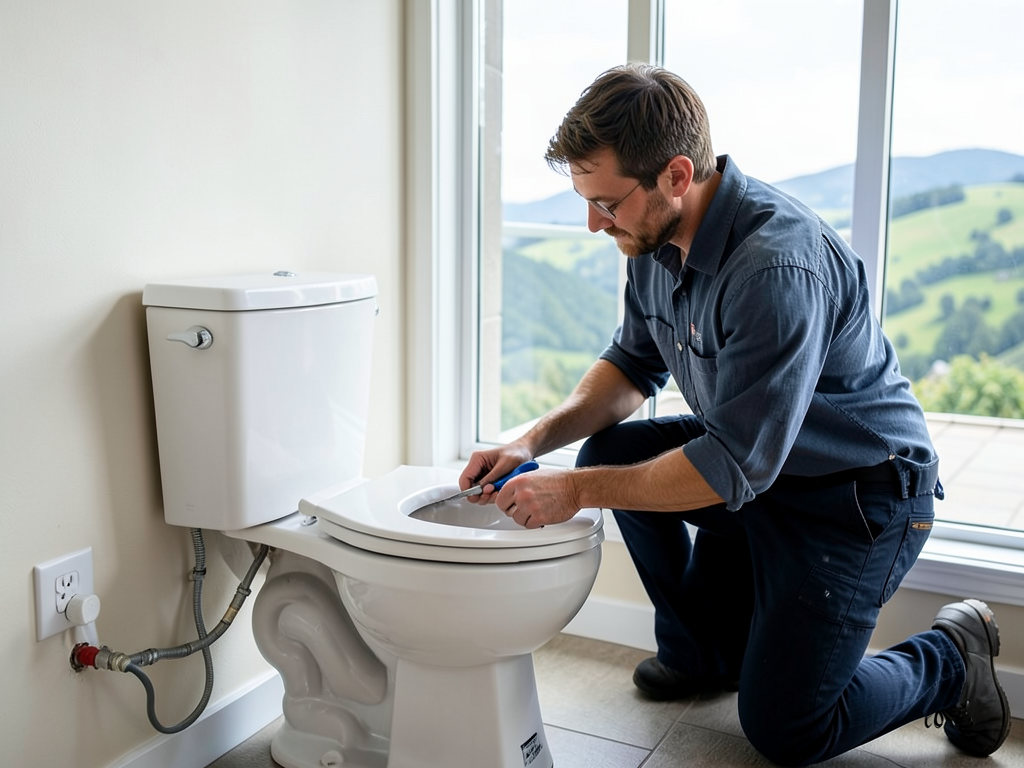
Installation time typically ranges from ninety minutes to two hours for electric washlets, longer if electrical work is needed. The process involves shutting off water supply, installing a T-valve adapter, connecting the bidet’s water line, and testing for leaks. Electric models require mounting the control panel and running a low-voltage power connection. Water Stains on Ceiling or Walls.
Columbus building codes require backflow prevention devices on bidet installations to protect the potable water supply. The Ohio Plumbing Code Section 608 mandates these devices for any fixture that could contaminate the water system. Professional plumbers carry the required RPZ valves and know the proper installation height above flood level. Ohio Plumbing Code Section 608.
Common Hilltop bathroom layouts create specific installation considerations. Narrow spaces between toilet and wall may limit bidet seat models. Some historic homes have plumbing configurations that require creative routing of water lines. Experienced installers know how to work within these constraints while maintaining code compliance.. Read more about Why Your Hilltop Basement Needs a High Quality Ejector Pump to Prevent Flooding.
Temperature control represents another key factor. Electric washlets offer adjustable water temperature, heated seats, and warm air drying. These features require 120-volt GFCI protection and cannot share circuits with other bathroom appliances. The National Electrical Code Article 210.11(C)(3) requires dedicated circuits for bathroom receptacles in new installations. National Electrical Code Article 210.11(C)(3).
Water pressure affects bidet performance significantly. Columbus water pressure typically ranges from forty to eighty PSI, but older Hilltop homes may have pressure regulators that need adjustment. Bidets require minimum twenty PSI for proper spray function. Pressure that’s too high can damage internal components or create leaks at connection points.
Maintenance considerations include cleaning nozzles with vinegar solution monthly to prevent mineral buildup. Most quality bidets include self-cleaning nozzles that rinse before and after each use. The Hilltop’s hard water means more frequent cleaning may be necessary compared to homes in areas with softer water.
Cost factors include the bidet unit price, installation labor, electrical work if needed, and any plumbing modifications. Basic non-electric attachments start around one hundred dollars, while premium electric washlets cost three to six hundred dollars. Installation labor in Columbus averages one hundred fifty to two hundred dollars per hour.
Popular brands like TOTO Washlet and Kohler bidet seats offer different feature sets. TOTO’s advanced models include EWATER+ technology that mists the bowl with electrolyzed water after each use. Kohler focuses on intuitive controls and sleek design. Both brands require specific mounting hardware and water connections that vary by model.
Emergency shutoff valves near the toilet become critical during bidet installation. Every homeowner should know the location of their main water valve, typically found in the basement or near the water meter. Quick access to shutoff valves prevents water damage if a connection fails during or after installation. Finding an Emergency Plumber in Columbus Who Can Actually Show Up Today.
Noise levels vary between models. Electric washlets produce minimal operational noise, but the water pump and air dryer create sound that some users notice. Homes with thin walls or shared bathrooms may require consideration of noise levels when selecting features.
Compatibility with existing toilet shapes matters for proper fit. Round-front toilets accommodate most bidet seats, but elongated bowls may require specific models. Some one-piece toilets have unique mounting configurations that limit bidet options. Professional measurement ensures proper fit before purchase.
Energy consumption for electric bidets averages fifteen to twenty watts in standby mode. Heated seat and warm water features increase usage to fifty to one hundred watts during operation. Most users see less than five dollars per month added to their electric bill.
Health benefits include improved hygiene for people with mobility issues, hemorrhoids, or other conditions affecting personal cleanliness. The gentle water spray provides thorough cleaning without the abrasion of toilet paper. Many users report reduced toilet paper consumption by fifty percent or more.
Installation warranties typically cover one year for labor and match the manufacturer’s warranty for the bidet unit. Quality installations include pressure testing and leak checking before completion. Professional installers provide documentation of code compliance for future reference.
DIY installation risks include improper water connections leading to leaks, incorrect electrical wiring creating shock hazards, and failure to install required backflow prevention devices. These mistakes can cause property damage, void warranties, and create code violations that complicate future home sales.
Professional installation ensures proper water pressure regulation, correct electrical connections, and code-compliant backflow prevention. Licensed plumbers carry insurance that protects homeowners from damage during installation. They also provide guidance on model selection based on specific bathroom layouts and user needs.
The Hilltop’s mix of housing ages means each installation presents unique challenges. Historic homes may have galvanized pipes that affect water pressure. Mid-century ranches might have updated plumbing but outdated electrical systems. Professional assessment identifies these issues before installation begins.
Future-proofing considerations include selecting bidets with replaceable parts and accessible water connections. Models with removable control panels simplify repairs if components fail. Easy access to water shutoff valves aids maintenance and emergency response.
Environmental impact extends beyond paper savings. Reduced paper usage means fewer trees harvested and less water used in paper production. Electric bidets use minimal electricity compared to their environmental benefits over time.
Installation timing affects project complexity. Weekday installations allow coordination with water department if main valve work becomes necessary. Weekend projects may face delays if specialized parts need ordering or if unexpected plumbing issues arise.
Preparation steps before installation include clearing the area around the toilet, locating water shutoff valves, and identifying electrical outlets. Homeowners should have model specifications ready and know their toilet dimensions. This preparation speeds installation and reduces labor costs.
Post-installation testing involves checking all connections for leaks, verifying water temperature control, and testing electrical functions. Professional installers demonstrate operation and provide maintenance instructions. They also check that all required permits and inspections are complete.
Emergency procedures include knowing how to shut off water to the bidet independently of the main toilet supply. Most installations include a dedicated shutoff valve for the bidet water line. Quick access to this valve prevents flooding if a connection fails.
Long-term reliability depends on water quality, usage frequency, and maintenance. Homes with very hard water may need more frequent filter changes. Heavy usage families might experience faster wear on moving parts. Quality installations account for these factors in component selection.
Integration with smart home systems represents emerging technology. Some premium bidets offer app control, usage tracking, and automatic cleaning cycles. These features require Wi-Fi connectivity and may need additional electrical planning during installation.
Accessibility features benefit users with limited mobility. Remote controls, adjustable spray positions, and heated seats provide comfort and independence. Some models include night lights and automatic lid opening for enhanced usability.
Resale value considerations show that modern bathrooms with bidets appeal to many buyers. The feature suggests a well-maintained, updated home. However, extremely customized installations might not suit all buyers’ preferences.
Seasonal factors affect installation timing. Winter installations may require extra care to prevent freezing of exposed water lines. Summer humidity can affect adhesive components used in mounting. Professional installers account for these conditions.
Code compliance verification includes checking that all backflow prevention devices are installed at proper heights and that electrical connections meet current standards. Licensed plumbers carry the necessary permits and know local inspection requirements.
Final adjustments often involve fine-tuning water pressure, calibrating temperature settings, and ensuring all controls function smoothly. Professional installers test each feature and make necessary adjustments before project completion.
Customer education covers operation, maintenance, and troubleshooting. Most issues involve simple fixes like adjusting water pressure or cleaning nozzles. Professional installers provide written instructions and contact information for future questions.
The investment in professional installation pays dividends through reliable operation, code compliance, and peace of mind. DIY attempts often lead to leaks, electrical hazards, or non-compliant installations that cost more to fix than professional installation would have cost initially.
Modern bidet technology continues evolving with features like UV sterilization, automatic flushing, and voice control. Professional installers stay current on these developments to recommend appropriate options for each installation.
Your Hilltop home deserves modern comfort backed by professional expertise. From electrical requirements to plumbing code compliance, every detail matters for a successful installation. Call (614) 707-7373 today to schedule your bidet installation and experience the difference professional service makes.
Frequently Asked Questions
Do I need a GFCI outlet for my bidet installation?
Yes, electric bidets require a dedicated GFCI-protected outlet within three feet of the toilet. This protects against electrical shock in the bathroom environment and meets National Electrical Code requirements.
How long does bidet installation take in The Hilltop?
Most installations require ninety minutes to two hours for electric washlets. Additional time may be needed if electrical upgrades or plumbing modifications are required in older Hilltop homes.
Will hard water in Columbus damage my bidet?
Hard water can cause mineral buildup on nozzles over time. Professional installers recommend inline water filters, especially in the Hilltop area where mineral content tends to be higher near the Scioto River.
Are permits required for bidet installation in Franklin County?
Plumbing modifications require permits under Ohio Plumbing Code Section 608. Professional installers handle permit acquisition and ensure all backflow prevention devices meet code requirements.
{
“@context”: “https://schema.org”,
“@type”: “BlogPosting”,
“headline”: “Adding a Modern Bidet or Washlet to Your Existing Bathroom in The Hilltop”,
“description”: “Professional bidet installation in The Hilltop. Learn about GFCI outlets, Columbus plumbing codes, and TOTO Washlet installation. Call (614) 707-7373 for expert service.”,
“wordCount”: 1722,
“datePublished”: “2026-04-25T08:14:00.000Z”,
“dateModified”: “2026-04-25T08:14:00.000Z”,
“inLanguage”: “en-US”,
“mainEntityOfPage”: {
“@type”: “WebPage”,
“@id”: “https://firstchoiceplumbingcolumbus.com”
},
“publisher”: {
“@type”: “LocalBusiness”,
“name”: “First Choice Plumbing Columbus”,
“url”: “https://firstchoiceplumbingcolumbus.com”
},
“author”: {
“@type”: “Organization”,
“name”: “First Choice Plumbing Columbus”,
“url”: “https://firstchoiceplumbingcolumbus.com”
},
“image”: {
“@type”: “ImageObject”,
“url”: “https://firstchoiceplumbingcolumbus.com/wp-content/uploads/2026/03/adding-a-modern-bidet-or-washlet-to-your-existing-1.png”
}
}
{
“@context”: “https://schema.org”,
“@type”: “Plumber”,
“name”: “First Choice Plumbing Columbus”,
“url”: “https://firstchoiceplumbingcolumbus.com”,
“address”: {
“@type”: “PostalAddress”,
“addressLocality”: “Columbus”
},
“areaServed”: {
“@type”: “City”,
“name”: “Columbus”
}
}
{
“@context”: “https://schema.org”,
“@type”: “FAQPage”,
“mainEntity”: [
{
“@type”: “Question”,
“name”: “Do I need a GFCI outlet for my bidet installation?”,
“acceptedAnswer”: {
“@type”: “Answer”,
“text”: “Yes, electric bidets require a dedicated GFCI-protected outlet within three feet of the toilet. This protects against electrical shock in the bathroom environment and meets National Electrical Code requirements.”
}
},
{
“@type”: “Question”,
“name”: “How long does bidet installation take in The Hilltop?”,
“acceptedAnswer”: {
“@type”: “Answer”,
“text”: “Most installations require ninety minutes to two hours for electric washlets. Additional time may be needed if electrical upgrades or plumbing modifications are required in older Hilltop homes.”
}
},
{
“@type”: “Question”,
“name”: “Will hard water in Columbus damage my bidet?”,
“acceptedAnswer”: {
“@type”: “Answer”,
“text”: “Hard water can cause mineral buildup on nozzles over time. Professional installers recommend inline water filters, especially in the Hilltop area where mineral content tends to be higher near the Scioto River.”
}
},
{
“@type”: “Question”,
“name”: “Are permits required for bidet installation in Franklin County?”,
“acceptedAnswer”: {
“@type”: “Answer”,
“text”: “Plumbing modifications require permits under Ohio Plumbing Code Section 608. Professional installers handle permit acquisition and ensure all backflow prevention devices meet code requirements.”
}
}
]
}
{
“@context”: “https://schema.org”,
“@type”: “BreadcrumbList”,
“itemListElement”: [
{
“@type”: “ListItem”,
“position”: 1,
“name”: “Home”,
“item”: “https://firstchoiceplumbingcolumbus.com”
},
{
“@type”: “ListItem”,
“position”: 2,
“name”: “Blog”,
“item”: “https://firstchoiceplumbingcolumbus.com/blog”
},
{
“@type”: “ListItem”,
“position”: 3,
“name”: “Adding a Modern Bidet or Washlet to Your Existing Bathroom in The Hilltop”
}
]
}
{
“@context”: “https://schema.org”,
“@type”: “Service”,
“serviceType”: “Plumbing”,
“provider”: {
“@type”: “LocalBusiness”,
“name”: “First Choice Plumbing Columbus”,
“url”: “https://firstchoiceplumbingcolumbus.com”
},
“areaServed”: {
“@type”: “City”,
“name”: “Columbus”
},
“description”: “Professional bidet installation in The Hilltop. Learn about GFCI outlets, Columbus plumbing codes, and TOTO Washlet installation. Call (614) 707-7373 for expert service.”
}