Evaluating Your Columbus Home Drinking Water and Choosing the Right Filter System
Columbus tap water comes from the Scioto and Olentangy Rivers and Alum Creek reservoir, filtered through the Dublin Road and Hap Cremean plants. The 2024 Columbus Annual Water Quality Report shows hardness between 6 and 9 grains per gallon, chlorine levels around 1.2 ppm, and detectable PFAS compounds in trace amounts. If your water tastes metallic, leaves spots on dishes, or dries out your skin, the first step is testing for hardness, chlorine, lead, and nitrates. Once you know what’s in your water, you can choose between point-of-use reverse osmosis, whole-house carbon filtration, or a water softener system. Columbus Annual Water Quality Report.
Understanding Columbus Water Sources and Quality
The city’s water treatment plants handle over 150 million gallons per day for Franklin County homes. While the EPA classifies Columbus water as safe to drink, the hardness level means minerals like calcium and magnesium build up in pipes and appliances. Chlorine is added for disinfection, but it can create a swimming-pool taste. Lead may still exist in older service lines, especially in Clintonville and German Village homes built before 1950. Agricultural runoff can push nitrate levels above 3 ppm in some suburban wells. Testing your water is the only way to know what you’re dealing with. Your Best Options for Fast Water Heater Replacement in Dublin.
Comparing Filtration Technologies for Central Ohio Homes
Reverse osmosis systems force water through a semipermeable membrane, removing up to 99% of dissolved solids, PFAS, and lead. They work best at a single tap for drinking and cooking. Whole-house carbon filters use activated carbon to remove chlorine, VOCs, and some pesticides, improving taste and odor throughout the home. Water softeners use ion exchange to replace calcium and magnesium with sodium or potassium, preventing scale buildup on fixtures and appliances. The right choice depends on your specific water test results and whether you want to treat all water or just what you consume. Whole Home Repiping.
NSF/ANSI Standards and What They Mean for Columbus Homeowners
NSF/ANSI Standard 53 covers health-related contaminants like lead, cysts, and volatile organic compounds. Standard 58 applies to reverse osmosis systems and tests for total dissolved solids reduction. Standard 42 addresses aesthetic effects like chlorine taste and odor. For Columbus water, a system certified to NSF/ANSI 53 and 58 will handle most local concerns, including PFAS removal if the filter is rated for it. Always check the manufacturer’s test data for the specific contaminants found in your area. NSF/ANSI Standard 53.
Installation and Maintenance Considerations
Point-of-use RO units install under the kitchen sink and require a drain line and a dedicated faucet. Whole-house systems need space near the main water line, typically in the basement or utility room. Water softeners require a drain and a power source, plus periodic salt refills. Professional installation ensures compliance with Ohio plumbing codes and avoids leaks or pressure issues. Maintenance includes replacing pre-filters every 6 months, RO membranes every 2-3 years, and softener resin every 10-15 years depending on usage. Professional Main Line Cleaning Services for Busy Gahanna Households.
Cost of Ownership Comparison
RO systems cost $200 to $600 for the unit plus $150 to $300 for installation. Annual filter replacement runs $50 to $150. Whole-house carbon filters range from $800 to $1,500 installed, with $100 to $200 yearly for media replacement. Water softeners cost $1,200 to $2,500 installed, plus $5 to $10 monthly for salt. Bottled water at $1 per gallon for a family of four can exceed $1,000 per year, making filtration a long-term savings option. Water Heater Maintenance Tips.
Frequently Asked Questions
Is Columbus water hard or soft?
Columbus water is moderately hard, typically 6 to 9 grains per gallon, which is enough to cause scale buildup in pipes and appliances.
Do I need a filter if I’m on city water?
City water meets safety standards but may still contain chlorine, hardness minerals, and trace contaminants like PFAS that affect taste and appliance longevity.
How often should I test my water?
Test every 1-2 years if you’re on city water, or annually if you have a well or older home with lead service lines.
Call for Your Free In-Home Water Test
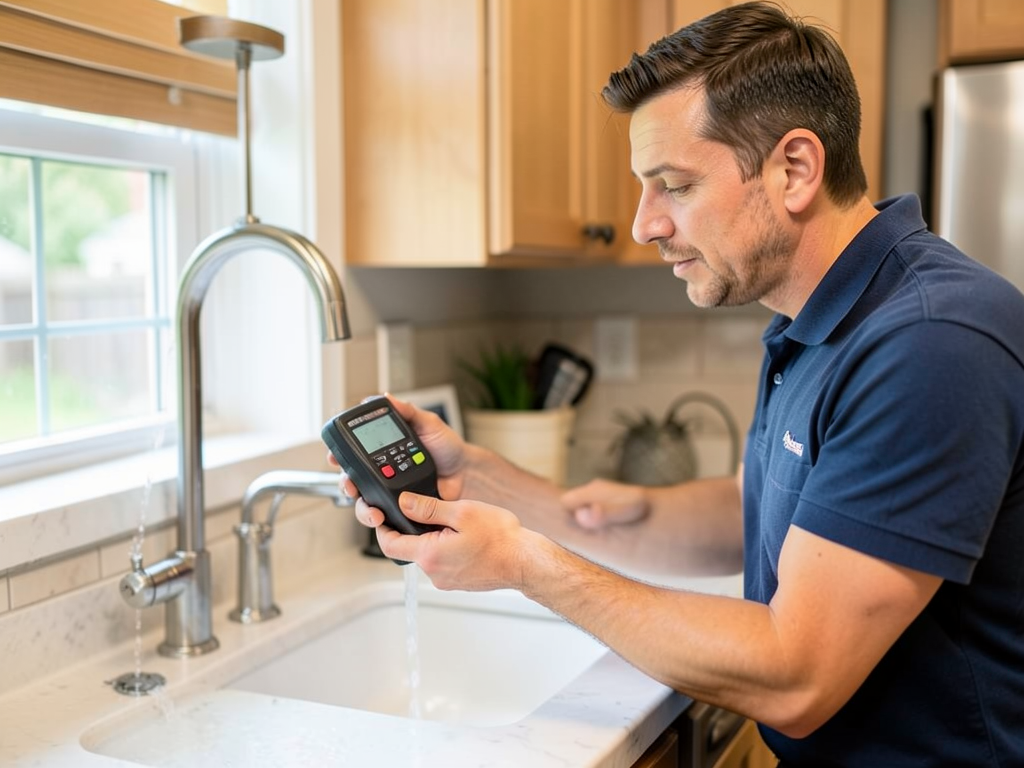
Call (614) 707-7373 today to schedule your free in-home water hardness test and consultation. We’ll test your water on-site, explain the results in plain language, and recommend the right filtration system for your Columbus home. No obligation, just expert advice from a local team that understands Central Ohio water quality.
Ready to Improve Your Water Quality?
Don’t guess about your water. Call (614) 707-7373 now to book your free water test. Our licensed plumbers will evaluate your water, show you the findings, and help you choose the best system for your home and budget. Serving Columbus, Hilliard, Dublin, and surrounding areas. Finding an Emergency Plumber in Columbus Who Can Actually Show Up Today.
You may also find this helpful. How to Get a Leak Free Ice Maker Line Installed in Your Lincoln Village Kitchen.
You may also find this helpful. Why Brewery District Homeowners Are Adding Instant Hot Water Dispensers to Their Kitchens.
{
“@context”: “https://schema.org”,
“@type”: “BlogPosting”,
“headline”: “Evaluating Your Columbus Home Drinking Water and Choosing the Right Filter System”,
“description”: “Learn how Columbus water quality affects your home and which filtration system fits your needs. Compare RO, carbon, and softener options with local expert insights.”,
“wordCount”: 820,
“datePublished”: “2026-04-08T14:05:00.000Z”,
“dateModified”: “2026-04-08T14:05:00.000Z”,
“inLanguage”: “en-US”,
“mainEntityOfPage”: {
“@type”: “WebPage”,
“@id”: “https://firstchoiceplumbingcolumbus.com”
},
“publisher”: {
“@type”: “LocalBusiness”,
“name”: “First Choice Plumbing Columbus”,
“url”: “https://firstchoiceplumbingcolumbus.com”
},
“author”: {
“@type”: “Organization”,
“name”: “First Choice Plumbing Columbus”,
“url”: “https://firstchoiceplumbingcolumbus.com”
},
“image”: {
“@type”: “ImageObject”,
“url”: “https://firstchoiceplumbingcolumbus.com/wp-content/uploads/2026/03/evaluating-your-columbus-home-drinking-water-and-c-1.png”
}
}
{
“@context”: “https://schema.org”,
“@type”: “Plumber”,
“name”: “First Choice Plumbing Columbus”,
“url”: “https://firstchoiceplumbingcolumbus.com”,
“address”: {
“@type”: “PostalAddress”,
“addressLocality”: “Columbus”
},
“areaServed”: {
“@type”: “City”,
“name”: “Columbus”
}
}
{
“@context”: “https://schema.org”,
“@type”: “FAQPage”,
“mainEntity”: [
{
“@type”: “Question”,
“name”: “Is Columbus water hard or soft?”,
“acceptedAnswer”: {
“@type”: “Answer”,
“text”: “Columbus water is moderately hard, typically 6 to 9 grains per gallon, which is enough to cause scale buildup in pipes and appliances.”
}
},
{
“@type”: “Question”,
“name”: “Do I need a filter if I’m on city water?”,
“acceptedAnswer”: {
“@type”: “Answer”,
“text”: “City water meets safety standards but may still contain chlorine, hardness minerals, and trace contaminants like PFAS that affect taste and appliance longevity.”
}
},
{
“@type”: “Question”,
“name”: “How often should I test my water?”,
“acceptedAnswer”: {
“@type”: “Answer”,
“text”: “Test every 1-2 years if you’re on city water, or annually if you have a well or older home with lead service lines.”
}
},
{
“@type”: “Question”,
“name”: “Ready to Improve Your Water Quality?”,
“acceptedAnswer”: {
“@type”: “Answer”,
“text”: “Don’t guess about your water. Call (614) 707-7373 now to book your free water test. Our licensed plumbers will evaluate your water, show you the findings, and help you choose the best system for your home and budget. Serving Columbus, Hilliard, Dublin, and surrounding areas. Finding an Emergency Plumber in Columbus Who Can Actually Show Up Today.”
}
}
]
}
{
“@context”: “https://schema.org”,
“@type”: “BreadcrumbList”,
“itemListElement”: [
{
“@type”: “ListItem”,
“position”: 1,
“name”: “Home”,
“item”: “https://firstchoiceplumbingcolumbus.com”
},
{
“@type”: “ListItem”,
“position”: 2,
“name”: “Blog”,
“item”: “https://firstchoiceplumbingcolumbus.com/blog”
},
{
“@type”: “ListItem”,
“position”: 3,
“name”: “Evaluating Your Columbus Home Drinking Water and Choosing the Right Filter System”
}
]
}
{
“@context”: “https://schema.org”,
“@type”: “Service”,
“serviceType”: “Plumbing”,
“provider”: {
“@type”: “LocalBusiness”,
“name”: “First Choice Plumbing Columbus”,
“url”: “https://firstchoiceplumbingcolumbus.com”
},
“areaServed”: {
“@type”: “City”,
“name”: “Columbus”
},
“description”: “Learn how Columbus water quality affects your home and which filtration system fits your needs. Compare RO, carbon, and softener options with local expert insights.”
}