
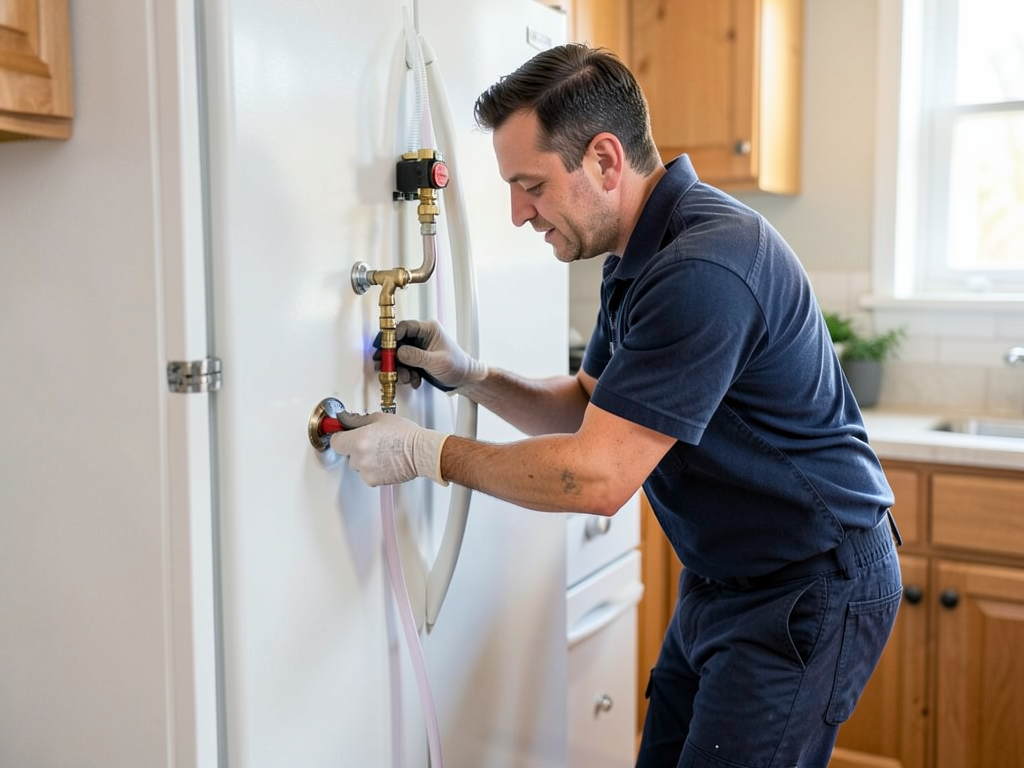
How to Get a Leak Free Ice Maker Line Installed in Your Lincoln Village Kitchen
Installing a refrigerator water line in your Lincoln Village kitchen requires more than just connecting a tube. The right materials, proper shut-off valves, and adherence to Columbus plumbing codes ensure your ice maker works reliably without leaks or water damage. Whether you’re upgrading to a new Samsung, LG, or Whirlpool fridge, this guide walks you through the critical steps and decisions that protect your home. Your Best Options for Fast Water Heater Replacement in Dublin.
Why Lincoln Village Homes Need Special Attention for Ice Maker Lines
Lincoln Village homes, built primarily in the 1960s and 1970s, often have aging galvanized pipes that corrode from the inside out. When you tap into these lines for a new ice maker, the internal rust can flake off and clog the small valves in your refrigerator. Columbus’s hard water, rich in calcium and magnesium, compounds this problem by creating mineral scale buildup inside pipes and fittings. The combination means a standard saddle valve installation often fails within months, leaving homeowners with slow ice production or worse—hidden leaks behind the fridge. Keep Your German Village Basement Dry with a Better Sump Pump System.
Choosing the Right Tubing Material for Your Lincoln Village Kitchen
The debate between PEX and copper tubing for ice maker lines comes down to longevity, taste, and local conditions. PEX (cross-linked polyethylene) resists scale buildup from Columbus’s hard water and flexes easily around tight cabinet corners. Copper, while traditional, can develop pinhole leaks in areas with aggressive water chemistry. For Lincoln Village’s older homes, PEX offers the advantage of being able to fish through existing wall cavities without damaging plaster or drywall that may contain asbestos backing. Water Heater Maintenance Tips.
| Material | Pros | Cons |
|---|---|---|
| PEX | Resists scale, flexible, freeze-resistant | Can’t be used outdoors, potential taste issues |
| Copper | Proven durability, no taste issues | Prone to scale, rigid installation |
| Braided Stainless Steel | Easy DIY install, corrosion resistant | Higher cost, limited lengths |
Step-by-Step Ice Maker Line Installation Process
- Locate the Water Source
Identify the nearest cold water line under the kitchen sink or in the basement. In Lincoln Village ranches, this often means accessing pipes through the cabinet back or drilling through the floor to basement plumbing.
- Install a Proper Shut-off Valve
Never use a saddle valve. Instead, install a 1/4-inch compression shut-off valve with a T-fitting. This meets Columbus plumbing code requirements and allows easy future maintenance.
- Run the Tubing
Route PEX or copper tubing with gentle curves. Avoid sharp bends that restrict water flow. Secure the line every 2-3 feet to prevent movement that causes wear.
- Connect to the Fridge
Use a 1/4-inch compression fitting on the refrigerator’s inlet valve. Hand-tighten plus one-quarter turn with a wrench prevents over-tightening that cracks fittings.
- Test for Leaks
Turn on the water supply and check all connections with a dry paper towel. Run the ice maker for 24 hours and inspect again. Even small drips can cause mold growth under cabinets.
Common Installation Mistakes That Cause Leaks in Lincoln Village
The most frequent error is using a saddle valve on old galvanized pipe. These self-piercing valves create a small hole that quickly enlarges as the pipe deteriorates, leading to a sudden burst. Another mistake is routing tubing where it can be pinched by the fridge when pushed back into place. In Lincoln Village’s compact kitchens, this often means the tubing gets caught under the wheels or compressed against the wall. Always leave extra length coiled behind the fridge for easy pull-out access.
Columbus Plumbing Code Requirements for Ice Maker Lines
The Ohio Plumbing Code requires that all new water line installations use approved materials and include accessible shut-off valves. For ice maker lines, this means a 1/4-inch compression valve installed on a cold water supply line. The code also mandates that tubing be protected from physical damage and that all connections be accessible for inspection. In Lincoln Village’s older homes, this often requires replacing sections of old pipe rather than tapping into them directly. Ohio Plumbing Code.
Water Pressure Considerations for High-End Refrigerators
Samsung and LG refrigerators with advanced ice makers require consistent water pressure between 20-120 PSI. Lincoln Village homes on municipal water often experience pressure fluctuations, especially during morning peak usage. Installing a pressure regulator before the ice maker line prevents damage to the refrigerator’s inlet valve. Signs of low pressure include hollow or small ice cubes and slow dispenser flow.
Protecting Your Lincoln Village Kitchen from Water Damage
Even a small leak from an ice maker line can cause thousands in damage to hardwood floors or cabinetry. Install a water alarm under the fridge that sounds when it detects moisture. For homes with finished basements below the kitchen, consider a secondary drain pan with a float switch that shuts off the water supply if it fills. These precautions are especially important in Lincoln Village’s slab-on-grade homes where water has nowhere to go but across the floor.
When to Call a Professional Plumber in Lincoln Village
DIY installation works for straightforward runs with easy access, but several situations require professional help. If your water line runs through a finished wall, requires soldering copper, or involves accessing plumbing in a finished basement, the risk of damaging your home outweighs the cost savings. Professional plumbers also carry insurance that covers accidental water damage—something DIYers lack. For Lincoln Village homes with original plumbing, a professional can identify and replace sections of pipe that would fail soon anyway. Professional Main Line Cleaning Services for Busy Gahanna Households.
Cost Factors for Ice Maker Line Installation in Columbus
The cost to install an ice maker line in Lincoln Village typically ranges from $150 to $450, depending on several factors. Simple under-sink installations using PEX tubing run at the lower end. Complex jobs requiring wall penetration, copper soldering, or old pipe replacement cost more. Emergency calls during winter months may include a premium due to frozen ground making outdoor access difficult. Always get a written estimate that includes the cost of materials, labor, and any necessary permits. Finding an Emergency Plumber in Columbus Who Can Actually Show Up Today.
Maintenance Tips to Keep Your Ice Maker Line Leak-Free
After installation, inspect the area behind your fridge every six months. Look for corrosion on fittings, check that the tubing isn’t kinked, and verify the shut-off valve operates smoothly. Replace the refrigerator’s internal water filter according to the manufacturer’s schedule—clogged filters can cause the ice maker to work harder and potentially damage the water inlet valve. If you notice reduced ice production or unusual noises from the ice maker, address them promptly before they become bigger problems.
Frequently Asked Questions
How long does ice maker line installation take?
A straightforward installation typically takes 1-2 hours. Complex jobs involving wall penetration or old pipe replacement may take 3-4 hours.
Do I need a permit for a new ice maker line in Lincoln Village?
Most ice maker line installations don’t require a permit in Columbus, but if you’re modifying existing plumbing or installing a new shut-off valve, a permit may be required. A licensed plumber will know local requirements.
Can you install a line through a crawlspace?
Yes, but the tubing must be protected from physical damage and freezing. In Lincoln Village’s older homes with crawlspaces, proper insulation and securing the line to floor joists is essential.
What’s the best tubing material for hard water areas?
PEX tubing resists scale buildup from hard water better than copper. For Lincoln Village’s water conditions, PEX often provides longer service life with fewer maintenance issues.
How do I know if my existing line is failing?
Signs include reduced ice production, hollow ice cubes, water pooling behind the fridge, or a musty smell near the appliance. Any of these indicate it’s time for replacement.
Ready for a Leak-Free Ice Maker Installation?
Don’t risk water damage to your beautiful Lincoln Village kitchen with a DIY installation that might fail. Our experienced plumbers understand the specific challenges of older Columbus homes and use only code-compliant materials and methods. We’ll assess your current plumbing, recommend the best tubing option for your situation, and complete the installation with proper shut-off valves and leak protection. Call (614) 707-7373 today to schedule your professional ice maker line installation and enjoy worry-free ice cubes all year long.
Call (614) 707-7373 today to schedule your inspection. Our team serves Lincoln Village and all surrounding Columbus neighborhoods with prompt, professional service. For more information, visit EPA WaterSense.
You may also find this helpful. Why Brewery District Homeowners Are Adding Instant Hot Water Dispensers to Their Kitchens.
{
“@context”: “https://schema.org”,
“@type”: “BlogPosting”,
“headline”: “How to Get a Leak Free Ice Maker Line Installed in Your Lincoln Village Kitchen”,
“description”: “Learn how to install a leak-free ice maker line in Lincoln Village with PEX or copper tubing, proper shut-off valves, and Columbus plumbing code compliance.”,
“wordCount”: 1421,
“datePublished”: “2026-04-18T08:03:00.000Z”,
“dateModified”: “2026-04-18T08:03:00.000Z”,
“inLanguage”: “en-US”,
“mainEntityOfPage”: {
“@type”: “WebPage”,
“@id”: “https://firstchoiceplumbingcolumbus.com”
},
“publisher”: {
“@type”: “LocalBusiness”,
“name”: “First Choice Plumbing Columbus”,
“url”: “https://firstchoiceplumbingcolumbus.com”
},
“author”: {
“@type”: “Organization”,
“name”: “First Choice Plumbing Columbus”,
“url”: “https://firstchoiceplumbingcolumbus.com”
},
“image”: {
“@type”: “ImageObject”,
“url”: “https://firstchoiceplumbingcolumbus.com/wp-content/uploads/2026/03/how-to-get-a-leak-free-ice-maker-line-installed-in-1.png”
}
}
{
“@context”: “https://schema.org”,
“@type”: “Plumber”,
“name”: “First Choice Plumbing Columbus”,
“url”: “https://firstchoiceplumbingcolumbus.com”,
“address”: {
“@type”: “PostalAddress”,
“addressLocality”: “Columbus”
},
“areaServed”: {
“@type”: “City”,
“name”: “Columbus”
}
}
{
“@context”: “https://schema.org”,
“@type”: “FAQPage”,
“mainEntity”: [
{
“@type”: “Question”,
“name”: “How long does ice maker line installation take?”,
“acceptedAnswer”: {
“@type”: “Answer”,
“text”: “A straightforward installation typically takes 1-2 hours. Complex jobs involving wall penetration or old pipe replacement may take 3-4 hours.”
}
},
{
“@type”: “Question”,
“name”: “Do I need a permit for a new ice maker line in Lincoln Village?”,
“acceptedAnswer”: {
“@type”: “Answer”,
“text”: “Most ice maker line installations don’t require a permit in Columbus, but if you’re modifying existing plumbing or installing a new shut-off valve, a permit may be required. A licensed plumber will know local requirements.”
}
},
{
“@type”: “Question”,
“name”: “Can you install a line through a crawlspace?”,
“acceptedAnswer”: {
“@type”: “Answer”,
“text”: “Yes, but the tubing must be protected from physical damage and freezing. In Lincoln Village’s older homes with crawlspaces, proper insulation and securing the line to floor joists is essential.”
}
},
{
“@type”: “Question”,
“name”: “What’s the best tubing material for hard water areas?”,
“acceptedAnswer”: {
“@type”: “Answer”,
“text”: “PEX tubing resists scale buildup from hard water better than copper. For Lincoln Village’s water conditions, PEX often provides longer service life with fewer maintenance issues.”
}
},
{
“@type”: “Question”,
“name”: “How do I know if my existing line is failing?”,
“acceptedAnswer”: {
“@type”: “Answer”,
“text”: “Signs include reduced ice production, hollow ice cubes, water pooling behind the fridge, or a musty smell near the appliance. Any of these indicate it’s time for replacement.”
}
},
{
“@type”: “Question”,
“name”: “Ready for a Leak-Free Ice Maker Installation?”,
“acceptedAnswer”: {
“@type”: “Answer”,
“text”: “Don’t risk water damage to your beautiful Lincoln Village kitchen with a DIY installation that might fail. Our experienced plumbers understand the specific challenges of older Columbus homes and use only code-compliant materials and methods. We’ll assess your current plumbing, recommend the best tubing option for your situation, and complete the installation with proper shut-off valves and leak protection. Call (614) 707-7373 today to schedule your professional ice maker line installation and enjoy worry-free ice cubes all year long.”
}
}
]
}
{
“@context”: “https://schema.org”,
“@type”: “HowTo”,
“name”: “How to Install an Ice Maker Line”,
“step”: [
{
“@type”: “HowToStep”,
“position”: 1,
“name”: “Locate the Water Source”,
“text”: “Identify the nearest cold water line under the kitchen sink or in the basement. In Lincoln Village ranches, this often means accessing pipes through the cabinet back or drilling through the floor to basement plumbing.”
},
{
“@type”: “HowToStep”,
“position”: 2,
“name”: “Install a Proper Shut-off Valve”,
“text”: “Never use a saddle valve. Instead, install a 1/4-inch compression shut-off valve with a T-fitting. This meets Columbus plumbing code requirements and allows easy future maintenance.”
},
{
“@type”: “HowToStep”,
“position”: 3,
“name”: “Run the Tubing”,
“text”: “Route PEX or copper tubing with gentle curves. Avoid sharp bends that restrict water flow. Secure the line every 2-3 feet to prevent movement that causes wear.”
},
{
“@type”: “HowToStep”,
“position”: 4,
“name”: “Connect to the Fridge”,
“text”: “Use a 1/4-inch compression fitting on the refrigerator’s inlet valve. Hand-tighten plus one-quarter turn with a wrench prevents over-tightening that cracks fittings.”
},
{
“@type”: “HowToStep”,
“position”: 5,
“name”: “Test for Leaks”,
“text”: “Turn on the water supply and check all connections with a dry paper towel. Run the ice maker for 24 hours and inspect again. Even small drips can cause mold growth under cabinets.”
}
],
“image”: “https://firstchoiceplumbingcolumbus.com/wp-content/uploads/2026/03/how-to-get-a-leak-free-ice-maker-line-installed-in-1.png”
}
{
“@context”: “https://schema.org”,
“@type”: “BreadcrumbList”,
“itemListElement”: [
{
“@type”: “ListItem”,
“position”: 1,
“name”: “Home”,
“item”: “https://firstchoiceplumbingcolumbus.com”
},
{
“@type”: “ListItem”,
“position”: 2,
“name”: “Blog”,
“item”: “https://firstchoiceplumbingcolumbus.com/blog”
},
{
“@type”: “ListItem”,
“position”: 3,
“name”: “How to Get a Leak Free Ice Maker Line Installed in Your Lincoln Village Kitchen”
}
]
}
{
“@context”: “https://schema.org”,
“@type”: “Service”,
“serviceType”: “Plumbing”,
“provider”: {
“@type”: “LocalBusiness”,
“name”: “First Choice Plumbing Columbus”,
“url”: “https://firstchoiceplumbingcolumbus.com”
},
“areaServed”: {
“@type”: “City”,
“name”: “Columbus”
},
“description”: “Learn how to install a leak-free ice maker line in Lincoln Village with PEX or copper tubing, proper shut-off valves, and Columbus plumbing code compliance.”
}