
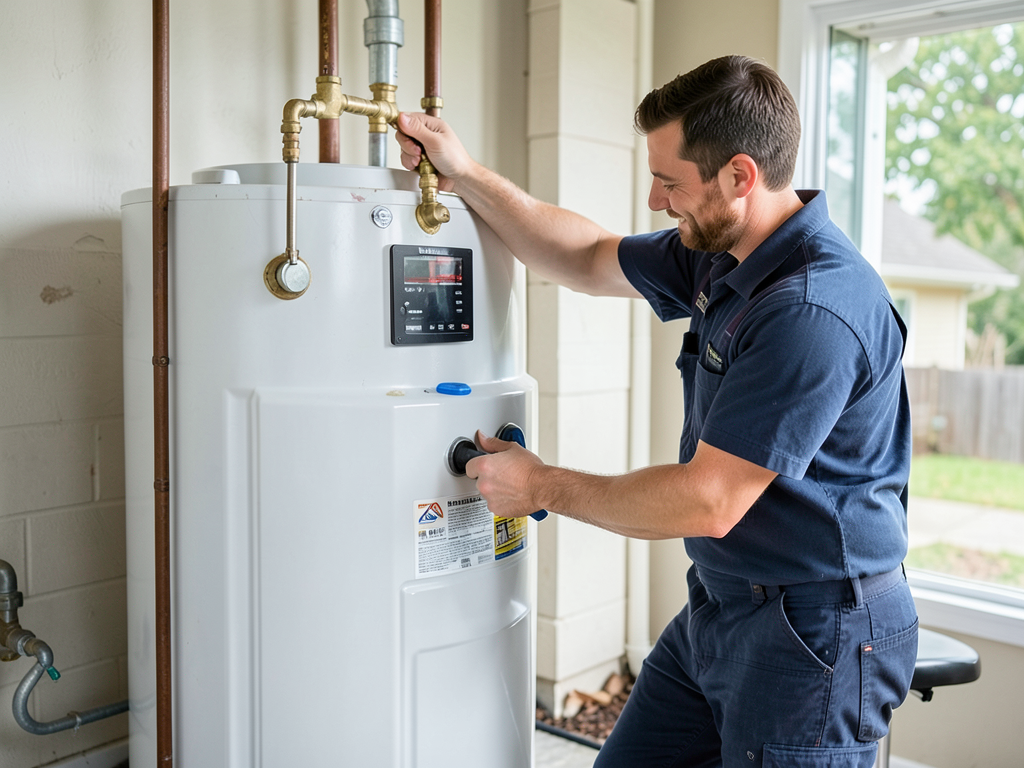
Do You Actually Need a Thermal Expansion Tank for Your New Water Heater?
Water heats up and expands. That simple fact can cause serious damage to your plumbing system if you do not have the right protection in place. A thermal expansion tank absorbs the extra pressure from heated water and prevents dangerous spikes that can rupture pipes or damage your water heater. If your home has a closed-loop system with a backflow preventer or check valve, Ohio plumbing code requires an expansion tank for safety. This article explains how these tanks work, why they matter for Columbus homes, and what signs to watch for if yours is failing. Ohio Plumbing Code Section 607.3.
What is a Thermal Expansion Tank and Why is it Necessary?
Water expands about two to three percent in volume when heated from cold to hot. In an open system that pressure escapes back into the city main. But most Columbus homes built after the 1990s have closed-loop systems with backflow preventers or check valves that trap that pressure inside your pipes. Without an expansion tank that trapped pressure has nowhere to go and builds until something fails. The most common failure point is your water heater’s temperature and pressure relief valve which can start dripping constantly or worse burst under extreme pressure. A thermal expansion tank gives that extra water a safe place to go by compressing an internal air bladder to absorb the volume increase. Your Best Options for Fast Water Heater Replacement in Dublin.
How a Thermal Expansion Tank Works (The Simple Science)
Inside the steel tank a rubber diaphragm separates an air chamber from a water chamber. The air side is pre-charged to match your home’s static water pressure usually between forty and sixty psi. When your water heater fires up and water expands it flows into the tank pushing against the diaphragm and compressing the air. The compressed air acts like a spring absorbing the extra volume and keeping system pressure stable. Once the water cools and contracts the compressed air pushes the water back into the pipes. This constant give-and-take protects your plumbing from pressure surges that can damage fixtures and appliances. EPA water safety guidelines.
Closed-Loop vs. Open-Loop Systems in Columbus Homes
Older homes in neighborhoods like German Village or Clintonville often have open-loop systems where expanded water can push back into the city main. Those homes may not need an expansion tank. But if your home has a pressure reducing valve a backflow preventer or a check valve installed on the main line you have a closed-loop system. Most newer homes in Dublin and Westerville were built with these devices to protect the city water supply from contamination. That means they also trap thermal expansion inside your plumbing. Ohio Plumbing Code Section 607.3 requires an approved expansion tank on all closed-loop domestic water systems to prevent unsafe pressure buildup. Keep Your German Village Basement Dry with a Better Sump Pump System.
5 Signs Your Expansion Tank is Failing
Recognizing the warning signs early can save you from costly repairs. Here are five common indicators that your expansion tank needs attention. First watch for a constantly dripping temperature and pressure relief valve on your water heater. That drip is often pressure trying to escape because the tank is waterlogged. Second you might notice fluctuating water pressure when you turn on faucets. Third if you tap the tank and it sounds solid instead of hollow the internal bladder has likely failed. Fourth visible corrosion or water stains around the tank fittings point to a leak. Fifth if your water pressure gauge shows readings above eighty psi when no fixtures are running your system pressure is too high and the tank is not doing its job. Water Heater Maintenance Tips.
Ohio Plumbing Code Requirements for Thermal Expansion
Ohio Plumbing Code Section 607.3 mandates that every closed-loop potable water system must have an approved thermal expansion tank. A closed-loop system is defined as any system with a one-way check valve a pressure reducing valve or a backflow preventer installed on the service line. The code requires the tank to be sized for the water heater capacity and installed on the cold water inlet with a means to isolate it for service. Franklin County and the City of Columbus both enforce this code during water heater replacements and new construction. Skipping this component not only risks property damage but also puts you in violation of state code.
Benefits: Protecting Your Water Heater and Pipes
Installing a properly sized expansion tank extends the life of your water heater by preventing the T and P valve from constantly relieving pressure which can cause mineral buildup and corrosion. It also protects your plumbing system from pressure spikes that can loosen fittings cause pinhole leaks and damage dishwashers and washing machines. For Columbus homeowners the peace of mind is worth it especially during the summer when incoming water temperatures rise and water heaters work harder. A tank sized for your water heater capacity typically costs a few hundred dollars installed and can save you thousands in potential water damage repairs.. Read more about Why the Venting Requirements for Tankless Water Heaters Matter for Tri-Village Renovations.
How to Test Your Expansion Tank Pressure
You can check if your expansion tank is still functioning with a simple pressure gauge. First shut off the cold water supply to the tank. Then use a tire pressure gauge on the Schrader valve located on the bottom or side of the tank. The reading should match your home’s static water pressure which you can check at an outside hose bib. If the tank pressure is significantly lower than your home pressure the bladder may be ruptured. If it is much higher the tank is waterlogged. Either condition means the tank is not absorbing expansion and should be replaced.
Choosing the Right Size Tank for Your Home
Tank sizing depends on your water heater capacity and incoming water pressure. A standard forty to fifty gallon water heater in a home with forty to sixty psi static pressure usually needs a two-gallon expansion tank. Larger tanks or higher pressure systems require bigger tanks. The manufacturer’s sizing chart factors in water volume temperature rise and pressure to recommend the correct model. Undersized tanks can become waterlogged quickly while oversized tanks waste space and money. A licensed plumber can calculate the exact size needed for your system to ensure code compliance and optimal performance.
Installation Best Practices and Common Mistakes
Proper installation is key to long-term reliability. The tank should mount vertically on the cold water line near the water heater with a shutoff valve for isolation. The pre-charge pressure must be set before connecting the tank. Avoid common mistakes like installing the tank horizontally which can trap air or failing to check home water pressure before sizing. Another error is ignoring the tank after installation. Like any pressure vessel the internal bladder can fail after five to ten years. Including the expansion tank in your annual plumbing inspection helps catch problems early.
Cost Considerations and ROI
A new thermal expansion tank installed by a professional typically costs between two hundred and five hundred dollars depending on size and labor. While that might seem like an added expense it protects against costly water damage and premature water heater failure. The return on investment comes in the form of fewer emergency repairs longer appliance life and code compliance that prevents failed inspections. For a relatively small upfront cost the protection it provides is significant especially in homes with high water pressure or frequent temperature swings. Professional Main Line Cleaning Services for Busy Gahanna Households.
Frequently Asked Questions About Expansion Tanks
Do I need an expansion tank if I have a tankless water heater?
Most tankless water heaters do not store hot water so they produce less thermal expansion. However if your home has a closed-loop system with high pressure or a recirculation pump an expansion tank may still be required by code. Check with a licensed plumber to confirm your specific setup. Is Upgrading to a Tankless Water Heater Worth It for Hilliard Homeowners?.
How long does a thermal expansion tank last?
The internal bladder typically lasts five to ten years depending on water quality and pressure. Signs of failure include constant T and P valve dripping fluctuating pressure or a solid sound when tapping the tank. Annual inspection helps catch aging tanks before they fail completely.
Can I install an expansion tank myself?
While some homeowners attempt DIY installation improper sizing or pressure setting can lead to system damage or code violations. A licensed plumber ensures the tank is correctly sized pre-charged and installed to meet Ohio Plumbing Code requirements.
Call (614) 707-7373 Today to Schedule Your Inspection
Protecting your home from dangerous water pressure starts with the right equipment installed the right way. If you are unsure whether your Columbus home needs a thermal expansion tank or if your current tank is failing give us a call. Our licensed plumbers will test your system pressure verify code compliance and install a properly sized tank to keep your water heater and plumbing safe. Do not wait for a burst pipe or flooded basement. Pick up the phone and call (614) 707-7373 today to schedule your inspection.
{
“@context”: “https://schema.org”,
“@type”: “BlogPosting”,
“headline”: “Do You Actually Need a Thermal Expansion Tank for Your New Water Heater?”,
“description”: “Find out if your Columbus home needs a thermal expansion tank. Learn about Ohio plumbing codes, pressure safety, and how to protect your water heater from damage.”,
“wordCount”: 1541,
“datePublished”: “2026-04-12T07:06:00.000Z”,
“dateModified”: “2026-04-12T07:06:00.000Z”,
“inLanguage”: “en-US”,
“mainEntityOfPage”: {
“@type”: “WebPage”,
“@id”: “https://firstchoiceplumbingcolumbus.com”
},
“publisher”: {
“@type”: “LocalBusiness”,
“name”: “First Choice Plumbing Columbus”,
“url”: “https://firstchoiceplumbingcolumbus.com”
},
“author”: {
“@type”: “Organization”,
“name”: “First Choice Plumbing Columbus”,
“url”: “https://firstchoiceplumbingcolumbus.com”
},
“image”: {
“@type”: “ImageObject”,
“url”: “https://firstchoiceplumbingcolumbus.com/wp-content/uploads/2026/03/do-you-actually-need-a-thermal-expansion-tank-for-1.png”
}
}
{
“@context”: “https://schema.org”,
“@type”: “Plumber”,
“name”: “First Choice Plumbing Columbus”,
“url”: “https://firstchoiceplumbingcolumbus.com”,
“address”: {
“@type”: “PostalAddress”,
“addressLocality”: “Columbus”
},
“areaServed”: {
“@type”: “City”,
“name”: “Columbus”
}
}
{
“@context”: “https://schema.org”,
“@type”: “FAQPage”,
“mainEntity”: [
{
“@type”: “Question”,
“name”: “What is a Thermal Expansion Tank and Why is it Necessary?”,
“acceptedAnswer”: {
“@type”: “Answer”,
“text”: “Water expands about two to three percent in volume when heated from cold to hot. In an open system that pressure escapes back into the city main. But most Columbus homes built after the 1990s have closed-loop systems with backflow preventers or check valves that trap that pressure inside your pipes. Without an expansion tank that trapped pressure has nowhere to go and builds until something fails. The most common failure point is your water heater’s temperature and pressure relief valve which can start dripping constantly or worse burst under extreme pressure. A thermal expansion tank gives that extra water a safe place to go by compressing an internal air bladder to absorb the volume increase. Your Best Options for Fast Water Heater Replacement in Dublin.”
}
},
{
“@type”: “Question”,
“name”: “Do I need an expansion tank if I have a tankless water heater?”,
“acceptedAnswer”: {
“@type”: “Answer”,
“text”: “Most tankless water heaters do not store hot water so they produce less thermal expansion. However if your home has a closed-loop system with high pressure or a recirculation pump an expansion tank may still be required by code. Check with a licensed plumber to confirm your specific setup. Is Upgrading to a Tankless Water Heater Worth It for Hilliard Homeowners?.”
}
},
{
“@type”: “Question”,
“name”: “How long does a thermal expansion tank last?”,
“acceptedAnswer”: {
“@type”: “Answer”,
“text”: “The internal bladder typically lasts five to ten years depending on water quality and pressure. Signs of failure include constant T and P valve dripping fluctuating pressure or a solid sound when tapping the tank. Annual inspection helps catch aging tanks before they fail completely.”
}
},
{
“@type”: “Question”,
“name”: “Can I install an expansion tank myself?”,
“acceptedAnswer”: {
“@type”: “Answer”,
“text”: “While some homeowners attempt DIY installation improper sizing or pressure setting can lead to system damage or code violations. A licensed plumber ensures the tank is correctly sized pre-charged and installed to meet Ohio Plumbing Code requirements.”
}
}
]
}
{
“@context”: “https://schema.org”,
“@type”: “BreadcrumbList”,
“itemListElement”: [
{
“@type”: “ListItem”,
“position”: 1,
“name”: “Home”,
“item”: “https://firstchoiceplumbingcolumbus.com”
},
{
“@type”: “ListItem”,
“position”: 2,
“name”: “Blog”,
“item”: “https://firstchoiceplumbingcolumbus.com/blog”
},
{
“@type”: “ListItem”,
“position”: 3,
“name”: “Do You Actually Need a Thermal Expansion Tank for Your New Water Heater?”
}
]
}
{
“@context”: “https://schema.org”,
“@type”: “Service”,
“serviceType”: “Plumbing”,
“provider”: {
“@type”: “LocalBusiness”,
“name”: “First Choice Plumbing Columbus”,
“url”: “https://firstchoiceplumbingcolumbus.com”
},
“areaServed”: {
“@type”: “City”,
“name”: “Columbus”
},
“description”: “Find out if your Columbus home needs a thermal expansion tank. Learn about Ohio plumbing codes, pressure safety, and how to protect your water heater from damage.”
}