
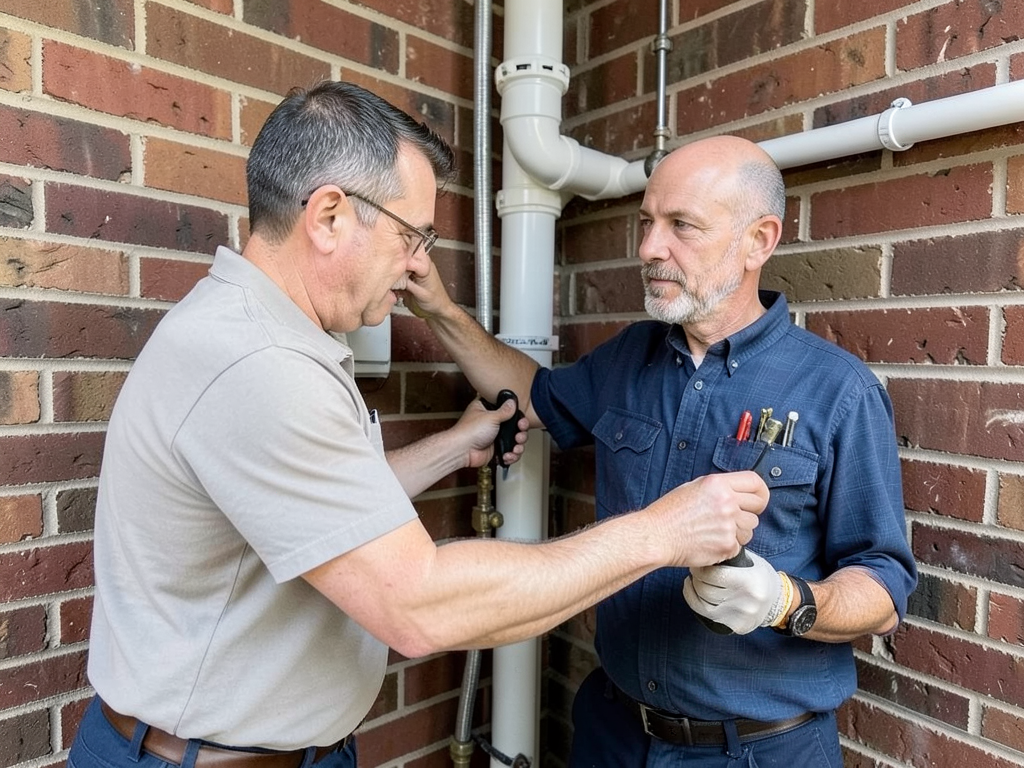
Why the Venting Requirements for Tankless Water Heaters Matter for Tri-Village Renovations
Installing a tankless water heater in a Tri-Village home means understanding Ohio’s strict venting codes and the unique challenges of narrow-lot housing near Grandview and Upper Arlington. These high-efficiency units produce more exhaust heat than traditional tanks and need proper airflow to prevent dangerous carbon monoxide buildup. Before you buy one, you need to know if your home can handle the venting requirements. Ohio Plumbing Code.
Direct Vent vs. Power Vent: Which is Right for Your Columbus Home?
Direct vent systems use two pipes—one for intake and one for exhaust—making them ideal for tight Tri-Village lots where you cannot run long horizontal runs. Power vent units use a single pipe and a fan to push exhaust out, which works well if your basement ceiling is low but your side yard is accessible. The key difference is that direct vent pulls combustion air from outside, while power vent uses indoor air, which can affect heating efficiency in Ohio winters. Keep Your German Village Basement Dry with a Better Sump Pump System.
Venting Material Requirements in Ohio
Condensing tankless units in Columbus must use PVC or CPVC Schedule 40 piping for vents because exhaust temperatures stay below 150°F. Non-condensing models need stainless steel Category III venting to handle higher heat. Using the wrong material can cause premature failure or even release harmful gases into your home. Is Upgrading to a Tankless Water Heater Worth It for Hilliard Homeowners?.
Venting Materials: PVC, CPVC, and Stainless Steel
PVC works for most condensing units because the exhaust is cool and moisture-heavy. CPVC handles slightly higher temps and is often used when the vent run exceeds 20 feet. Stainless steel Category III venting is mandatory for non-condensing units or when local codes require it for high-efficiency gas appliances.. Read more about Adding a Heavy Duty Utility Sink to Your Vassor Village Garage or Workshop.
Condensate Neutralizer Requirement
Condensing units produce acidic water that must be neutralized before draining. Ohio Plumbing Code 4101:8-14-01 requires a condensate neutralizer for any unit producing more than 2 gallons per hour of acidic runoff. Skipping this step can corrode your floor drain and violate local code. Your Best Options for Fast Water Heater Replacement in Dublin.
Termination Options: Side Wall vs. Roof
Side wall venting is the most common in Tri-Village because it avoids cutting through the roof and keeps installation costs lower. The Ohio Building Code requires at least 12 inches of clearance from windows, doors, and soffits to prevent exhaust from re-entering the home. Roof venting works for homes with steep pitches but adds complexity and cost.
Freeze Protection in Columbus Winters
Columbus experiences freeze-thaw cycles that can block vent terminations with ice. Installing a vent screen with a built-in heater or using a concentric vent kit (intake and exhaust in one pipe) prevents ice buildup. Without this, your unit may shut down during the coldest weeks of the year. Water Heater Maintenance Tips.
Ohio Building Code & Local Safety Standards
The Ohio Plumbing Code Section 4101:8-14-03 mandates specific clearances for vent terminations: 12 inches from operable windows, 3 feet from mechanical air intakes, and 1 foot above grade. Franklin County also requires a permit for any water heater replacement that involves changing the venting system. Water Stains on Ceiling or Walls.
Carbon Monoxide Safety
Every tankless installation must include a CO detector within 10 feet of the unit and in any bedroom hallway. The detector must be hardwired with battery backup per Ohio Residential Code 314.3. This is non-negotiable for life safety and code compliance.
Cold Weather Considerations
Ohio’s winter temperatures can drop below zero, causing condensation in vent pipes to freeze and block airflow. Using pre-insulated stainless steel venting or adding heat tape to PVC runs prevents this. A blocked vent can cause the unit to shut off or, worse, backdraft carbon monoxide into the home.
Retrofitting Challenges in Older Homes
Many Tri-Village homes built before 1980 have brick or masonry walls that complicate side venting. You may need a core drill and fire-rated sealant to penetrate these walls safely. The cost of retrofitting can add $500-$1,200 to the installation depending on wall construction.
Common Venting Mistakes to Avoid
Using undersized pipe, running vents too close to soffits, or skipping the condensate neutralizer are the three most common errors we see in Columbus. Each can lead to code violations, unit failure, or safety hazards. Always have a licensed plumber verify your venting plan before installation.
Cost Comparison: Venting Materials and Installation
| Venting Type | Material Cost | Installation Difficulty | Best For |
|---|---|---|---|
| PVC (Condensing) | $50-$100 per 10 ft | Easy | Most homes with condensing units |
| CPVC | $75-$125 per 10 ft | Moderate | Longer runs, higher temps |
| Stainless Steel Category III | $150-$300 per 10 ft | Hard | Non-condensing units, commercial |
Step-by-Step Venting Installation Checklist
- Verify Local Codes
Check Ohio Plumbing Code and Franklin County permit requirements.
- Select Venting Material
Match material to unit type and exhaust temperature.
- Plan Termination Point
Ensure proper clearance from windows, doors, and soffits.
- Install Condensate Neutralizer
Required for units producing acidic runoff.
- Mount CO Detectors
Install per Ohio Residential Code near the unit and in hallways.
- Test for Backdraft
Verify no exhaust enters the home during operation.
Frequently Asked Questions
Can I use my existing chimney for a tankless water heater vent?
No. Tankless units require sealed, direct venting. Existing chimneys are too large and lack the proper seals to prevent backdrafting.
How long does tankless venting installation take?
Most installations take 4-6 hours for a straightforward side wall vent. Complex retrofits through masonry or roof can take 8-10 hours.
Will my homeowner’s insurance cover venting code violations?
Generally no. Insurance typically excludes damage from code violations or improper installations. Always use a licensed plumber.
What happens if my vent freezes in winter?
The unit will shut down to prevent carbon monoxide buildup. Using pre-insulated venting or heat tape prevents this issue.
Do I need a permit to replace my water heater venting?
Yes. Franklin County requires a permit for any venting modification or water heater replacement involving a different fuel type or efficiency rating.. Read more about Switching from Electric to Gas Water Heating in Riverbend (Is the Conversion Worth the Cost?).
Call (614) 707-7373 today to schedule your inspection. Don’t risk carbon monoxide exposure or code violations—get it done right the first time. For more information, visit EPA Carbon Monoxide Safety.
You may also find this helpful. Turning Your Woodland Park Master Bath into a Spa with a Custom Steam Shower.
You may also find this helpful. Choosing Between Salt-Based Softeners and Salt-Free Conditioners for Walnut Heights Homes.
You may also find this helpful. Comparing Rheem and Bradford White Water Heaters for Your South Linden Rental Property.
{
“@context”: “https://schema.org”,
“@type”: “BlogPosting”,
“headline”: “Why the Venting Requirements for Tankless Water Heaters Matter for Tri-Village Renovations”,
“description”: “Learn how Ohio building codes, Tri-Village home layouts, and Columbus winters impact tankless water heater venting. Get expert advice from First Choice Plumbing.”,
“wordCount”: 1039,
“datePublished”: “2026-05-05T11:07:00.000Z”,
“dateModified”: “2026-05-05T11:07:00.000Z”,
“inLanguage”: “en-US”,
“mainEntityOfPage”: {
“@type”: “WebPage”,
“@id”: “https://firstchoiceplumbingcolumbus.com”
},
“publisher”: {
“@type”: “LocalBusiness”,
“name”: “First Choice Plumbing Columbus”,
“url”: “https://firstchoiceplumbingcolumbus.com”
},
“author”: {
“@type”: “Organization”,
“name”: “First Choice Plumbing Columbus”,
“url”: “https://firstchoiceplumbingcolumbus.com”
},
“image”: {
“@type”: “ImageObject”,
“url”: “https://firstchoiceplumbingcolumbus.com/wp-content/uploads/2026/03/why-the-venting-requirements-for-tankless-water-he-1.png”
}
}
{
“@context”: “https://schema.org”,
“@type”: “Plumber”,
“name”: “First Choice Plumbing Columbus”,
“url”: “https://firstchoiceplumbingcolumbus.com”,
“address”: {
“@type”: “PostalAddress”,
“addressLocality”: “Columbus”
},
“areaServed”: {
“@type”: “City”,
“name”: “Columbus”
}
}
{
“@context”: “https://schema.org”,
“@type”: “FAQPage”,
“mainEntity”: [
{
“@type”: “Question”,
“name”: “Direct Vent vs. Power Vent: Which is Right for Your Columbus Home?”,
“acceptedAnswer”: {
“@type”: “Answer”,
“text”: “Direct vent systems use two pipes—one for intake and one for exhaust—making them ideal for tight Tri-Village lots where you cannot run long horizontal runs. Power vent units use a single pipe and a fan to push exhaust out, which works well if your basement ceiling is low but your side yard is accessible. The key difference is that direct vent pulls combustion air from outside, while power vent uses indoor air, which can affect heating efficiency in Ohio winters. Keep Your German Village Basement Dry with a Better Sump Pump System.”
}
},
{
“@type”: “Question”,
“name”: “Can I use my existing chimney for a tankless water heater vent?”,
“acceptedAnswer”: {
“@type”: “Answer”,
“text”: “No. Tankless units require sealed, direct venting. Existing chimneys are too large and lack the proper seals to prevent backdrafting.”
}
},
{
“@type”: “Question”,
“name”: “How long does tankless venting installation take?”,
“acceptedAnswer”: {
“@type”: “Answer”,
“text”: “Most installations take 4-6 hours for a straightforward side wall vent. Complex retrofits through masonry or roof can take 8-10 hours.”
}
},
{
“@type”: “Question”,
“name”: “Will my homeowner’s insurance cover venting code violations?”,
“acceptedAnswer”: {
“@type”: “Answer”,
“text”: “Generally no. Insurance typically excludes damage from code violations or improper installations. Always use a licensed plumber.”
}
},
{
“@type”: “Question”,
“name”: “What happens if my vent freezes in winter?”,
“acceptedAnswer”: {
“@type”: “Answer”,
“text”: “The unit will shut down to prevent carbon monoxide buildup. Using pre-insulated venting or heat tape prevents this issue.”
}
},
{
“@type”: “Question”,
“name”: “Do I need a permit to replace my water heater venting?”,
“acceptedAnswer”: {
“@type”: “Answer”,
“text”: “Yes. Franklin County requires a permit for any venting modification or water heater replacement involving a different fuel type or efficiency rating.”
}
}
]
}
{
“@context”: “https://schema.org”,
“@type”: “HowTo”,
“name”: “Tankless Water Heater Venting Installation”,
“step”: [
{
“@type”: “HowToStep”,
“position”: 1,
“name”: “Verify Local Codes”,
“text”: “Check Ohio Plumbing Code and Franklin County permit requirements.”
},
{
“@type”: “HowToStep”,
“position”: 2,
“name”: “Select Venting Material”,
“text”: “Match material to unit type and exhaust temperature.”
},
{
“@type”: “HowToStep”,
“position”: 3,
“name”: “Plan Termination Point”,
“text”: “Ensure proper clearance from windows, doors, and soffits.”
},
{
“@type”: “HowToStep”,
“position”: 4,
“name”: “Install Condensate Neutralizer”,
“text”: “Required for units producing acidic runoff.”
},
{
“@type”: “HowToStep”,
“position”: 5,
“name”: “Mount CO Detectors”,
“text”: “Install per Ohio Residential Code near the unit and in hallways.”
},
{
“@type”: “HowToStep”,
“position”: 6,
“name”: “Test for Backdraft”,
“text”: “Verify no exhaust enters the home during operation.”
}
],
“image”: “https://firstchoiceplumbingcolumbus.com/wp-content/uploads/2026/03/why-the-venting-requirements-for-tankless-water-he-1.png”
}
{
“@context”: “https://schema.org”,
“@type”: “BreadcrumbList”,
“itemListElement”: [
{
“@type”: “ListItem”,
“position”: 1,
“name”: “Home”,
“item”: “https://firstchoiceplumbingcolumbus.com”
},
{
“@type”: “ListItem”,
“position”: 2,
“name”: “Blog”,
“item”: “https://firstchoiceplumbingcolumbus.com/blog”
},
{
“@type”: “ListItem”,
“position”: 3,
“name”: “Why the Venting Requirements for Tankless Water Heaters Matter for Tri-Village Renovations”
}
]
}
{
“@context”: “https://schema.org”,
“@type”: “Service”,
“serviceType”: “Plumbing”,
“provider”: {
“@type”: “LocalBusiness”,
“name”: “First Choice Plumbing Columbus”,
“url”: “https://firstchoiceplumbingcolumbus.com”
},
“areaServed”: {
“@type”: “City”,
“name”: “Columbus”
},
“description”: “Learn how Ohio building codes, Tri-Village home layouts, and Columbus winters impact tankless water heater venting. Get expert advice from First Choice Plumbing.”
}