Comparing Battery Backups and Water-Powered Sump Pumps for Your Westgate Basement
Westgate homeowners face unique basement flooding risks during Central Ohio’s heavy spring rains and sudden summer thunderstorms. Your primary sump pump works hard to keep water out but fails when the power goes out. That’s when you need a backup system. Battery backup and water-powered sump pumps both protect your basement during outages but work completely differently. Understanding these differences helps you choose the right system for your specific home setup and risk level. Ohio EPA cross-connection control regulations.
How Battery Backup Sump Pumps Work in Westgate Homes
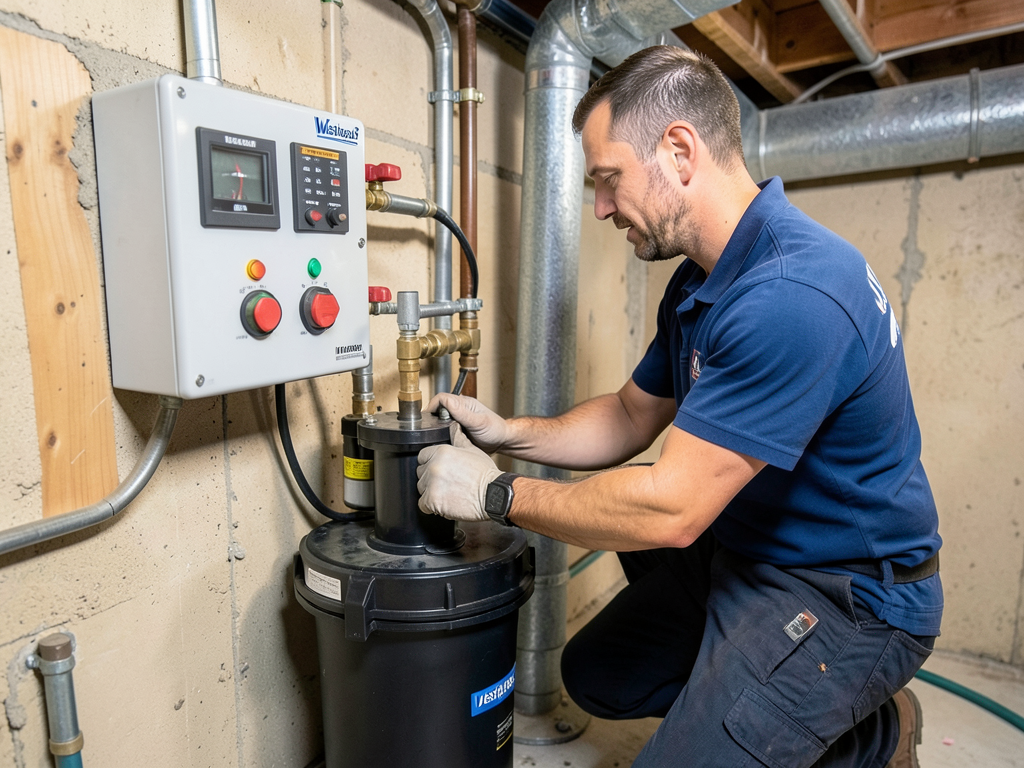
Battery backup systems use a secondary pump connected to a deep-cycle battery. When your primary pump loses power the battery automatically activates the backup pump. These systems typically run on AGM batteries that provide 6-10 hours of continuous pumping depending on your sump pit’s water volume. The backup pump connects to your existing discharge line through a check valve and activates when water rises above normal levels. Your Best Options for Fast Water Heater Replacement in Dublin.
The key advantage is immediate response. When AEP Ohio power fails your battery backup starts pumping within seconds. Most Westgate homes have 10-15 feet of lift from basement floor to discharge point which affects pumping capacity. Quality battery backups deliver 1800-2400 gallons per hour at typical lift heights keeping your basement dry during most outages. AEP Ohio power outage data.
Maintenance involves checking battery water levels every 3-4 months and testing the system monthly. Batteries last 3-5 years in Ohio’s climate before needing replacement. The control panel alerts you to low battery voltage or pump failure giving you advance warning before problems occur. Water Heater Maintenance Tips.
Water-Powered Sump Pump Technology Explained
Water-powered systems use municipal water pressure to create suction that removes water from your sump pit. These pumps operate using the Venturi effect where high-pressure water flows through a constricted area creating a vacuum that draws sump water up and out. No electricity or batteries required. Water Stains on Ceiling or Walls.
The system activates when your primary pump fails and water rises in the pit. Municipal water flows through the pump creating enough suction to remove 750-1500 gallons per hour depending on your home’s water pressure. Columbus city water typically provides 40-60 PSI at most Westgate homes which meets minimum requirements for these systems.. Read more about How Interior Drain Tile Systems Keep Urbancrest Basements Bone Dry During Heavy Rain.
Installation requires a dedicated water line connection and proper backflow prevention. Franklin County plumbing code mandates RPZ (Reduced Pressure Zone) valves on water-powered pumps to prevent contamination of your drinking water supply. The system runs continuously as long as municipal water pressure remains available.. Read more about What to Know About Plumbing Rough-Ins Before Finishing Your Northcrest Basement.
Water usage becomes the main consideration. During heavy flooding a water-powered pump might use 1-2 gallons of city water to remove 1 gallon of sump water. This means higher water bills during extended outages but eliminates battery replacement costs.
Head-to-Head Comparison: Battery vs Water-Powered Systems
| Feature | Battery Backup | Water-Powered |
|---|---|---|
| Initial Cost | $500-900 installed | $400-700 installed |
| Runtime | 6-10 hours continuous | Unlimited (with water pressure) |
| Maintenance | Battery checks every 3 months | Annual inspection only |
| Lifespan | 5-7 years total | 15-20 years |
| Performance | 1800-2400 GPH | 750-1500 GPH |
| Works With Well Water | Yes | No |
Columbus-Specific Considerations for Your Backup System
Westgate’s location in Columbus affects which system works best for your home. Most properties have municipal water from Columbus City Utilities with adequate pressure for water-powered pumps. However some homes near the city limits or in newer developments might have lower pressure or well water systems.
Franklin County building codes require RPZ backflow preventers on water-powered installations per Ohio EPA cross-connection control regulations. This adds $150-200 to installation costs but protects your drinking water. Battery systems need no special permits beyond standard plumbing work.
Columbus experiences 2-3 major power outage events annually according to AEP Ohio data. Most last under 4 hours but severe storms can cause 12+ hour outages. Battery systems handle typical outages easily but extended events require generator backup or switching to water-powered operation.
Spring flooding in Westgate often follows heavy rains when ground saturation is highest. Both systems perform well during these events but water-powered pumps maintain operation longer if the outage coincides with peak flooding conditions.
Making the Right Choice for Your Westgate Home
Your decision depends on several factors specific to your property. Homes with municipal water and adequate pressure (40+ PSI) can choose either system. Well water homes must use battery backup since water-powered pumps won’t function without city pressure.
Consider your flooding risk level. Low-risk basements with minor moisture issues might only need basic battery backup. High-risk areas with history of standing water benefit from water-powered systems’ unlimited runtime despite lower pumping capacity.
Budget factors matter. Battery systems cost more upfront but water-powered systems increase monthly water bills during use. Over 10 years a water-powered system might cost $200-400 in additional water usage versus $300-500 in battery replacements for battery systems.
Installation complexity varies. Battery backups connect to existing plumbing with minimal modifications. Water-powered systems require new water line runs and backflow preventer installation which increases labor time by 2-3 hours.
Installation and Maintenance Best Practices
Professional installation ensures code compliance and proper system function. Licensed plumbers in Columbus understand local water pressure variations and building code requirements. DIY installation often violates backflow prevention rules or creates improper discharge configurations. Professional Main Line Cleaning Services for Busy Gahanna Households.
Test your backup system monthly by pouring water into the sump pit until the backup activates. Check battery voltage with a multimeter quarterly. Inspect discharge lines for clogs or freezing in winter months. These simple steps prevent failures when you need protection most.
Consider dual-pump configurations for maximum protection. A primary electric pump handles normal conditions while battery and water-powered backups provide layered protection. This setup costs $1200-1800 but offers complete coverage regardless of power or water supply status.
Smart monitoring adds another protection layer. Wi-Fi enabled controllers send alerts to your phone when backup systems activate or batteries need replacement. Some models integrate with home automation systems for comprehensive monitoring.
Frequently Asked Questions
Can I install a backup pump myself?
DIY installation violates Columbus plumbing codes especially for water-powered systems requiring RPZ valves. Improper installation creates cross-connection risks contaminating your drinking water. Professional installation ensures code compliance and warranty coverage.
How long do backup batteries actually last?
AGM batteries in Ohio’s climate typically last 3-5 years. Extreme temperatures shorten lifespan while proper maintenance extends it. Test battery voltage annually and replace when capacity drops below 80% of original rating.
Will a water-powered pump work during a city-wide water main break?
No. Water-powered pumps need consistent municipal water pressure to function. During widespread outages or main breaks these systems become inoperative. Battery backups continue working regardless of water supply status.
What’s the monthly cost difference between systems?
Battery systems have no ongoing costs beyond electricity for charging. Water-powered systems increase water bills by $3-8 monthly during typical use but can spike to $20-50 during heavy flooding events.
Do I need a permit for sump pump backup installation?
Franklin County requires permits for all plumbing modifications including backup pump installations. Water-powered systems need additional approval for backflow preventer installation. Your plumber handles permitting as part of the installation process.
Protect Your Westgate Basement Before the Next Storm
Columbus spring storms arrive without warning and basement flooding causes thousands in damage within hours. Don’t wait until water fills your basement to consider backup protection. A properly installed sump pump backup system provides peace of mind and prevents costly water damage to your home’s foundation, HVAC equipment, and personal belongings.
Most Westgate homeowners recover their backup system investment within one prevented flooding event. Insurance deductibles and water damage restoration costs often exceed $5000 for even minor basement flooding. Your backup system costs a fraction of that while protecting your home 24/7.
Call (614) 707-7373 today to schedule your sump pump backup consultation. Our Columbus plumbers will evaluate your specific needs, water pressure, and flooding risk to recommend the right protection for your home. Don’t let the next power outage become your next disaster.
{
“@context”: “https://schema.org”,
“@type”: “BlogPosting”,
“headline”: “Comparing Battery Backups and Water-Powered Sump Pumps for Your Westgate Basement”,
“description”: “Learn which sump pump backup system is best for Westgate homes. Compare battery vs water-powered options for Columbus basements facing heavy spring rains.”,
“wordCount”: 1345,
“datePublished”: “2026-04-27T14:21:00.000Z”,
“dateModified”: “2026-04-27T14:21:00.000Z”,
“inLanguage”: “en-US”,
“mainEntityOfPage”: {
“@type”: “WebPage”,
“@id”: “https://firstchoiceplumbingcolumbus.com”
},
“publisher”: {
“@type”: “LocalBusiness”,
“name”: “First Choice Plumbing Columbus”,
“url”: “https://firstchoiceplumbingcolumbus.com”
},
“author”: {
“@type”: “Organization”,
“name”: “First Choice Plumbing Columbus”,
“url”: “https://firstchoiceplumbingcolumbus.com”
},
“image”: {
“@type”: “ImageObject”,
“url”: “https://firstchoiceplumbingcolumbus.com/wp-content/uploads/2026/03/comparing-battery-backups-and-water-powered-sump-p-1.png”
}
}
{
“@context”: “https://schema.org”,
“@type”: “Plumber”,
“name”: “First Choice Plumbing Columbus”,
“url”: “https://firstchoiceplumbingcolumbus.com”,
“address”: {
“@type”: “PostalAddress”,
“addressLocality”: “Columbus”
},
“areaServed”: {
“@type”: “City”,
“name”: “Columbus”
}
}
{
“@context”: “https://schema.org”,
“@type”: “FAQPage”,
“mainEntity”: [
{
“@type”: “Question”,
“name”: “Can I install a backup pump myself?”,
“acceptedAnswer”: {
“@type”: “Answer”,
“text”: “DIY installation violates Columbus plumbing codes especially for water-powered systems requiring RPZ valves. Improper installation creates cross-connection risks contaminating your drinking water. Professional installation ensures code compliance and warranty coverage.”
}
},
{
“@type”: “Question”,
“name”: “How long do backup batteries actually last?”,
“acceptedAnswer”: {
“@type”: “Answer”,
“text”: “AGM batteries in Ohio’s climate typically last 3-5 years. Extreme temperatures shorten lifespan while proper maintenance extends it. Test battery voltage annually and replace when capacity drops below 80% of original rating.”
}
},
{
“@type”: “Question”,
“name”: “Will a water-powered pump work during a city-wide water main break?”,
“acceptedAnswer”: {
“@type”: “Answer”,
“text”: “No. Water-powered pumps need consistent municipal water pressure to function. During widespread outages or main breaks these systems become inoperative. Battery backups continue working regardless of water supply status.”
}
},
{
“@type”: “Question”,
“name”: “What’s the monthly cost difference between systems?”,
“acceptedAnswer”: {
“@type”: “Answer”,
“text”: “Battery systems have no ongoing costs beyond electricity for charging. Water-powered systems increase water bills by $3-8 monthly during typical use but can spike to $20-50 during heavy flooding events.”
}
},
{
“@type”: “Question”,
“name”: “Do I need a permit for sump pump backup installation?”,
“acceptedAnswer”: {
“@type”: “Answer”,
“text”: “Franklin County requires permits for all plumbing modifications including backup pump installations. Water-powered systems need additional approval for backflow preventer installation. Your plumber handles permitting as part of the installation process.”
}
}
]
}
{
“@context”: “https://schema.org”,
“@type”: “BreadcrumbList”,
“itemListElement”: [
{
“@type”: “ListItem”,
“position”: 1,
“name”: “Home”,
“item”: “https://firstchoiceplumbingcolumbus.com”
},
{
“@type”: “ListItem”,
“position”: 2,
“name”: “Blog”,
“item”: “https://firstchoiceplumbingcolumbus.com/blog”
},
{
“@type”: “ListItem”,
“position”: 3,
“name”: “Comparing Battery Backups and Water-Powered Sump Pumps for Your Westgate Basement”
}
]
}
{
“@context”: “https://schema.org”,
“@type”: “Service”,
“serviceType”: “Plumbing”,
“provider”: {
“@type”: “LocalBusiness”,
“name”: “First Choice Plumbing Columbus”,
“url”: “https://firstchoiceplumbingcolumbus.com”
},
“areaServed”: {
“@type”: “City”,
“name”: “Columbus”
},
“description”: “Learn which sump pump backup system is best for Westgate homes. Compare battery vs water-powered options for Columbus basements facing heavy spring rains.”
}