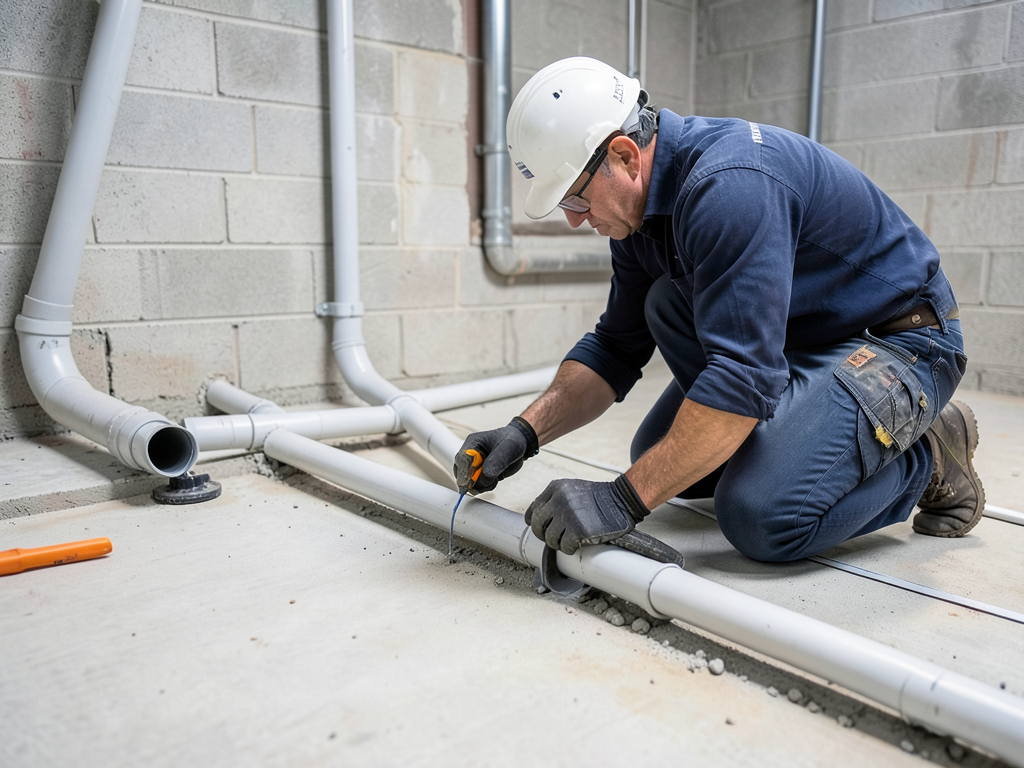
Finishing your basement in Northcrest is an exciting home improvement project that adds valuable living space to your home. But before you start hanging drywall or laying flooring, there’s a critical step that determines the success of your entire renovation: the plumbing rough-in. This process sets the foundation for any bathroom, wet bar, or utility space you plan to add below grade.
The plumbing rough-in involves installing all the hidden infrastructure – water supply lines, drain pipes, vent stacks, and waste lines – before walls are closed up. Getting this phase right prevents costly mistakes and ensures your finished basement meets Columbus building codes while functioning properly for years to come. Your Best Options for Fast Water Heater Replacement in Dublin.
In this guide, we’ll walk through everything you need to know about basement plumbing rough-ins specific to Northcrest homes, including local code requirements, common challenges with our area’s clay soil, and what to expect from a professional installation. Professional Main Line Cleaning Services for Busy Gahanna Households.
Understanding the Northcrest Basement Plumbing Challenge
Northcrest homes, like many in Columbus’s northern suburbs, were primarily built during the 1970s and 1980s housing boom. These homes typically feature full basements with concrete slab floors that sit below the frost line – a requirement for our Midwest climate where winter temperatures regularly drop below freezing.
The challenge with these basements is that the main sewer line often exits the home at a higher elevation than the basement floor. This means any new bathroom fixtures below grade require special considerations for waste removal. Without proper planning, you could face expensive rework or worse – a finished basement that can’t function as intended.
According to the Franklin County Department of Building Inspection, basement bathroom installations must comply with Ohio Plumbing Code Section 305, which specifically addresses below-grade drainage and venting requirements. This code ensures proper air circulation and prevents dangerous sewer gas from entering living spaces. Ohio Plumbing Code.
Key Components of a Basement Rough-In
A complete basement rough-in includes several interconnected systems that work together to deliver clean water and remove waste efficiently. Understanding these components helps you communicate effectively with your plumber and recognize quality work. Water Heater Maintenance Tips.
Water Supply Lines deliver fresh water to your fixtures. In Northcrest basements, plumbers typically use PEX (cross-linked polyethylene) tubing because it resists freezing better than copper and flexes with minor foundation movement. The main supply line connects to your home’s existing plumbing, usually near the water heater.
Drain-Waste-Vent (DWV) System handles wastewater removal. These pipes must maintain proper slope – typically 1/4 inch per foot – to ensure gravity carries waste to the main sewer line. The vent system equalizes air pressure and allows sewer gases to escape through the roof.
Sewage Ejector Systems become necessary when basement fixtures sit below the main sewer line elevation. These systems use a pump and sealed tank to grind waste and pump it upward to the main drain. For Northcrest homes, a 3/4 horsepower ejector pump typically handles a full bathroom’s waste load.
Cleanouts and Access Points provide maintenance access for future plumbing issues. Code requires cleanouts at key locations, including the main sewer line tie-in point and any horizontal runs longer than 100 feet.
Columbus Code Requirements for Basement Plumbing
Columbus and Franklin County have specific requirements that go beyond basic plumbing codes. The Columbus Department of Building and Zoning Services enforces these standards to protect public health and ensure proper system function. Franklin County Building Permits.
Section 305.4 of the Ohio Plumbing Code mandates that all below-grade drainage systems include a backwater valve. This one-way valve prevents sewage from backing up into your basement during heavy rainfall or municipal sewer overflows – a common concern in older Columbus neighborhoods. Water Stains on Ceiling or Walls.
Vent pipe sizing also follows strict guidelines. For a typical basement bathroom, the main vent stack must be at least 2 inches in diameter, with individual fixture vents no smaller than 1.5 inches. These vents must extend through the roof and terminate at least 12 inches above the roof surface.
Another critical requirement involves water hammer arrestors on quick-closing valves like washing machine supplies and dishwasher connections. These small devices prevent the loud banging noises that occur when water flow suddenly stops, protecting your pipes from damage over time.. Read more about Switching from Electric to Gas Water Heating in Riverbend (Is the Conversion Worth the Cost?).
Before any work begins, you’ll need permits from Franklin County. The permit process includes submitting detailed plans showing pipe locations, fixture types, and tie-in points. Inspections occur at rough-in completion and again before walls are closed.
Common Basement Plumbing Scenarios in Northcrest
Not all basement rough-ins are created equal. The existing conditions in your Northcrest home determine which approach makes the most sense for your project.
Scenario 1: Existing Plumbing Infrastructure – Some Northcrest homes were built with future bathroom plumbing already roughed in. If you’re lucky enough to have this setup, your rough-in costs decrease significantly since the main lines are already in place. Look for capped pipes protruding from the basement floor or walls.
Scenario 2: Direct Below-Grade Connection – If your main sewer line runs deep enough, new bathroom fixtures can tie directly into the existing system. This scenario works well when the sewer line exits the home at least 4 feet below the basement floor level, eliminating the need for a sewage ejector pump.
Scenario 3: Sewage Ejector System Required – Most Northcrest basements need some form of ejector system. The cost difference between a basic upflush toilet system and a full sewage ejector tank with pump can be substantial – typically $1,500 to $3,000 depending on the system capacity and installation complexity.
Scenario 4: Above-Floor Plumbing Solutions – For homeowners who want to avoid breaking concrete, above-floor systems like Saniflo use macerating pumps to handle waste without extensive trenching. While these systems work well for half-baths, they have limitations with multiple fixtures or high-volume use.
Step-by-Step Basement Rough-In Process
Understanding the installation sequence helps you plan your basement finishing project and coordinate with other trades. Here’s what happens during a professional rough-in:
- Planning and Layout
The plumber reviews your plans, marks pipe locations on the floor, and determines tie-in points to existing plumbing. This step includes measuring distances to ensure proper pipe slopes and vent routing.
- Concrete Breaking and Excavation
Using jackhammers and concrete saws, the crew cuts trenches for drain lines. In Northcrest’s clay soil conditions, water tables can be high, so crews often encounter moisture during excavation.. Read more about How Interior Drain Tile Systems Keep Urbancrest Basements Bone Dry During Heavy Rain.
- Main Drain Installation
Schedule 40 PVC pipes are installed with proper slope, typically 1/4 inch per foot. All connections use PVC primer and cement for watertight seals. Cleanouts are installed at required intervals.
- Vent Stack Installation
Vents run vertically to the main vent stack or through the roof. Proper venting prevents traps from being siphoned dry and eliminates gurgling sounds from fixtures.
- Supply Line Installation
PEX tubing is run to fixture locations, typically 1/2 inch for individual fixtures and 3/4 inch for main runs. All lines are secured and pressure tested before closing walls.
- Sewage Ejector Setup
If needed, the ejector tank is installed, connected to drain lines, and the pump is wired to a dedicated electrical circuit with proper GFCI protection.
- Backwater Valve Installation
The one-way valve is installed on the main sewer line tie-in to prevent backflow during heavy rains or municipal sewer issues.
- Pressure Testing
The entire system undergoes air pressure testing to check for leaks. Any issues are addressed before final inspection.
Cost Factors Specific to Northcrest Homes
Several factors unique to Northcrest and the surrounding Columbus area affect your basement rough-in costs. Understanding these helps you budget accurately and avoid surprises.
Concrete Slab Thickness – Northcrest homes typically have 4-inch concrete slabs, but some areas have thicker sections near load-bearing walls. Thicker concrete increases jackhammering time and disposal costs.
Soil Conditions – Franklin County’s clay soil can hold significant moisture. High water tables mean crews may need to install temporary pumps during excavation, adding labor hours to the project.
Existing Plumbing Accessibility – The distance from your basement to the main plumbing stack affects tie-in complexity. Some Northcrest homes have the main stack in interior walls, requiring longer pipe runs and more fittings.
Permit and Inspection Fees – Franklin County charges based on project scope. A basic basement bathroom rough-in typically costs $150-$300 in permit fees, with additional fees for each inspection required.
Material Quality and Code Compliance – Ohio Plumbing Code requires specific materials and installation methods. While cheaper alternatives exist, using code-compliant materials prevents failed inspections and ensures long-term reliability.
DIY vs. Professional Rough-In: Making the Right Choice
While some homeowners consider tackling basement rough-ins themselves to save money, this approach carries significant risks. Professional plumbers bring expertise that prevents costly mistakes and ensures code compliance.. Read more about Why Hungarian Village Homeowners Should Upgrade to Automatic Washing Machine Shut-Off Valves.
DIY Risks include incorrect pipe slopes that cause frequent clogs, improper venting that allows sewer gases into your home, and failed inspections that delay your entire project. A single mistake can cost thousands to correct once walls are closed.
Professional Advantages include proper code knowledge, warranty protection, and relationships with inspectors. Experienced plumbers also work faster and more efficiently, often completing rough-ins in 2-3 days versus a week or more for DIY attempts.
Consider this diagnostic test: if you’re unsure whether your basement needs a sewage ejector system, pour a 5-gallon bucket of water down your floor drain. If it backs up or drains slowly, you likely have a high water table or poor drainage – conditions that complicate DIY plumbing work.
Timeline and Project Planning
A typical basement rough-in takes 2-5 days depending on complexity, but the entire process from planning to final inspection spans several weeks.
Week 1: Planning and Permitting – Meet with your plumber, finalize plans, and submit permit applications. Franklin County typically processes permits within 3-5 business days.
Week 2: Rough-In Installation – The actual plumbing work occurs during this week. Weather rarely affects indoor work, but excavation in wet conditions may extend timelines.
Week 3: Inspections and Corrections – The rough-in inspection occurs 24-48 hours after completion. If corrections are needed, factor additional time for rework and re-inspection.
Week 4: Ready for Finishing – Once inspections pass, you can proceed with framing, electrical, and HVAC work. Many contractors coordinate these trades to minimize project duration.
Frequently Asked Questions
How much does a basement rough-in typically cost in Northcrest?
Basement rough-in costs vary significantly based on project scope. A basic half-bath with minimal excavation typically ranges from $2,500 to $4,000. A full bathroom with sewage ejector system usually costs $4,000 to $7,000. These estimates include materials, labor, and permit fees specific to Franklin County requirements.
Can I finish my basement without adding plumbing fixtures?
Yes, you can finish a basement as living space without plumbing. However, many homeowners later regret not including rough-in plumbing during initial construction. Adding plumbing after finishing is significantly more expensive and disruptive than installing it during the initial renovation.
How do I know if my basement needs a sewage ejector pump?
Measure the distance from your basement floor to the point where your main sewer line exits the home. If this distance is less than 4 feet, you’ll likely need a sewage ejector system. Your plumber can verify this during the planning phase using a sewer camera inspection if needed.
What happens if my rough-in fails inspection?
Failed inspections require corrections before walls can be closed. Common issues include improper pipe slopes, missing cleanouts, or inadequate venting. Your plumber should guarantee their work and handle any necessary corrections at no additional cost to you.
How long will my rough-in plumbing last?
Quality rough-in plumbing typically lasts 30-50 years or more with proper installation. PVC drain lines and PEX supply lines resist corrosion and chemical degradation. The sewage ejector pump may need replacement every 7-10 years depending on usage and maintenance.
Getting Started with Your Northcrest Basement Project
Before you begin any basement finishing work, schedule a professional plumbing assessment. A qualified plumber will evaluate your existing conditions, discuss your plans, and provide detailed recommendations specific to your Northcrest home.
Look for plumbers with specific basement rough-in experience and positive reviews from other Northcrest homeowners. Ask about their familiarity with Franklin County codes and their process for handling inspections and permits.
Remember that the cheapest quote often isn’t the best value. Quality workmanship prevents expensive repairs and ensures your finished basement functions properly for years to come. Investing in professional rough-in plumbing protects your entire renovation investment.
Ready to start planning your basement transformation? Call (614) 707-7373 today to schedule your professional assessment. Our experienced team understands the unique challenges of Northcrest basements and will ensure your rough-in meets all local requirements while supporting your vision for the space.
Don’t let plumbing complications derail your basement finishing dreams. With proper planning and professional installation, your new basement space will provide years of reliable service and added home value.
You may also find this helpful. Turning Your Woodland Park Master Bath into a Spa with a Custom Steam Shower.
You may also find this helpful. Choosing Between Salt-Based Softeners and Salt-Free Conditioners for Walnut Heights Homes.
You may also find this helpful. Comparing Reverse Osmosis and Carbon Filters for the Best Drinking Water in Northcrest.
{
“@context”: “https://schema.org”,
“@type”: “BlogPosting”,
“headline”: “What to Know About Plumbing Rough-Ins Before Finishing Your Northcrest Basement”,
“description”: “Planning a basement remodel in Northcrest? Learn about rough-in plumbing costs, Columbus code requirements, and what to expect before finishing your basement.”,
“wordCount”: 2150,
“datePublished”: “2026-04-28T13:55:00.000Z”,
“dateModified”: “2026-04-28T13:55:00.000Z”,
“inLanguage”: “en-US”,
“mainEntityOfPage”: {
“@type”: “WebPage”,
“@id”: “https://firstchoiceplumbingcolumbus.com”
},
“publisher”: {
“@type”: “LocalBusiness”,
“name”: “First Choice Plumbing Columbus”,
“url”: “https://firstchoiceplumbingcolumbus.com”
},
“author”: {
“@type”: “Organization”,
“name”: “First Choice Plumbing Columbus”,
“url”: “https://firstchoiceplumbingcolumbus.com”
},
“image”: {
“@type”: “ImageObject”,
“url”: “https://firstchoiceplumbingcolumbus.com/wp-content/uploads/2026/03/what-to-know-about-plumbing-rough-ins-before-finis-1.png”
}
}
{
“@context”: “https://schema.org”,
“@type”: “Plumber”,
“name”: “First Choice Plumbing Columbus”,
“url”: “https://firstchoiceplumbingcolumbus.com”,
“address”: {
“@type”: “PostalAddress”,
“addressLocality”: “Columbus”
},
“areaServed”: {
“@type”: “City”,
“name”: “Columbus”
}
}
{
“@context”: “https://schema.org”,
“@type”: “FAQPage”,
“mainEntity”: [
{
“@type”: “Question”,
“name”: “How much does a basement rough-in typically cost in Northcrest?”,
“acceptedAnswer”: {
“@type”: “Answer”,
“text”: “Basement rough-in costs vary significantly based on project scope. A basic half-bath with minimal excavation typically ranges from $2,500 to $4,000. A full bathroom with sewage ejector system usually costs $4,000 to $7,000. These estimates include materials, labor, and permit fees specific to Franklin County requirements.”
}
},
{
“@type”: “Question”,
“name”: “Can I finish my basement without adding plumbing fixtures?”,
“acceptedAnswer”: {
“@type”: “Answer”,
“text”: “Yes, you can finish a basement as living space without plumbing. However, many homeowners later regret not including rough-in plumbing during initial construction. Adding plumbing after finishing is significantly more expensive and disruptive than installing it during the initial renovation.”
}
},
{
“@type”: “Question”,
“name”: “How do I know if my basement needs a sewage ejector pump?”,
“acceptedAnswer”: {
“@type”: “Answer”,
“text”: “Measure the distance from your basement floor to the point where your main sewer line exits the home. If this distance is less than 4 feet, you’ll likely need a sewage ejector system. Your plumber can verify this during the planning phase using a sewer camera inspection if needed.”
}
},
{
“@type”: “Question”,
“name”: “What happens if my rough-in fails inspection?”,
“acceptedAnswer”: {
“@type”: “Answer”,
“text”: “Failed inspections require corrections before walls can be closed. Common issues include improper pipe slopes, missing cleanouts, or inadequate venting. Your plumber should guarantee their work and handle any necessary corrections at no additional cost to you.”
}
},
{
“@type”: “Question”,
“name”: “How long will my rough-in plumbing last?”,
“acceptedAnswer”: {
“@type”: “Answer”,
“text”: “Quality rough-in plumbing typically lasts 30-50 years or more with proper installation. PVC drain lines and PEX supply lines resist corrosion and chemical degradation. The sewage ejector pump may need replacement every 7-10 years depending on usage and maintenance.”
}
}
]
}
{
“@context”: “https://schema.org”,
“@type”: “HowTo”,
“name”: “Basement Plumbing Rough-In Process”,
“step”: [
{
“@type”: “HowToStep”,
“position”: 1,
“name”: “Planning and Layout”,
“text”: “The plumber reviews your plans, marks pipe locations on the floor, and determines tie-in points to existing plumbing. This step includes measuring distances to ensure proper pipe slopes and vent routing.”
},
{
“@type”: “HowToStep”,
“position”: 2,
“name”: “Concrete Breaking and Excavation”,
“text”: “Using jackhammers and concrete saws, the crew cuts trenches for drain lines. In Northcrest’s clay soil conditions, water tables can be high, so crews often encounter moisture during excavation.”
},
{
“@type”: “HowToStep”,
“position”: 3,
“name”: “Main Drain Installation”,
“text”: “Schedule 40 PVC pipes are installed with proper slope, typically 1/4 inch per foot. All connections use PVC primer and cement for watertight seals. Cleanouts are installed at required intervals.”
},
{
“@type”: “HowToStep”,
“position”: 4,
“name”: “Vent Stack Installation”,
“text”: “Vents run vertically to the main vent stack or through the roof. Proper venting prevents traps from being siphoned dry and eliminates gurgling sounds from fixtures.”
},
{
“@type”: “HowToStep”,
“position”: 5,
“name”: “Supply Line Installation”,
“text”: “PEX tubing is run to fixture locations, typically 1/2 inch for individual fixtures and 3/4 inch for main runs. All lines are secured and pressure tested before closing walls.”
},
{
“@type”: “HowToStep”,
“position”: 6,
“name”: “Sewage Ejector Setup”,
“text”: “If needed, the ejector tank is installed, connected to drain lines, and the pump is wired to a dedicated electrical circuit with proper GFCI protection.”
},
{
“@type”: “HowToStep”,
“position”: 7,
“name”: “Backwater Valve Installation”,
“text”: “The one-way valve is installed on the main sewer line tie-in to prevent backflow during heavy rains or municipal sewer issues.\nPressure TestingThe entire system undergoes air pressure testing to check for leaks. Any issues are addressed before final inspection.”
}
],
“image”: “https://firstchoiceplumbingcolumbus.com/wp-content/uploads/2026/03/what-to-know-about-plumbing-rough-ins-before-finis-1.png”
}
{
“@context”: “https://schema.org”,
“@type”: “BreadcrumbList”,
“itemListElement”: [
{
“@type”: “ListItem”,
“position”: 1,
“name”: “Home”,
“item”: “https://firstchoiceplumbingcolumbus.com”
},
{
“@type”: “ListItem”,
“position”: 2,
“name”: “Blog”,
“item”: “https://firstchoiceplumbingcolumbus.com/blog”
},
{
“@type”: “ListItem”,
“position”: 3,
“name”: “What to Know About Plumbing Rough-Ins Before Finishing Your Northcrest Basement”
}
]
}
{
“@context”: “https://schema.org”,
“@type”: “Service”,
“serviceType”: “Plumbing”,
“provider”: {
“@type”: “LocalBusiness”,
“name”: “First Choice Plumbing Columbus”,
“url”: “https://firstchoiceplumbingcolumbus.com”
},
“areaServed”: {
“@type”: “City”,
“name”: “Columbus”
},
“description”: “Planning a basement remodel in Northcrest? Learn about rough-in plumbing costs, Columbus code requirements, and what to expect before finishing your basement.”
}