How Much Longer Will the Original Cast Iron Pipes in Your Near East Side Home Last?
If your Near East Side home was built before 1980 there is a good chance it still has the original cast iron sewer pipes buried underground. These pipes were the gold standard for decades because they were tough and quiet. The problem is they do not last forever. In Central Ohio the typical lifespan of cast iron sewer pipe is 50 to 100 years depending on soil chemistry water usage and maintenance. That means many Near East Side homes are now hitting or passing the danger zone. Your Best Options for Fast Water Heater Replacement in Dublin.
The good news is age alone does not mean failure. Some pipes keep working for decades. The bad news is when they do fail it is often sudden and messy. Tree roots can crack joints. Internal corrosion can create thin spots that burst under pressure. External corrosion from acidic Central Ohio clay can eat through the outside wall. Once a pipe starts to fail the damage can escalate quickly. That is why knowing the warning signs matters.
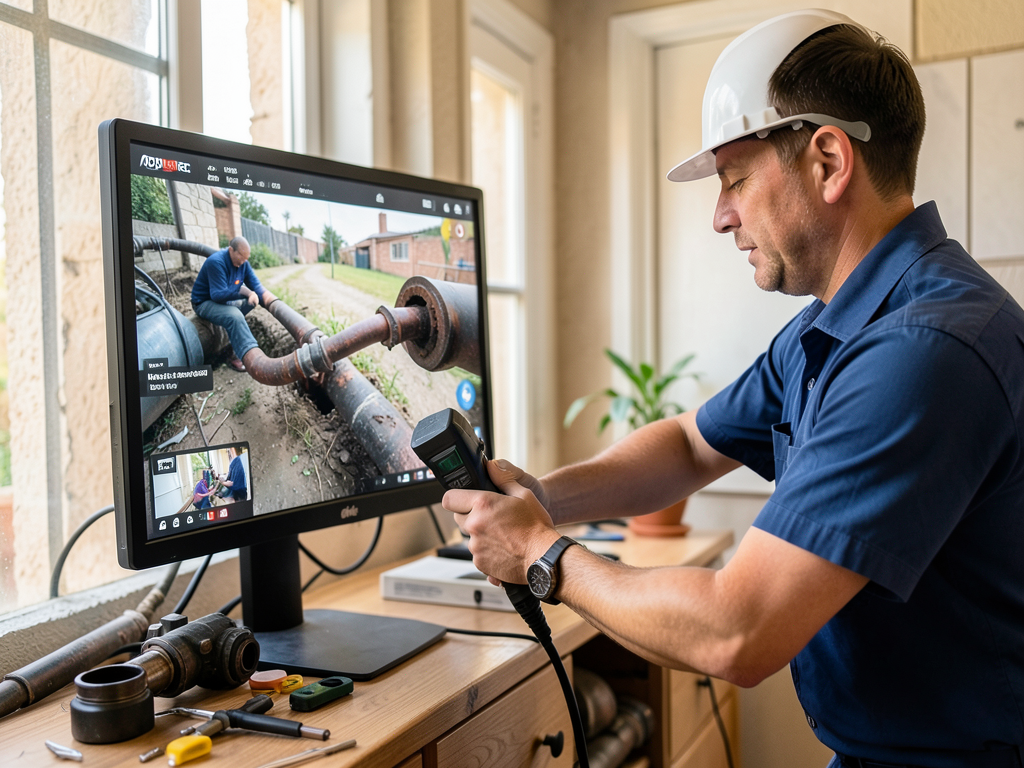
If you live in the Near East Side and have never had your sewer line inspected now is the time to start paying attention. Homes near Franklin Park Conservatory Schiller Park and the historic districts off Parsons Avenue are prime examples of neighborhoods where cast iron is nearing the end of its life. A simple sewer camera inspection can show you exactly what you are dealing with before a small problem turns into a flooded basement or a backed-up toilet.
Why Near East Side Soil Makes a Difference
Central Ohio soil is heavy in clay and often slightly acidic. That combination is brutal on buried metal. Clay holds moisture against the pipe wall which speeds up external corrosion. Acidic soil can eat away the protective graphite layer inside cast iron leaving raw metal exposed. Over decades this creates pitting and thinning that you cannot see from the surface. Homes in the Near East Side often sit on lots with minimal slope which means water and waste move slower through the pipes. Slower flow allows more buildup and more chemical reactions that wear the pipe from the inside out. Water Heater Maintenance Tips.
Another local factor is tree density. Near East Side blocks are lined with mature maples oaks and locusts. Tree roots naturally seek out water and the tiny leaks that start in aging cast iron act like a beacon. Once roots enter a joint they expand and crack the pipe further. A sewer camera can spot these intrusions early but many homeowners do not realize the problem until sewage backs up into the house. Water Stains on Ceiling or Walls.
Local building records show that much of the Near East Side was developed between 1920 and 1970. If your home is in that range and still has original plumbing you are likely dealing with pipes that have already seen 50-plus years of service. That does not mean replacement is mandatory tomorrow but it does mean you should be proactive.. Read more about Reducing Plumbing Noise in Your Harrison West Townhome or Condo.
5 Warning Signs Your Cast Iron Pipes Are Failing
1. Frequent slow drains – If more than one fixture drains slowly it often means a partial blockage in the main sewer line. In cast iron pipes this can be from internal buildup or root intrusion.
2. Sewer gas odors inside the home – Cracks in cast iron allow methane and other gases to escape into your living space. If you smell rotten eggs near drains or in the basement you may have a breach.
3. Lush green patches in the yard – A leaking sewer line acts as fertilizer. If one area of your lawn is noticeably greener and faster growing than the rest you could have an underground break.
4. Indentations or soft spots in the lawn – As soil washes away through a cracked pipe the ground above can sink creating visible dips or mushy areas.
5. Sewage backups during heavy water use – If your toilet overflows when you run the washing machine or dishwasher the main line is likely restricted or collapsed.
If you notice any of these signs do not wait. Call a licensed plumber who can run a camera through your line and give you a clear picture of the condition. In the Near East Side the sooner you catch a problem the less expensive the fix will be.
Repair vs. Replacement Options for Near East Side Homes
When a camera inspection reveals damage you have two broad choices: repair the damaged section or replace the entire line. For small cracks or root intrusions a spot repair can be done by digging to the problem area and swapping in a PVC coupling. This works well if the rest of the line is in good shape. The downside is you are only fixing today’s problem not preventing tomorrow’s. EPA guidelines.
If the inspection shows widespread corrosion channeling or multiple failures the smarter move is often full replacement. Modern PVC sewer pipe is immune to the chemical and biological attacks that destroy cast iron. It also has smooth walls that resist buildup and improve flow. In the Near East Side many homeowners choose trenchless pipe bursting or pipe lining to avoid tearing up mature landscaping and sidewalks. These methods can replace the pipe with minimal surface disruption and get you back to normal in a day or two.
Cost varies by length of run depth of pipe and method chosen. A spot repair might run a few hundred dollars while a full trenchless replacement can cost several thousand. The key is getting the camera inspection first so you know what you are dealing with. Guessing can cost you far more in emergency repairs later. Finding an Emergency Plumber in Columbus Who Can Actually Show Up Today.
What the Ohio Plumbing Code Says About Sewer Repair
Ohio Administrative Code 4101:8-4-03 requires that all buried sewer piping meet specific material and installation standards. For replacement work the code mandates PVC Schedule 40 or SDR-35 for residential sewer laterals. It also requires proper bedding and backfill to prevent future settling. If you hire a licensed plumber in the Near East Side they will pull the correct permits and ensure the work meets these rules. Skipping permits or using non-compliant materials can lead to failed inspections and even fines from the City of Columbus Department of Public Utilities.
The code also addresses cleanouts. Every sewer line must have a cleanout within a certain distance of the building and at the property line. If your original cast iron line lacks these access points a replacement is a good time to add them. Cleanouts make future maintenance faster and cheaper.
Understanding these requirements protects you from fly-by-night contractors who cut corners. A reputable plumber will explain the code requirements before starting work and show you the final inspection report.
Protecting Your Investment in a Historic Near East Side Home
The Near East Side is full of historic architecture from Victorian homes to early 20th century bungalows. Many of these houses have been carefully restored inside and out. The plumbing is often the last system to get attention because it is out of sight. That is a mistake. A failing sewer line can ruin a finished basement destroy landscaping and create health hazards from sewage exposure.. Read more about What to Know About Plumbing Rough-Ins Before Finishing Your Northcrest Basement.
If you are planning a kitchen or bathroom remodel this is the perfect time to check your sewer line. Opening walls for new plumbing gives you a chance to inspect and replace old cast iron vents and drains at the same time. Coordinating the work saves labor costs and ensures your new fixtures have reliable waste lines.
Homebuyers in the Near East Side should also demand a sewer scope before closing. Many deals have fallen apart after a $200 inspection revealed $8 000 in needed repairs. Sellers who preemptively inspect and fix problems often sell faster and at higher prices.
The bottom line is that cast iron served us well for a century but its time is running out in many Near East Side homes. A small investment in inspection and maintenance now can save you from a major emergency later.
Frequently Asked Questions
How long do cast iron sewer pipes last in Central Ohio?
Most cast iron sewer pipes last 50 to 100 years in Central Ohio. The range depends on soil acidity moisture levels and maintenance. Many Near East Side homes built before 1970 are now in the high-risk window.
Can I patch a small crack in cast iron instead of replacing the whole line?
Yes if the rest of the pipe is in good shape a spot repair with a PVC coupling can work. The key is getting a camera inspection first to confirm the overall condition. Patching a line that is near the end of its life often leads to repeated failures.
Does homeowners insurance cover cast iron pipe failure?
Most standard policies cover sudden bursts but not slow leaks or corrosion that develops over time. Some insurers offer optional sewer line coverage for an added premium. Check your policy and ask about endorsements for service line protection.
How much does it cost to replace a cast iron sewer line in the Near East Side?
Costs vary widely. A simple spot repair might cost a few hundred dollars. A full trenchless replacement can run $3 000 to $8 000 depending on length depth and landscaping. Traditional excavation is often more expensive due to restoration work.
What is the best material to replace cast iron sewer pipe?
Modern PVC is the standard replacement. It resists corrosion roots and buildup. It is also smoother inside which improves flow. For trenchless work the plumber may use a cured-in-place pipe liner that creates a new seamless pipe inside the old one.
Ready to Check Your Pipes? Call Today
If your Near East Side home is over 50 years old and still has the original cast iron sewer line you are gambling with your plumbing. A quick camera inspection can show you exactly what you are dealing with and give you peace of mind. Do not wait for a sewage backup to ruin your day. Call (614) 707-7373 today to schedule your inspection. We serve the entire Near East Side including the area around Franklin Park Schiller Park and the historic districts off Parsons Avenue. A small step now can save you thousands later. For more information, visit IICRC standards.
{
“@context”: “https://schema.org”,
“@type”: “BlogPosting”,
“headline”: “How Much Longer Will the Original Cast Iron Pipes in Your Near East Side Home Last?”,
“description”: “Original cast iron pipes in Near East Side homes often last 50-100 years. Learn the warning signs, local soil impacts, and when to call for a camera inspection.”,
“wordCount”: 1758,
“datePublished”: “2026-04-14T11:52:00.000Z”,
“dateModified”: “2026-04-14T11:52:00.000Z”,
“inLanguage”: “en-US”,
“mainEntityOfPage”: {
“@type”: “WebPage”,
“@id”: “https://firstchoiceplumbingcolumbus.com”
},
“publisher”: {
“@type”: “LocalBusiness”,
“name”: “First Choice Plumbing Columbus”,
“url”: “https://firstchoiceplumbingcolumbus.com”
},
“author”: {
“@type”: “Organization”,
“name”: “First Choice Plumbing Columbus”,
“url”: “https://firstchoiceplumbingcolumbus.com”
},
“image”: {
“@type”: “ImageObject”,
“url”: “https://firstchoiceplumbingcolumbus.com/wp-content/uploads/2026/03/how-much-longer-will-the-original-cast-iron-pipes-1.png”
}
}
{
“@context”: “https://schema.org”,
“@type”: “Plumber”,
“name”: “First Choice Plumbing Columbus”,
“url”: “https://firstchoiceplumbingcolumbus.com”,
“address”: {
“@type”: “PostalAddress”,
“addressLocality”: “Columbus”
},
“areaServed”: {
“@type”: “City”,
“name”: “Columbus”
}
}
{
“@context”: “https://schema.org”,
“@type”: “FAQPage”,
“mainEntity”: [
{
“@type”: “Question”,
“name”: “How long do cast iron sewer pipes last in Central Ohio?”,
“acceptedAnswer”: {
“@type”: “Answer”,
“text”: “Most cast iron sewer pipes last 50 to 100 years in Central Ohio. The range depends on soil acidity moisture levels and maintenance. Many Near East Side homes built before 1970 are now in the high-risk window.”
}
},
{
“@type”: “Question”,
“name”: “Can I patch a small crack in cast iron instead of replacing the whole line?”,
“acceptedAnswer”: {
“@type”: “Answer”,
“text”: “Yes if the rest of the pipe is in good shape a spot repair with a PVC coupling can work. The key is getting a camera inspection first to confirm the overall condition. Patching a line that is near the end of its life often leads to repeated failures.”
}
},
{
“@type”: “Question”,
“name”: “Does homeowners insurance cover cast iron pipe failure?”,
“acceptedAnswer”: {
“@type”: “Answer”,
“text”: “Most standard policies cover sudden bursts but not slow leaks or corrosion that develops over time. Some insurers offer optional sewer line coverage for an added premium. Check your policy and ask about endorsements for service line protection.”
}
},
{
“@type”: “Question”,
“name”: “How much does it cost to replace a cast iron sewer line in the Near East Side?”,
“acceptedAnswer”: {
“@type”: “Answer”,
“text”: “Costs vary widely. A simple spot repair might cost a few hundred dollars. A full trenchless replacement can run $3 000 to $8 000 depending on length depth and landscaping. Traditional excavation is often more expensive due to restoration work.”
}
},
{
“@type”: “Question”,
“name”: “What is the best material to replace cast iron sewer pipe?”,
“acceptedAnswer”: {
“@type”: “Answer”,
“text”: “Modern PVC is the standard replacement. It resists corrosion roots and buildup. It is also smoother inside which improves flow. For trenchless work the plumber may use a cured-in-place pipe liner that creates a new seamless pipe inside the old one.”
}
}
]
}
{
“@context”: “https://schema.org”,
“@type”: “BreadcrumbList”,
“itemListElement”: [
{
“@type”: “ListItem”,
“position”: 1,
“name”: “Home”,
“item”: “https://firstchoiceplumbingcolumbus.com”
},
{
“@type”: “ListItem”,
“position”: 2,
“name”: “Blog”,
“item”: “https://firstchoiceplumbingcolumbus.com/blog”
},
{
“@type”: “ListItem”,
“position”: 3,
“name”: “How Much Longer Will the Original Cast Iron Pipes in Your Near East Side Home Last?”
}
]
}
{
“@context”: “https://schema.org”,
“@type”: “Service”,
“serviceType”: “Plumbing”,
“provider”: {
“@type”: “LocalBusiness”,
“name”: “First Choice Plumbing Columbus”,
“url”: “https://firstchoiceplumbingcolumbus.com”
},
“areaServed”: {
“@type”: “City”,
“name”: “Columbus”
},
“description”: “Original cast iron pipes in Near East Side homes often last 50-100 years. Learn the warning signs, local soil impacts, and when to call for a camera inspection.”
}