




menu

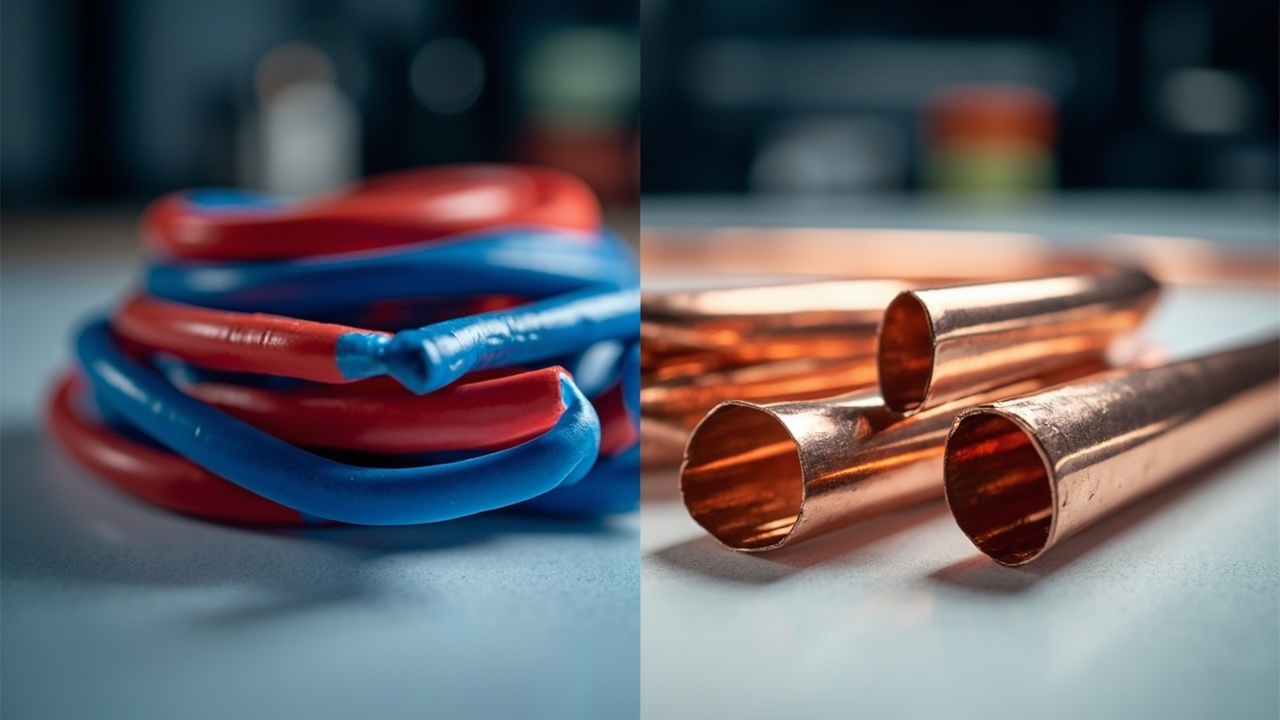
PEX vs. Copper Piping Guide in Columbus – Make the Right Choice for Your Home's Plumbing System

Understand the real differences between PEX and copper piping for Columbus homes, from freeze resistance and installation costs to long-term durability in our unique water conditions.

Slider Image 1
Slider Image 2
Slider Image 3
Slider Image 4
Slider Image 5
Slider Image 7
Slider Image 8
Slider Image 9
Slider Image 10
Slider Image 11

Why the PEX vs Copper Decision Matters in Columbus

You are standing in your basement, staring at exposed pipes, and the plumber just asked you the question: PEX or copper? The answer is not simple, and it has real consequences for your Columbus home.

Columbus water chemistry plays a direct role in this decision. The city's water supply, treated at the Dublin Road and Parsons Avenue plants, carries a moderate mineral content that affects copper differently than PEX. Copper pipes can develop pinhole leaks over time due to electrochemical reactions with the water, particularly in homes built on the clay-heavy soil common throughout German Village and Victorian Village. PEX, or cross-linked polyethylene, does not react to water chemistry in the same way.

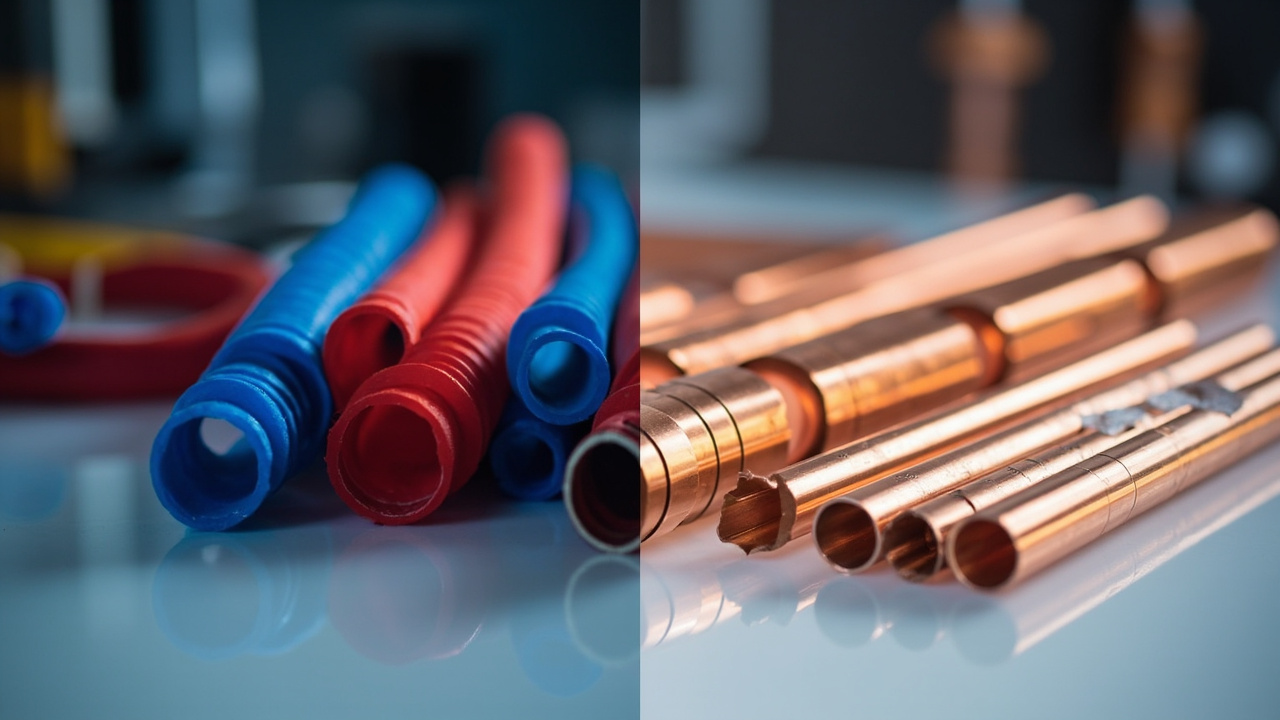
The difference between PEX and copper pipes extends beyond material science. Cross-linked polyethylene vs copper tubing comes down to flexibility, installation speed, and freeze tolerance. Columbus winters bring freeze-thaw cycles that stress rigid copper systems. PEX expands slightly when water freezes inside it, then contracts back without bursting. Copper does not forgive freezing.

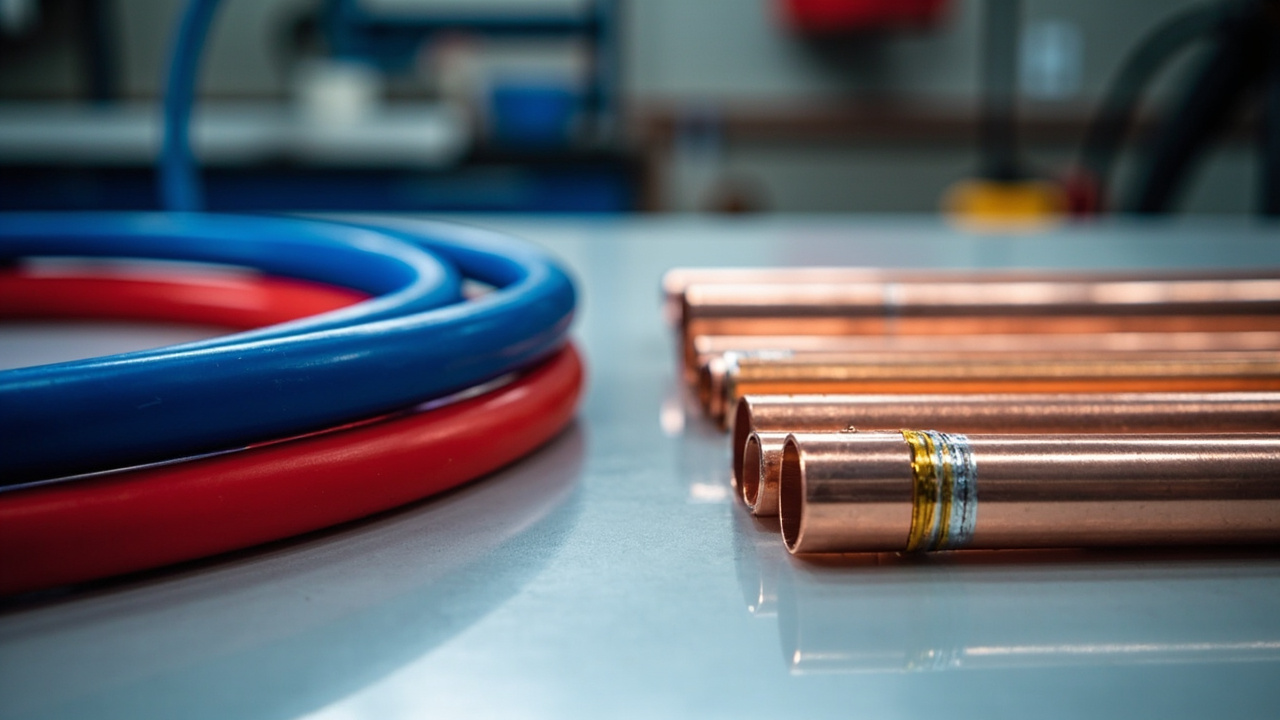
The copper vs PEX plumbing pros and cons shift depending on your home's age, your budget, and whether you are doing a full repipe or a small repair. Older homes in neighborhoods like Clintonville and Bexley often have existing copper systems that integrate poorly with PEX unless you use proper transition fittings. New construction and whole-house replumbing projects give you a clean slate to choose the system that matches your priorities.

The PEX vs copper comparison is not about one being universally better. It is about which material fits your specific situation, your water conditions, and your long-term plans for the property.

Why the PEX vs Copper Decision Matters in Columbus
How We Evaluate Your Home for the Right Piping Material

How We Evaluate Your Home for the Right Piping Material

We do not walk into your home with a predetermined answer. The right choice between PEX piping vs copper plumbing depends on a detailed assessment of your existing system, your water pressure, your home's construction, and your budget constraints.

First, we test your water. Columbus water quality varies slightly by neighborhood due to different distribution lines and source blending. We check pH levels, chlorine content, and mineral hardness. High chlorine levels can degrade certain types of PEX over decades, while acidic water accelerates copper corrosion. We need to know what your pipes will face every single day.

Next, we evaluate your existing plumbing layout. Homes with crawl spaces or open joist bays make PEX installation faster and less invasive. Homes with finished ceilings and limited access points may benefit from copper's rigidity, which allows longer unsupported runs. We measure your water pressure at multiple fixtures. PEX has a slightly higher friction loss than copper, which matters in homes with marginal pressure or homes served by private wells in the outskirts near New Albany or Hilliard.

We also consider your heating system. If you have a radiant floor heating setup or plan to install one, PEX is the standard choice due to its flexibility and heat tolerance. If you are connecting to a tankless water heater or a recirculation system, we evaluate whether copper's superior heat conductivity offers an advantage.

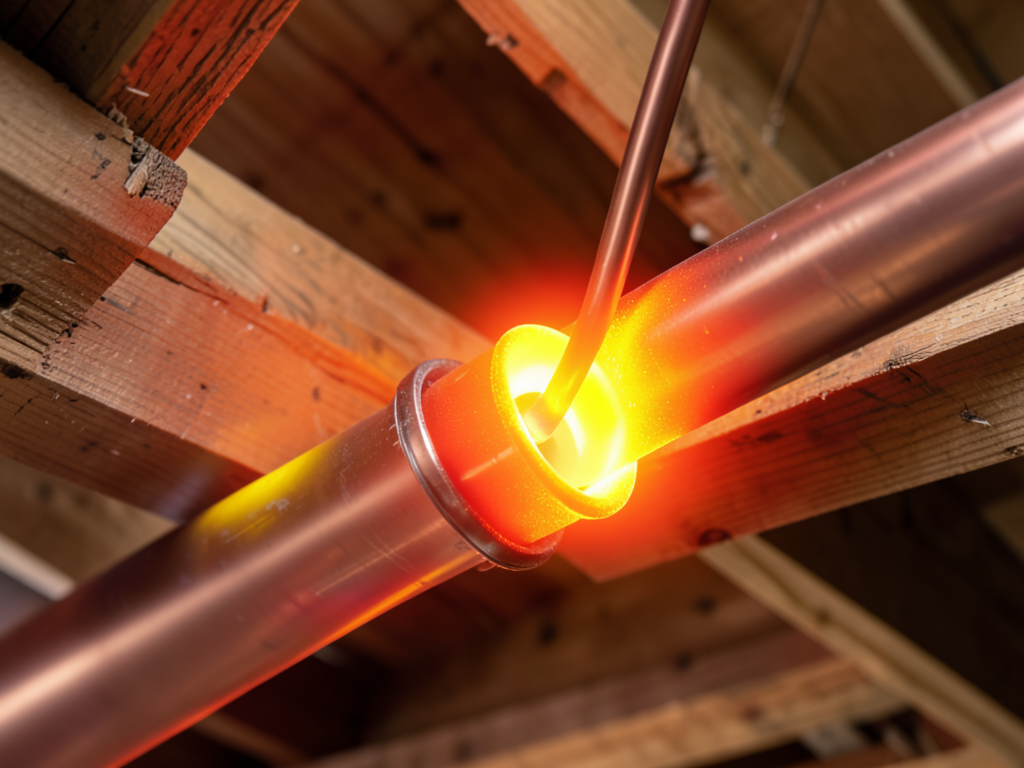
We walk you through the installation process for each option. PEX uses crimped or expansion fittings and can be snaked through walls with minimal demolition. Copper requires soldering, which means open flame and more labor. The cost difference is significant, but so is the lifespan expectation in your specific water conditions.

How We Help You Choose the Right Piping Material

PEX vs. Copper Piping Guide in Columbus – Make the Right Choice for Your Home's Plumbing System
01

System Inspection and Testing

We inspect your current plumbing system and test your water chemistry. This includes checking for existing corrosion patterns in copper pipes, measuring static and dynamic water pressure, and identifying any compatibility issues with your water heater or filtration system. We document the condition of your shut-off valves, manifold configurations, and supply line routing to determine which material integrates best with your existing infrastructure.
02

Material Recommendation and Planning

Based on the inspection data, we explain the benefits and limitations of PEX vs copper for your specific home. We outline installation timelines, access requirements, and cost differences. You get a side-by-side breakdown that accounts for your water conditions, your home's construction, and your long-term goals. We discuss warranty differences, code compliance, and whether a hybrid system using both materials makes sense for your layout.
03

Installation and System Testing

Once you choose a material, we execute the installation using the appropriate techniques for that system. PEX installations use calibrated expansion tools or crimp rings, depending on the manufacturer. Copper installations use lead-free solder and proper flux application. After installation, we pressure-test the entire system, check for leaks at every connection point, and verify flow rates at all fixtures to confirm the new piping performs as expected.

Why Columbus Homeowners Trust Our Piping Material Guidance

You need advice based on local conditions, not national generalizations. First Choice Plumbing Columbus has worked in homes across Franklin County for years, from the historic brick homes in German Village to the newer subdivisions in Dublin and Gahanna. We have seen how different piping materials perform in Columbus water, Columbus winters, and Columbus soil conditions.

We know the local code requirements. Columbus follows the Ohio Plumbing Code, which allows both PEX and copper in residential applications but has specific rules about UV exposure, support spacing, and use in fire-rated assemblies. We pull permits when required and ensure every installation meets or exceeds code standards. Inspectors in Columbus know our work, and we do not cut corners to save time.

We also understand the practical realities of working in older homes. Many Columbus neighborhoods have homes built between 1900 and 1950 with galvanized steel or old brass piping. When you repipe one of these homes, the transition between old and new materials matters. We use dielectric unions to prevent galvanic corrosion when connecting copper to steel. We use brass PEX fittings that maintain water quality and prevent electrolysis issues.

Our recommendations account for resale value. Copper piping still carries a perception of quality among home inspectors and buyers, even though modern PEX systems perform reliably. If you plan to sell your home within a few years, we discuss how your choice might affect buyer perception. If you plan to stay in your home for decades, we focus on total cost of ownership and maintenance requirements.

We do not sell you the material with the highest profit margin. We sell you the material that makes sense for your home, your water, and your budget.

What to Expect When You Request a Piping Consultation

Response Time and Scheduling

We schedule consultations within 48 hours of your call. The evaluation typically takes 60 to 90 minutes, depending on the size of your home and the complexity of your existing plumbing system. We work around your schedule, including evening and weekend appointments. You do not need to take a full day off work to get expert advice on your piping options. We arrive on time, and we bring the diagnostic tools needed to give you accurate information on the first visit.

Detailed Material Evaluation

We do not hand you a generic brochure. We test your water, measure your pressure, and inspect your current system. You get a written comparison that shows lifespan expectations, installation costs, and maintenance requirements for both PEX and copper in your specific home. We explain friction loss differences, thermal expansion behavior, and compatibility with your water heater type. You leave the consultation with enough information to make an informed decision, not a sales pitch designed to push the most expensive option.

Installation Quality and Performance

Whichever material you choose, the installation meets manufacturer specifications and local code requirements. PEX installations use proper support spacing, correct fitting torque, and UV-protective sleeves where pipes exit the building. Copper installations use cleaned and fluxed joints, lead-free solder, and appropriate hanger spacing. We pressure-test the system before we close walls, and we verify flow rates at every fixture. You get a plumbing system that performs reliably from day one, with no callbacks for leaks or pressure issues.

Ongoing Support and Follow-Up

We provide documentation of your new plumbing system, including the material type, installation date, and any specific maintenance recommendations. PEX systems require minimal maintenance but should be inspected periodically for UV damage if any sections are exposed to sunlight. Copper systems benefit from water quality monitoring to catch early signs of corrosion. We offer annual plumbing inspections that check your entire system, not just the new piping. If you ever have questions about your system, we are available by phone to walk you through troubleshooting steps or schedule a follow-up visit.

Frequently Asked Questions

You Have Questions,
We Have Answers

Do plumbers prefer PEX or copper? +

Most plumbers in Columbus prefer PEX for residential repiping because it installs faster and costs less. PEX is flexible, resists freeze damage during Ohio winters, and requires fewer fittings than copper. You can snake PEX through walls with minimal demolition. Copper remains preferred for exposed lines, commercial work, and situations where fire code requires metal piping. Some older plumbers stick with copper out of familiarity. The choice depends on your specific project, budget, and building requirements. Both materials perform well when installed correctly by a licensed professional familiar with Columbus building codes.

Why don't insurance companies like PEX plumbing? +

Insurance companies raised concerns about early PEX formulations that failed prematurely, leading to water damage claims. Defective fittings and improper installation caused leaks in homes across the country. Modern PEX has improved dramatically since those early issues. Most insurers now accept PEX without penalty if it meets ASTM standards and is installed correctly. Some carriers still require disclosure or charge slightly higher premiums. If you live in Columbus and plan a repipe, check with your insurance agent first. Proper installation by a qualified plumber reduces risk and keeps your coverage intact.

What are the downsides of PEX pipe? +

PEX cannot be exposed to direct sunlight because UV rays degrade the plastic over time. You cannot use it outdoors or near water heaters without proper sleeving. Some formulations leach chemicals into water during the first few weeks after installation. PEX is vulnerable to rodent damage in crawl spaces and attics. It requires special tools and fittings that can fail if installed incorrectly. Columbus homes with older plumbing may face compatibility issues when connecting PEX to existing copper. Despite these limitations, PEX remains a reliable choice for indoor residential water lines when installed by experienced professionals.

Why do plumbers not use copper anymore? +

Copper costs significantly more than PEX in both material and labor. A typical Columbus home repipe with copper runs thousands of dollars higher than PEX. Copper requires soldering, which takes more time and skill. The material is rigid, so installation often requires more wall demolition. Copper theft has become a problem on job sites and in vacant properties. PEX installs faster, resists corrosion from acidic Columbus water, and handles freeze conditions better. Many plumbers still use copper for specific applications, but PEX has become the residential standard for cost and efficiency reasons.

What is the life expectancy of PEX pipes vs copper pipes? +

Copper pipes last 50 to 70 years when water chemistry is favorable. Acidic or hard water in some Columbus neighborhoods can cause pinhole leaks earlier. PEX is newer, so real-world data is limited, but manufacturers rate it for 50 years under normal conditions. Some studies suggest PEX could last longer because it resists corrosion and mineral buildup. Ohio freeze-thaw cycles favor PEX, which expands without bursting. Copper has a proven track record, while PEX offers theoretical longevity. Both materials will outlast most mortgages when installed correctly by qualified plumbers familiar with local water conditions.

What is the lawsuit against PEX pipe? +

Several class action lawsuits targeted defective PEX products between 2005 and 2015. Vanguard PEX, Kitec, and Zurn PEX systems failed prematurely due to faulty fittings and dezincification. Homeowners experienced catastrophic leaks and water damage. These cases led to settlements and product recalls. Modern PEX products use improved formulations and brass fittings that meet strict ASTM standards. If your Columbus home has PEX installed between 1995 and 2010, check the manufacturer. You may qualify for a settlement or need replacement. Current PEX products from reputable manufacturers have resolved these early engineering failures.

Why do plumbers not like PEX? +

Some old-school plumbers distrust PEX because they learned their trade with copper. They worry about long-term durability since PEX lacks the 100-year track record of metal pipe. Concerns include fitting failures, chemical leaching, and vulnerability to physical damage. Plumbers who specialize in commercial work prefer copper for fire resistance and code compliance. Others dislike the proprietary tool requirements and initial learning curve. Most resistance comes from habit, not evidence. Younger plumbers trained on PEX embrace it for speed and cost savings. In Columbus, both materials have their place depending on the application and customer budget.

What is the best pipe for a residential water line? +

For most Columbus residential water lines, PEX offers the best balance of cost, durability, and installation speed. It handles Ohio winters better than copper, resists corrosion from local water chemistry, and costs less. Copper remains ideal for exposed applications, commercial buildings, and situations requiring fire-rated materials. CPVC is an older plastic alternative but has become less popular. For underground service lines entering your home, copper or HDPE are better choices than PEX. The best pipe depends on your specific situation, building codes, and budget. Consult a licensed Columbus plumber to evaluate your home's needs.

Where should you not use PEX? +

Never use PEX outdoors or in direct sunlight because UV rays degrade the material rapidly. Do not use it within the first 18 inches of your water heater due to high temperature exposure. Avoid PEX in areas accessible to rodents without protective sleeving. Some Columbus building codes prohibit PEX in commercial buildings or for fire sprinkler systems. Never use PEX for gas lines, only for potable water. Exposed basement applications may require copper for aesthetic or code reasons. Check local building codes before installing PEX in rental properties or multi-family buildings where requirements differ from single-family homes.

Why is PEX banned in NYC? +

New York City banned PEX until 2021 due to concerns about fire safety and the lack of long-term testing data. The city's conservative building code required extensive documentation before approving new materials. PEX could not be used in high-rise buildings where fire resistance is critical. NYC also worried about chemical leaching into drinking water. The ban was lifted after decades of successful use nationwide proved PEX safety and durability. Columbus has never banned PEX. Ohio building codes accept PEX for residential water lines when installed according to manufacturer specifications and local plumbing codes by licensed professionals.

How Columbus Water Chemistry Affects PEX and Copper Performance

Columbus water comes from the Scioto River and is treated to meet federal standards, but it still carries enough chlorine and mineral content to affect piping materials over time. The city maintains chlorine levels between 0.5 and 2.0 parts per million to control bacteria, which is safe for consumption but can degrade older PEX formulations over decades. Modern PEX-A and PEX-B materials resist chlorine degradation better than early PEX-C products. Copper, on the other hand, reacts to water pH and dissolved oxygen. Columbus water typically runs slightly alkaline, which protects copper from aggressive corrosion, but homes with water softeners or homes in areas with older distribution lines can experience different water chemistry that accelerates pinhole leak formation.

We work in Columbus neighborhoods every week, from the compact bungalows in Merion Village to the sprawling ranch homes in Upper Arlington. We see the same plumbing challenges across different areas, and we know which solutions hold up in local conditions. The Columbus building code follows state guidelines that allow both materials, but inspectors expect proper installation techniques and appropriate applications. Choosing a local plumber who understands these expectations and has working relationships with city inspectors means your project passes inspection without delays or rework. You are not hiring someone who learned plumbing in a different climate or a different regulatory environment.
Plumbing Services in The Columbus Area

We are proud to serve the entire Columbus area and its surrounding communities. Our team is strategically located to respond quickly to your plumbing needs, whether you're in the city center or a nearby suburb. We invite you to view our service area on the map to see if you are within our coverage. No matter where you are, we’re ready to bring our expertise directly to your doorstep.

Address:
First Choice Plumbing Columbus, 4770 Indianola Ave, Columbus, OH, 43214

Additional Services We Offer

Our news updates

Latest Articles & News from The Blogs

Identifying the Strange Clicking Noises Coming from Your Mount Vernon Plumbing Pipes Those mysterious clicking or tapping sounds coming from…

Identifying the Strange Clicking Noises Coming from Your Mount Vernon Plumbing Pipes

Identifying the Strange Clicking Noises Coming from Your Mount Vernon Plumbing Pipes Those mysterious clicking or tapping sounds coming from…

Why a Standard Sump Pump Might Not Be Enough for Your Northern Woods Basement

Why a Standard Sump Pump Might Not Be Enough for Your Northern Woods Basement Living in Northern Woods means dealing…

Adding a Modern Dog Wash Station to Your Columbus Mudroom or Garage (What You Need to Know)

Why Columbus Pet Owners Are Adding Dog Wash Stations to Their Homes Adding a modern dog wash station to your…

Contact Us

You deserve clear answers based on your home's specific conditions. Call First Choice Plumbing Columbus at (614) 707-7373 to schedule a detailed piping consultation. We evaluate your water, your system, and your budget, then give you the information you need to choose confidently.