




menu

Gas Line Repair & Installation in Columbus – Full-Service Natural Gas Piping for Residential & Commercial Properties

From gas leak repair and emergency shutoffs to complete gas piping installation for new appliances and commercial kitchens, First Choice Plumbing Columbus delivers code-compliant natural gas line services across Franklin County with same-day diagnostics and transparent pricing.

Slider Image 1
Slider Image 2
Slider Image 3
Slider Image 4
Slider Image 5
Slider Image 7
Slider Image 8
Slider Image 9
Slider Image 10
Slider Image 11

Why Columbus Gas Line Issues Require Immediate Professional Attention

Natural gas powers thousands of homes and businesses across Columbus, from the Short North to Clintonville to Grove City. Gas furnaces heat homes during winter cold snaps that regularly dip into the teens. Gas water heaters run constantly in multi-unit buildings along High Street. Commercial kitchens in the Arena District rely on gas ranges and ovens for daily operations.

But Columbus's seasonal ground movement creates stress on underground gas piping. The freeze-thaw cycle from December through March causes soil expansion and contraction that can shift gas pipe connections. Heavy clay soils common in Hilliard and Dublin amplify this shifting. Older homes in German Village and Victorian Village often have galvanized steel gas lines that corrode from the inside after decades of moisture exposure.

You notice the signs when something goes wrong. The smell of rotten eggs near your gas meter. A hissing sound behind the dryer. Yellow flames on your stove burners instead of blue. Dead patches of grass over your buried gas line. These are not DIY situations. Natural gas leaks pose immediate explosion and carbon monoxide risks.

Gas line replacement, gas leak repair, and gas piping installation all require licensed professionals who understand Columbus building codes, pressure testing protocols, and Columbia Gas meter coordination. A small leak can escalate into an evacuation. Improper gas pipe repair can fail inspections and create liability. Whether you need a new gas line run to a tankless water heater or emergency gas leak repair after hitting a line during landscaping, the work demands precision and accountability.

Why Columbus Gas Line Issues Require Immediate Professional Attention
How Professional Gas Line Services Protect Your Property and People

How Professional Gas Line Services Protect Your Property and People

Gas line work is not about trial and error. It requires understanding gas pressure systems, material compatibility, and leak detection methodology that goes beyond soapy water tests.

We start every gas pipe repair or installation with a full system evaluation. A combustible gas detector pinpoints leak locations within walls, under slabs, and along buried lines. We measure static pressure at the meter and operating pressure at each appliance to identify restriction points or undersized piping that starves your equipment.

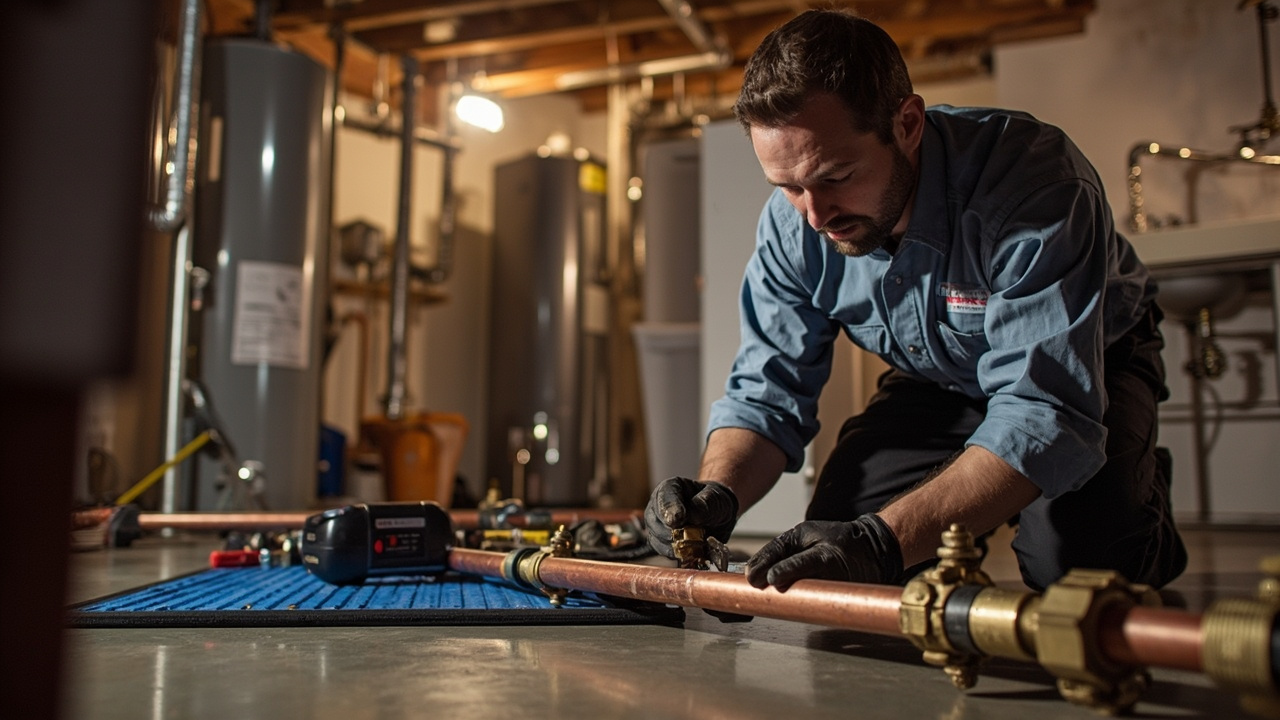
For gas leak repair, we isolate the affected section, perform line purging to eliminate gas safely, then execute repairs using black iron, corrugated stainless steel tubing (CSST), or polyethylene pipe depending on the application and code requirements. Underground gas line replacement in Columbus requires trenching depth compliance, tracer wire installation, and pressure testing at 90 PSI for a minimum hold period before backfill.

New gas piping installation for additions, kitchen remodels, or generator hookups involves load calculations to size branch lines correctly. A gas range, tankless water heater, and pool heater cannot all run on half-inch pipe. We calculate BTU demand across all appliances, then design a distribution system that maintains adequate pressure at every outlet.

After installation or repair, we perform a full pressure drop test with a manometer, checking every joint with leak detection solution. You receive documentation showing test results and material specifications for permit closeout. We coordinate final inspections with Columbus Building Services and Columbia Gas for meter reconnection. No shortcuts. No assumptions. Just compliant, safe gas line plumbers work that passes inspection the first time.

What Happens During Your Gas Line Service

Gas Line Repair & Installation in Columbus – Full-Service Natural Gas Piping for Residential & Commercial Properties
01

Site Assessment and Leak Detection

We arrive with electronic gas detection equipment and perform a complete system scan from the meter to every appliance connection. You receive a clear explanation of what we find, the severity of any issues, and your options for repair or replacement. If we detect an active leak, we shut off the gas supply immediately and ventilate the area before beginning any repair work or diagnostic testing.
02

Repair or Installation Execution

Gas pipe repair involves cutting out damaged sections and installing new fittings with proper thread sealant rated for natural gas. New gas piping installation requires running lines through walls, crawlspaces, or underground trenches, securing pipes to code spacing requirements, and installing sediment traps at each appliance drop. We use only approved materials and follow Columbus code for bonding, support spacing, and penetration sealing.
03

Pressure Testing and Inspection

Before turning gas back on, we perform a mandatory pressure test, holding test pressure for the code-required duration while monitoring for any drop that indicates a leak. We walk you through the test results, answer questions about operation and safety, then restore gas service and verify proper appliance function. You receive documentation for your records and permit files if applicable to your project scope.

Why Columbus Property Owners Choose Local Gas Line Expertise

Gas line work in Columbus requires more than a pipe wrench and thread sealant. It requires understanding local utility coordination, soil conditions, and building department expectations that vary by jurisdiction across Franklin County.

First Choice Plumbing Columbus has worked with Columbia Gas meters, Columbus city inspectors, and local code officials long enough to navigate the process efficiently. We know that Columbus requires permits for gas line replacement and new installations. We understand that underground gas piping in Columbus must be polyethylene or coated steel with tracer wire. We coordinate utility locates through Ohio 811 before any excavation, preventing service disruptions and avoiding the penalties that come with hitting unmarked lines.

Our gas line plumbers understand the difference between low-pressure and high-pressure systems. We know that CSST requires bonding to the electrical grounding system per NEC requirements. We recognize when old galvanized pipe needs complete replacement rather than spot repairs that fail within months.

You get transparent communication throughout the process. We explain what we find, what it means for safety and code compliance, and what your options are. You receive upfront pricing before work begins. No surprises. No pressure tactics. Just clear information so you can make informed decisions about your property.

We also understand timing matters. A gas leak stops your life immediately. A failed inspection delays your project. We respond the same day for emergency gas leak repair and schedule new gas piping installation to match your renovation timeline. We show up when promised, complete work as quoted, and clean up the work area before we leave. Our reputation in Columbus depends on doing what we say we will do.

What You Can Expect From Start to Finish

Response Time and Scheduling

Gas leaks get same-day emergency response because waiting is not an option. For non-emergency gas line replacement and new installations, we typically schedule within three to five business days depending on permit processing time. Small repairs like replacing a gas valve or fixing a connector leak often happen during the first visit. Larger projects like running a new line to a detached garage or replacing underground piping from the meter require coordination with utility locates and inspections, which adds two to four days to the timeline.

Initial Evaluation and Diagnosis

We do not guess about gas line problems. Electronic detection equipment identifies leaks you cannot see or smell. Pressure testing reveals system weaknesses before they cause failures. We trace gas piping through walls and underground to map your entire system. You get a written assessment explaining what we found, why it happened, and what fixes will resolve the issue permanently. For new installations, we calculate gas load requirements based on all current and planned appliances to ensure your system has capacity for future needs.

Quality of Completed Work

Every connection is tested. Every joint is inspected. Every installation is documented. You receive a system that passes pressure testing, meets code requirements, and operates safely under full load. Gas piping installation includes proper support spacing, protection through penetrations, and correct appliance connector types for each application. Underground gas line replacement includes proper depth, bedding material, and tracer wire installation. We do not cut corners because cutting corners on gas work creates dangerous situations and failed inspections that cost you time and money.

Post-Service Support and Documentation

After completion, you receive documentation showing pressure test results, materials used, and installation details for your property records. We coordinate final inspections and provide required paperwork to building departments and utility companies. If you have questions after we leave, you can reach us directly. If an issue develops with our work, we return to make it right. Gas line systems require ongoing monitoring. We recommend annual inspections for commercial properties and checks every three to five years for residential systems to catch corrosion and connection deterioration before leaks develop.

Frequently Asked Questions

You Have Questions,
We Have Answers

What is the average cost to install a gas line? +

Gas line installation costs in Columbus typically range based on distance, material, and complexity. A simple 50-foot residential run averages less than a complex multi-appliance setup. Factors include trenching depth (critical in Ohio's freeze-thaw soil), permits, and whether you need CSST flexible tubing or rigid black iron pipe. Columbus code requires specific burial depths and pressure testing. Older homes in German Village or Victorian Village may need additional routing work due to existing infrastructure. Your final price depends on access, appliance count, and inspection requirements. Always get a detailed estimate from a licensed professional before work begins.

How much does it cost to repair a natural gas line? +

Natural gas line repair costs vary by leak location and severity. A simple fitting replacement costs less than excavating a buried line beneath your Columbus foundation. Emergency leak repairs after pressure testing or odor detection require immediate response. Winter ground conditions in Central Ohio can increase excavation costs due to frozen soil. Interior repairs, like tightening connections or replacing corroded sections, are typically less expensive than outdoor mainline work. The repair method depends on pipe material (black iron, copper, or CSST) and accessibility. Columbus Gas or your utility must mark lines before any dig work begins to avoid service disruptions.

Do plumbers or HVAC do gas lines? +

Both plumbers and HVAC technicians handle gas lines, but licensing matters. In Ohio, you need specific gas piping certification beyond standard plumbing credentials. Many licensed plumbers in Columbus hold gas line endorsements and handle installation, repair, and appliance hookups. HVAC techs often work on gas lines connected to furnaces, boilers, and water heaters. The key is proper licensing and insurance. For dedicated gas line work like running new lines to outdoor kitchens or pool heaters, choose a plumber with gas fitting experience. Always verify Ohio licensing and ask about gas-specific training before hiring.

How much does it cost to repair a gas pipe? +

Gas pipe repair costs depend on pipe material, leak severity, and location. A simple above-ground joint repair runs less than excavating a buried line under your Columbus driveway. Corroded black iron pipe sections need cutting and threading. CSST flexible lines may require connector replacement. Emergency repairs after a utility shutoff cost more due to urgent response. Columbus clay soil can complicate underground access. Repairs include labor, materials, pressure testing, and re-inspection. If your home was built before 1990, older pipe materials may need upgrading to current code. Get multiple quotes and ensure the contractor pulls proper permits.

Are gas lines covered by home insurance? +

Home insurance rarely covers gas line repairs unless damage results from a covered peril like fire, explosion, or vandalism. Standard policies exclude wear and tear, corrosion, or maintenance issues. If a tree falls and ruptures your line, coverage may apply under dwelling protection. Columbus homeowners should review their policy exclusions carefully. Some insurers offer optional service line coverage for buried utilities, including gas mains from the street to your home. This endorsement covers accidental damage but not neglect. Always document damage with photos and contact your insurer immediately after any incident involving gas infrastructure.

What is the cost of a gas line installation? +

Gas line installation costs depend on project scope and materials. Running a 30-foot line to a new dryer costs less than installing a full network for a kitchen remodel with range, cooktop, and outdoor grill. Columbus building codes dictate pipe sizing, materials, and installation methods. CSST flexible tubing installs faster but costs more per foot than black iron pipe. Trenching through Columbus clay soil or under concrete adds expense. Permit fees, inspections, and pressure testing are mandatory. Multi-appliance setups require larger main lines and pressure regulators. Always use a licensed contractor to ensure code compliance and safety.

Can a plumber fix a gas line? +

Yes, licensed plumbers with gas fitting certification can fix gas lines. In Ohio, plumbers need specific endorsements beyond standard licensing to work on gas piping systems. Many Columbus plumbers hold these credentials and repair leaks, replace corroded sections, and upgrade old pipe. They handle everything from tightening loose fittings to replacing entire runs. Gas work requires pressure testing, leak detection equipment, and knowledge of local codes. Before hiring, verify the plumber holds active Ohio gas fitting credentials and carries proper insurance. Emergency repairs require immediate response to prevent hazards. Never attempt DIY gas repairs.

Why is the gas line so expensive? +

Gas line work costs more due to strict safety requirements and specialized skills. Ohio mandates licensed contractors, permits, and inspections. Materials like CSST flexible tubing or thick-wall black iron pipe carry higher costs than standard plumbing. Trenching through Columbus clay soil or beneath driveways requires equipment and labor. Pressure testing, leak detection, and code compliance add time. Gas work carries serious liability, so insurance and bonding increase contractor overhead. Emergency repairs cost more due to urgent response needs. Complex installations requiring multiple shutoffs, utility coordination, or structural modifications drive prices higher. Safety cannot be compromised when working with combustible fuel.

How long does it take to repair a gas line? +

Gas line repair time depends on leak severity and location. A simple above-ground fitting fix takes one to two hours. Buried line repairs require excavation, which can take a half day or longer depending on depth and soil conditions. Columbus clay soil slows digging. Emergency leak repairs happen quickly once the gas is shut off, but utility coordination and inspections extend timelines. Complex repairs involving multiple sections or pipe replacement may take a full day. Pressure testing and re-inspection add time before gas service restores. Winter ground conditions in Central Ohio can slow excavation work significantly.

Who do you call to work on gas lines? +

Call a licensed plumber with gas fitting certification for gas line work in Columbus. Verify Ohio licensing and gas-specific credentials before hiring. For emergencies like leaks or gas odors, evacuate immediately and call Columbia Gas of Ohio or 911 from outside. Never re-enter until professionals clear the area. For installations, repairs, or appliance hookups, hire a qualified contractor who pulls permits and schedules inspections. HVAC technicians with gas endorsements can also handle furnace and water heater connections. Always confirm licensing, insurance, and local references. Gas work requires expertise and strict code compliance to protect your home and family.

How Columbus Soil and Seasonal Shifts Impact Gas Line Integrity

Columbus sits on glacial till and heavy clay soils that expand significantly when wet and contract during dry periods. This seasonal movement stresses underground gas piping connections and can separate joints in rigid pipe systems. Winter freeze-thaw cycles compound the issue, particularly in areas with poor drainage like low-lying sections near the Scioto River and Alum Creek. Properties in Clintonville, Bexley, and Upper Arlington with mature trees also face root intrusion that can damage buried gas lines over time. These conditions make proper installation depth, flexible piping materials, and regular inspection critical for gas line longevity in Columbus.

Columbus building codes and Columbia Gas standards govern all gas piping work in Franklin County. Permits are required for new gas line installations and replacements, and inspections verify proper materials, sizing, and pressure testing before gas service activation. First Choice Plumbing Columbus maintains current knowledge of these requirements and maintains working relationships with local inspectors and utility representatives. This local expertise prevents project delays, failed inspections, and the costly rework that comes from attempting gas line repairs without understanding Columbus-specific codes and utility coordination requirements.
Plumbing Services in The Columbus Area

We are proud to serve the entire Columbus area and its surrounding communities. Our team is strategically located to respond quickly to your plumbing needs, whether you're in the city center or a nearby suburb. We invite you to view our service area on the map to see if you are within our coverage. No matter where you are, we’re ready to bring our expertise directly to your doorstep.

Address:
First Choice Plumbing Columbus, 4770 Indianola Ave, Columbus, OH, 43214

Additional Services We Offer

Our news updates

Latest Articles & News from The Blogs

Connecting Your Smart Irrigation System to Your Westgate Home Plumbing Safely Connecting a smart irrigation system to your Westgate home…

Connecting Your Smart Irrigation System to Your Westgate Home Plumbing Safely

Connecting Your Smart Irrigation System to Your Westgate Home Plumbing Safely Connecting a smart irrigation system to your Westgate home…

Picking the Right Material for Your Main Sewer Line Replacement in Berwick

Picking the Right Material for Your Main Sewer Line Replacement in Berwick Living in Berwick means dealing with Columbus’s heavy…

Why S-Traps Are Illegal in Columbus and How to Update Your Woodland Park Plumbing Code

Why S-Traps Are Illegal in Columbus and How to Update Your Woodland Park Plumbing Code Woodland Park homeowners often discover…

Contact Us

Gas leaks and faulty gas piping demand immediate professional attention. Call First Choice Plumbing Columbus at (614) 707-7373 for same-day emergency response or to schedule gas line installation, repair, or inspection. We provide transparent pricing, code-compliant work, and safe, reliable natural gas systems.