Why You Should Never Use Liquid Drain Cleaners in Your Maize-Morse Home (and What to Use Instead)
Walk down the plumbing aisle at any Columbus hardware store and you’ll see rows of colorful bottles promising to dissolve your drain clogs in minutes. Those liquid drain cleaners might seem like a quick fix for slow drains in your Maize-Morse home but they’re actually one of the worst things you can pour down your pipes. The harsh chemicals in these products don’t just attack clogs—they attack your plumbing system too.. Read more about How to Prep the Plumbing in Your Sharon Woods Home Before Hosting a Massive Holiday Dinner.
The damage happens fast. Chemical drain cleaners generate extreme heat through exothermic reactions that can reach temperatures over 200°F. This heat combined with corrosive acids or caustic lye can crack porcelain toilets, soften PVC pipes, and eat through the cast iron that runs through many older Columbus homes. What starts as a simple clog fix can turn into a burst pipe emergency that floods your basement. Finding an Emergency Plumber in Columbus Who Can Actually Show Up Today.
Before you reach for that bottle understand exactly what’s happening inside your pipes and why Maize-Morse homes face unique risks from these chemicals. Your plumbing system deserves better solutions that protect your investment rather than destroying it from the inside out.
The Science of Destruction How Chemical Cleaners Work
Chemical drain cleaners fall into three main categories each using different mechanisms to break down clogs. Acid-based cleaners contain sulfuric acid that dissolves organic matter through aggressive chemical reactions. Caustic cleaners use sodium hydroxide lye to convert fats and grease into soap-like substances that can wash away. Oxidizing cleaners use bleach or peroxides to break down organic materials through oxidation.
All three types share one dangerous trait they generate extreme heat. When these chemicals react with water or organic material inside your pipes they create exothermic reactions that produce temperatures hot enough to warp plastic pipes and crack porcelain fixtures. The heat isn’t the only problem. These chemicals continue reacting long after you’ve poured them down the drain eating away at pipe walls and creating weak spots that fail months later. Your Best Options for Fast Water Heater Replacement in Dublin.
According to the American Society of Plumbing Engineers chemical drain cleaners can reduce PVC pipe life by up to 50% when used repeatedly. The damage compounds over time as each application weakens the pipe structure further until a complete failure occurs often at the worst possible moment. American Society of Plumbing Engineers.
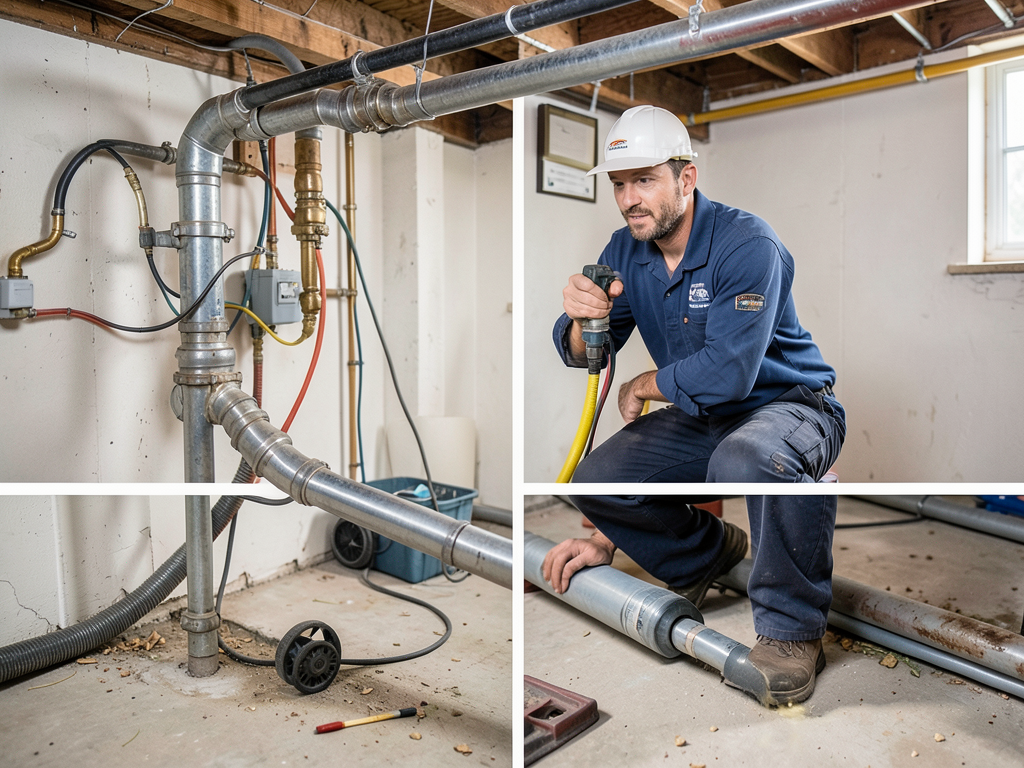
Image Description: Cross-section diagram showing chemical drain cleaner reaction with pipe materials highlighting exothermic heat generation and corrosion patterns in PVC versus cast iron pipes.
Pipe Material Matters PVC vs Cast Iron vs Copper
Your home’s pipe material determines how severely chemical cleaners will damage your system. PVC pipes which are common in newer Maize-Morse homes become soft and brittle when exposed to chemical cleaners. The heat from exothermic reactions can warp PVC joints causing leaks that appear weeks after the initial treatment. Once warped PVC cannot be repaired—you need complete pipe replacement. EPA septic system maintenance guidelines.
Cast iron pipes found in many older Columbus neighborhoods react differently. The sulfuric acid in many drain cleaners accelerates corrosion eating through the iron from the inside out. This creates pinhole leaks that start small but grow rapidly as water pressure exploits the weakened areas. Cast iron corrosion often goes unnoticed until you have a major basement flood. Water Heater Maintenance Tips.
Copper pipes resist chemical damage better than other materials but they’re not immune. The caustic chemicals can cause pitting corrosion that creates tiny holes throughout the pipe length. These holes may not leak immediately but they provide entry points for tree roots and allow water pressure to build up behind weak spots eventually causing bursts. Water Stains on Ceiling or Walls.
Franklin County plumbing codes require specific pipe materials for different applications. PVC cannot be used for hot water supply lines and cast iron requires special supports for vertical installations. Chemical damage can cause your plumbing to fail code inspections creating liability issues if you sell your home.
Signs Your Drain Cleaner Has Already Caused Damage
Many Maize-Morse homeowners don’t realize they’ve damaged their pipes until it’s too late. Watch for these warning signs that chemical drain cleaners have compromised your plumbing system. Water pressure drops unexpectedly even when no other fixtures are running. This indicates small leaks forming inside walls or under floors where you can’t see them.
Unusual pipe noises like popping or cracking sounds when water flows through your system suggest heat damage has created weak spots. These sounds often occur right after using chemical cleaners as pipes expand and contract rapidly from temperature changes. The noises may fade but the damage remains.
Water discoloration ranging from brown to blue-green indicates pipe corrosion. Brown water suggests iron pipe deterioration while blue-green tint points to copper pipe damage. Both colors mean your pipes are breaking down from the inside releasing particles into your water supply. This contamination affects water quality and can stain fixtures permanently.
Recurring clogs in the same drain location often indicate pipe damage rather than simple blockages. Chemical cleaners can create rough interior surfaces that catch debris more easily than smooth pipe walls. You’ll notice clogs returning faster each time despite using more cleaner because the pipe interior becomes increasingly damaged.
Why Columbus’s Older Homes Are at Higher Risk
Maize-Morse and surrounding Columbus neighborhoods contain many homes built between 1950 and 1980 when cast iron and galvanized steel were standard plumbing materials. These pipes already face age-related deterioration from decades of water flow and mineral buildup. Chemical drain cleaners accelerate this natural aging process turning a 30-year-old pipe into a 60-year-old pipe in terms of structural integrity.
Central Ohio’s hard water compounds the problem. Our water contains high levels of calcium and magnesium that create mineral scale inside pipes. Chemical cleaners can’t dissolve this scale effectively so homeowners use more product trying to clear stubborn clogs. The repeated chemical exposure weakens pipe walls while the scale buildup reduces water flow creating a destructive cycle.
Many Maize-Morse homes sit on clay soil that expands and contracts with moisture changes. This soil movement puts additional stress on aging pipes already weakened by chemical exposure. The combination of soil pressure and chemical damage creates perfect conditions for pipe failure often during seasonal temperature changes when pipes expand and contract rapidly.
Columbus building codes require specific pipe materials for different applications. PVC cannot be used for hot water supply lines and cast iron requires special supports for vertical installations. Chemical damage can cause your plumbing to fail code inspections creating liability issues if you sell your home.
Safe Alternatives to Harsh Chemicals
Several effective methods clear clogs without damaging your pipes. The classic plunger works for most sink and toilet clogs when used correctly. Create a tight seal around the drain opening and use firm steady pressure rather than quick jabs. This method takes more effort than chemicals but protects your plumbing investment.
Baking soda and vinegar provide a gentle alternative for minor clogs. Pour one cup of baking soda down the drain followed by one cup of white vinegar. Cover the drain and let the mixture fizz for 30 minutes then flush with hot water. This combination breaks down organic matter without generating damaging heat or corrosive chemicals.
Enzyme-based drain cleaners use natural bacteria to digest organic clogs over 24-48 hours. These products work slower than chemical cleaners but they’re safe for all pipe materials and won’t harm your septic system. Look for products containing lipase amylase and protease enzymes that target different types of organic waste.
Manual drain snakes or augers physically remove clogs without chemicals. These tools come in various lengths from 25 feet for household use to 100 feet for main sewer lines. While they require more effort than pouring chemicals they completely remove blockages rather than just creating temporary passages through them.
When to Call a Professional The Sewer Camera Inspection
Some clogs signal bigger problems that DIY methods can’t fix. If multiple drains clog simultaneously you likely have a main sewer line blockage. Tree roots infiltrating pipes cracked sewer lines or collapsed pipes require professional diagnosis and repair. Chemical cleaners cannot solve these issues and may make them worse by creating hazardous conditions for plumbers. Professional Main Line Cleaning Services for Busy Gahanna Households.
Professional sewer camera inspection reveals exactly what’s causing your drain problems. A waterproof camera attached to a flexible cable travels through your pipes sending real-time video to a monitor. Plumbers can identify pipe damage tree root intrusion collapsed sections and exact clog locations. This technology eliminates guesswork and prevents unnecessary pipe replacement.
The inspection process typically takes 30-60 minutes and costs between $150-300 in the Columbus area. The camera shows pipe interior conditions including corrosion scale buildup and joint separations. You receive a digital recording of the inspection plus recommendations for repair or replacement based on actual pipe condition not assumptions.
According to the Plumbing-Heating-Cooling Contractors Association regular camera inspections extend pipe life by identifying problems early when repairs cost less. A $200 inspection might reveal a small section of damaged pipe that costs $500 to replace rather than waiting until the entire line fails requiring $3000-5000 in emergency repairs.
Professional Drain Cleaning Methods That Actually Work
Professional plumbers use several methods that clear clogs without pipe damage. Hydro jetting uses high-pressure water streams up to 4000 PSI to blast away clogs scale and tree roots. The water pressure scours pipe interiors restoring full diameter flow without chemicals or mechanical abrasion. This method works on all pipe materials and actually improves pipe condition.
Mechanical snaking with professional-grade equipment removes stubborn clogs that household snakes cannot reach. Electric augers with various cutting heads can slice through tree roots break up hardened scale and retrieve foreign objects from pipes. These tools cost $200-500 per day to rent but professional plumbers have the right equipment and expertise to use them safely.
Trenchless pipe repair methods fix damaged pipes without digging up your yard. Pipe lining creates a new pipe inside the old one using epoxy resin that hardens to form a jointless corrosion-resistant liner. Pipe bursting replaces old pipes by pulling a new pipe through the existing line breaking the old pipe outward. Both methods cost more than traditional repairs but save landscaping and prevent future problems.
According to the EPA improper drain cleaning causes over $5 billion in annual property damage nationwide. Professional methods prevent this damage while providing permanent solutions rather than temporary chemical fixes that mask underlying problems.
Cost Comparison Chemical Damage vs Professional Repair
Understanding the true cost of chemical drain cleaners requires looking beyond the $5-15 price tag. A single chemical treatment might seem cheap but repeated use damages pipes requiring expensive repairs. Replacing a 10-foot section of cast iron sewer pipe costs $800-1500 including labor. If chemicals cause a complete line failure replacement costs jump to $3000-5000.
Professional drain cleaning services range from $100-300 for simple snaking to $500-800 for hydro jetting main lines. While these prices exceed chemical cleaner costs they provide permanent solutions without pipe damage. Most professional services include warranties covering the work for 30-90 days giving you protection against recurring problems.
Emergency plumbing calls for chemical-related pipe failures typically cost 50-100% more than scheduled services. After-hours weekend and holiday calls can double standard rates. Insurance often doesn’t cover damage caused by chemical misuse considering it homeowner negligence. You pay the full repair cost plus potential water damage restoration.
Consider the value of your time and peace of mind. Chemical cleaners require multiple applications waiting periods and uncertain results. Professional services diagnose fix and guarantee the problem often in a single visit. The higher upfront cost saves money long-term by preventing repeated treatments and catastrophic pipe failures.
Image Description: Before and after comparison showing corroded cast iron pipe interior versus clean pipe after professional hydro jetting treatment demonstrating the effectiveness of mechanical cleaning methods.
Preventing Future Drain Problems in Your Maize-Morse Home
Prevention costs less than repair. Install drain strainers in sinks showers and tubs to catch hair food particles and debris before they enter pipes. Clean these strainers weekly to maintain proper water flow. This simple step prevents 90% of household drain clogs without chemicals or professional services.
Never pour grease oil or fat down drains. These substances solidify in pipes creating stubborn clogs that chemical cleaners cannot dissolve effectively. Instead collect grease in a container and dispose of it in household trash. This practice alone prevents hundreds of dollars in plumbing repairs over your home’s lifetime.
Flush drains monthly with hot water to prevent buildup. Pour boiling water down kitchen and bathroom drains to dissolve soap scum and prevent grease accumulation. This maintenance takes five minutes and costs pennies compared to emergency plumbing calls. Add baking soda monthly for extra cleaning power without chemicals.
Know your home’s plumbing age and material. If your Maize-Morse home has cast iron pipes over 40 years old consider proactive replacement before emergencies occur. Modern PVC or PEX piping resists corrosion lasts 50+ years and costs less to install than emergency repairs on failing old pipes.
Keep tree roots away from sewer lines. Plant trees at least 10 feet from sewer pipes and choose slow-growing species with non-invasive root systems. If you have existing trees near sewer lines consider root barrier installation or regular root cutting by professionals to prevent infiltration damage.
Local Resources and Professional Help
Maize-Morse residents have several local resources for drain and plumbing issues. The City of Columbus Division of Sewerage and Drainage provides information about main sewer line responsibilities and maintenance requirements. They offer free sewer line inspections for eligible homeowners through their residential sewer repair program.
Franklin County Public Health regulates plumbing installations and can provide information about proper drain cleaning methods that comply with local codes. They maintain records of licensed plumbers and can verify credentials before you hire someone for drain work.
Local hardware stores often employ staff with plumbing experience who can recommend safe alternatives to chemical cleaners. Many stores in the Maize-Morse area carry enzyme-based products professional-grade manual snakes and other tools that protect your plumbing while solving drain problems effectively.
For professional help call licensed plumbers who understand local soil conditions pipe materials and building codes. Ask about their experience with older Columbus homes and their methods for diagnosing drain problems. Reputable plumbers offer free estimates and explain their recommended solutions before starting work.
Frequently Asked Questions
Are chemical drain cleaners safe for septic systems?
No chemical drain cleaners kill beneficial bacteria in septic tanks that break down waste. This disruption causes system failure requiring expensive pumping and repairs. Enzyme-based cleaners are safe for septic systems because they enhance rather than destroy natural bacterial processes.
How long after using chemicals should I wait before calling a plumber?
Wait at least 24 hours after using chemical cleaners before calling a plumber. The chemicals create hazardous conditions that can burn skin and damage equipment. Tell the plumber what chemicals you used and when so they can take proper safety precautions.
Can I use chemicals in my washing machine drain?
Never use chemical drain cleaners in washing machine drains. The chemicals can damage the machine’s internal components and void warranties. Washing machine clogs usually involve lint and fabric buildup that requires mechanical removal not chemical treatment.
What’s the difference between a drain cleaner and a drain opener?
Drain cleaners use harsh chemicals to dissolve clogs while drain openers use physical methods like pressure or mechanical action to push clogs through pipes. Openers are safer for pipes but may not work on severe blockages that cleaners can partially dissolve.
How can I tell if my pipes are cast iron or PVC?
Check exposed pipes in basements or crawl spaces. Cast iron pipes are dark gray or black and very heavy. PVC pipes are white or cream-colored and much lighter. You can also check your home’s building permit records which list original plumbing materials.
Image Description: Professional plumber using sewer camera inspection equipment to diagnose drain problems in a Maize-Morse home demonstrating modern diagnostic technology that prevents unnecessary pipe replacement.
Protect Your Plumbing Investment Today
Your home’s plumbing system represents a significant investment that chemical drain cleaners put at risk every time you use them. The temporary convenience of pouring chemicals down a clogged drain can lead to thousands of dollars in pipe damage emergency repairs and water damage restoration. Maize-Morse homes with their mix of older and newer construction face unique risks from these products.
Safe alternatives like plunging enzyme cleaners and professional services protect your pipes while solving drain problems permanently. When clogs persist despite your best efforts don’t reach for another chemical bottle. Call a professional who can diagnose the real problem using modern camera inspection technology and recommend solutions that preserve your plumbing system.
Don’t wait for a pipe to burst and flood your basement. If you’re experiencing recurring drain problems or suspect chemical damage has already occurred take action now. Professional diagnosis costs less than emergency repairs and gives you peace of mind about your home’s plumbing condition.
Pick up the phone and call (614) 707-7373 today to schedule your drain inspection. Our licensed plumbers serve Maize-Morse and all Columbus neighborhoods with fast reliable service that protects your home’s plumbing investment. Stop the damage before it costs you thousands in emergency repairs.
Remember your pipes are not disposable. They’re a critical part of your home that deserves proper care and maintenance. Choose solutions that protect rather than destroy your plumbing system. Your future self will thank you when you avoid the nightmare of a burst pipe and flooded basement.
Call (614) 707-7373 now to speak with a plumbing expert who can help you choose the right solution for your drain problems. Don’t let chemical damage turn a simple clog into a major emergency. Professional help is just one call away.
{
“@context”: “https://schema.org”,
“@type”: “BlogPosting”,
“headline”: “Why You Should Never Use Liquid Drain Cleaners in Your Maize-Morse Home (and What to Use Instead)”,
“description”: “Liquid drain cleaners corrode your Maize-Morse pipes and cause costly damage. Learn safe alternatives and when to call a Columbus plumber before it’s too late.”,
“wordCount”: 2990,
“datePublished”: “2026-05-28T07:24:00.000Z”,
“dateModified”: “2026-05-28T07:24:00.000Z”,
“inLanguage”: “en-US”,
“mainEntityOfPage”: {
“@type”: “WebPage”,
“@id”: “https://firstchoiceplumbingcolumbus.com”
},
“publisher”: {
“@type”: “LocalBusiness”,
“name”: “First Choice Plumbing Columbus”,
“url”: “https://firstchoiceplumbingcolumbus.com”
},
“author”: {
“@type”: “Organization”,
“name”: “First Choice Plumbing Columbus”,
“url”: “https://firstchoiceplumbingcolumbus.com”
},
“image”: {
“@type”: “ImageObject”,
“url”: “https://firstchoiceplumbingcolumbus.com/wp-content/uploads/2026/03/why-you-should-never-use-liquid-drain-cleaners-in-1.png”
}
}
{
“@context”: “https://schema.org”,
“@type”: “Plumber”,
“name”: “First Choice Plumbing Columbus”,
“url”: “https://firstchoiceplumbingcolumbus.com”,
“address”: {
“@type”: “PostalAddress”,
“addressLocality”: “Columbus”
},
“areaServed”: {
“@type”: “City”,
“name”: “Columbus”
}
}
{
“@context”: “https://schema.org”,
“@type”: “FAQPage”,
“mainEntity”: [
{
“@type”: “Question”,
“name”: “Are chemical drain cleaners safe for septic systems?”,
“acceptedAnswer”: {
“@type”: “Answer”,
“text”: “No chemical drain cleaners kill beneficial bacteria in septic tanks that break down waste. This disruption causes system failure requiring expensive pumping and repairs. Enzyme-based cleaners are safe for septic systems because they enhance rather than destroy natural bacterial processes.”
}
},
{
“@type”: “Question”,
“name”: “How long after using chemicals should I wait before calling a plumber?”,
“acceptedAnswer”: {
“@type”: “Answer”,
“text”: “Wait at least 24 hours after using chemical cleaners before calling a plumber. The chemicals create hazardous conditions that can burn skin and damage equipment. Tell the plumber what chemicals you used and when so they can take proper safety precautions.”
}
},
{
“@type”: “Question”,
“name”: “Can I use chemicals in my washing machine drain?”,
“acceptedAnswer”: {
“@type”: “Answer”,
“text”: “Never use chemical drain cleaners in washing machine drains. The chemicals can damage the machine’s internal components and void warranties. Washing machine clogs usually involve lint and fabric buildup that requires mechanical removal not chemical treatment.”
}
},
{
“@type”: “Question”,
“name”: “How can I tell if my pipes are cast iron or PVC?”,
“acceptedAnswer”: {
“@type”: “Answer”,
“text”: “Check exposed pipes in basements or crawl spaces. Cast iron pipes are dark gray or black and very heavy. PVC pipes are white or cream-colored and much lighter. You can also check your home’s building permit records which list original plumbing materials.”
}
}
]
}
{
“@context”: “https://schema.org”,
“@type”: “BreadcrumbList”,
“itemListElement”: [
{
“@type”: “ListItem”,
“position”: 1,
“name”: “Home”,
“item”: “https://firstchoiceplumbingcolumbus.com”
},
{
“@type”: “ListItem”,
“position”: 2,
“name”: “Blog”,
“item”: “https://firstchoiceplumbingcolumbus.com/blog”
},
{
“@type”: “ListItem”,
“position”: 3,
“name”: “Why You Should Never Use Liquid Drain Cleaners in Your Maize-Morse Home (and What to Use Instead)”
}
]
}
{
“@context”: “https://schema.org”,
“@type”: “Service”,
“serviceType”: “Plumbing”,
“provider”: {
“@type”: “LocalBusiness”,
“name”: “First Choice Plumbing Columbus”,
“url”: “https://firstchoiceplumbingcolumbus.com”
},
“areaServed”: {
“@type”: “City”,
“name”: “Columbus”
},
“description”: “Liquid drain cleaners corrode your Maize-Morse pipes and cause costly damage. Learn safe alternatives and when to call a Columbus plumber before it’s too late.”
}