Why You Should Never Put These Five Things Down Your Kitchen Drain (Even with a Disposal)
Kitchen drains handle daily wear from food scraps, grease, and cleaning products. Many homeowners assume a garbage disposal makes everything safe to wash away. That assumption leads to slow drains, foul odors, and expensive repairs. In Columbus, hard water and aging pipes make the problem worse. Understanding what not to put down your drain protects your plumbing and saves money. Columbus Public Utilities.
Certain materials stick to pipe walls, combine with minerals, and form stubborn blockages. Fats, oils, and grease (FOG) coat pipes like candle wax. Fibrous foods tangle in disposal blades. Coffee grounds clump into dense sediment. Even small amounts of these materials cause big problems over time. Prevention beats emergency repair every time. Finding an Emergency Plumber in Columbus Who Can Actually Show Up Today.
Why Columbus Homes Face Unique Drain Challenges
Columbus sits on limestone bedrock with high mineral content in the water supply. Calcium and magnesium create scale inside pipes, narrowing passages and trapping debris. Combined with cold Midwest winters, pipes expand and contract, loosening joints where FOG can seep into walls. Older neighborhoods like Clintonville and German Village often have galvanized steel pipes that corrode faster when exposed to acidic food waste. Your Best Options for Fast Water Heater Replacement in Dublin.
Franklin County building code requires all kitchen drains to have a P-trap to block sewer gases. When FOG coats the trap, water flow slows and gases can escape. That rotten egg smell means trouble is brewing. A licensed plumber can inspect the trap and recommend enzyme treatments that break down organic buildup without damaging pipes. Franklin County Sanitary Engineering.
The Five Drain Killers You Must Avoid
Putting the wrong items down your drain invites clogs, odors, and costly repairs. Here are the five biggest offenders that even a garbage disposal cannot handle safely.
1. Fats, Oils, and Grease
Cooking oil, butter, bacon grease, and meat fat may look harmless when hot. Once cooled, they solidify into a waxy plug. Over time, layers build up and trap food particles. FOG causes nearly half of all sewer overflows in Franklin County, according to Columbus Public Utilities. Never pour grease down any drain. Instead, collect it in a metal can, let it harden, and throw it in the trash.
2. Fibrous Vegetables and Peels
Celery strings, potato peels, corn husks, and asparagus ends tangle around disposal blades. The fibrous strands wrap tight and stop the motor. Even if the disposal keeps running, chunks of fibrous material slip into the drain line and snag on pipe joints. Compost these items instead of risking a jammed disposal.
3. Coffee Grounds
Damp coffee grounds pack together like wet cement. They settle in low spots and resist water flow. Many people believe coffee grounds clean pipes, but they actually create dense sediment layers. Over weeks, this buildup narrows the pipe until water barely trickles through. Always toss coffee grounds in the trash or compost bin.
4. Pasta, Rice, and Bread
Starchy foods absorb water and expand inside pipes. A small spoonful of rice can swell to several times its size. Pasta and bread dough act the same way, forming a gummy paste that sticks to pipe walls. Even a powerful disposal cannot grind these items fine enough to prevent clogs. Scrape plates into the trash before rinsing.. Read more about What to Consider Before Installing a New Dishwasher in Your Columbus Kitchen.
5. Eggshells and Seafood Shells
Eggshells break into tiny, sharp pieces that collect in pipe bends. Seafood shells like shrimp or crab are even worse. They are hard, brittle, and can scratch the inside of pipes. Disposals struggle with shells, and fragments often lodge in the drain trap. Compost eggshells or throw them away instead.
How to Maintain a Healthy Kitchen Drain
Preventing clogs starts with daily habits. Small changes protect your plumbing and reduce the need for emergency service calls. Follow these steps to keep water flowing freely.. Read more about Simple Plumbing Habits Every Ohio State Student Living Off-Campus Should Know.
Daily Drain Care Routine
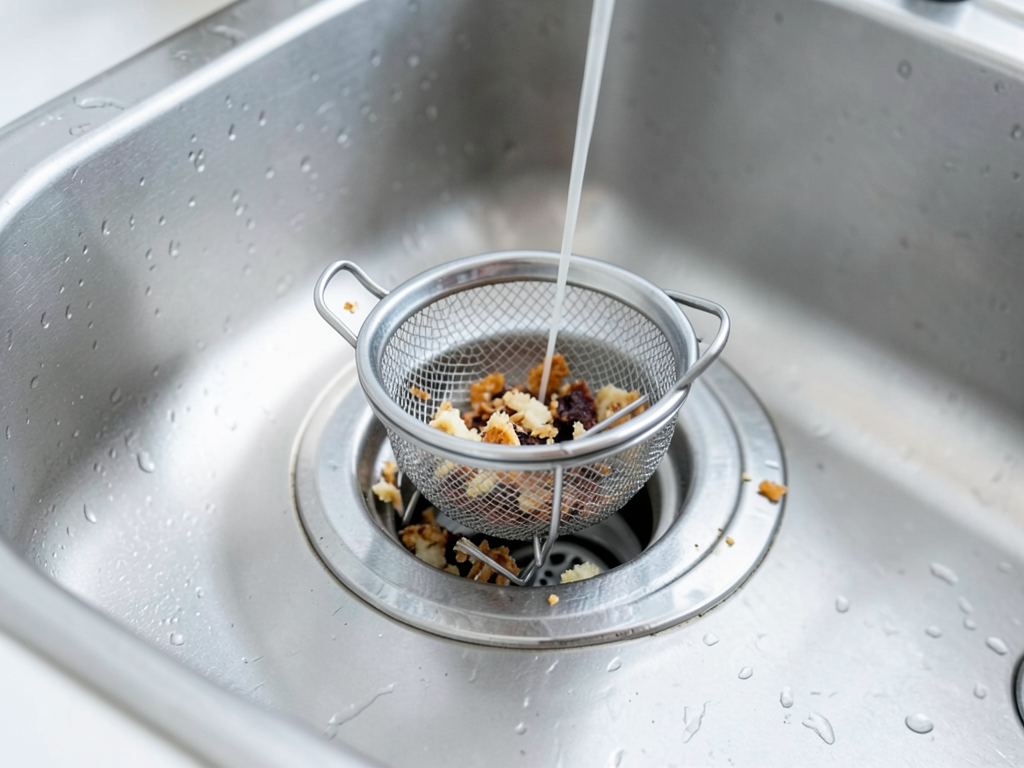
Use a mesh sink strainer to catch food scraps before they reach the drain. Empty the strainer into the trash after each use. Run cold water for 15 seconds before and after using the disposal. Cold water keeps grease solid so the disposal can chop it into small pieces that flow away.
Never run the disposal without water. Water carries ground particles through the pipes. After grinding, let the water run for a few more seconds to flush the line. Avoid hot water during grinding because it melts grease, letting it coat the pipes instead of washing away.
Weekly Deep Cleaning
Once a week, pour a half cup of baking soda into the drain. Follow with a half cup of white vinegar. The mixture fizzes and loosens light buildup. After 15 minutes, flush with boiling water. This safe, chemical-free method works on most kitchen drains and does not harm pipes.. Read more about How to Select Modern Kitchen Faucets That Will Actually Last in Pickerington.
For stubborn odors, drop a few lemon peels into the disposal while running cold water. The citrus oils freshen the drain and help break down minor grease. Never use chemical drain cleaners. They contain harsh acids that corrode pipes, especially older galvanized steel common in Clintonville and German Village homes. Keep Your German Village Basement Dry with a Better Sump Pump System.
Monthly Professional Maintenance
Even with good habits, minerals and organic buildup accumulate over time. A licensed plumber can use a video camera to inspect the inside of your drain lines. If they spot early scale or FOG deposits, they may recommend hydro-jetting. This high-pressure water cleaning removes buildup without chemicals and restores full pipe diameter. Professional Main Line Cleaning Services for Busy Gahanna Households.
Enzyme-based drain cleaners offer another safe option. These products use bacteria to digest organic matter. They work slowly but protect pipes from chemical damage. Ask your plumber which enzyme product suits your home’s plumbing age and material.
Garbage Disposal Best Practices
A garbage disposal is not a trash can. It grinds food into small pieces but cannot eliminate the risk of clogs. Treat it as a convenience, not a cure-all. Follow these rules to extend its life and protect your drains.
What You Can Safely Grind
Small amounts of soft food waste are generally safe. Think fruit scraps, cooked vegetables, and small bones like chicken wings. Always cut large items into chunks before grinding. Run cold water before, during, and after use. This keeps the motor cool and flushes debris away.
What to Avoid at All Costs
Never put fibrous, starchy, or greasy items down the disposal. Avoid hard objects like fruit pits, bones larger than chicken wings, and non-food items. Even paper products like coffee filters can tangle in the blades. When in doubt, throw it out.
Signs of Disposal Trouble
Grinding noises, humming without movement, or water backing up signal a jam or motor failure. Turn off the disposal immediately. Never insert your hand into the grinding chamber. Use the reset button on the bottom of the unit. If problems persist, call a plumber before the motor burns out.
Columbus Hard Water and Your Drains
Franklin County’s water comes from the Scioto River and underground aquifers rich in calcium and magnesium. These minerals leave white scale deposits inside pipes, faucets, and appliances. Over time, scale narrows drain passages and traps food particles. Homes in Dublin and Hilliard often need water softeners to protect plumbing.
Hard water also reduces the effectiveness of soaps and detergents. Residue builds up in drains, creating a sticky surface where debris collects. If you notice white crusty buildup around faucets or spots on dishes, your home likely has hard water. A plumber can test your water and recommend a softener system.
Installing a water softener protects more than your drains. It extends the life of water heaters, dishwashers, and washing machines. Softened water also feels better on skin and hair. The upfront cost pays off in fewer repairs and lower energy bills.
When to Call a Professional
Some drain problems need expert help. Slow drains, gurgling sounds, or recurring clogs signal deeper issues. If multiple fixtures back up at once, the main sewer line may be blocked. Tree roots, collapsed pipes, or severe scale buildup require professional tools and experience.
A plumber can use a motorized auger to clear tough clogs without damaging pipes. For severe scale, hydro-jetting blasts away buildup and restores flow. Camera inspections reveal hidden problems like cracks, offsets, or root intrusion. Early detection prevents costly emergency repairs.
If you live in an older Columbus home with galvanized steel pipes, replacement may be the best long-term solution. Modern PEX or PVC piping resists corrosion and scale. A whole-home repipe eliminates recurring drain issues and improves water pressure. Whole Home Repiping.
Local Resources for FOG Disposal
Columbus offers free drop-off locations for used cooking oil and grease. The city’s recycling program converts FOG into biodiesel fuel. Never pour oil down storm drains or into the trash in liquid form. Solidified oil in a sealed container belongs in household trash if recycling is not available.
The Franklin County Sanitary Engineering Department provides education on proper FOG disposal. They report that nearly 40 percent of sewer blockages in the county result from household grease. Following their guidelines protects your home and the municipal sewer system.
Protecting Your Home Year-Round
Drain care is not just about avoiding clogs. It protects your home from water damage, mold, and costly repairs. In Columbus, seasonal changes stress plumbing. Winter freezes can crack pipes, while summer humidity accelerates corrosion. Consistent maintenance keeps your system reliable through every season.
Check under sinks monthly for leaks or moisture. Listen for gurgling sounds that indicate trapped air in the pipes. If you notice slow drainage in multiple fixtures, call a plumber before the problem worsens. A small investment in prevention saves thousands in emergency repairs.
Frequently Asked Questions
Can I use chemical drain cleaners to clear a clog?
Chemical cleaners can damage pipes, especially older galvanized steel common in Columbus homes. They also harm the environment and may not fully clear the clog. Mechanical cleaning or enzyme treatments are safer and more effective.
How often should I clean my kitchen drain?
Rinse with hot water daily, use baking soda and vinegar weekly, and schedule professional inspection annually. Homes with hard water or older pipes may need more frequent service.
What should I do if my disposal stops working?
Turn off the power immediately. Press the reset button on the bottom of the unit. If it still does not work, call a plumber. Never insert your hand into the grinding chamber.
Does hard water cause drain problems?
Yes. Hard water minerals create scale that narrows pipes and traps debris. A water softener can prevent this buildup and protect your entire plumbing system.
Where can I dispose of cooking grease in Columbus?
Franklin County offers free drop-off sites for used cooking oil and grease. Never pour it down drains or storm sewers. Solidified oil in a sealed container can go in household trash if recycling is not available.
Take Action Before a Small Problem Becomes a Big One
Ignoring slow drains or strange smells leads to bigger headaches. A minor clog today can become a flooded kitchen tomorrow. Columbus’s hard water and aging infrastructure make prevention even more important. Simple habits like using a sink strainer and avoiding FOG protect your home and wallet.
If you notice recurring clogs, foul odors, or slow drainage, do not wait. Call (614) 707-7373 today to schedule a professional drain inspection. Our licensed plumbers use safe, effective methods to clear clogs and protect your pipes. We serve Columbus, Dublin, Hilliard, and surrounding areas with fast, reliable service.
Pick up the phone and call (614) 707-7373 before the next storm hits. Protect your home with expert drain care you can trust.
{
“@context”: “https://schema.org”,
“@type”: “BlogPosting”,
“headline”: “Why You Should Never Put These Five Things Down Your Kitchen Drain (Even with a Disposal)”,
“description”: “Protect your Columbus home’s plumbing. Learn the 5 items that ruin drains, how Columbus hard water makes clogs worse, and when to call (614) 707-7373 for help.”,
“wordCount”: 1961,
“datePublished”: “2026-03-19T12:39:00.000Z”,
“dateModified”: “2026-03-19T12:39:00.000Z”,
“inLanguage”: “en-US”,
“mainEntityOfPage”: {
“@type”: “WebPage”,
“@id”: “https://firstchoiceplumbingcolumbus.com”
},
“publisher”: {
“@type”: “LocalBusiness”,
“name”: “First Choice Plumbing Columbus”,
“url”: “https://firstchoiceplumbingcolumbus.com”
},
“author”: {
“@type”: “Organization”,
“name”: “First Choice Plumbing Columbus”,
“url”: “https://firstchoiceplumbingcolumbus.com”
},
“image”: {
“@type”: “ImageObject”,
“url”: “https://firstchoiceplumbingcolumbus.com/wp-content/uploads/2026/03/why-you-should-never-put-these-five-things-down-yo-1.png”
}
}
{
“@context”: “https://schema.org”,
“@type”: “Plumber”,
“name”: “First Choice Plumbing Columbus”,
“url”: “https://firstchoiceplumbingcolumbus.com”,
“address”: {
“@type”: “PostalAddress”,
“addressLocality”: “Columbus”
},
“areaServed”: {
“@type”: “City”,
“name”: “Columbus”
}
}
{
“@context”: “https://schema.org”,
“@type”: “FAQPage”,
“mainEntity”: [
{
“@type”: “Question”,
“name”: “Can I use chemical drain cleaners to clear a clog?”,
“acceptedAnswer”: {
“@type”: “Answer”,
“text”: “Chemical cleaners can damage pipes, especially older galvanized steel common in Columbus homes. They also harm the environment and may not fully clear the clog. Mechanical cleaning or enzyme treatments are safer and more effective.”
}
},
{
“@type”: “Question”,
“name”: “How often should I clean my kitchen drain?”,
“acceptedAnswer”: {
“@type”: “Answer”,
“text”: “Rinse with hot water daily, use baking soda and vinegar weekly, and schedule professional inspection annually. Homes with hard water or older pipes may need more frequent service.”
}
},
{
“@type”: “Question”,
“name”: “What should I do if my disposal stops working?”,
“acceptedAnswer”: {
“@type”: “Answer”,
“text”: “Turn off the power immediately. Press the reset button on the bottom of the unit. If it still does not work, call a plumber. Never insert your hand into the grinding chamber.”
}
},
{
“@type”: “Question”,
“name”: “Does hard water cause drain problems?”,
“acceptedAnswer”: {
“@type”: “Answer”,
“text”: “Yes. Hard water minerals create scale that narrows pipes and traps debris. A water softener can prevent this buildup and protect your entire plumbing system.”
}
},
{
“@type”: “Question”,
“name”: “Where can I dispose of cooking grease in Columbus?”,
“acceptedAnswer”: {
“@type”: “Answer”,
“text”: “Franklin County offers free drop-off sites for used cooking oil and grease. Never pour it down drains or storm sewers. Solidified oil in a sealed container can go in household trash if recycling is not available.”
}
}
]
}
{
“@context”: “https://schema.org”,
“@type”: “BreadcrumbList”,
“itemListElement”: [
{
“@type”: “ListItem”,
“position”: 1,
“name”: “Home”,
“item”: “https://firstchoiceplumbingcolumbus.com”
},
{
“@type”: “ListItem”,
“position”: 2,
“name”: “Blog”,
“item”: “https://firstchoiceplumbingcolumbus.com/blog”
},
{
“@type”: “ListItem”,
“position”: 3,
“name”: “Why You Should Never Put These Five Things Down Your Kitchen Drain (Even with a Disposal)”
}
]
}
{
“@context”: “https://schema.org”,
“@type”: “Service”,
“serviceType”: “Plumbing”,
“provider”: {
“@type”: “LocalBusiness”,
“name”: “First Choice Plumbing Columbus”,
“url”: “https://firstchoiceplumbingcolumbus.com”
},
“areaServed”: {
“@type”: “City”,
“name”: “Columbus”
},
“description”: “Protect your Columbus home’s plumbing. Learn the 5 items that ruin drains, how Columbus hard water makes clogs worse, and when to call (614) 707-7373 for help.”
}