Upgrading to Touchless Faucets to Improve Hygiene in Your Columbus Business
Touchless faucets have become essential for modern commercial restrooms in Columbus. These motion-activated fixtures reduce germ transmission by eliminating the need to touch handles with dirty hands. Beyond hygiene, they offer water conservation benefits and meet ADA accessibility requirements. For Columbus businesses looking to upgrade their facilities, touchless faucets represent a smart investment in public health and operational efficiency. Your Best Options for Fast Water Heater Replacement in Dublin.
How Touchless Faucet Technology Works
Touchless faucets use infrared sensors to detect hand movement within a specific range. When your hands enter the detection zone, the sensor sends a signal to a solenoid valve that opens the water flow. The water stops automatically when hands move away, preventing waste from forgotten running taps. Water Heater Maintenance Tips.
The technology includes several key components working together. The infrared sensor array typically uses multiple LEDs to create a detection field. The solenoid valve controls water flow with electromagnetic precision. Power comes from either AC adapters or battery packs, with most commercial units using hardwired connections for reliability. Water Stains on Ceiling or Walls.
Sensor calibration determines the detection range and response time. Too sensitive and the faucet activates when someone walks by. Not sensitive enough and users struggle to trigger the flow. Professional installation ensures optimal sensor positioning for your specific sink configuration. Professional Main Line Cleaning Services for Busy Gahanna Households.
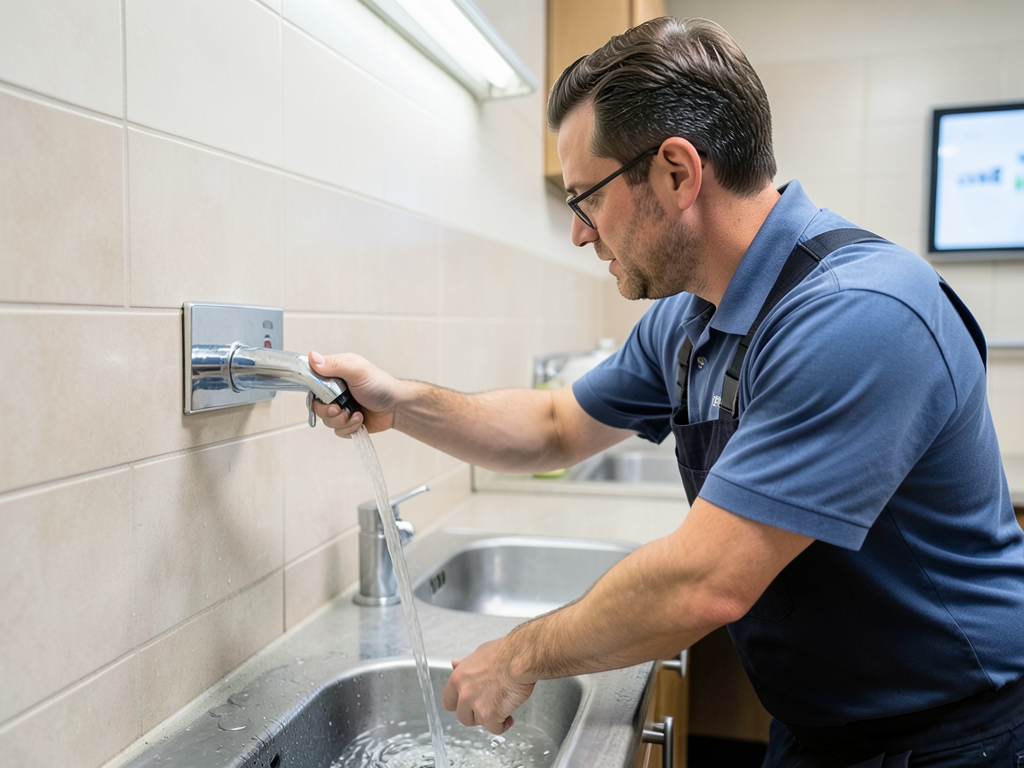
Diagram showing internal components of a touchless faucet system including sensor, solenoid valve, and power supply connections.
Benefits of Touchless Faucets for Columbus Businesses
Germ reduction stands as the primary benefit in post-pandemic commercial environments. Touchless faucets eliminate cross-contamination between users since no one touches the same handle. This matters significantly in high-traffic restrooms where dozens of people use the same fixtures daily.
Water conservation provides measurable cost savings. Standard faucets can waste gallons when left running accidentally. Touchless models stop immediately when hands move away, reducing water usage by 30-50% in most commercial settings. For Columbus businesses with older plumbing, this reduction can substantially lower utility bills.
ADA compliance comes standard with most touchless models. The automatic operation helps users with limited hand dexterity or strength. Many units also feature adjustable water temperature settings that prevent scalding, adding another layer of safety for all users.
Professional appearance matters for customer-facing businesses. Touchless faucets signal that your Columbus establishment prioritizes cleanliness and modern amenities. This perception can influence customer satisfaction and repeat visits, especially in restaurants, medical offices, and retail environments.. Read more about Why Milo-Grogan Restaurant Owners Should Invest in a High-Capacity Grease Trap.
Installation Options for Commercial Settings
Commercial touchless faucet installation requires careful planning around existing plumbing infrastructure. Most Columbus businesses need to consider whether their current sink configuration supports the new fixtures. Standard installations involve removing existing faucets, preparing mounting surfaces, and connecting new supply lines. EPA WaterSense program.
Battery-powered models offer flexibility for retrofit situations where electrical outlets aren’t available near sinks. However, commercial applications typically benefit from hardwired units that eliminate battery replacement concerns. AC-powered installations require running low-voltage wiring from nearby outlets to the faucet base.
Sensor placement affects user experience significantly. Professionals position sensors at optimal heights and angles based on sink depth and typical user demographics. For restaurants and medical facilities, sensors might need adjustment for users wearing gloves or working with contaminated hands.
Water pressure requirements vary by model. Most touchless faucets need 20-125 PSI for proper operation. Older Columbus buildings with aging plumbing might require pressure regulation or supply line upgrades before installation.
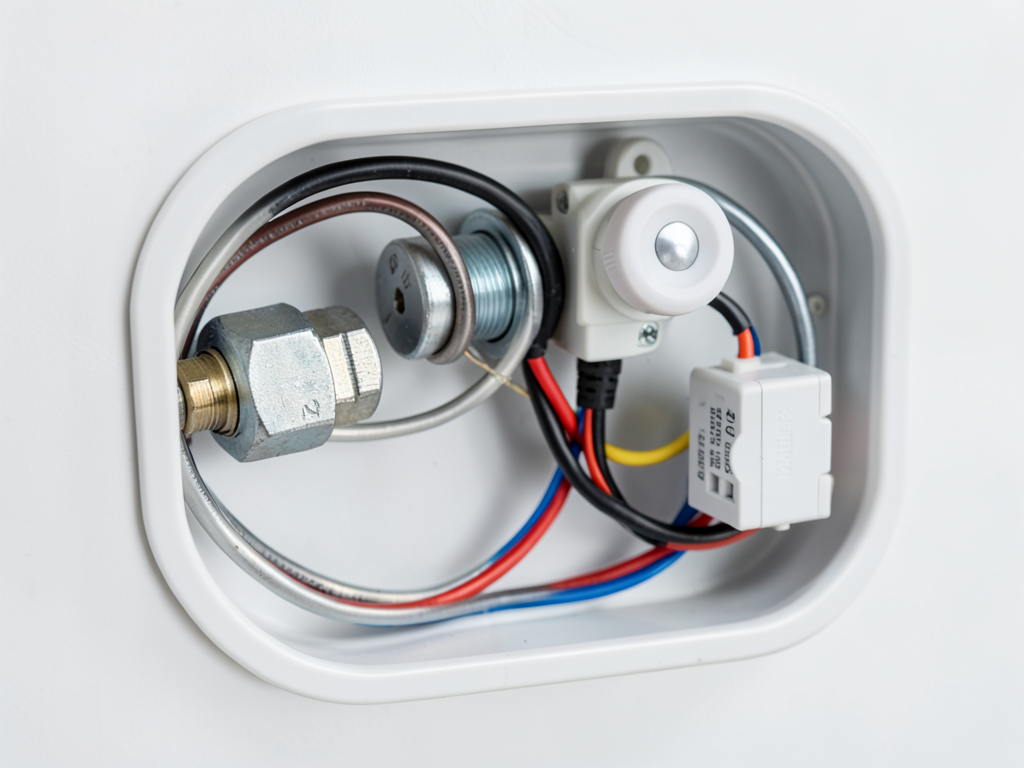
Photo showing professional installation of a commercial touchless faucet with exposed plumbing connections.
Popular Brands for Commercial Touchless Faucets
Several manufacturers dominate the commercial touchless faucet market. Sloan leads with battery-powered and hardwired options designed specifically for high-traffic restrooms. Their units feature robust construction and reliable sensor technology that withstands heavy daily use.
Moen offers commercial-grade MotionSense technology with adjustable sensor ranges and flow rates. Their fixtures include temperature control features and vandal-resistant designs suitable for public spaces. Delta Faucet provides Touch2O technology adapted for commercial use with similar durability standards.
Kohler manufactures commercial touchless models with advanced sensor calibration and water-saving aerators. Their designs often include chrome or brushed nickel finishes that resist water spots and fingerprints. American Standard produces budget-friendly options without sacrificing basic functionality.
Brand selection depends on specific needs. Medical facilities might prioritize antimicrobial finishes and precise temperature control. Restaurants need durable construction that handles constant use. Office buildings often focus on aesthetic appeal alongside functionality.
Maintenance Requirements and Best Practices
Touchless faucets require regular maintenance to ensure reliable operation. Sensor lenses need periodic cleaning to maintain detection accuracy. Soap residue, mineral deposits, and dust can interfere with infrared signals, causing inconsistent performance.
Aerator cleaning prevents flow restriction from mineral buildup. Columbus’s hard water accelerates scale formation, requiring more frequent maintenance than areas with softer water. Professional cleaning services can remove stubborn deposits without damaging delicate sensor components.
Battery replacement schedules vary by usage volume. High-traffic restrooms might need battery changes every 6-12 months. Hardwired units eliminate this concern but require occasional AC adapter inspection for corrosion or loose connections.
Sensor recalibration ensures consistent performance over time. Environmental changes like seasonal temperature fluctuations can affect sensor sensitivity. Professional technicians can adjust settings to maintain optimal detection without false activations.
Cost Considerations for Columbus Businesses
Touchless faucet costs vary significantly based on features and installation complexity. Basic commercial models start around $200-300 per unit. Premium units with advanced features like temperature control and antimicrobial finishes can exceed $600.
Installation costs depend on existing plumbing conditions. Simple replacements might cost $150-250 per fixture. Complex installations requiring electrical work or plumbing modifications can reach $400-600 per unit. Multiple fixture discounts often apply for complete restroom upgrades.
Water savings provide ongoing returns on investment. A typical commercial restroom with four sinks might save 500-1,000 gallons monthly after touchless conversion. At current Columbus water rates, this translates to $15-30 monthly savings, helping offset initial costs.
Maintenance costs remain minimal compared to traditional faucets. The elimination of handle wear and tear reduces repair frequency. Battery replacement represents the primary ongoing expense for non-hardwired models.
Photo comparing traditional faucet with touchless model showing water flow patterns and sensor placement.
Commercial Applications by Industry
Restaurants benefit significantly from touchless technology in kitchen and restroom areas. Kitchen staff can wash hands without touching handles with contaminated gloves or food-covered hands. Restroom touchless fixtures reduce germ transmission between patrons.
Medical offices require touchless faucets for infection control compliance. Healthcare regulations increasingly mandate touchless fixtures in patient care areas. The technology helps prevent healthcare-associated infections while meeting regulatory requirements.
Office buildings find touchless faucets reduce maintenance calls and water waste. High-traffic restrooms experience fewer handle breakages and running water incidents. The professional appearance also enhances building tenant satisfaction.
Educational facilities benefit from touchless technology’s durability and water conservation. School restrooms often experience vandalism with traditional fixtures. Touchless models resist damage while teaching water conservation habits to students.
Choosing the Right Touchless Faucet for Your Business
Usage volume determines the appropriate model selection. Low-traffic restrooms might use battery-powered units to minimize installation costs. High-traffic areas require hardwired models for reliability and continuous operation.
Water pressure considerations affect performance. Buildings with older plumbing might need pressure-compensating models to ensure consistent flow. Professional assessment can identify necessary plumbing modifications before installation. ASSE International.
Finish selection impacts maintenance requirements. Chrome finishes show water spots but clean easily. Brushed finishes hide fingerprints but require more effort to restore shine. Consider cleaning staff capabilities when selecting finishes.
Temperature control features matter for user comfort and safety. Models with adjustable temperature settings prevent scalding while allowing comfortable handwashing. Some jurisdictions require thermostatic mixing valves for commercial applications.
Frequently Asked Questions
How long do touchless faucet batteries last?
Battery life typically ranges from 6-24 months depending on usage volume and battery quality. High-traffic restrooms might need replacement every 6-12 months. Most units use standard AA or AAA batteries for easy replacement.
Can I convert my existing faucet to touchless?
Yes, retrofit kits are available that add touchless functionality to existing fixtures. However, complete replacement often provides better reliability and aesthetics. Retrofit options work best for low-traffic applications where budget constraints exist.
What happens during a power outage?
Battery-powered units continue operating normally. Hardwired models typically have battery backup systems that provide 1-2 days of operation. Some models include manual override handles for complete power failures.
Are touchless faucets ADA compliant?
Most commercial touchless faucets meet ADA requirements for accessibility. The automatic operation helps users with limited hand dexterity. Many models also include features like adjustable water temperature and flow rate controls that enhance accessibility.
How much water do touchless faucets save?
Touchless faucets typically reduce water usage by 30-50% compared to traditional fixtures. Savings depend on usage patterns and existing habits. High-traffic restrooms often see the greatest reduction since accidental running water becomes impossible.
Installation Timeline and Process
Professional touchless faucet installation follows a systematic process. Initial assessment evaluates existing plumbing conditions and electrical availability. Technicians measure sink dimensions and check water pressure to ensure compatibility.
Removal of existing fixtures requires careful disconnection of supply lines and drain connections. Old putty or caulk must be completely removed before new installation. This preparation prevents leaks and ensures proper mounting.
Mounting new fixtures involves precise alignment and secure fastening. Sensor positioning requires careful adjustment to optimize detection range. Water connections must be tightened to prevent leaks while avoiding damage to plastic components.
Testing and calibration verify proper operation before completion. Technicians check for leaks, adjust sensor sensitivity, and verify water temperature settings. User training ensures staff understands any special features or maintenance requirements.
Environmental Impact and Sustainability
Touchless faucets contribute to environmental sustainability through water conservation. A typical commercial installation can save thousands of gallons annually. This reduction helps businesses meet sustainability goals while lowering utility costs.
Manufacturing processes for touchless fixtures continue improving environmental impact. Many manufacturers now use recycled materials and energy-efficient production methods. Some companies offer take-back programs for old fixtures to prevent landfill waste.
Reduced chemical usage represents another environmental benefit. Touchless operation minimizes soap and cleaning product waste since users dispense only what they need. This reduction lowers the environmental impact of restroom maintenance.
LEED certification points are available for touchless fixture installations. Commercial buildings pursuing green building certification can earn credits for water conservation and innovative plumbing technologies.
Common Installation Challenges
Older Columbus buildings present unique installation challenges. Galvanized steel pipes common in buildings pre-1980 can restrict water flow and require replacement before touchless installation. Mineral buildup in supply lines might necessitate cleaning or replacement.
Electrical availability affects installation options. Buildings without nearby outlets require new wiring runs or battery-powered units. Some historic buildings have restrictions on new electrical installations that complicate hardwired options.
Countertop thickness can limit mounting options. Thick granite or concrete countertops might not accommodate standard mounting hardware. Custom brackets or extended shanks might be necessary for proper installation.
Water hammer issues can damage sensitive electronic components. Older plumbing systems without water hammer arrestors might need additional protection devices to prevent solenoid valve damage from pressure surges.
Future Trends in Touchless Technology
Smart home integration represents the next evolution in touchless technology. Voice-activated faucets allow users to request specific water temperatures or volumes. Smartphone apps can track water usage and detect leaks through usage pattern analysis.
Artificial intelligence enhances sensor capabilities. Advanced models can distinguish between different hand gestures for various functions. Some systems learn usage patterns to optimize water flow and temperature automatically.
Water quality monitoring becomes integrated into touchless systems. Sensors can detect contamination or unusual water characteristics, alerting building managers to potential issues. This feature proves valuable in healthcare and food service applications.
Energy harvesting technology eliminates power supply concerns. Some manufacturers develop units that generate electricity from water flow to power sensors and solenoids. This advancement reduces maintenance requirements and installation complexity.
Call to Action
Ready to upgrade your Columbus business with touchless faucets? Call (614) 707-7373 today to schedule your free consultation. Our experienced technicians will assess your current plumbing, recommend the best touchless options for your needs, and provide a detailed installation quote. Don’t wait to improve hygiene and reduce water waste in your commercial restrooms. Pick up the phone and call (614) 707-7373 now to take the first step toward a cleaner, more efficient facility.
First Choice Plumbing Columbus serves businesses throughout the greater Columbus area including Dublin, Hilliard, Upper Arlington, and Westerville. We understand the unique plumbing challenges in Central Ohio and provide solutions that work for your specific commercial environment. Our team handles everything from simple fixture replacements to complete restroom upgrades with minimal business disruption.
{
“@context”: “https://schema.org”,
“@type”: “BlogPosting”,
“headline”: “Upgrading to Touchless Faucets to Improve Hygiene in Your Columbus Business”,
“description”: “Learn how touchless faucets improve hygiene and reduce germs in your Columbus business. Discover installation options, brands, and benefits for commercial restrooms.”,
“wordCount”: 2103,
“datePublished”: “2026-04-20T14:32:00.000Z”,
“dateModified”: “2026-04-20T14:32:00.000Z”,
“inLanguage”: “en-US”,
“mainEntityOfPage”: {
“@type”: “WebPage”,
“@id”: “https://firstchoiceplumbingcolumbus.com”
},
“publisher”: {
“@type”: “LocalBusiness”,
“name”: “First Choice Plumbing Columbus”,
“url”: “https://firstchoiceplumbingcolumbus.com”
},
“author”: {
“@type”: “Organization”,
“name”: “First Choice Plumbing Columbus”,
“url”: “https://firstchoiceplumbingcolumbus.com”
},
“image”: {
“@type”: “ImageObject”,
“url”: “https://firstchoiceplumbingcolumbus.com/wp-content/uploads/2026/03/upgrading-to-touchless-faucets-to-improve-hygiene-1.png”
}
}
{
“@context”: “https://schema.org”,
“@type”: “Plumber”,
“name”: “First Choice Plumbing Columbus”,
“url”: “https://firstchoiceplumbingcolumbus.com”,
“address”: {
“@type”: “PostalAddress”,
“addressLocality”: “Columbus”
},
“areaServed”: {
“@type”: “City”,
“name”: “Columbus”
}
}
{
“@context”: “https://schema.org”,
“@type”: “FAQPage”,
“mainEntity”: [
{
“@type”: “Question”,
“name”: “How long do touchless faucet batteries last?”,
“acceptedAnswer”: {
“@type”: “Answer”,
“text”: “Battery life typically ranges from 6-24 months depending on usage volume and battery quality. High-traffic restrooms might need replacement every 6-12 months. Most units use standard AA or AAA batteries for easy replacement.”
}
},
{
“@type”: “Question”,
“name”: “Can I convert my existing faucet to touchless?”,
“acceptedAnswer”: {
“@type”: “Answer”,
“text”: “Yes, retrofit kits are available that add touchless functionality to existing fixtures. However, complete replacement often provides better reliability and aesthetics. Retrofit options work best for low-traffic applications where budget constraints exist.”
}
},
{
“@type”: “Question”,
“name”: “What happens during a power outage?”,
“acceptedAnswer”: {
“@type”: “Answer”,
“text”: “Battery-powered units continue operating normally. Hardwired models typically have battery backup systems that provide 1-2 days of operation. Some models include manual override handles for complete power failures.”
}
},
{
“@type”: “Question”,
“name”: “Are touchless faucets ADA compliant?”,
“acceptedAnswer”: {
“@type”: “Answer”,
“text”: “Most commercial touchless faucets meet ADA requirements for accessibility. The automatic operation helps users with limited hand dexterity. Many models also include features like adjustable water temperature and flow rate controls that enhance accessibility.”
}
},
{
“@type”: “Question”,
“name”: “How much water do touchless faucets save?”,
“acceptedAnswer”: {
“@type”: “Answer”,
“text”: “Touchless faucets typically reduce water usage by 30-50% compared to traditional fixtures. Savings depend on usage patterns and existing habits. High-traffic restrooms often see the greatest reduction since accidental running water becomes impossible.”
}
}
]
}
{
“@context”: “https://schema.org”,
“@type”: “BreadcrumbList”,
“itemListElement”: [
{
“@type”: “ListItem”,
“position”: 1,
“name”: “Home”,
“item”: “https://firstchoiceplumbingcolumbus.com”
},
{
“@type”: “ListItem”,
“position”: 2,
“name”: “Blog”,
“item”: “https://firstchoiceplumbingcolumbus.com/blog”
},
{
“@type”: “ListItem”,
“position”: 3,
“name”: “Upgrading to Touchless Faucets to Improve Hygiene in Your Columbus Business”
}
]
}
{
“@context”: “https://schema.org”,
“@type”: “Service”,
“serviceType”: “Plumbing”,
“provider”: {
“@type”: “LocalBusiness”,
“name”: “First Choice Plumbing Columbus”,
“url”: “https://firstchoiceplumbingcolumbus.com”
},
“areaServed”: {
“@type”: “City”,
“name”: “Columbus”
},
“description”: “Learn how touchless faucets improve hygiene and reduce germs in your Columbus business. Discover installation options, brands, and benefits for commercial restrooms.”
}