The Real Reason Your Olde Towne East Pipes Make a Whistling Sound (and How to Stop It)
Those high-pitched whistling sounds coming from your pipes are more than just annoying—they’re your home’s way of telling you something’s wrong. In Olde Towne East’s historic homes, this common plumbing issue often stems from aging infrastructure, high Columbus city water pressure, or mineral buildup in galvanized pipes that date back to the early 1900s. Your Best Options for Fast Water Heater Replacement in Dublin.
Before you reach for earplugs or ignore that whistling, understand that these sounds can indicate pressure problems that may lead to leaks, burst pipes, or water damage to your beautiful Victorian-era home. The good news? Most whistling pipe issues have straightforward solutions when properly diagnosed by a plumber familiar with Olde Towne East’s unique plumbing challenges.
Why Your Olde Towne East Home Has Noisy Pipes
Olde Towne East’s historic charm comes with plumbing systems that have seen nearly a century of service. The neighborhood’s Victorian and Craftsman-style homes, built between 1890 and 1940, feature plumbing materials and designs that differ significantly from modern construction.
Columbus city water pressure typically ranges from 40 to 80 PSI, but older neighborhoods like Olde Towne East often experience pressure spikes due to aging infrastructure and elevation changes. Homes near Broad Street and Bryden Road frequently experience pressure variations that stress century-old pipes.
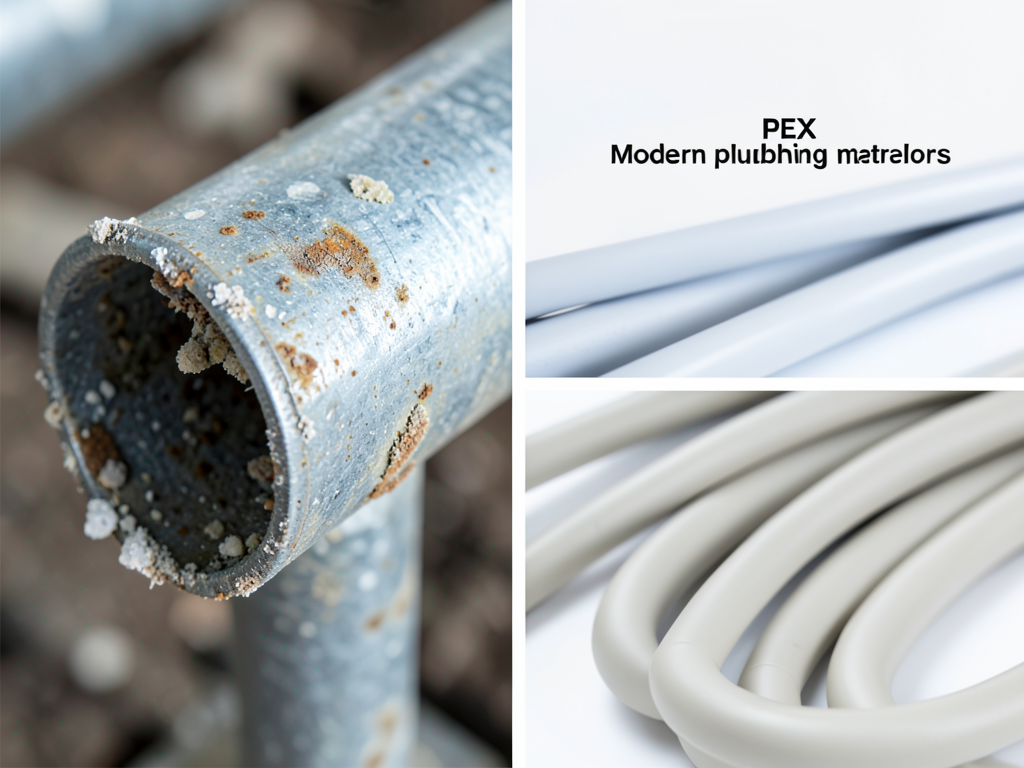
The combination of high mineral content in Franklin County’s water supply and the original galvanized steel piping creates perfect conditions for whistling sounds. As mineral deposits accumulate inside pipes, they restrict water flow and create turbulence that manifests as whistling, humming, or even banging noises.

Common Causes of Whistling Plumbing
Understanding the specific cause of your whistling pipes helps determine whether you need a simple fix or professional intervention. Here are the most common culprits in Olde Towne East homes: Professional Main Line Cleaning Services for Busy Gahanna Households.
High Water Pressure Problems
Excessive water pressure is the leading cause of whistling pipes in historic Columbus neighborhoods. When pressure exceeds 80 PSI, it forces water through pipe restrictions at high velocity, creating the characteristic whistling sound.
Older homes in the 43205 zip code often lack Pressure Reducing Valves (PRVs), leaving them vulnerable to municipal pressure fluctuations. A failing PRV can also cause pressure variations that produce intermittent whistling sounds.
Worn-Out Faucet Washers and Valve Seats
Those whistling sounds when you turn on a faucet often indicate deteriorating washers or damaged valve seats. In homes with original fixtures, decades of use wear down these components, creating gaps that cause water to whistle as it passes through.
Toilets are particularly susceptible to whistling from worn fill valve components. The ballcock assembly in older toilets can develop mineral buildup or wear that causes whistling during tank refilling.
Mineral Buildup in Aging Pipes
Franklin County’s hard water leaves mineral deposits inside pipes over decades. In galvanized steel pipes common in Olde Towne East homes, this buildup creates rough interior surfaces that disrupt water flow and cause turbulence.
As pipes narrow from mineral accumulation, water velocity increases through the restricted areas, creating the whistling sound. This issue worsens over time and can eventually lead to complete blockages.
The ‘Water Hammer’ Effect in Historic Districts
Water hammer and whistling pipes are often confused, but they have different causes and sounds. Water hammer creates a loud banging noise when water flow suddenly stops, while whistling is a continuous high-pitched sound.
Older homes in Olde Towne East typically lack modern water hammer arrestors, making them more susceptible to pressure-related noises. When fast-moving water encounters a sudden valve closure, it creates shock waves that can damage pipes and cause various sounds.
The absence of air chambers in pre-1950s plumbing systems means these homes have no built-in protection against pressure fluctuations. This makes them particularly vulnerable to the whistling and banging sounds that plague many historic Columbus neighborhoods.
DIY Checks vs. Professional Plumbing Repairs
Before calling a plumber, you can perform several checks to identify the source of your whistling pipes. However, knowing when to stop and call a professional is crucial for protecting your home’s historic plumbing.
Safe DIY Troubleshooting Steps
Start by checking all visible pipe connections for loose fittings or visible corrosion. Listen carefully to determine if the whistling occurs when specific fixtures are used or if it’s constant throughout the house.
Test your home’s water pressure using a pressure gauge available at hardware stores. If readings exceed 80 PSI, you likely need a PRV installation or adjustment. This simple test takes minutes but provides valuable diagnostic information.
Inspect toilet fill valves for mineral buildup or wear. Many whistling issues originate from malfunctioning toilet components that are relatively inexpensive to replace.
When to Call a Columbus Plumber
Call a professional if whistling occurs throughout your home, if you notice water pressure fluctuations, or if DIY fixes don’t resolve the issue. Olde Towne East homes require plumbers familiar with historic plumbing systems and Columbus building codes.
Professional diagnosis becomes essential when dealing with galvanized pipes, as improper handling can cause catastrophic failures in century-old systems. A licensed plumber can also test for lead content in older pipes, which is crucial for homes built before 1950.
According to the Ohio Plumbing Code, Section 604.8 requires proper pressure regulation for residential systems, and Section 604.9 mandates specific materials for potable water distribution in homes built after certain dates. Ohio Plumbing Code.
Our Expertise in OTE and Near East Side Plumbing
First Choice Plumbing Columbus has served Olde Towne East and the surrounding Near East Side neighborhoods for over 15 years. Our team understands the unique challenges of maintaining and repairing plumbing systems in historic Columbus homes. EPA Ground Water and Drinking Water.
We’ve worked on homes along Bryden Road, Parsons Avenue, and throughout the 43205 zip code, encountering everything from original lead service lines to early copper installations. This experience allows us to diagnose issues quickly and recommend appropriate solutions that preserve your home’s historic character.
Columbus city water quality varies by neighborhood, and Olde Towne East’s proximity to treatment facilities can affect pressure and mineral content. We factor these local conditions into our diagnostics and recommendations.
Our plumbers carry specialized tools for working with historic plumbing, including pipe inspection cameras that can navigate century-old galvanized pipes without causing damage. We also understand the importance of preserving original fixtures when possible, offering restoration services alongside modern upgrades.
Preventing Future Plumbing Noises
Once you’ve resolved your whistling pipe issue, several preventive measures can help avoid future problems. Regular maintenance is especially important in Olde Towne East’s historic homes.
Install a whole-house water softener to reduce mineral buildup in pipes and fixtures. This is particularly beneficial in Franklin County, where water hardness often exceeds 15 grains per gallon. Whole Home Repiping.
Schedule annual plumbing inspections to catch developing issues before they become major problems. A professional inspection can identify early signs of pipe corrosion, pressure problems, or failing components.
Consider upgrading critical components like supply lines and shut-off valves. While preserving historic charm is important, modern materials offer better reliability and can prevent water damage to your valuable home. Is Upgrading to a Tankless Water Heater Worth It for Hilliard Homeowners?.
Cost Considerations for Olde Towne East Homeowners
Repair costs for whistling pipes vary significantly based on the underlying cause and your home’s specific plumbing configuration. Simple fixes like replacing a toilet fill valve might cost $150-250, while pressure reducing valve installation typically runs $350-600.
Pipe replacement in historic homes requires careful planning to minimize disruption and preserve architectural integrity. Repiping a section of galvanized pipe with modern PEX might cost $1,000-2,500, depending on accessibility and the extent of work needed.
Insurance considerations also matter. Some policies offer discounts for updated plumbing systems, and proper documentation of repairs can help with future claims if water damage occurs.
Frequently Asked Questions
Why do my pipes only whistle at certain times?
Intermittent whistling often indicates pressure fluctuations related to water usage patterns in your neighborhood. It could also signal a failing pressure reducing valve that works intermittently or a partially closed valve somewhere in your system.
Can whistling pipes cause damage to my home?
Yes. While the whistling itself isn’t damaging, it often indicates high water pressure that can stress pipes, joints, and fixtures. Over time, this can lead to leaks, burst pipes, or fixture failure, potentially causing significant water damage to your home.
How long does it take to fix whistling pipes?
Simple fixes like replacing a toilet fill valve can be completed in under an hour. More complex repairs, such as installing a pressure reducing valve or replacing sections of pipe, typically take 2-4 hours. Emergency repairs may require additional time for diagnosis and parts acquisition. Finding an Emergency Plumber in Columbus Who Can Actually Show Up Today.
Should I be concerned about lead in my Olde Towne East home’s pipes?
Homes built before 1950 may have lead service lines or lead solder in copper pipes. While not all older homes contain lead, it’s worth testing if your home predates 1950. Professional testing can determine if lead remediation is necessary for your family’s safety.
Can I ignore whistling pipes if they don’t bother me?
Ignoring whistling pipes isn’t recommended, as the underlying issues often worsen over time. What starts as a minor annoyance can escalate into major plumbing failures, water damage, or costly emergency repairs. Early intervention typically costs less than emergency repairs.
Call (614) 707-7373 Today to Stop Those Whistling Pipes
Don’t let whistling pipes drive you crazy or put your Olde Towne East home at risk. Our experienced plumbers understand the unique challenges of historic Columbus neighborhoods and can quickly diagnose and resolve your plumbing noise issues.
We offer same-day service for urgent plumbing problems and provide upfront pricing so you know exactly what to expect. Our team respects your home’s historic character while ensuring your plumbing system meets modern safety and efficiency standards.
Pick up the phone and call (614) 707-7373 before that whistling sound turns into a plumbing emergency. We’ll restore peace and quiet to your home while protecting your valuable investment in Olde Towne East’s historic housing stock.
You may also find this helpful. Identifying the Strange Clicking Noises Coming from Your Mount Vernon Plumbing Pipes.
You may also find this helpful. The Hidden Dangers of Keeping Your Original Galvanized Steel Pipes in Broadleigh.
{
“@context”: “https://schema.org”,
“@type”: “BlogPosting”,
“headline”: “The Real Reason Your Olde Towne East Pipes Make a Whistling Sound (and How to Stop It)”,
“description”: “Whistling pipes in Olde Towne East homes are caused by high water pressure, mineral buildup, and worn washers. Learn the causes and solutions from Columbus plumbing experts.”,
“wordCount”: 1697,
“datePublished”: “2026-05-25T10:03:00.000Z”,
“dateModified”: “2026-05-25T10:03:00.000Z”,
“inLanguage”: “en-US”,
“mainEntityOfPage”: {
“@type”: “WebPage”,
“@id”: “https://firstchoiceplumbingcolumbus.com”
},
“publisher”: {
“@type”: “LocalBusiness”,
“name”: “First Choice Plumbing Columbus”,
“url”: “https://firstchoiceplumbingcolumbus.com”
},
“author”: {
“@type”: “Organization”,
“name”: “First Choice Plumbing Columbus”,
“url”: “https://firstchoiceplumbingcolumbus.com”
},
“image”: {
“@type”: “ImageObject”,
“url”: “https://firstchoiceplumbingcolumbus.com/wp-content/uploads/2026/03/the-real-reason-your-olde-towne-east-pipes-make-a-1.png”
}
}
{
“@context”: “https://schema.org”,
“@type”: “Plumber”,
“name”: “First Choice Plumbing Columbus”,
“url”: “https://firstchoiceplumbingcolumbus.com”,
“address”: {
“@type”: “PostalAddress”,
“addressLocality”: “Columbus”
},
“areaServed”: {
“@type”: “City”,
“name”: “Columbus”
}
}
{
“@context”: “https://schema.org”,
“@type”: “FAQPage”,
“mainEntity”: [
{
“@type”: “Question”,
“name”: “Why do my pipes only whistle at certain times?”,
“acceptedAnswer”: {
“@type”: “Answer”,
“text”: “Intermittent whistling often indicates pressure fluctuations related to water usage patterns in your neighborhood. It could also signal a failing pressure reducing valve that works intermittently or a partially closed valve somewhere in your system.”
}
},
{
“@type”: “Question”,
“name”: “Can whistling pipes cause damage to my home?”,
“acceptedAnswer”: {
“@type”: “Answer”,
“text”: “Yes. While the whistling itself isn’t damaging, it often indicates high water pressure that can stress pipes, joints, and fixtures. Over time, this can lead to leaks, burst pipes, or fixture failure, potentially causing significant water damage to your home.”
}
},
{
“@type”: “Question”,
“name”: “How long does it take to fix whistling pipes?”,
“acceptedAnswer”: {
“@type”: “Answer”,
“text”: “Simple fixes like replacing a toilet fill valve can be completed in under an hour. More complex repairs, such as installing a pressure reducing valve or replacing sections of pipe, typically take 2-4 hours. Emergency repairs may require additional time for diagnosis and parts acquisition. Finding an Emergency Plumber in Columbus Who Can Actually Show Up Today.”
}
},
{
“@type”: “Question”,
“name”: “Should I be concerned about lead in my Olde Towne East home’s pipes?”,
“acceptedAnswer”: {
“@type”: “Answer”,
“text”: “Homes built before 1950 may have lead service lines or lead solder in copper pipes. While not all older homes contain lead, it’s worth testing if your home predates 1950. Professional testing can determine if lead remediation is necessary for your family’s safety.”
}
},
{
“@type”: “Question”,
“name”: “Can I ignore whistling pipes if they don’t bother me?”,
“acceptedAnswer”: {
“@type”: “Answer”,
“text”: “Ignoring whistling pipes isn’t recommended, as the underlying issues often worsen over time. What starts as a minor annoyance can escalate into major plumbing failures, water damage, or costly emergency repairs. Early intervention typically costs less than emergency repairs.”
}
}
]
}
{
“@context”: “https://schema.org”,
“@type”: “BreadcrumbList”,
“itemListElement”: [
{
“@type”: “ListItem”,
“position”: 1,
“name”: “Home”,
“item”: “https://firstchoiceplumbingcolumbus.com”
},
{
“@type”: “ListItem”,
“position”: 2,
“name”: “Blog”,
“item”: “https://firstchoiceplumbingcolumbus.com/blog”
},
{
“@type”: “ListItem”,
“position”: 3,
“name”: “The Real Reason Your Olde Towne East Pipes Make a Whistling Sound (and How to Stop It)”
}
]
}
{
“@context”: “https://schema.org”,
“@type”: “Service”,
“serviceType”: “Plumbing”,
“provider”: {
“@type”: “LocalBusiness”,
“name”: “First Choice Plumbing Columbus”,
“url”: “https://firstchoiceplumbingcolumbus.com”
},
“areaServed”: {
“@type”: “City”,
“name”: “Columbus”
},
“description”: “Whistling pipes in Olde Towne East homes are caused by high water pressure, mineral buildup, and worn washers. Learn the causes and solutions from Columbus plumbing experts.”
}