
Stopping the Sweating and Condensation on Your Toilet Tank During a Humid Ohio Summer
Your toilet tank sweats because cold water from the supply line meets warm, humid bathroom air. This creates condensation that drips onto your floor and causes water damage. In Columbus summers when humidity regularly hits 85-90%, this problem gets worse because our water supply stays cold year-round at about 50-55°F. The temperature difference creates perfect conditions for sweating. Your Best Options for Fast Water Heater Replacement in Dublin.
Stop the dripping before it causes floor rot, mold growth, or subfloor damage. Here’s what works in Central Ohio homes. Ohio Plumbing Code Section 4101:8.
Why is My Toilet Tank Sweating?
Condensation forms when warm air contacts a cold surface below the dew point. Your toilet tank becomes that cold surface. When humid bathroom air hits porcelain chilled by cold water, moisture condenses and drips down the sides. Water Heater Maintenance Tips.
Columbus weather makes this worse. Summer humidity averages 80-90% and our water supply stays cold because it comes from deep aquifers and reservoirs. The constant cold water keeps the tank surface below the dew point of warm bathroom air. Water Stains on Ceiling or Walls.
A leaky flapper makes it worse by constantly refilling the tank with cold water. This keeps the porcelain cold 24/7 instead of warming slightly between flushes.
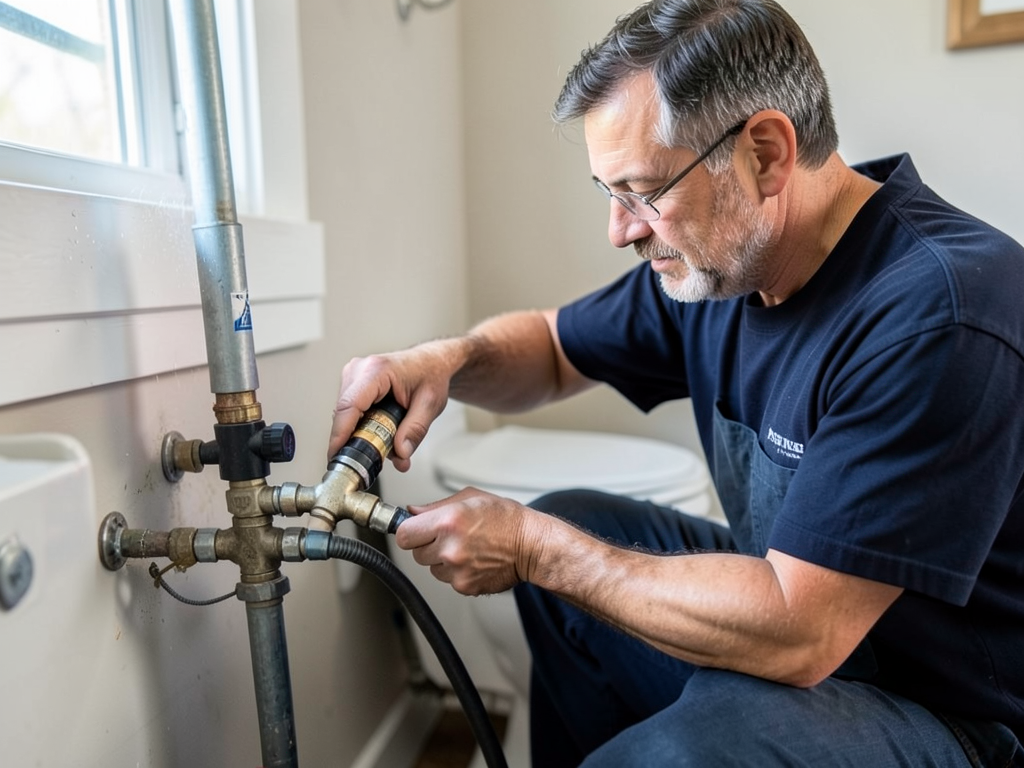
Diagram showing how dew point causes condensation on cold toilet tank surfaces in humid conditions.
Top 5 Ways to Stop Toilet Tank Condensation
1. Install an Anti-Sweat Valve (The Professional Fix)
An anti-sweat valve mixes hot and cold water before it enters the tank. This raises the water temperature to about 70°F, which is above the dew point of most summer bathroom air. The valve installs on the supply line and automatically adjusts the mix.
Professional installation takes about 30 minutes. The valve costs $75-125 plus labor. This solution works best for tanks that sweat heavily or in bathrooms with poor ventilation. Professional Main Line Cleaning Services for Busy Gahanna Households.
2. Insulation Liners/Kits (The DIY Approach)
Polystyrene tank liners install inside the tank to create a thermal barrier. These kits include adhesive-backed foam pieces that fit around the tank walls and bottom. Installation takes about 45 minutes and costs $20-35.
Clean the tank thoroughly first. Remove rust and mineral deposits. The adhesive needs a clean surface to stick properly. Cut pieces to fit around the flush valve and fill valve.
3. Controlling Bathroom Humidity (Ventilation & Fans)
Run your bathroom exhaust fan during and after showers. Keep it running for 20-30 minutes after bathing to remove moisture. If your fan is old or weak, upgrade to a 100+ CFM model.
Open windows when possible to create cross-ventilation. Use a dehumidifier in the bathroom during peak summer months. Keep humidity below 50% to prevent condensation.
4. Checking for Leaky Flappers (The Constant Cold Water Cycle)
A worn flapper lets water seep from tank to bowl continuously. This triggers the fill valve to run constantly, keeping the tank full of cold water. Test by adding food coloring to the tank. If color appears in the bowl without flushing, replace the flapper.
Flappers cost $5-15 and install in minutes. This simple fix often stops sweating completely by allowing the tank to warm slightly between uses.
5. Upgrading to an Insulated Tank
Some newer toilets come with factory-insulated tanks. These have foam insulation built into the porcelain walls. If you’re replacing an old toilet anyway, choose a model with insulated tank options.
Insulated tanks cost $50-100 more than standard models but eliminate condensation problems permanently.
The Risks of Ignoring a Sweating Toilet
Water dripping from your tank doesn’t just make a mess. It causes serious damage over time. In older Columbus homes, especially those in German Village or Clintonville with original hardwood floors, constant moisture leads to: Keep Your German Village Basement Dry with a Better Sump Pump System.
- Floor rot and subfloor damage
- Mold and mildew growth behind baseboards
- Water stains on ceilings below bathrooms
- Damaged flooring adhesives and warped wood
- Musty odors from trapped moisture
Floor replacement costs $500-2,000 depending on materials. Mold remediation starts at $500 and can exceed $5,000 for extensive growth. A $75 anti-sweat valve prevents all these problems.
When to Call a Columbus Professional Plumber
Call a professional if:
- Your tank sweats heavily despite trying DIY fixes
- You notice water damage around the base or floor
- The problem affects multiple toilets in your home
- You’re uncomfortable working with water supply lines
- Your home has older plumbing that might need updates
A licensed plumber can diagnose whether the issue is environmental or mechanical. They’ll check for hidden leaks, proper ventilation, and recommend the most cost-effective solution for your specific situation.
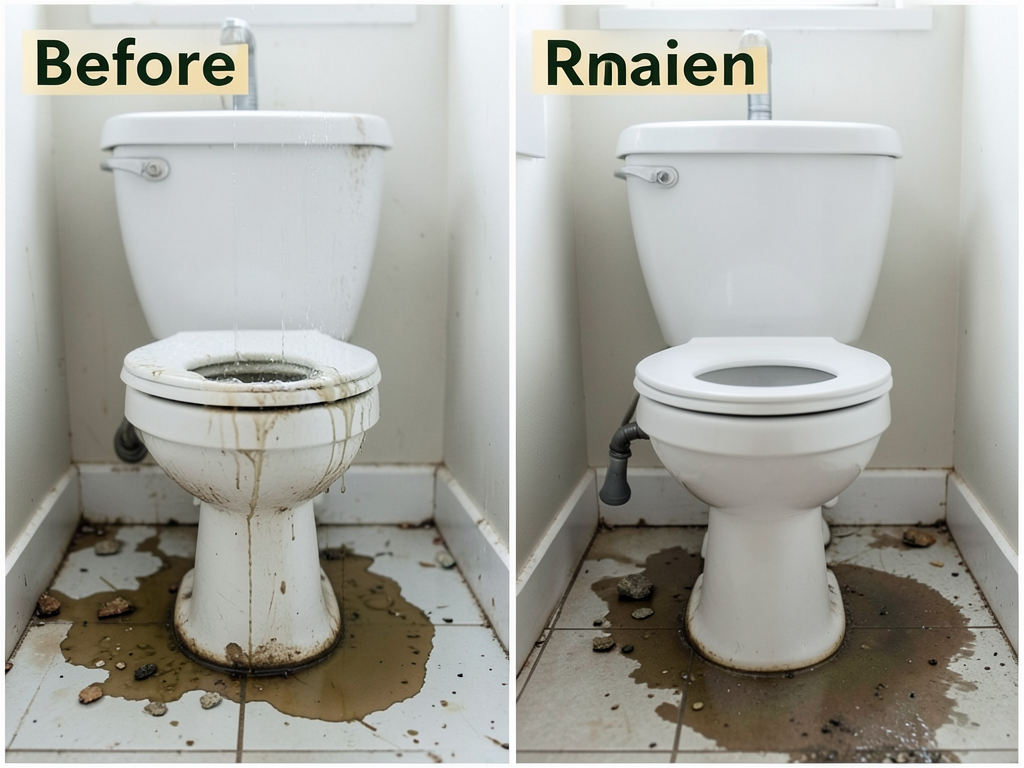
Before and after photos showing toilet tank condensation damage and repair solutions. EPA bathroom ventilation guidelines.
Comparing Condensation Solutions
| Solution | Cost | Difficulty | Effectiveness |
|---|---|---|---|
| Anti-sweat valve | $75-125 + labor | Professional | Very High |
| Insulation kit | $20-35 | DIY | Medium-High |
| Humidity control | $50-300 | DIY | Medium |
| Flapper replacement | $5-15 | DIY | Low-Medium |
| Insulated tank toilet | $50-100 more | Professional | Very High |
Preventing Future Condensation Problems
Once you solve your current condensation issue, prevent it from returning with these maintenance steps:
- Check the flapper every six months for wear
- Clean tank interior annually to prevent mineral buildup
- Run exhaust fans during showers and for 20 minutes after
- Inspect bathroom caulk and grout annually for gaps
- Consider a bathroom dehumidifier if humidity stays above 60%
Regular maintenance costs almost nothing but prevents expensive water damage repairs.
Local Building Code Considerations
Ohio Plumbing Code Section 4101:8-25-03 requires proper ventilation in bathrooms to prevent moisture damage. While it doesn’t specifically address toilet tank condensation, the code’s intent is to prevent the exact problems condensation causes.
Local inspectors in Franklin County look for working exhaust fans in bathrooms without windows. Homes built before 1990 often lack proper ventilation, making condensation problems more common in older Columbus neighborhoods.
Professional plumber installing an anti-sweat valve on a toilet supply line in a Columbus home.
Frequently Asked Questions
Is toilet tank condensation dangerous?
Condensation itself isn’t dangerous, but the water damage it causes is. Dripping water leads to mold growth, floor rot, and structural damage over time.
How long does it take to install an anti-sweat valve?
A professional plumber can install an anti-sweat valve in about 30 minutes. The job requires shutting off water to the toilet and making a simple connection on the supply line.
Will insulation kits work on all toilet tanks?
Most standard tanks work with insulation kits, but some newer models with unusual shapes or built-in features may not accommodate the foam pieces properly.
Can I use a space heater to warm the bathroom?
Space heaters can reduce condensation by warming the air, but they’re less efficient than proper ventilation and pose safety risks if left unattended.
How much does professional condensation repair cost?
Professional solutions range from $75-300 depending on the method chosen. Anti-sweat valves cost $75-125 plus labor, while full bathroom humidity control systems cost more.
Take Action Before Summer Humidity Hits
Don’t wait until your bathroom floor starts warping or mold appears behind baseboards. The humid Ohio summer is coming, and condensation problems will only get worse.
Call (614) 707-7373 today to schedule your inspection. Our licensed plumbers can diagnose your specific situation and recommend the most cost-effective solution. We serve Columbus, Dublin, Hilliard, and all surrounding Central Ohio communities.
Pick up the phone and call (614) 707-7373 before the next heat wave hits. A simple fix now prevents expensive water damage repairs later.
{
“@context”: “https://schema.org”,
“@type”: “BlogPosting”,
“headline”: “Stopping the Sweating and Condensation on Your Toilet Tank During a Humid Ohio Summer”,
“description”: “Why your toilet tank sweats in Columbus summers and 5 proven fixes. Licensed plumber explains anti-sweat valves, insulation kits, and when to call for help.”,
“wordCount”: 1261,
“datePublished”: “2026-06-03T09:08:00.000Z”,
“dateModified”: “2026-06-03T09:08:00.000Z”,
“inLanguage”: “en-US”,
“mainEntityOfPage”: {
“@type”: “WebPage”,
“@id”: “https://firstchoiceplumbingcolumbus.com”
},
“publisher”: {
“@type”: “LocalBusiness”,
“name”: “First Choice Plumbing Columbus”,
“url”: “https://firstchoiceplumbingcolumbus.com”
},
“author”: {
“@type”: “Organization”,
“name”: “First Choice Plumbing Columbus”,
“url”: “https://firstchoiceplumbingcolumbus.com”
},
“image”: {
“@type”: “ImageObject”,
“url”: “https://firstchoiceplumbingcolumbus.com/wp-content/uploads/2026/03/stopping-the-sweating-and-condensation-on-your-toi-1.png”
}
}
{
“@context”: “https://schema.org”,
“@type”: “Plumber”,
“name”: “First Choice Plumbing Columbus”,
“url”: “https://firstchoiceplumbingcolumbus.com”,
“address”: {
“@type”: “PostalAddress”,
“addressLocality”: “Columbus”
},
“areaServed”: {
“@type”: “City”,
“name”: “Columbus”
}
}
{
“@context”: “https://schema.org”,
“@type”: “FAQPage”,
“mainEntity”: [
{
“@type”: “Question”,
“name”: “Why is My Toilet Tank Sweating?”,
“acceptedAnswer”: {
“@type”: “Answer”,
“text”: “Condensation forms when warm air contacts a cold surface below the dew point. Your toilet tank becomes that cold surface. When humid bathroom air hits porcelain chilled by cold water, moisture condenses and drips down the sides. Water Heater Maintenance Tips.”
}
},
{
“@type”: “Question”,
“name”: “Is toilet tank condensation dangerous?”,
“acceptedAnswer”: {
“@type”: “Answer”,
“text”: “Condensation itself isn’t dangerous, but the water damage it causes is. Dripping water leads to mold growth, floor rot, and structural damage over time.”
}
},
{
“@type”: “Question”,
“name”: “How long does it take to install an anti-sweat valve?”,
“acceptedAnswer”: {
“@type”: “Answer”,
“text”: “A professional plumber can install an anti-sweat valve in about 30 minutes. The job requires shutting off water to the toilet and making a simple connection on the supply line.”
}
},
{
“@type”: “Question”,
“name”: “Will insulation kits work on all toilet tanks?”,
“acceptedAnswer”: {
“@type”: “Answer”,
“text”: “Most standard tanks work with insulation kits, but some newer models with unusual shapes or built-in features may not accommodate the foam pieces properly.”
}
},
{
“@type”: “Question”,
“name”: “Can I use a space heater to warm the bathroom?”,
“acceptedAnswer”: {
“@type”: “Answer”,
“text”: “Space heaters can reduce condensation by warming the air, but they’re less efficient than proper ventilation and pose safety risks if left unattended.”
}
},
{
“@type”: “Question”,
“name”: “How much does professional condensation repair cost?”,
“acceptedAnswer”: {
“@type”: “Answer”,
“text”: “Professional solutions range from $75-300 depending on the method chosen. Anti-sweat valves cost $75-125 plus labor, while full bathroom humidity control systems cost more.”
}
}
]
}
{
“@context”: “https://schema.org”,
“@type”: “BreadcrumbList”,
“itemListElement”: [
{
“@type”: “ListItem”,
“position”: 1,
“name”: “Home”,
“item”: “https://firstchoiceplumbingcolumbus.com”
},
{
“@type”: “ListItem”,
“position”: 2,
“name”: “Blog”,
“item”: “https://firstchoiceplumbingcolumbus.com/blog”
},
{
“@type”: “ListItem”,
“position”: 3,
“name”: “Stopping the Sweating and Condensation on Your Toilet Tank During a Humid Ohio Summer”
}
]
}
{
“@context”: “https://schema.org”,
“@type”: “Service”,
“serviceType”: “Plumbing”,
“provider”: {
“@type”: “LocalBusiness”,
“name”: “First Choice Plumbing Columbus”,
“url”: “https://firstchoiceplumbingcolumbus.com”
},
“areaServed”: {
“@type”: “City”,
“name”: “Columbus”
},
“description”: “Why your toilet tank sweats in Columbus summers and 5 proven fixes. Licensed plumber explains anti-sweat valves, insulation kits, and when to call for help.”
}