
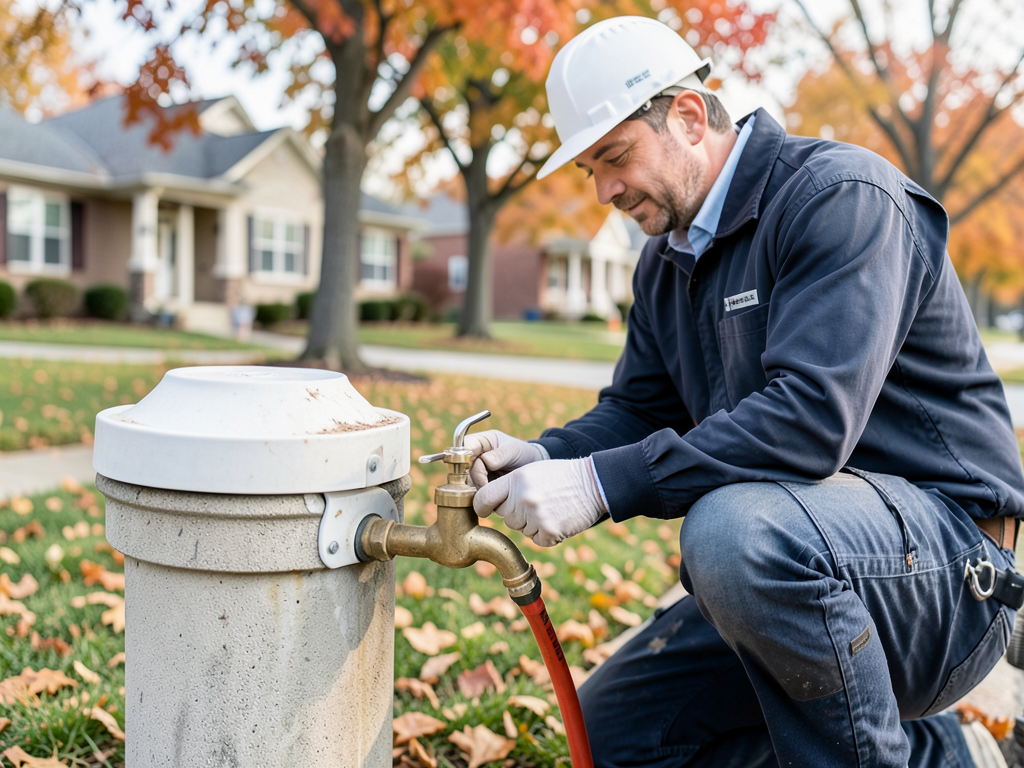
Properly Winterizing Your Outdoor Spigots to Avoid a Spring Disaster
Columbus winters hit hard and fast. When temperatures drop below freezing your outdoor spigots become ticking time bombs. A single burst pipe can flood your basement cause thousands in damage and leave you without water for weeks. The good news You can prevent this disaster with five simple steps before the first frost arrives. Your Best Options for Fast Water Heater Replacement in Dublin.
Why Columbus Homeowners Must Winterize Spigots Before the First Frost
Central Ohio experiences an average of 120 freeze-thaw cycles each winter. Water trapped in your outdoor spigots expands by nearly 9% when it freezes. This expansion creates pressure exceeding 2000 PSI enough to split copper pipes and rupture PEX lines. The Columbus Division of Water reports over 500 emergency freeze-related calls each winter with repair costs averaging $1200 per incident. EPA.
Traditional spigots installed before 2010 are especially vulnerable. These lack the internal vacuum breakers required by current Ohio Residential Code. Frost-free sillcocks while more resistant still fail when installed with backward pitch or when the internal washer degrades after 8-10 years of use.
Tools and Materials You’ll Need
- Insulated faucet covers (foam or hard plastic)
- Adjustable wrench or pliers
- Old towels or rags
- Bucket for catching water
- Flashlight for crawlspace inspection
The 5-Step Winterization Process
- Disconnect All Hoses
Remove garden hoses sprinklers and splitters. Water trapped in these accessories freezes first creating ice plugs that prevent proper drainage from the spigot itself.. Read more about Replacing an Old Main Water Shut Off Valve Before It Fails You in an Emergency.
- Locate Indoor Shut-off Valves
Find the valve controlling your outdoor spigots. In Columbus homes built before 1980 these are often in crawlspaces near the foundation. Newer homes typically have valves in utility rooms or basements.. Read more about Designing a Trouble Free Outdoor Shower or Pool House Bathroom in Powell.
- Drain the Line
Turn off the indoor valve completely. Go outside and open the spigot fully. Return inside and open the bleeder valve if present. This releases trapped water from the pipe section between valves.
- Leave the Bleeder Open
Keep both the indoor valve and bleeder valve open all winter. This allows any residual water to expand harmlessly without creating pressure.
- Install Insulation Covers
Place insulated covers over each spigot. For extra protection in exposed areas add a second layer of foam pipe insulation around the cover.
Identifying Your Faucet: Traditional vs. Frost-Free Sillcocks
Traditional spigots have the valve stem visible when the handle is removed. The entire water column from the indoor shut-off to the outdoor opening is exposed to freezing temperatures. These require complete winterization every year.
Frost-free sillcocks place the actual valve 8-12 inches inside the wall. When installed correctly with a slight downward pitch they drain automatically when closed. However Ohio’s freeze-thaw cycles can still cause the vacuum breaker to fail allowing water to collect and freeze.
Visual Identification: Frost-free models have a longer body and often include a vacuum breaker cap near the handle. Traditional models are shorter with a visible packing nut behind the handle.
Frequently Asked Questions
What if I don’t have an indoor shut-off valve?
Many Columbus homes especially those built before 1970 lack individual shut-off valves for outdoor spigots. In this case install a freeze-proof hose bibb with built-in vacuum breaker or consider having a plumber add shut-off valves during the next service call.
When is it too late to winterize?
Once temperatures drop below 28°F for more than 4 hours ice formation begins inside pipes. In Columbus this typically occurs between October 20 and November 10. Waiting until after the first hard freeze often means discovering frozen pipes the hard way.
Should I wrap pipes with heat tape?
Heat tape works for short-term protection but creates fire hazards if not installed properly. The National Fire Protection Association reports over 2000 residential fires annually from improper heat tape use. Insulation covers are safer and more reliable for seasonal protection. National Fire Protection Association.
Special Considerations for Columbus Home Styles
Historic homes in German Village and Olde Towne East often have original galvanized pipes feeding outdoor spigots. These pipes corrode internally creating rough surfaces where ice forms more readily. Replacement with PEX or copper reduces freeze risk by 60%. Keep Your German Village Basement Dry with a Better Sump Pump System.
Newer developments in Dublin and Westerville typically use PEX piping which resists freezing better than copper. However PEX can still burst if water remains trapped in the spigot assembly itself.
Split-level and ranch homes common in Clintonville and Worthington often have outdoor spigots fed from basement plumbing. These require special attention to ensure complete drainage since the indoor valve may be 8-10 feet from the exterior wall.
Emergency Steps if You Discover a Frozen Spigot
If you turn on an outdoor spigot and no water flows immediately shut off the indoor valve. Do not attempt to thaw with open flame or high heat which can cause steam explosions. Call a licensed plumber immediately. Quick response within 2-3 hours can prevent pipe rupture in many cases.
Signs of imminent failure include bulging pipes frost on walls or water stains appearing on interior ceilings below second-story spigots. These indicate water is already leaking inside your walls.
Cost Comparison: Prevention vs. Repair
| Service | DIY Materials Cost | Professional Service Cost | Emergency Repair Cost |
|---|---|---|---|
| Winterization | $15-25 | $75-125 | N/A |
| Burst Pipe Repair | N/A | N/A | $800-2500 |
| Water Damage Restoration | N/A | N/A | $2000-15000 |
Local Resources and Support
The City of Columbus offers a winterization rebate program for homeowners in designated flood-prone areas. Contact the Columbus Division of Water at (614) 645-8276 for eligibility requirements. Franklin County Emergency Management provides free weatherization kits to seniors and low-income residents. Finding an Emergency Plumber in Columbus Who Can Actually Show Up Today.
For homes with recurring freeze problems consider installing a whole-home freeze alarm system. These monitor pipe temperatures and send alerts when conditions approach freezing allowing you to take preventive action. Whole Home Repiping.
Professional Winterization Services
While DIY winterization works for most homes some situations require professional attention. Complex plumbing configurations in historic homes multiple stories or homes with previous freeze damage benefit from expert assessment. Professional Main Line Cleaning Services for Busy Gahanna Households.
Professional plumbers use thermal imaging cameras to detect hidden ice formation and pressure testing to identify weak points in your system. They can also install freeze-proof replacements and upgrade old valves to code-compliant models.
Call (614) 707-7373 today to schedule your inspection before the next cold snap hits. A 30-minute service call now can save you thousands in emergency repairs later.
Maintenance Schedule for Year-Round Protection
Spring: Inspect insulation covers for damage replace as needed.
Summer: Check for leaks when reactivating spigots.
Fall: Perform complete winterization by October 15.
Winter: Monitor weather forecasts and take extra precautions during extreme cold snaps.
Mark your calendar for October 1 each year. This gives you a two-week window to complete winterization before Columbus typically experiences its first hard freeze.
Don’t wait until it’s too late. The cost of prevention is minimal compared to the disruption and expense of emergency repairs. Take action today to protect your home from winter’s worst.
Pick up the phone and call (614) 707-7373 before the next storm hits. Our licensed plumbers are ready to help you avoid a spring disaster.
{
“@context”: “https://schema.org”,
“@type”: “BlogPosting”,
“headline”: “Properly Winterizing Your Outdoor Spigots to Avoid a Spring Disaster”,
“description”: “Don’t let frozen pipes ruin your spring. Learn the exact steps to winterize outdoor spigots in Columbus before the first frost hits.”,
“wordCount”: 1196,
“datePublished”: “2026-04-05T15:06:00.000Z”,
“dateModified”: “2026-04-05T15:06:00.000Z”,
“inLanguage”: “en-US”,
“mainEntityOfPage”: {
“@type”: “WebPage”,
“@id”: “https://firstchoiceplumbingcolumbus.com”
},
“publisher”: {
“@type”: “LocalBusiness”,
“name”: “First Choice Plumbing Columbus”,
“url”: “https://firstchoiceplumbingcolumbus.com”
},
“author”: {
“@type”: “Organization”,
“name”: “First Choice Plumbing Columbus”,
“url”: “https://firstchoiceplumbingcolumbus.com”
},
“image”: {
“@type”: “ImageObject”,
“url”: “https://firstchoiceplumbingcolumbus.com/wp-content/uploads/2026/03/properly-winterizing-your-outdoor-spigots-to-avoid-1.png”
}
}
{
“@context”: “https://schema.org”,
“@type”: “Plumber”,
“name”: “First Choice Plumbing Columbus”,
“url”: “https://firstchoiceplumbingcolumbus.com”,
“address”: {
“@type”: “PostalAddress”,
“addressLocality”: “Columbus”
},
“areaServed”: {
“@type”: “City”,
“name”: “Columbus”
}
}
{
“@context”: “https://schema.org”,
“@type”: “FAQPage”,
“mainEntity”: [
{
“@type”: “Question”,
“name”: “What if I don’t have an indoor shut-off valve?”,
“acceptedAnswer”: {
“@type”: “Answer”,
“text”: “Many Columbus homes especially those built before 1970 lack individual shut-off valves for outdoor spigots. In this case install a freeze-proof hose bibb with built-in vacuum breaker or consider having a plumber add shut-off valves during the next service call.”
}
},
{
“@type”: “Question”,
“name”: “When is it too late to winterize?”,
“acceptedAnswer”: {
“@type”: “Answer”,
“text”: “Once temperatures drop below 28°F for more than 4 hours ice formation begins inside pipes. In Columbus this typically occurs between October 20 and November 10. Waiting until after the first hard freeze often means discovering frozen pipes the hard way.”
}
},
{
“@type”: “Question”,
“name”: “Should I wrap pipes with heat tape?”,
“acceptedAnswer”: {
“@type”: “Answer”,
“text”: “Heat tape works for short-term protection but creates fire hazards if not installed properly. The National Fire Protection Association reports over 2000 residential fires annually from improper heat tape use. Insulation covers are safer and more reliable for seasonal protection. National Fire Protection Association.”
}
}
]
}
{
“@context”: “https://schema.org”,
“@type”: “HowTo”,
“name”: “How to Winterize Outdoor Spigots”,
“step”: [
{
“@type”: “HowToStep”,
“position”: 1,
“name”: “Disconnect All Hoses”,
“text”: “Remove garden hoses sprinklers and splitters. Water trapped in these accessories freezes first creating ice plugs that prevent proper drainage from the spigot itself.”
},
{
“@type”: “HowToStep”,
“position”: 2,
“name”: “Locate Indoor Shut-off Valves”,
“text”: “Find the valve controlling your outdoor spigots. In Columbus homes built before 1980 these are often in crawlspaces near the foundation. Newer homes typically have valves in utility rooms or basements.”
},
{
“@type”: “HowToStep”,
“position”: 3,
“name”: “Drain the Line”,
“text”: “Turn off the indoor valve completely. Go outside and open the spigot fully. Return inside and open the bleeder valve if present. This releases trapped water from the pipe section between valves.”
},
{
“@type”: “HowToStep”,
“position”: 4,
“name”: “Leave the Bleeder Open”,
“text”: “Keep both the indoor valve and bleeder valve open all winter. This allows any residual water to expand harmlessly without creating pressure.”
},
{
“@type”: “HowToStep”,
“position”: 5,
“name”: “Install Insulation Covers”,
“text”: “Place insulated covers over each spigot. For extra protection in exposed areas add a second layer of foam pipe insulation around the cover.”
}
],
“image”: “https://firstchoiceplumbingcolumbus.com/wp-content/uploads/2026/03/properly-winterizing-your-outdoor-spigots-to-avoid-1.png”
}
{
“@context”: “https://schema.org”,
“@type”: “BreadcrumbList”,
“itemListElement”: [
{
“@type”: “ListItem”,
“position”: 1,
“name”: “Home”,
“item”: “https://firstchoiceplumbingcolumbus.com”
},
{
“@type”: “ListItem”,
“position”: 2,
“name”: “Blog”,
“item”: “https://firstchoiceplumbingcolumbus.com/blog”
},
{
“@type”: “ListItem”,
“position”: 3,
“name”: “Properly Winterizing Your Outdoor Spigots to Avoid a Spring Disaster”
}
]
}
{
“@context”: “https://schema.org”,
“@type”: “Service”,
“serviceType”: “Plumbing”,
“provider”: {
“@type”: “LocalBusiness”,
“name”: “First Choice Plumbing Columbus”,
“url”: “https://firstchoiceplumbingcolumbus.com”
},
“areaServed”: {
“@type”: “City”,
“name”: “Columbus”
},
“description”: “Don’t let frozen pipes ruin your spring. Learn the exact steps to winterize outdoor spigots in Columbus before the first frost hits.”
}