
Preventing Frozen Pipe Bursts in Worthington Before the Next Big Cold Snap
Ohio winters hit Worthington hard. When temperatures drop below 20°F for more than 6 hours, the risk of frozen pipes skyrockets. Water expands when it freezes and can burst pipes in minutes. A single burst can release 250 gallons of water per hour. That means thousands in damage before you even notice. Worthington Community Center.
Worthington homes face unique challenges. Many were built between 1950 and 1980 with copper or galvanized pipes that sit in exterior walls or unheated crawl spaces. These pipes are especially vulnerable when cold air seeps through gaps around sill plates or foundation vents.
Prevention starts with knowing your risk. Homes near the Olentangy River Trail or in Old Worthington often have older plumbing with less insulation. Newer developments off Route 315 may have better construction but still face issues with garage plumbing or outdoor hose bibs.. Read more about Quick 24 Hour Plumbing Services Near Polaris for Middle of the Night Crises.
The good news. You can prevent most frozen pipe bursts with a few simple steps. Start now before the next cold snap hits. Keep reading to learn how to protect your Worthington home and what to do if a pipe freezes despite your best efforts.
Why Worthington Homes Are Vulnerable to Frozen Pipes
Worthington sits in USDA Hardiness Zone 6a where winter lows routinely hit -10°F. The freeze-thaw cycles common here cause pipes to expand and contract repeatedly. This weakens joints and creates tiny cracks that burst when water freezes.
Many Worthington homes were built during the post-war boom when building codes were less strict about pipe insulation. Pipes often run through exterior walls near the foundation where they’re exposed to cold drafts. Older homes near Wilson Hill Elementary or along High Street are particularly at risk.
The soil in Worthington contains high clay content which holds moisture against foundation walls. When temperatures drop, this moisture can freeze and create ice lenses that push against pipes from the outside. Combined with poor insulation, this creates a perfect storm for pipe failure.
According to the Ohio Plumbing Code Section 305.4, all water pipes in unheated spaces must be protected against freezing. However, many Worthington homes built before 1990 don’t meet current standards. Retrofitting insulation or rerouting pipes can be expensive but prevents costly emergency repairs.
Warning Signs Your Pipes Are at Risk
Before a pipe bursts, it often gives warning signs. Listen for unusual sounds when you turn on faucets. A whistling or banging noise can indicate restricted flow from partial freezing. Feel pipes in unheated areas. If they’re cold to the touch when other pipes are warm, they’re at risk.
Check for frost on exposed pipes in basements or crawl spaces. Frost forms when moisture in the air condenses on cold pipe surfaces. This indicates the pipe temperature is near freezing and vulnerable to ice formation inside.
Watch for reduced water pressure from faucets. When ice begins forming in pipes, it restricts flow and creates pressure drops. You might notice this first in bathrooms farthest from the water heater or in fixtures on exterior walls.
Smell for unusual odors. When pipes freeze and thaw repeatedly, they can develop small leaks that allow sewer gases to back up through drains. A rotten egg smell near drains or in basements signals potential pipe damage.
7 Proven Methods to Prevent Frozen Pipe Bursts
Preventing frozen pipes requires a multi-layered approach. Here are seven methods that work in Worthington’s climate:
- Insulate Exposed Pipes
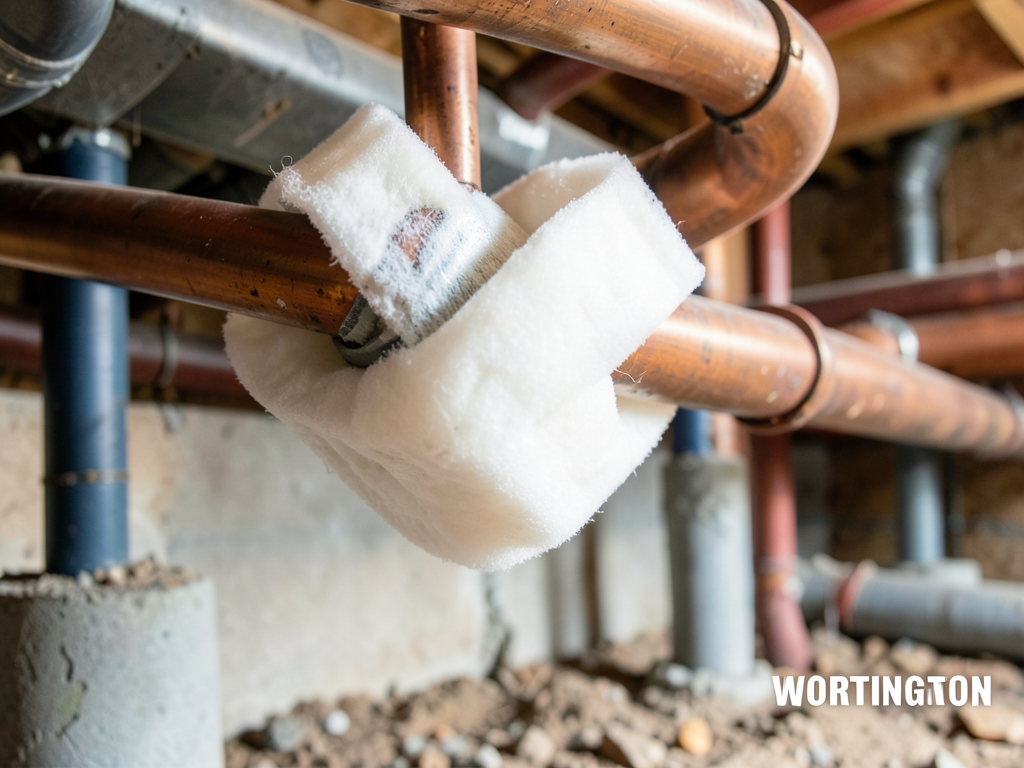
Wrap pipes in unheated areas with foam pipe insulation. Pay special attention to pipes in crawl spaces, attics, and garages. Use insulation rated for at least R-4 in Worthington’s climate. Secure with zip ties every 12 inches to prevent gaps.
- Seal Air Leaks
Find and seal gaps where cold air enters near pipes. Use expanding foam around sill plates, foundation vents, and where pipes penetrate walls. Check for drafts around electrical outlets on exterior walls and seal with foam gaskets.
- Keep Heat Consistent
Maintain indoor temperatures above 55°F even when you’re away. Open cabinet doors under sinks on exterior walls to allow warm air circulation. Consider installing heat tape on vulnerable pipes, but follow manufacturer instructions carefully.
- Drain Outdoor Plumbing
Disconnect garden hoses and drain outdoor faucets. Install frost-proof sill cocks or insulated faucet covers. Shut off indoor valves supplying outdoor faucets and open the outdoor faucets to drain remaining water.
- Let Faucets Drip
When temperatures drop below 20°F, let cold water drip from faucets served by exposed pipes. Moving water is much harder to freeze than standing water. A drip the size of a pencil lead is sufficient.
- Maintain Proper Heating
Check that your furnace is working properly before winter. Replace filters monthly during heating season. Consider a programmable thermostat to maintain consistent temperatures. If you have a heat pump, ensure the backup heat engages in extreme cold.
- Install Smart Water Sensors
Place water leak detectors near vulnerable pipes and in basements. Many modern sensors can detect freezing temperatures and send alerts to your phone. Some can even automatically shut off water if a leak is detected.
What to Do When a Pipe Freezes
Despite prevention efforts, pipes sometimes freeze. Quick action can prevent bursting and minimize damage. Here’s what to do when you discover a frozen pipe:
First, locate the frozen section. Turn on faucets to identify which ones have reduced flow. The frozen pipe will be between the working faucet and the affected one. Feel along exposed pipes to find the coldest section.
Next, shut off the main water valve. This prevents flooding if the pipe bursts while thawing. The main valve is typically near where the water line enters your home, often in a basement or utility closet.
Now begin thawing the pipe safely. Use a hair dryer on low heat, moving it back and forth along the frozen section. Never use an open flame or propane torch as this can damage pipes and create fire hazards. Start thawing from the faucet end and work toward the frozen section.
Check for leaks as the pipe thaws. Look for water seeping from joints or cracks. If you find a leak, immediately shut off the main water valve and call a plumber. Don’t attempt to repair burst pipes yourself as this often causes more damage.
Once water flows normally, check all faucets to ensure no other pipes froze. Leave faucets dripping slightly until temperatures rise above freezing to prevent refreezing.
Emergency Response: When to Call a Professional
Some situations require immediate professional help. Call a plumber if you notice any of these signs:
- Water spraying from walls or ceilings
- Multiple frozen pipes or complete loss of water pressure
- Cracks in visible pipes
- Water pooling in basements or under sinks
- Strange smells indicating sewer line issues
Time is critical when pipes burst. Water damage can ruin drywall, flooring, and personal belongings within hours. Mold can begin growing within 24-48 hours in damp conditions.
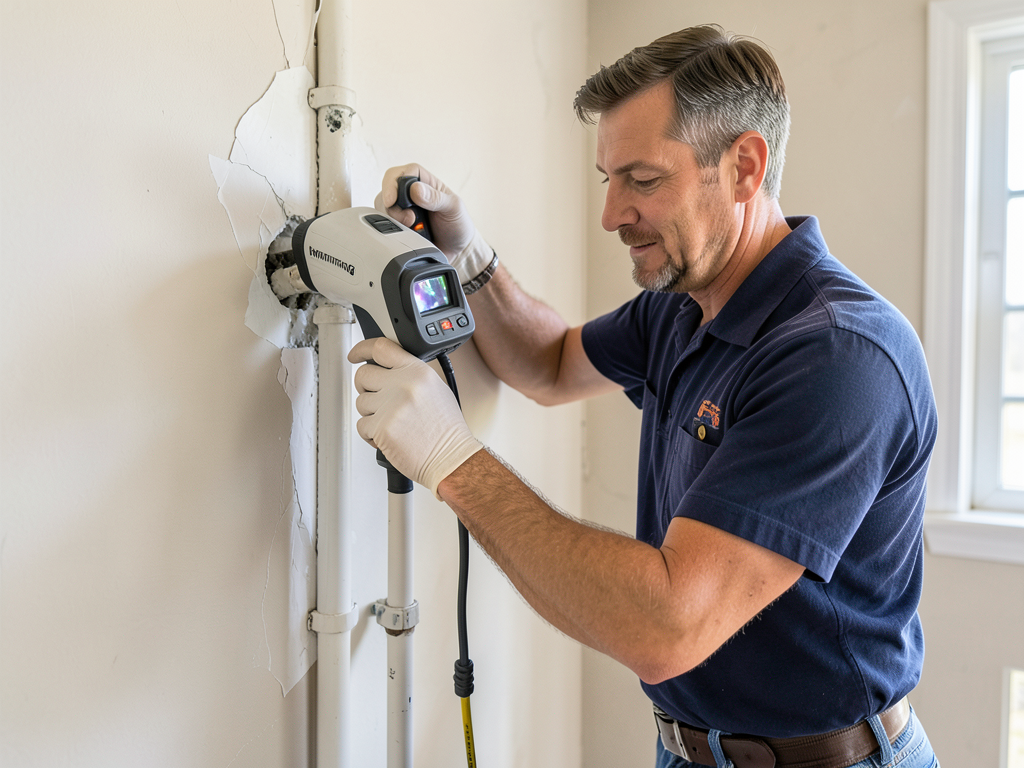
Professional plumbers have specialized equipment for emergency repairs. They use thermal imaging cameras to locate frozen sections behind walls without destructive testing. They also have pipe-thawing machines that safely apply controlled heat to frozen sections.
Many Worthington plumbers offer 24/7 emergency service during winter months. When calling, be prepared to describe the extent of the problem, your location, and whether you’ve shut off the main water valve. This helps them bring the right equipment and materials.
Comparing Pipe Materials for Worthington Homes
The type of pipe in your home affects its vulnerability to freezing. Here’s how common materials compare:
| Material | Freeze Resistance | Lifespan | Repair Cost | Best Use |
|---|---|---|---|---|
| Copper | Moderate | 50+ years | $150-300 per repair | Indoor plumbing |
| PEX | High | 30-50 years | $100-250 per repair | All applications |
| CPVC | Low | 40-70 years | $200-350 per repair | Hot water only |
| Galvanized Steel | Low | 40-50 years | $250-400 per repair | Replacement recommended |
PEX (cross-linked polyethylene) is the most freeze-resistant option. It can expand up to three times its size without breaking, making it ideal for Worthington’s freeze-thaw cycles. Many newer Worthington homes use PEX for this reason.
Copper pipes are durable but become brittle over time, especially in areas with hard water like Worthington. The high mineral content in Franklin County water accelerates corrosion and weakens copper joints. Franklin County Emergency Management.
Older galvanized steel pipes are the most problematic. They corrode from the inside out, creating rough surfaces where ice can form and block flow. If your Worthington home still has galvanized pipes, consider replacement before winter.
Long-Term Solutions for Worthington Properties
While emergency prevention is important, some Worthington homeowners choose permanent solutions to eliminate frozen pipe risks entirely. These upgrades can increase home value and prevent future emergencies.
Whole-home repiping with PEX is becoming popular in Worthington’s older neighborhoods. This involves replacing all accessible pipes with freeze-resistant PEX. The process typically takes 2-3 days and costs $4,000-8,000 depending on home size.
Adding insulation to exterior walls where pipes run can prevent freezing without replacing pipes. This involves removing drywall, installing foam insulation, and replacing drywall. Cost ranges from $3-5 per square foot of wall area.
Installing a whole-house water shutoff system provides peace of mind. These systems detect unusual water flow patterns and automatically shut off supply if a burst occurs. Some models integrate with smart home systems and send alerts to your phone.
Consider upgrading to a tankless water heater if you frequently experience frozen pipes. Tankless units heat water on demand and can be installed closer to fixtures, reducing the length of vulnerable pipe runs. They also provide endless hot water and energy savings.
Local Resources and Support
Worthington residents have access to several local resources for winter plumbing preparation. The Worthington Community Center offers free workshops on winter home maintenance each October. Check their schedule at worthington.org.
The City of Worthington Water Division provides information on local water quality and pressure issues that affect pipe performance. They can test your water hardness and recommend appropriate treatment if needed.
Franklin County Emergency Management offers winter preparedness guides that include plumbing protection tips. Their website franklincountyohio.gov has downloadable checklists for winterizing your home.
Local hardware stores like Worthington Ace Hardware stock winterization supplies and can provide advice on products suited for Worthington’s climate. They often host winter preparation events with local plumbers demonstrating techniques.
For emergency assistance, the Worthington Fire Department provides help with water shutoff in life-threatening situations. Call 911 if you have standing water near electrical sources or if a burst pipe creates a safety hazard.
Frequently Asked Questions
How cold does it need to be for pipes to freeze in Worthington?
Pipes begin freezing when temperatures drop below 20°F for more than 6 hours. However, wind chill and poor insulation can cause freezing at higher temperatures. Pipes in unheated areas are at risk when outdoor temperatures fall below 32°F.
Can I use a space heater to thaw frozen pipes?
Yes, but use caution. Place the heater at least 3 feet from pipes and never leave it unattended. Space heaters work well in enclosed areas like under-sink cabinets. Avoid using them near flammable materials or in areas with standing water.
How much does it cost to repair a burst pipe in Worthington?
Repair costs vary based on location and damage extent. Simple repairs start around $150-300. Repairs requiring wall or ceiling access can cost $500-1,500. Emergency after-hours service typically adds 50-100% to standard rates.
Does homeowners insurance cover frozen pipe damage?
Most policies cover sudden and accidental water damage from burst pipes. However, damage from neglect or lack of maintenance may be denied. Check your policy for specific coverage limits and whether you need additional riders for sewer backup or sump pump failure.
How long does it take to thaw frozen pipes?
Thawing time depends on pipe material, insulation, and freeze severity. Copper pipes may thaw in 30-60 minutes with proper heating. PEX pipes can take longer due to their thickness. If you don’t see progress within 2 hours, call a professional.
Should I turn off my water if I’m going on vacation during winter?
Yes, if you’ll be away more than 24 hours during freezing weather. Shut off the main valve and open faucets to drain pipes. Keep your thermostat at 55°F minimum. Consider having a neighbor check your home if you’re gone more than a week.
Take Action Before the Next Cold Snap
Don’t wait until temperatures plummet to protect your Worthington home. Start implementing these prevention strategies now. Check your pipes this weekend. Seal those air leaks. Install that faucet cover. Small actions today prevent major headaches tomorrow.
Remember that frozen pipes don’t just affect your plumbing. They can cause extensive water damage, promote mold growth, and create safety hazards. The cost of prevention is always less than the cost of emergency repairs.
If you’re unsure about your home’s vulnerability or need professional assessment, call a local plumber for a winterization inspection. They can identify hidden risks and recommend cost-effective solutions specific to your Worthington property.
Call (614) 707-7373 today to schedule your inspection before the next big cold snap hits Worthington. Don’t let frozen pipes turn your winter into a disaster. Act now and protect your home, your belongings, and your peace of mind.
Winter in Worthington doesn’t have to mean frozen pipe emergencies. With proper preparation and quick response to warning signs, you can keep your plumbing safe all season long. Stay warm, stay dry, and stay prepared.
{
“@context”: “https://schema.org”,
“@type”: “BlogPosting”,
“headline”: “Preventing Frozen Pipe Bursts in Worthington Before the Next Big Cold Snap”,
“description”: “Protect your Worthington home from frozen pipe bursts this winter. Learn proven prevention methods, emergency response steps, and local factors that affect your plumbing.”,
“wordCount”: 2219,
“datePublished”: “2026-02-21T15:27:00.000Z”,
“dateModified”: “2026-02-21T15:27:00.000Z”,
“inLanguage”: “en-US”,
“mainEntityOfPage”: {
“@type”: “WebPage”,
“@id”: “https://firstchoiceplumbingcolumbus.com”
},
“publisher”: {
“@type”: “LocalBusiness”,
“name”: “First Choice Plumbing Columbus”,
“url”: “https://firstchoiceplumbingcolumbus.com”
},
“author”: {
“@type”: “Organization”,
“name”: “First Choice Plumbing Columbus”,
“url”: “https://firstchoiceplumbingcolumbus.com”
},
“image”: {
“@type”: “ImageObject”,
“url”: “https://firstchoiceplumbingcolumbus.com/wp-content/uploads/2026/03/preventing-frozen-pipe-bursts-in-worthington-befor-1.png”
}
}
{
“@context”: “https://schema.org”,
“@type”: “Plumber”,
“name”: “First Choice Plumbing Columbus”,
“url”: “https://firstchoiceplumbingcolumbus.com”,
“address”: {
“@type”: “PostalAddress”,
“addressLocality”: “Columbus”
},
“areaServed”: {
“@type”: “City”,
“name”: “Columbus”
}
}
{
“@context”: “https://schema.org”,
“@type”: “FAQPage”,
“mainEntity”: [
{
“@type”: “Question”,
“name”: “How cold does it need to be for pipes to freeze in Worthington?”,
“acceptedAnswer”: {
“@type”: “Answer”,
“text”: “Pipes begin freezing when temperatures drop below 20°F for more than 6 hours. However, wind chill and poor insulation can cause freezing at higher temperatures. Pipes in unheated areas are at risk when outdoor temperatures fall below 32°F.”
}
},
{
“@type”: “Question”,
“name”: “Can I use a space heater to thaw frozen pipes?”,
“acceptedAnswer”: {
“@type”: “Answer”,
“text”: “Yes, but use caution. Place the heater at least 3 feet from pipes and never leave it unattended. Space heaters work well in enclosed areas like under-sink cabinets. Avoid using them near flammable materials or in areas with standing water.”
}
},
{
“@type”: “Question”,
“name”: “How much does it cost to repair a burst pipe in Worthington?”,
“acceptedAnswer”: {
“@type”: “Answer”,
“text”: “Repair costs vary based on location and damage extent. Simple repairs start around $150-300. Repairs requiring wall or ceiling access can cost $500-1,500. Emergency after-hours service typically adds 50-100% to standard rates.”
}
},
{
“@type”: “Question”,
“name”: “Does homeowners insurance cover frozen pipe damage?”,
“acceptedAnswer”: {
“@type”: “Answer”,
“text”: “Most policies cover sudden and accidental water damage from burst pipes. However, damage from neglect or lack of maintenance may be denied. Check your policy for specific coverage limits and whether you need additional riders for sewer backup or sump pump failure.”
}
},
{
“@type”: “Question”,
“name”: “How long does it take to thaw frozen pipes?”,
“acceptedAnswer”: {
“@type”: “Answer”,
“text”: “Thawing time depends on pipe material, insulation, and freeze severity. Copper pipes may thaw in 30-60 minutes with proper heating. PEX pipes can take longer due to their thickness. If you don’t see progress within 2 hours, call a professional.”
}
},
{
“@type”: “Question”,
“name”: “Should I turn off my water if I’m going on vacation during winter?”,
“acceptedAnswer”: {
“@type”: “Answer”,
“text”: “Yes, if you’ll be away more than 24 hours during freezing weather. Shut off the main valve and open faucets to drain pipes. Keep your thermostat at 55°F minimum. Consider having a neighbor check your home if you’re gone more than a week.”
}
}
]
}
{
“@context”: “https://schema.org”,
“@type”: “HowTo”,
“name”: “How to Prevent Frozen Pipe Bursts”,
“step”: [
{
“@type”: “HowToStep”,
“position”: 1,
“name”: “Insulate Exposed Pipes”,
“text”: “Wrap pipes in unheated areas with foam pipe insulation. Pay special attention to pipes in crawl spaces, attics, and garages. Use insulation rated for at least R-4 in Worthington’s climate. Secure with zip ties every 12 inches to prevent gaps.”
},
{
“@type”: “HowToStep”,
“position”: 2,
“name”: “Seal Air Leaks”,
“text”: “Find and seal gaps where cold air enters near pipes. Use expanding foam around sill plates, foundation vents, and where pipes penetrate walls. Check for drafts around electrical outlets on exterior walls and seal with foam gaskets.”
},
{
“@type”: “HowToStep”,
“position”: 3,
“name”: “Keep Heat Consistent”,
“text”: “Maintain indoor temperatures above 55°F even when you’re away. Open cabinet doors under sinks on exterior walls to allow warm air circulation. Consider installing heat tape on vulnerable pipes, but follow manufacturer instructions carefully.”
},
{
“@type”: “HowToStep”,
“position”: 4,
“name”: “Drain Outdoor Plumbing”,
“text”: “Disconnect garden hoses and drain outdoor faucets. Install frost-proof sill cocks or insulated faucet covers. Shut off indoor valves supplying outdoor faucets and open the outdoor faucets to drain remaining water.”
},
{
“@type”: “HowToStep”,
“position”: 5,
“name”: “Let Faucets Drip”,
“text”: “When temperatures drop below 20°F, let cold water drip from faucets served by exposed pipes. Moving water is much harder to freeze than standing water. A drip the size of a pencil lead is sufficient.”
},
{
“@type”: “HowToStep”,
“position”: 6,
“name”: “Maintain Proper Heating”,
“text”: “Check that your furnace is working properly before winter. Replace filters monthly during heating season. Consider a programmable thermostat to maintain consistent temperatures. If you have a heat pump, ensure the backup heat engages in extreme cold.”
},
{
“@type”: “HowToStep”,
“position”: 7,
“name”: “Install Smart Water Sensors”,
“text”: “Place water leak detectors near vulnerable pipes and in basements. Many modern sensors can detect freezing temperatures and send alerts to your phone. Some can even automatically shut off water if a leak is detected.”
}
],
“image”: “https://firstchoiceplumbingcolumbus.com/wp-content/uploads/2026/03/preventing-frozen-pipe-bursts-in-worthington-befor-1.png”
}
{
“@context”: “https://schema.org”,
“@type”: “BreadcrumbList”,
“itemListElement”: [
{
“@type”: “ListItem”,
“position”: 1,
“name”: “Home”,
“item”: “https://firstchoiceplumbingcolumbus.com”
},
{
“@type”: “ListItem”,
“position”: 2,
“name”: “Blog”,
“item”: “https://firstchoiceplumbingcolumbus.com/blog”
},
{
“@type”: “ListItem”,
“position”: 3,
“name”: “Preventing Frozen Pipe Bursts in Worthington Before the Next Big Cold Snap”
}
]
}
{
“@context”: “https://schema.org”,
“@type”: “Service”,
“serviceType”: “Plumbing”,
“provider”: {
“@type”: “LocalBusiness”,
“name”: “First Choice Plumbing Columbus”,
“url”: “https://firstchoiceplumbingcolumbus.com”
},
“areaServed”: {
“@type”: “City”,
“name”: “Columbus”
},
“description”: “Protect your Worthington home from frozen pipe bursts this winter. Learn proven prevention methods, emergency response steps, and local factors that affect your plumbing.”
}