Preventing Basement Sewage Backups with a Backwater Valve Installation
Heavy rain in Columbus can overwhelm the city’s aging sewer system, sending contaminated water back through your basement drains. A backwater valve stops this sewage backup before it floods your home, protecting your family’s health and your property’s value. For homeowners in low-lying areas like the South Side and German Village, this installation isn’t just smart—it’s essential. Columbus Division of Sewerage and Drainage.
What Is a Backwater Valve and How Does It Work
A backwater valve is a one-way check valve installed on your main sewer line that allows wastewater to flow out but prevents sewage from flowing back into your home. When city sewer pressure increases during heavy storms, the valve’s flap mechanism closes automatically, creating a barrier against contaminated water. Your Best Options for Fast Water Heater Replacement in Dublin.
Unlike standard check valves that can get stuck or allow partial backflow, modern backwater valves use a spring-loaded or gravity-activated design that responds instantly to pressure changes. The valve sits in a sump pit below your basement floor, where it can handle the full force of municipal sewer surges. Water Heater Maintenance Tips.
Most Columbus homes built before 2000 lack these protective devices, leaving basements vulnerable to the city’s combined sewer overflow problems. The Columbus Division of Sewerage and Drainage reports that during major rain events, the system’s capacity can be exceeded by 300-400%, forcing sewage into connected residential lines.. Read more about How to Tell if That Strange Smell is Sewer Gas or Just a Dry Drain Trap.
Why Columbus Homes Are Vulnerable to Sewage Backups
Columbus’s older neighborhoods were built with combined sewer systems that handle both stormwater and sanitary waste in the same pipes. When heavy rain falls on areas like Clintonville, Bexley, and the South Side, the system becomes overwhelmed within minutes. Water Stains on Ceiling or Walls.
The city’s clay soil, common throughout Franklin County, doesn’t absorb water quickly enough during downpours. This creates surface runoff that flows directly into storm drains, adding to the sewer system’s burden. Homes in these areas experience basement flooding not just from groundwater but from actual sewage backing up through floor drains and toilets.
Many Columbus homes sit in flood-prone zones designated by FEMA, where the water table rises rapidly during storms. When this happens, the pressure in municipal sewer lines increases dramatically, forcing contaminated water back through any available opening in your home’s plumbing system.
The problem worsens in winter when frozen ground prevents natural drainage. Snowmelt combined with spring rains creates perfect conditions for sewer backups, especially in neighborhoods with aging infrastructure like German Village and Olde Towne East. Keep Your German Village Basement Dry with a Better Sump Pump System.
The Installation Process: What to Expect
Professional backwater valve installation requires careful planning and city permits. The process typically takes 1-2 days and involves excavating your basement floor to access the main sewer line. Professional Main Line Cleaning Services for Busy Gahanna Households.
First, a licensed plumber performs a camera inspection of your sewer line to locate the optimal installation point. This usually sits where the main line exits your foundation, near the front of your basement. The plumber then marks the excavation area and obtains necessary permits from the Columbus Division of Sewerage and Drainage.
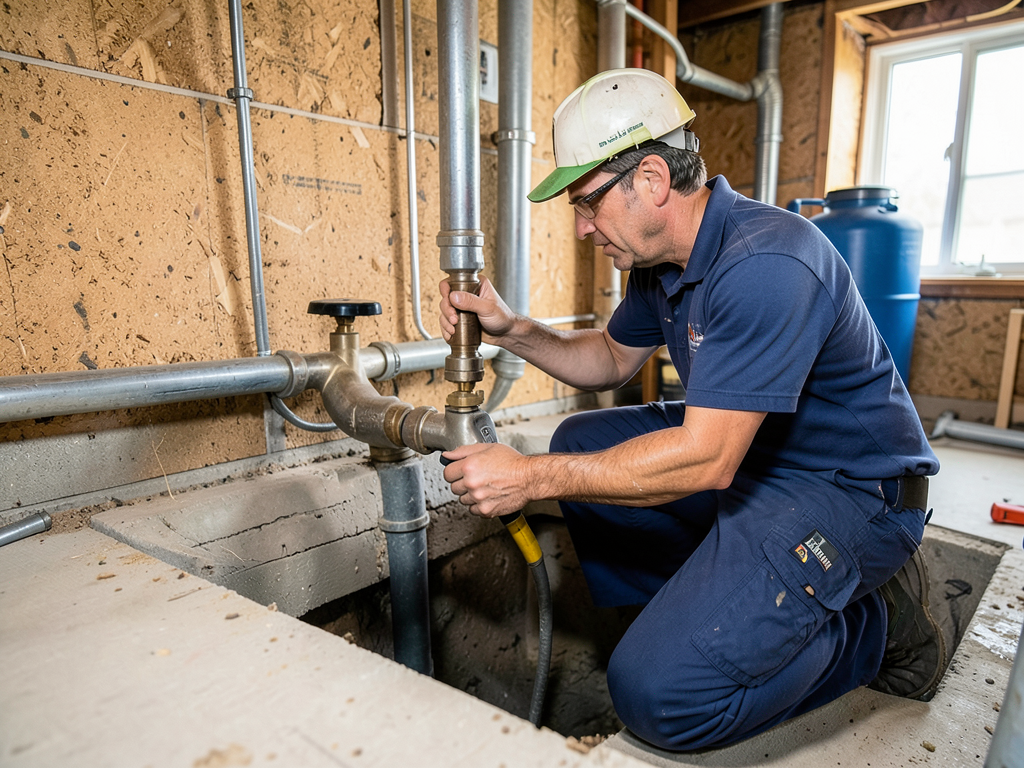
Excavation begins by cutting a section of your basement floor, typically 24-30 inches square. The concrete is removed carefully to minimize dust and protect surrounding areas. Once exposed, the main sewer line is cut and the valve housing is installed according to manufacturer specifications and Columbus building codes.
The valve assembly includes a removable cover for maintenance access and a sump pit that collects any minor seepage. After installation, the area is backfilled with gravel and new concrete is poured to restore your floor surface. The entire system is then tested under pressure to ensure proper operation. EPA National Pollutant Discharge Elimination System.
City inspectors must verify the installation meets Columbus plumbing code requirements before final approval. This inspection ensures the valve functions correctly and won’t cause issues with the municipal sewer system.
Signs Your Columbus Home Needs a Backwater Valve
Several warning signs indicate your home may already be at risk for sewage backup. Multiple slow-draining fixtures throughout your house suggest a developing blockage in your main sewer line that could worsen during heavy rain.
Gurgling sounds from basement floor drains often indicate negative pressure in your sewer system. This pressure change can signal that municipal sewage is beginning to back up toward your home. The sound occurs when air bubbles try to escape through water in the drain trap.
Previous basement flooding, even from clean water sources, suggests your home sits in a low area where sewer backups are more likely. Homes near the Scioto River or Alum Creek are particularly vulnerable due to their proximity to water bodies that can overwhelm storm drains.
Older clay sewer pipes, common in Columbus homes built before 1970, are prone to root intrusion and cracking. These damaged pipes can’t handle the pressure surges that occur during heavy rain events, making them prime candidates for backwater valve protection.
If your neighbors have experienced sewage backups during recent storms, your home likely faces the same risk. Sewer problems in your immediate area often indicate systemic issues with the municipal system that affect multiple properties.
Cost Factors and Permit Requirements in Columbus
Backwater valve installation costs in Columbus typically range from $2,500 to $4,500, depending on your basement’s construction and the complexity of the installation. Factors affecting price include concrete removal difficulty, pipe material, and whether your main sewer line requires repair.
Columbus requires a plumbing permit for backwater valve installation, which costs approximately $75-150. The permit process includes submitting detailed plans showing the valve’s location and ensuring compliance with the Ohio Plumbing Code. Most installations require only 2-3 days for permit approval.
Additional costs may include floor restoration, which can add $500-1,000 if your existing concrete needs extensive repair. Some homeowners choose to upgrade their sump pump system at the same time, creating a comprehensive basement waterproofing solution.. Read more about What Obetz Homeowners Need to Know About Switching from Septic to City Sewer.
The Columbus Division of Sewerage and Drainage offers a Basement Protection Program that provides rebates up to $4,000 for qualifying flood prevention measures, including backwater valve installation. To qualify, your home must be in a designated flood-prone area and meet specific program requirements.
Insurance considerations also affect the total investment. While standard homeowners insurance doesn’t cover sewer backups, you can purchase additional coverage for $50-150 annually. Installing a backwater valve may qualify you for premium discounts with some insurers.
Maintenance Requirements for Ohio’s Climate
Backwater valves require annual maintenance to ensure proper operation, especially given Ohio’s extreme temperature fluctuations. The valve mechanism should be inspected each spring before the rainy season and again in fall after leaves clog storm drains.
Maintenance involves removing the valve cover and checking the flap mechanism for debris, corrosion, or damage. The sump pit should be cleaned of sediment that accumulates over time. Any buildup can prevent the valve from sealing properly when needed.
During winter, backwater valves can freeze if not properly insulated. The sump pit should be checked for ice buildup, and the valve cover should seal tightly to prevent cold air infiltration. Some homeowners install electric heating cables in extremely cold microclimates.
Testing the valve’s operation is crucial. This involves pouring water into the sump pit and observing whether the flap closes completely. If the valve doesn’t seal properly, it won’t protect your home during a sewage backup event.
Professional maintenance typically costs $150-250 and includes a comprehensive inspection of all components. This service identifies potential problems before they cause system failure during a critical storm event.
Backwater Valve vs. Sump Pump: Which Do You Need
Backwater valves and sump pumps serve different but complementary purposes in basement protection. A backwater valve prevents sewage from entering your home, while a sump pump removes groundwater that accumulates around your foundation.
Backwater valves are essential for homes connected to municipal sewer systems, especially in older Columbus neighborhoods. They protect against contamination from sewage backups that can cause thousands of dollars in damage and serious health hazards.
Sump pumps are necessary when groundwater intrusion is the primary concern, such as homes with high water tables or poor drainage. They’re particularly important in areas with clay soil that doesn’t drain well, like much of Franklin County.
Some homes need both systems for complete protection. A backwater valve stops sewage backup through drains, while a sump pump handles clean water infiltration through foundation walls or floor cracks.
The choice between systems depends on your specific flooding risk factors. Homes in combined sewer areas need backwater valves first, while homes on hills with poor drainage need sump pumps. Professional assessment determines which system or combination provides optimal protection.
Insurance and Liability Considerations
Standard homeowners insurance policies in Ohio exclude damage from sewer backups and water that enters through drains or sewers. This exclusion leaves many Columbus homeowners financially vulnerable to basement flooding disasters.
Sewer backup coverage can be added as an endorsement to your policy for $50-150 per year, depending on your coverage limits. This endorsement typically covers cleanup, repairs, and replacement of damaged belongings up to your policy limit.
Installing a backwater valve may help you qualify for premium discounts with some insurance companies. While not all insurers offer these discounts, the investment in prevention often pays for itself through reduced premiums over time.
Without proper coverage, sewage backup damage can cost $10,000-25,000 or more to remediate. This includes professional cleanup, drywall replacement, flooring repair, and addressing mold growth that often follows flooding.
Documenting your backwater valve installation with photos and permits can strengthen insurance claims if backup occurs despite the protection. Some insurers require proof of professional installation for coverage eligibility.
Choosing the Right Backwater Valve for Your Home
Several backwater valve types are available, each suited to different applications and budgets. The main categories include automatic flap valves, manual gate valves, and combination systems with alarms.
Automatic flap valves are the most common choice for residential use. They require no manual intervention and close automatically when backflow pressure increases. These valves work well in most Columbus homes and typically cost $300-500 for the unit alone.
Manual gate valves offer more control but require homeowner intervention to close during storms. While less convenient, they provide absolute isolation when closed and work well for seasonal properties or homes with known severe backup risks.
Combination systems include electronic sensors that detect rising water levels and trigger alarms. These systems can automatically close motorized valves and send alerts to your smartphone, providing early warning of potential problems.
Material selection matters in Ohio’s climate. PVC valves resist corrosion but may become brittle in extreme cold. Cast iron valves offer superior durability but cost more. Stainless steel components provide the best longevity in harsh conditions.
Brand selection should focus on manufacturers with proven track records in residential applications. Look for valves certified to meet ASTM standards and backed by substantial warranties.
Frequently Asked Questions
How long does a backwater valve last?
Quality backwater valves typically last 15-20 years with proper maintenance. The valve mechanism may need replacement sooner if exposed to harsh chemicals or extreme temperature fluctuations common in Ohio.
Can I install a backwater valve myself?
DIY installation is not recommended and may violate Columbus plumbing codes. Professional installation ensures proper sizing, correct placement, and compliance with local regulations. Improper installation can create more problems than it solves.
Will a backwater valve affect my plumbing drainage speed?
When properly installed, a backwater valve has minimal impact on normal drainage. The valve opens fully under regular flow conditions, allowing wastewater to exit at normal speed. Only during backflow conditions does the valve restrict flow.
What happens if the valve fails during a storm?
Quality backwater valves include redundant sealing mechanisms to prevent failure. However, extreme debris or mechanical damage can cause problems. That’s why professional installation and annual maintenance are essential for reliable operation.
Do I need a permit for backwater valve installation in Columbus?
Yes, Columbus requires a plumbing permit for backwater valve installation. The permit ensures the work meets Ohio Plumbing Code requirements and includes inspection by city officials to verify proper installation.
Can a backwater valve get clogged?
Like any mechanical device, backwater valves can clog if not maintained. Regular cleaning prevents debris buildup that could interfere with the valve’s operation. Most clogs occur in the sump pit rather than the valve mechanism itself.
How do I know if my valve is working?
Annual testing by a professional plumber confirms proper operation. You can also perform basic checks by observing the valve during heavy rain events or testing with water poured into the sump pit.
Protecting Your Columbus Home from Sewage Backups
Backwater valve installation represents a critical investment in your home’s protection against sewage backups. For Columbus homeowners in older neighborhoods with combined sewer systems, this protection isn’t optional—it’s essential for preventing costly damage and health hazards.
The combination of Columbus’s aging infrastructure, clay soil conditions, and extreme weather patterns creates perfect conditions for sewer backups. Homes in areas like German Village, Clintonville, and the South Side face the highest risk, but any property connected to the municipal sewer system can experience problems.
Professional installation ensures your backwater valve meets all Columbus building codes and functions reliably when needed most. The investment typically pays for itself through prevented damage, potential insurance discounts, and the peace of mind that comes from knowing your basement is protected.
Don’t wait for the next heavy rain to discover your home’s vulnerability to sewage backups. Call (614) 707-7373 today to schedule your inspection and protect your Columbus home before the next storm hits. Our licensed plumbers will assess your specific needs and provide a detailed quote for installation that meets all local requirements.
Pick up the phone and call (614) 707-7373 before the next storm hits. Your basement—and your peace of mind—are worth protecting.
{
“@context”: “https://schema.org”,
“@type”: “BlogPosting”,
“headline”: “Preventing Basement Sewage Backups with a Backwater Valve Installation”,
“description”: “Protect your Columbus basement from sewage backups with professional backwater valve installation. Learn how these devices work and why they’re essential for flood-prone areas.”,
“wordCount”: 2316,
“datePublished”: “2026-03-23T11:25:00.000Z”,
“dateModified”: “2026-03-23T11:25:00.000Z”,
“inLanguage”: “en-US”,
“mainEntityOfPage”: {
“@type”: “WebPage”,
“@id”: “https://firstchoiceplumbingcolumbus.com”
},
“publisher”: {
“@type”: “LocalBusiness”,
“name”: “First Choice Plumbing Columbus”,
“url”: “https://firstchoiceplumbingcolumbus.com”
},
“author”: {
“@type”: “Organization”,
“name”: “First Choice Plumbing Columbus”,
“url”: “https://firstchoiceplumbingcolumbus.com”
},
“image”: {
“@type”: “ImageObject”,
“url”: “https://firstchoiceplumbingcolumbus.com/wp-content/uploads/2026/03/preventing-basement-sewage-backups-with-a-backwate-1.png”
}
}
{
“@context”: “https://schema.org”,
“@type”: “Plumber”,
“name”: “First Choice Plumbing Columbus”,
“url”: “https://firstchoiceplumbingcolumbus.com”,
“address”: {
“@type”: “PostalAddress”,
“addressLocality”: “Columbus”
},
“areaServed”: {
“@type”: “City”,
“name”: “Columbus”
}
}
{
“@context”: “https://schema.org”,
“@type”: “FAQPage”,
“mainEntity”: [
{
“@type”: “Question”,
“name”: “How long does a backwater valve last?”,
“acceptedAnswer”: {
“@type”: “Answer”,
“text”: “Quality backwater valves typically last 15-20 years with proper maintenance. The valve mechanism may need replacement sooner if exposed to harsh chemicals or extreme temperature fluctuations common in Ohio.”
}
},
{
“@type”: “Question”,
“name”: “Can I install a backwater valve myself?”,
“acceptedAnswer”: {
“@type”: “Answer”,
“text”: “DIY installation is not recommended and may violate Columbus plumbing codes. Professional installation ensures proper sizing, correct placement, and compliance with local regulations. Improper installation can create more problems than it solves.”
}
},
{
“@type”: “Question”,
“name”: “Will a backwater valve affect my plumbing drainage speed?”,
“acceptedAnswer”: {
“@type”: “Answer”,
“text”: “When properly installed, a backwater valve has minimal impact on normal drainage. The valve opens fully under regular flow conditions, allowing wastewater to exit at normal speed. Only during backflow conditions does the valve restrict flow.”
}
},
{
“@type”: “Question”,
“name”: “What happens if the valve fails during a storm?”,
“acceptedAnswer”: {
“@type”: “Answer”,
“text”: “Quality backwater valves include redundant sealing mechanisms to prevent failure. However, extreme debris or mechanical damage can cause problems. That’s why professional installation and annual maintenance are essential for reliable operation.”
}
},
{
“@type”: “Question”,
“name”: “Do I need a permit for backwater valve installation in Columbus?”,
“acceptedAnswer”: {
“@type”: “Answer”,
“text”: “Yes, Columbus requires a plumbing permit for backwater valve installation. The permit ensures the work meets Ohio Plumbing Code requirements and includes inspection by city officials to verify proper installation.”
}
},
{
“@type”: “Question”,
“name”: “Can a backwater valve get clogged?”,
“acceptedAnswer”: {
“@type”: “Answer”,
“text”: “Like any mechanical device, backwater valves can clog if not maintained. Regular cleaning prevents debris buildup that could interfere with the valve’s operation. Most clogs occur in the sump pit rather than the valve mechanism itself.”
}
},
{
“@type”: “Question”,
“name”: “How do I know if my valve is working?”,
“acceptedAnswer”: {
“@type”: “Answer”,
“text”: “Annual testing by a professional plumber confirms proper operation. You can also perform basic checks by observing the valve during heavy rain events or testing with water poured into the sump pit.”
}
}
]
}
{
“@context”: “https://schema.org”,
“@type”: “BreadcrumbList”,
“itemListElement”: [
{
“@type”: “ListItem”,
“position”: 1,
“name”: “Home”,
“item”: “https://firstchoiceplumbingcolumbus.com”
},
{
“@type”: “ListItem”,
“position”: 2,
“name”: “Blog”,
“item”: “https://firstchoiceplumbingcolumbus.com/blog”
},
{
“@type”: “ListItem”,
“position”: 3,
“name”: “Preventing Basement Sewage Backups with a Backwater Valve Installation”
}
]
}
{
“@context”: “https://schema.org”,
“@type”: “Service”,
“serviceType”: “Plumbing”,
“provider”: {
“@type”: “LocalBusiness”,
“name”: “First Choice Plumbing Columbus”,
“url”: “https://firstchoiceplumbingcolumbus.com”
},
“areaServed”: {
“@type”: “City”,
“name”: “Columbus”
},
“description”: “Protect your Columbus basement from sewage backups with professional backwater valve installation. Learn how these devices work and why they’re essential for flood-prone areas.”
}