Preventing a Massive Laundry Room Flood in Your Georgian Heights Home with a Better Drain Setup
Water rushing across your Georgian Heights laundry room floor can destroy flooring drywall and even reach your electrical panel within minutes. A proper laundry drain setup prevents this disaster by controlling the high-volume discharge from modern washing machines. This guide shows you exactly how to install or upgrade your laundry drain to meet Columbus building codes and protect your home. Columbus Division of Building and Zoning Services.
Understanding Why Modern Washers Need Better Drains
Today’s high-efficiency washers pump out 10-20 gallons of water in under two minutes. That surge creates massive pressure in drain pipes. Without the right standpipe height and P-trap configuration the water can back up flood your floor or even pull sewer gases into your home. Older homes in Georgian Heights often have undersized drains that were installed before these powerful pumps existed. Your Best Options for Fast Water Heater Replacement in Dublin.
The key measurements matter. A 2-inch diameter drain pipe handles the flow. The standpipe must be 34 to 36 inches tall from the trap weir. The P-trap creates the water seal that blocks sewer gases. The vent prevents pressure buildup that can break the trap seal. Miss any of these and you risk a flood. Water Heater Maintenance Tips.
Columbus Plumbing Code Requirements for Laundry Drains
The Ohio Plumbing Code based on the International Plumbing Code requires specific dimensions for laundry standpipes. Section 802.3 mandates a minimum 2-inch drain for washing machine discharge. The standpipe must extend between 34 and 36 inches above the trap weir. This height prevents both overflow and siphoning. Ohio Plumbing Code requirements.
The trap itself must maintain a minimum 2-inch water seal. Section 1002.3 requires vents to be within 6 feet of the trap for 2-inch pipes. Without proper venting negative pressure can suck water from the trap allowing sewer gases to enter your laundry room. The code also requires an air gap between the washing machine hose and the standpipe to prevent backflow contamination. Water Stains on Ceiling or Walls.
In Franklin County you need a plumbing permit for any new drain installation or major modification. The Columbus Division of Building and Zoning Services inspects these installations to ensure code compliance. Skipping permits can result in fines and insurance complications if a flood occurs.
Step-by-Step Installation for Georgian Heights Homes
Most Georgian Heights homes have concrete slab foundations or basements with accessible plumbing stacks. The installation process differs slightly for each.
- Locate the Main Stack
Find the 3 or 4-inch cast iron or PVC stack in your wall. This connects to the sewer line. Use a stud finder and check for existing cleanouts.
- Cut the Access Hole
Cut a 4×4 inch opening in the drywall at the planned location. Use a drywall saw and be careful of electrical wires. The opening should expose the stud cavity to the floor.
- Install the Drain Line
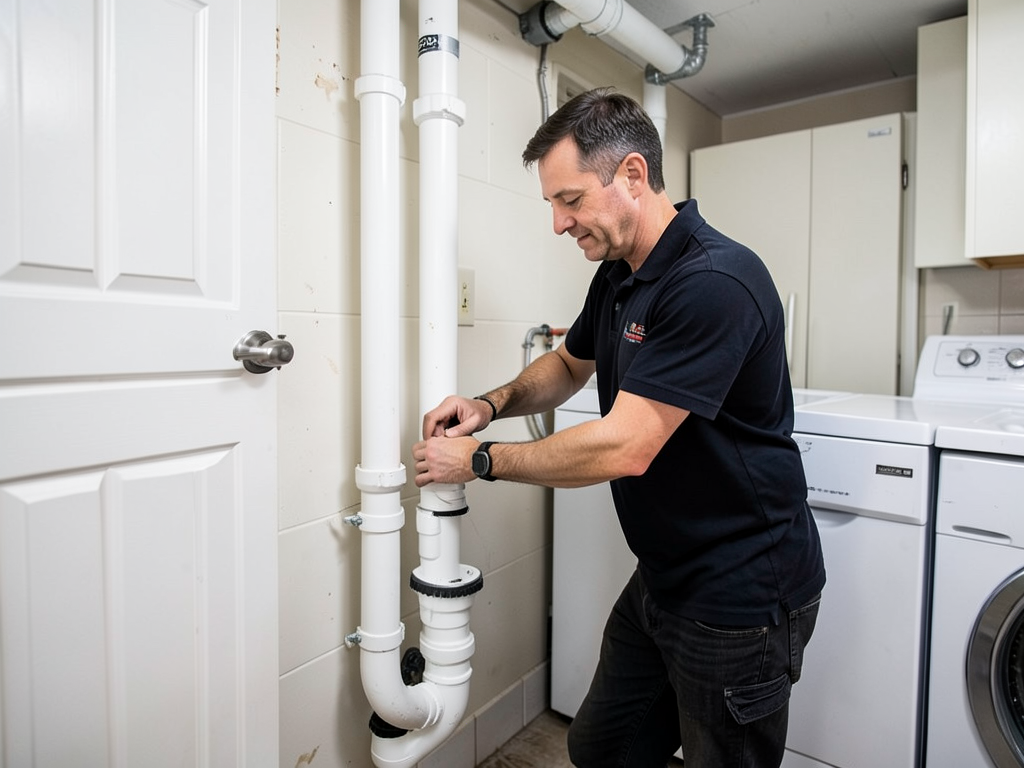
Run 2-inch PVC pipe from the standpipe location to the main stack. Maintain a 1/4 inch per foot slope toward the stack. Use PVC primer and cement for all connections. Install a wye fitting on the stack for the tie-in.
- Set the Standpipe and P-Trap
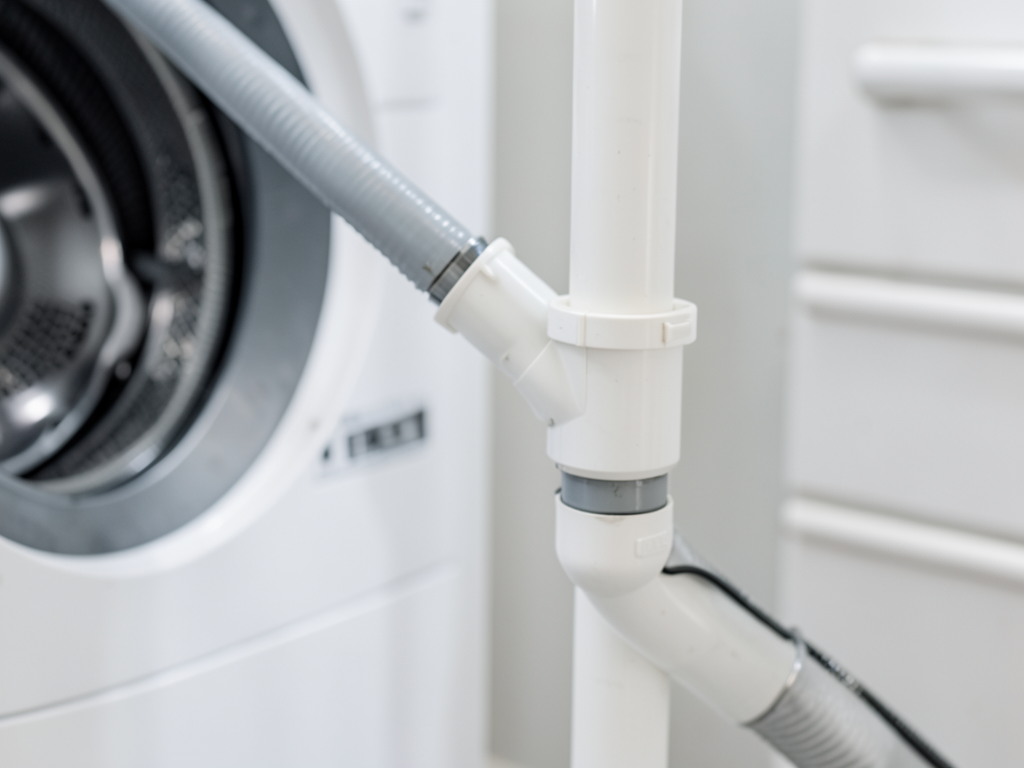
Install a 2-inch standpipe secured to a stud with brackets. The top should be 34-36 inches from the floor. Connect the P-trap below with the outlet pointing toward the drain line. Use a trap adapter for the washing machine hose connection.
- Add the Vent
Install a 1.5-inch vent pipe within 6 feet of the trap. Run it up through the roof or connect to an existing vent. For tight spaces use an Air Admittance Valve (AAV) rated for washing machine use. The AAV must be accessible and at least 4 inches above the trap.
- Test and Inspect
Plug the standpipe and fill the trap with water. Check all connections for leaks. Run the washing machine on a drain cycle to verify proper flow. Schedule a final inspection with Franklin County if required.
Common Installation Mistakes That Cause Floods
Many DIY installations fail because they skip critical steps. Here are the most common errors we see in Georgian Heights homes.
Wrong Standpipe Height If the standpipe is too short the washer can overflow the top during the drain cycle. If it is too tall the pump cannot push water up creating backups. The 34-36 inch range is not optional.
Missing or Improper P-Trap Some homeowners eliminate the trap to prevent clogs. This allows sewer gases to enter the home. Others use S-traps which can siphon dry. Only a properly vented P-trap works.
Undersized Drain Pipe A 1.5-inch pipe cannot handle the surge from modern washers. The water backs up and floods the floor. Always use 2-inch minimum.
No Vent or Bad Vent Location Without a vent the trap seal breaks from pressure changes. The washer then pumps sewer gases into your home. Vents must be within 6 feet for 2-inch drains.
Missing Air Gap The washing machine discharge hose must not fit tightly into the standpipe. A loose fit creates the required air gap preventing contaminated water from siphoning back into the clean water supply.
Comparing Materials: PVC vs. ABS vs. Cast Iron
| Material | Cost per Foot | Noise Level | Code Compliance | Best Use |
|---|---|---|---|---|
| Schedule 40 PVC | $3-5 | Low | Full | New construction |
| ABS Plastic | $2-4 | Medium | Full | Retrofit projects |
| Cast Iron | $8-12 | Very Low | Full | Sound-sensitive areas |
PVC offers the best balance of cost and performance for most Georgian Heights installations. It cuts easily with a handsaw and the joints are watertight when properly primed and cemented. ABS is slightly cheaper but more brittle. Cast iron eliminates noise but requires special cutting tools and is overkill for a laundry drain.
Special Considerations for Georgian Heights Basements
Many Georgian Heights homes have basements with laundry rooms below grade. This creates unique drainage challenges. The washing machine pump must push water up to the main stack which may be several feet above the floor.
In these cases the standpipe must be tall enough to provide adequate air gap and prevent backflow. A 36-inch minimum height is essential. Some installations require a sewage ejector pump if the main drain line is above the laundry fixtures. These pumps grind waste and pump it up to the sewer connection.
Basement installations also need careful attention to moisture barriers. Concrete foundations can transmit moisture creating condensation on cold drain pipes. Insulate exposed pipes to prevent this and protect nearby walls from water damage.
Maintenance Tips to Prevent Future Problems
Even a perfectly installed drain can fail without proper maintenance. Here are simple steps to keep your system working.
- Check the standpipe for debris monthly. Remove any lint or buildup.
- Pour a gallon of water down the standpipe quarterly to verify the trap holds water.
- Inspect all visible connections for leaks every six months.
- Clean the washing machine filter according to manufacturer instructions.
- Test the vent system by running water and listening for gurgling sounds.
If you hear gurgling or notice slow drainage these are early warning signs. Address them before they become floods.
When to Call a Professional Plumber
Some situations require expert help. Call a licensed plumber if you notice these warning signs.
Persistent Gurgling This indicates a venting problem that can cause trap seal failure.
Water Backing Up If water rises in the standpipe during the drain cycle the pipe is undersized or blocked.
Sewer Odors Smelling sewage from the laundry room means the trap has failed or there is a break in the system.
Flood History If your laundry room has flooded before the existing setup needs complete evaluation.
Permit Requirements Any new installation or major modification in Franklin County requires permits and inspections.
Cost Factors for Professional Installation in Columbus
Professional laundry drain installation in Georgian Heights typically costs between $800 and $2,500 depending on complexity. Simple replacements run $800 to $1,200. New installations with permits cost $1,500 to $2,500. Basement installations with ejector pumps can exceed $3,000. Professional Main Line Cleaning Services for Busy Gahanna Households.
Factors affecting cost include accessibility of the main stack, need for permits, material upgrades, and whether you need an ejector pump. Most plumbers charge $75 to $125 per hour plus materials. Always get a written estimate and verify the plumber is licensed in Ohio.
Protecting Your Investment Long-Term
A proper laundry drain setup protects your Georgian Heights home from thousands in water damage. The initial investment prevents floor replacement drywall repair and potential mold remediation. It also protects your appliances by ensuring proper drainage.
Consider this: one major flood can cost $5,000 to $15,000 in repairs. A professional installation costs a fraction of that and includes warranty protection. Plus you get peace of mind knowing your home meets Columbus building codes and is protected against the next big wash cycle.
Frequently Asked Questions
How tall should my washing machine standpipe be?
The standpipe must be 34 to 36 inches tall from the trap weir to the top of the pipe. This height prevents overflow while allowing proper drainage.
Can I use a 1.5-inch drain pipe for my washing machine?
No. The Ohio Plumbing Code requires a minimum 2-inch drain pipe for washing machine discharge. Smaller pipes cannot handle the water volume and will cause backups.
Do I need a permit to install a new laundry drain in Columbus?
Yes. Franklin County requires plumbing permits for new drain installations or major modifications. The Columbus Division of Building and Zoning Services must inspect the work.
What is the purpose of the P-trap in a laundry drain?
The P-trap creates a water seal that blocks sewer gases from entering your home. It also catches debris that could clog the drain line deeper in the system.
How do I know if my laundry drain needs replacement?
Signs include persistent gurgling sounds, slow drainage, sewer odors, or a history of flooding. If your home is over 20 years old and has never had the drain updated it may need evaluation.
Take Action Before Disaster Strikes
Your Georgian Heights home deserves protection from preventable water damage. A properly installed laundry drain setup meets Columbus codes and gives you years of trouble-free operation. Don’t wait for the next big wash cycle to discover your drain cannot handle the load.
Call (614) 707-7373 today to schedule your laundry drain inspection or installation. Our licensed plumbers know the exact requirements for Franklin County homes and can complete most installations in one day. Protect your floors your walls and your peace of mind with professional installation that lasts.
Pick up the phone and call (614) 707-7373 before the next storm hits. One call prevents thousands in potential damage and ensures your home meets all local plumbing codes.
You may also find this helpful. Adding a Modern Dog Wash Station to Your Columbus Mudroom or Garage (What You Need to Know).
{
“@context”: “https://schema.org”,
“@type”: “BlogPosting”,
“headline”: “Preventing a Massive Laundry Room Flood in Your Georgian Heights Home with a Better Drain Setup”,
“description”: “Stop laundry room floods before they start. Learn Columbus code requirements for standpipes P-traps and proper venting to protect your Georgian Heights home.”,
“wordCount”: 1792,
“datePublished”: “2026-05-27T06:55:00.000Z”,
“dateModified”: “2026-05-27T06:55:00.000Z”,
“inLanguage”: “en-US”,
“mainEntityOfPage”: {
“@type”: “WebPage”,
“@id”: “https://firstchoiceplumbingcolumbus.com”
},
“publisher”: {
“@type”: “LocalBusiness”,
“name”: “First Choice Plumbing Columbus”,
“url”: “https://firstchoiceplumbingcolumbus.com”
},
“author”: {
“@type”: “Organization”,
“name”: “First Choice Plumbing Columbus”,
“url”: “https://firstchoiceplumbingcolumbus.com”
},
“image”: {
“@type”: “ImageObject”,
“url”: “https://firstchoiceplumbingcolumbus.com/wp-content/uploads/2026/03/preventing-a-massive-laundry-room-flood-in-your-ge-1.png”
}
}
{
“@context”: “https://schema.org”,
“@type”: “Plumber”,
“name”: “First Choice Plumbing Columbus”,
“url”: “https://firstchoiceplumbingcolumbus.com”,
“address”: {
“@type”: “PostalAddress”,
“addressLocality”: “Columbus”
},
“areaServed”: {
“@type”: “City”,
“name”: “Columbus”
}
}
{
“@context”: “https://schema.org”,
“@type”: “FAQPage”,
“mainEntity”: [
{
“@type”: “Question”,
“name”: “How tall should my washing machine standpipe be?”,
“acceptedAnswer”: {
“@type”: “Answer”,
“text”: “The standpipe must be 34 to 36 inches tall from the trap weir to the top of the pipe. This height prevents overflow while allowing proper drainage.”
}
},
{
“@type”: “Question”,
“name”: “Can I use a 1.5-inch drain pipe for my washing machine?”,
“acceptedAnswer”: {
“@type”: “Answer”,
“text”: “No. The Ohio Plumbing Code requires a minimum 2-inch drain pipe for washing machine discharge. Smaller pipes cannot handle the water volume and will cause backups.”
}
},
{
“@type”: “Question”,
“name”: “Do I need a permit to install a new laundry drain in Columbus?”,
“acceptedAnswer”: {
“@type”: “Answer”,
“text”: “Yes. Franklin County requires plumbing permits for new drain installations or major modifications. The Columbus Division of Building and Zoning Services must inspect the work.”
}
},
{
“@type”: “Question”,
“name”: “What is the purpose of the P-trap in a laundry drain?”,
“acceptedAnswer”: {
“@type”: “Answer”,
“text”: “The P-trap creates a water seal that blocks sewer gases from entering your home. It also catches debris that could clog the drain line deeper in the system.”
}
}
]
}
{
“@context”: “https://schema.org”,
“@type”: “HowTo”,
“name”: “How to Install a Laundry Drain”,
“step”: [
{
“@type”: “HowToStep”,
“position”: 1,
“name”: “Locate the Main Stack”,
“text”: “Find the 3 or 4-inch cast iron or PVC stack in your wall. This connects to the sewer line. Use a stud finder and check for existing cleanouts.”
},
{
“@type”: “HowToStep”,
“position”: 2,
“name”: “Cut the Access Hole”,
“text”: “Cut a 4×4 inch opening in the drywall at the planned location. Use a drywall saw and be careful of electrical wires. The opening should expose the stud cavity to the floor.”
},
{
“@type”: “HowToStep”,
“position”: 3,
“name”: “Install the Drain Line”,
“text”: “Run 2-inch PVC pipe from the standpipe location to the main stack. Maintain a 1/4 inch per foot slope toward the stack. Use PVC primer and cement for all connections. Install a wye fitting on the stack for the tie-in.”
},
{
“@type”: “HowToStep”,
“position”: 4,
“name”: “Set the Standpipe and P-Trap”,
“text”: “Install a 2-inch standpipe secured to a stud with brackets. The top should be 34-36 inches from the floor. Connect the P-trap below with the outlet pointing toward the drain line. Use a trap adapter for the washing machine hose connection.”
},
{
“@type”: “HowToStep”,
“position”: 5,
“name”: “Add the Vent”,
“text”: “Install a 1.5-inch vent pipe within 6 feet of the trap. Run it up through the roof or connect to an existing vent. For tight spaces use an Air Admittance Valve (AAV) rated for washing machine use. The AAV must be accessible and at least 4 inches above the trap.”
},
{
“@type”: “HowToStep”,
“position”: 6,
“name”: “Test and Inspect”,
“text”: “Plug the standpipe and fill the trap with water. Check all connections for leaks. Run the washing machine on a drain cycle to verify proper flow. Schedule a final inspection with Franklin County if required.”
}
],
“image”: “https://firstchoiceplumbingcolumbus.com/wp-content/uploads/2026/03/preventing-a-massive-laundry-room-flood-in-your-ge-1.png”
}
{
“@context”: “https://schema.org”,
“@type”: “BreadcrumbList”,
“itemListElement”: [
{
“@type”: “ListItem”,
“position”: 1,
“name”: “Home”,
“item”: “https://firstchoiceplumbingcolumbus.com”
},
{
“@type”: “ListItem”,
“position”: 2,
“name”: “Blog”,
“item”: “https://firstchoiceplumbingcolumbus.com/blog”
},
{
“@type”: “ListItem”,
“position”: 3,
“name”: “Preventing a Massive Laundry Room Flood in Your Georgian Heights Home with a Better Drain Setup”
}
]
}
{
“@context”: “https://schema.org”,
“@type”: “Service”,
“serviceType”: “Plumbing”,
“provider”: {
“@type”: “LocalBusiness”,
“name”: “First Choice Plumbing Columbus”,
“url”: “https://firstchoiceplumbingcolumbus.com”
},
“areaServed”: {
“@type”: “City”,
“name”: “Columbus”
},
“description”: “Stop laundry room floods before they start. Learn Columbus code requirements for standpipes P-traps and proper venting to protect your Georgian Heights home.”
}