Managing Common Restroom Plumbing Issues for Discovery District Office Managers
Office managers in the Discovery District face unique plumbing challenges. High foot traffic in downtown Columbus buildings creates constant wear on restroom fixtures, while aging infrastructure in historic structures leads to frequent breakdowns. The cost of downtime extends beyond repair bills – lost tenant satisfaction and potential lease non-renewals can devastate your bottom line. EPA WaterSense Commercial Restrooms.
Understanding the specific vulnerabilities of Discovery District buildings helps you prevent problems before they start. From the Ohio State University campus to the bustling High Street corridor, these seven strategies will keep your restrooms operational and your tenants happy.
1. High-Traffic Fixture Failure Patterns
Commercial restrooms in the Discovery District experience 300-500 daily uses per fixture, far exceeding residential standards. This constant cycling causes specific failure patterns that differ from other Columbus neighborhoods. Columbus Division of Water.
Automatic flush valves fail first, typically within 18-24 months. The sensors become misaligned from repeated use, and the internal diaphragms wear out from constant pressure cycles. You’ll notice phantom flushing or complete non-responsiveness.
Commercial-grade toilets in the Discovery District require specific maintenance schedules. The hard water from Columbus City Water systems creates mineral buildup that affects valve operation. Every six months, technicians should descale internal components to prevent premature failure. Your Best Options for Fast Water Heater Replacement in Dublin.
Hand dryers in high-traffic areas burn out within 12-18 months. The motors cannot handle continuous operation during peak hours. Installing occupancy sensors reduces runtime and extends equipment life by 40%.
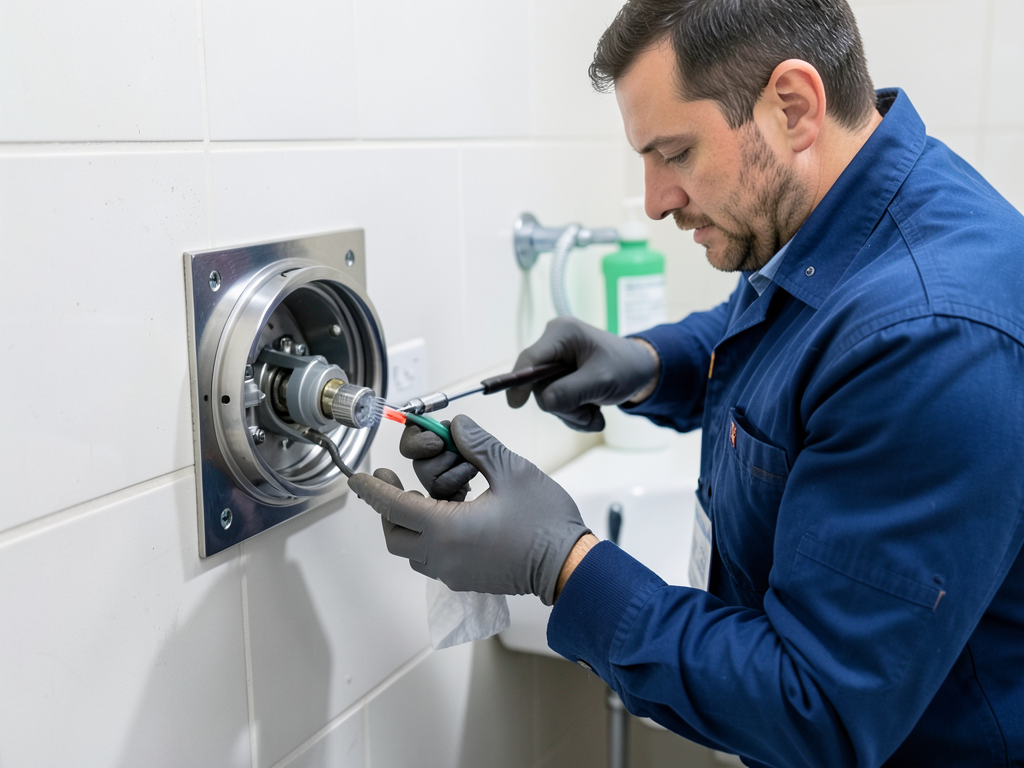
Image: Cross-section diagram showing internal components of a commercial flush valve, highlighting diaphragm and sensor alignment points.
2. Drain Line Capacity Issues in Historic Buildings
Many Discovery District office buildings were constructed before 1980 with undersized drain lines. The Ohio Plumbing Code has evolved, but these older systems cannot handle modern restroom usage patterns.
Standard commercial restrooms require 4-inch main drain lines, but many historic buildings still use 3-inch pipes. This 25% reduction in capacity causes frequent backups during peak usage times, typically between 12:00-1:30 PM.
Floor drains in older buildings often lack proper P-traps or have dry traps from infrequent use. This allows sewer gases to enter occupied spaces, creating health code violations and tenant complaints.
Hydro-jetting every 18-24 months prevents buildup in these aging systems. The process uses 4,000 PSI water pressure to clear accumulated grease, paper products, and mineral deposits that snaking cannot remove. Water Heater Maintenance Tips.
3. Water Pressure Fluctuations and Their Effects
Discovery District buildings experience significant water pressure variations due to their elevation changes and the Columbus Division of Water’s distribution system. Pressure can range from 35-85 PSI throughout the day.. Read more about Keeping Your Downtown Columbus Office Restrooms Running Smoothly for Employees and Guests.
Low pressure causes inadequate flush volumes, while high pressure stresses fixture components. Pressure reducing valves should maintain 60 PSI, but many buildings operate outside this range.
Thermal expansion in water heaters creates additional pressure spikes. Without expansion tanks, pressure can exceed 100 PSI, damaging fixtures and causing premature failure of supply lines.
Installing pressure gauges at key points helps monitor these fluctuations. Readings taken during different times of day reveal patterns that guide corrective action.
4. Emergency Response Protocols for Restroom Failures
When a restroom goes down in a Discovery District office building, the response time directly impacts tenant satisfaction. Having clear protocols prevents minor issues from becoming major disruptions.
Every building should maintain a plumbing emergency kit containing: Finding an Emergency Plumber in Columbus Who Can Actually Show Up Today.
- Universal flush valve repair kits
- Supply line connectors and valves
- Emergency lighting for dark access areas
- Contact information for 24/7 plumbing services
- Floor plans marking shut-off valve locations
Designate a primary and backup person responsible for restroom maintenance. Both should know how to operate isolation valves to prevent water damage during emergencies.
Document all repairs with photos and notes. This creates a maintenance history that helps predict future failures and justifies replacement schedules to building owners.
5. Water Conservation vs. Performance Balance
Columbus building codes require water-conserving fixtures, but these often conflict with the demands of high-traffic commercial restrooms. Finding the right balance prevents both waste and complaints.
Low-flow toilets using 1.28 gallons per flush struggle with the paper volume generated in office settings. Upgrading to pressure-assisted models maintains performance while meeting code requirements. Is Upgrading to a Tankless Water Heater Worth It for Hilliard Homeowners?.
Automatic faucets with 0.5 GPM aerators reduce water usage by 70% compared to manual fixtures. However, sensor placement affects user satisfaction – sensors should be 4-6 inches from the faucet outlet.. Read more about Upgrading to Touchless Faucets to Improve Hygiene in Your Columbus Business.
Urinal flush volumes have decreased from 1.0 to 0.5 gallons per flush. In high-traffic areas, this reduction causes odor issues. Installing barrier mats and increasing cleaning frequency mitigates these problems. Professional Main Line Cleaning Services for Busy Gahanna Households.
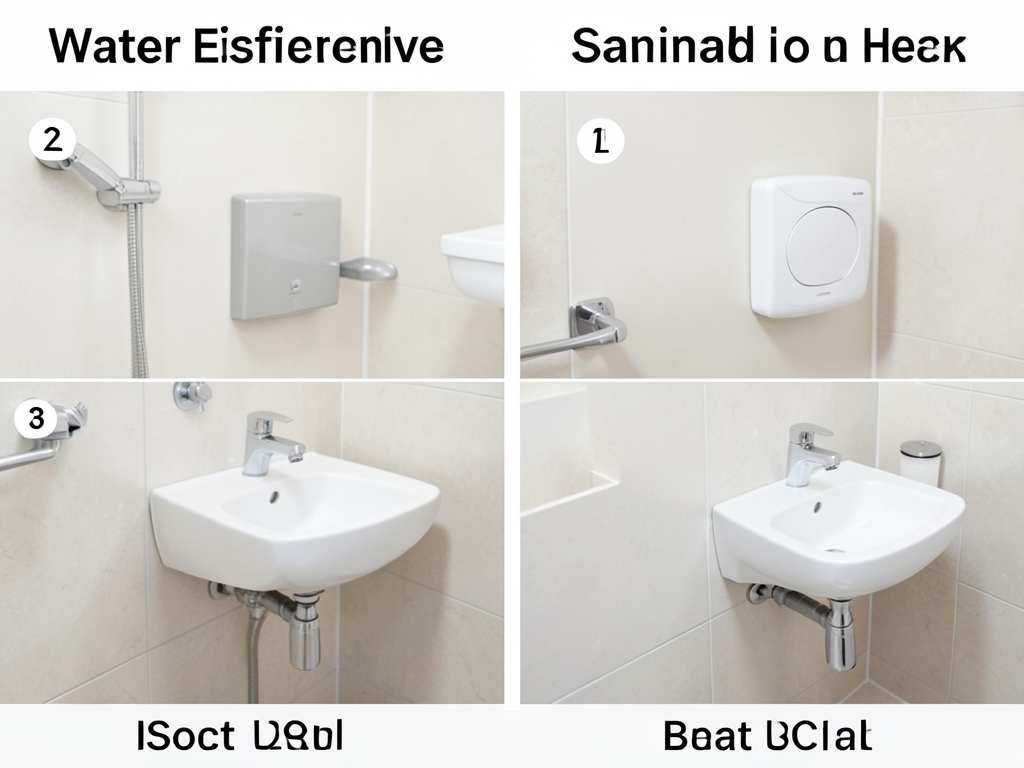
Image: Side-by-side comparison of water usage between standard and high-efficiency commercial restroom fixtures.
6. Compliance with Columbus Health Department Regulations
Franklin County Health Department inspections focus on restroom sanitation and functionality. Non-compliance results in fines and potential business closures.
Required elements include:
- Hot water at every sink (100-108°F)
- Proper handwashing signage
- Adequate ventilation to prevent moisture buildup
- Non-absorbent, easily cleanable surfaces
- Proper waste receptacles with liners
Water heater temperatures must balance safety and sanitation. Temperatures below 120°F promote bacterial growth, while above 130°F create scalding risks. Mixing valves at each sink provide the optimal solution.
ADA compliance requires specific clearances and fixture heights. Many Discovery District buildings require retrofits to meet current standards. These modifications often reveal underlying plumbing issues that need addressing.
7. Preventive Maintenance Schedule for Discovery District Buildings
Creating a maintenance calendar prevents 80% of common restroom plumbing failures. This schedule accounts for the unique demands of downtown Columbus office buildings.
Monthly Tasks:
- Check all flush valves for proper operation
- Inspect supply lines for leaks or corrosion
- Test emergency shut-off valves
- Clean drain strainers and floor drains
Quarterly Tasks:
- Descale faucet aerators and showerheads
- Check water pressure at multiple points
- Inspect water heater for sediment buildup
- Test backflow prevention devices
Annual Tasks:
- Hydro-jet main drain lines
- Replace worn fixture components
- Inspect and test all mixing valves
- Evaluate water quality and treatment needs
Documenting these inspections creates accountability and helps identify recurring issues that require system upgrades.
Cost-Benefit Analysis of Proactive Maintenance
Emergency plumbing repairs in Discovery District buildings average $850-$2,500 per incident. These costs include not just the repair, but also lost tenant productivity and potential lease impacts.
Preventive maintenance contracts typically cost $300-$500 monthly for a standard office building. This investment prevents 3-4 major incidents annually, saving $1,500-$7,000 per year.
Tenant satisfaction surveys consistently rank restroom functionality among the top three factors affecting lease renewals. A single major plumbing failure can reduce renewal rates by 15-20%.
Insurance premiums often decrease when buildings maintain documented preventive maintenance programs. Some carriers offer 5-10% discounts for properties with certified maintenance contracts.
Image: ROI comparison chart showing maintenance costs versus emergency repair expenses over a five-year period.
Technology Integration for Modern Restroom Management
Smart building technology now extends to restroom plumbing systems. IoT sensors can detect leaks, monitor water usage, and predict equipment failures before they occur.
Water usage monitors track consumption patterns and identify anomalies that indicate leaks or fixture malfunctions. These systems can reduce water bills by 15-25% while improving maintenance response times.
Automated cleaning systems use sensors to track usage and dispatch cleaning crews based on actual need rather than fixed schedules. This approach improves cleanliness while reducing labor costs.
Mobile apps allow facility managers to monitor multiple buildings from a single dashboard. Real-time alerts enable immediate response to developing issues.
Frequently Asked Questions
How often should commercial restroom fixtures be replaced?
Most commercial fixtures last 7-10 years in high-traffic applications. Automatic flush valves typically require replacement every 5-7 years due to sensor degradation and internal wear.
What causes the most restroom plumbing emergencies?
Foreign object blockages account for 60% of emergency calls. Paper products, cleaning wipes, and personal items flushed down toilets create immediate backups that require professional intervention.
How can we reduce water usage without affecting performance?
Pressure-assisted toilets maintain flush effectiveness while using less water. Installing aerators on faucets and fixing leaks promptly can reduce consumption by 30% without impacting user experience.
What should we do when a toilet overflows?
Immediately locate and turn off the shut-off valve behind the toilet. Place warning signs on other fixtures to prevent additional use. Contact a plumber who offers 24/7 emergency service.
Are touchless fixtures worth the investment?
Yes. Touchless fixtures reduce water usage by 40-50% and improve sanitation. The initial cost is offset by water savings and reduced maintenance within 18-24 months.
Conclusion
Managing restroom plumbing in Discovery District office buildings requires understanding the unique challenges of high-traffic, historic structures in downtown Columbus. By implementing preventive maintenance schedules, upgrading aging systems, and leveraging modern technology, you can significantly reduce emergency repairs and improve tenant satisfaction.
The cost of proactive maintenance is minimal compared to the expense of emergency repairs and lost tenant relationships. Start with a comprehensive inspection to identify your building’s specific vulnerabilities, then create a maintenance plan that addresses these issues systematically.
Ready to stop restroom plumbing emergencies from disrupting your Discovery District office? Call (614) 707-7373 today to schedule a professional inspection. Our experienced technicians understand the unique challenges of downtown Columbus buildings and can help you create a maintenance plan that protects your investment and keeps your tenants happy.
Don’t wait for the next emergency. Pick up the phone and call (614) 707-7373 before a minor issue becomes a major disruption. We’re here to help you maintain reliable, efficient restroom facilities that support your business success.
{
“@context”: “https://schema.org”,
“@type”: “BlogPosting”,
“headline”: “Managing Common Restroom Plumbing Issues for Discovery District Office Managers”,
“description”: “Stop restroom plumbing emergencies in your Discovery District office. Learn 7 proven strategies to prevent downtime, reduce maintenance costs, and keep tenants happy.”,
“wordCount”: 1601,
“datePublished”: “2026-04-10T07:32:00.000Z”,
“dateModified”: “2026-04-10T07:32:00.000Z”,
“inLanguage”: “en-US”,
“mainEntityOfPage”: {
“@type”: “WebPage”,
“@id”: “https://firstchoiceplumbingcolumbus.com”
},
“publisher”: {
“@type”: “LocalBusiness”,
“name”: “First Choice Plumbing Columbus”,
“url”: “https://firstchoiceplumbingcolumbus.com”
},
“author”: {
“@type”: “Organization”,
“name”: “First Choice Plumbing Columbus”,
“url”: “https://firstchoiceplumbingcolumbus.com”
},
“image”: {
“@type”: “ImageObject”,
“url”: “https://firstchoiceplumbingcolumbus.com/wp-content/uploads/2026/03/managing-common-restroom-plumbing-issues-for-disco-1.png”
}
}
{
“@context”: “https://schema.org”,
“@type”: “Plumber”,
“name”: “First Choice Plumbing Columbus”,
“url”: “https://firstchoiceplumbingcolumbus.com”,
“address”: {
“@type”: “PostalAddress”,
“addressLocality”: “Columbus”
},
“areaServed”: {
“@type”: “City”,
“name”: “Columbus”
}
}
{
“@context”: “https://schema.org”,
“@type”: “FAQPage”,
“mainEntity”: [
{
“@type”: “Question”,
“name”: “How often should commercial restroom fixtures be replaced?”,
“acceptedAnswer”: {
“@type”: “Answer”,
“text”: “Most commercial fixtures last 7-10 years in high-traffic applications. Automatic flush valves typically require replacement every 5-7 years due to sensor degradation and internal wear.”
}
},
{
“@type”: “Question”,
“name”: “What causes the most restroom plumbing emergencies?”,
“acceptedAnswer”: {
“@type”: “Answer”,
“text”: “Foreign object blockages account for 60% of emergency calls. Paper products, cleaning wipes, and personal items flushed down toilets create immediate backups that require professional intervention.”
}
},
{
“@type”: “Question”,
“name”: “How can we reduce water usage without affecting performance?”,
“acceptedAnswer”: {
“@type”: “Answer”,
“text”: “Pressure-assisted toilets maintain flush effectiveness while using less water. Installing aerators on faucets and fixing leaks promptly can reduce consumption by 30% without impacting user experience.”
}
},
{
“@type”: “Question”,
“name”: “Are touchless fixtures worth the investment?”,
“acceptedAnswer”: {
“@type”: “Answer”,
“text”: “Yes. Touchless fixtures reduce water usage by 40-50% and improve sanitation. The initial cost is offset by water savings and reduced maintenance within 18-24 months.”
}
}
]
}
{
“@context”: “https://schema.org”,
“@type”: “BreadcrumbList”,
“itemListElement”: [
{
“@type”: “ListItem”,
“position”: 1,
“name”: “Home”,
“item”: “https://firstchoiceplumbingcolumbus.com”
},
{
“@type”: “ListItem”,
“position”: 2,
“name”: “Blog”,
“item”: “https://firstchoiceplumbingcolumbus.com/blog”
},
{
“@type”: “ListItem”,
“position”: 3,
“name”: “Managing Common Restroom Plumbing Issues for Discovery District Office Managers”
}
]
}
{
“@context”: “https://schema.org”,
“@type”: “Service”,
“serviceType”: “Plumbing”,
“provider”: {
“@type”: “LocalBusiness”,
“name”: “First Choice Plumbing Columbus”,
“url”: “https://firstchoiceplumbingcolumbus.com”
},
“areaServed”: {
“@type”: “City”,
“name”: “Columbus”
},
“description”: “Stop restroom plumbing emergencies in your Discovery District office. Learn 7 proven strategies to prevent downtime, reduce maintenance costs, and keep tenants happy.”
}