How to Tell if That Strange Smell is Sewer Gas or Just a Dry Drain Trap
A foul odor from your bathroom or basement could signal more than a nuisance. The smell might come from a dry drain trap or indicate a serious plumbing failure. Understanding the difference saves time, money, and potential health risks. Here’s how to identify the source and take action.. Read more about Simple Plumbing Habits Every Ohio State Student Living Off-Campus Should Know.
The Quick Difference
A dry trap needs water to refill the seal. Sewer gas indicates a system breach requiring professional repair. The key is identifying which problem you have before it becomes dangerous. EPA hydrogen sulfide safety guidelines.
What is a P-Trap and How Does it Work?
Every drain in your home has a P-trap – that U-shaped pipe under your sink. This trap holds water creating a seal that blocks sewer gases from rising into your living space. The water barrier typically measures two to four inches deep and acts as a one-way valve for waste while preventing gases from escaping. Your Best Options for Fast Water Heater Replacement in Dublin.
In Columbus homes, P-traps appear under sinks, tubs, showers, and in floor drains throughout basements. The Ohio Plumbing Code Section 402.4 requires all fixtures to have proper trap seals to prevent sewer gas infiltration. Ohio Plumbing Code Section 402.4.
Top 4 Reasons for a Dry Trap
Understanding why traps dry out helps prevent future problems. Here are the most common causes in Central Ohio homes:. Read more about Managing Common Restroom Plumbing Issues for Discovery District Office Managers.
- Evaporation – Unused fixtures lose water through evaporation. A guest bathroom sink or basement floor drain can dry out in 2-4 weeks during dry winter months.
- Siphonage – Poor venting causes water to be sucked out of traps when other fixtures drain. This often happens in older Clintonville homes with original plumbing.
- Leaks – Cracked or loose trap connections slowly drain the water seal. You might notice dampness under sinks or water stains.
- Capillary Action – Debris like hair or string can create a wick effect, slowly drawing water out of the trap over days.
Is Sewer Gas Dangerous?
Sewer gas contains methane, hydrogen sulfide, ammonia, and carbon dioxide. While small amounts smell unpleasant, high concentrations pose serious risks:
| Gas Component | Health Risk | Concentration Level |
|---|---|---|
| Hydrogen Sulfide (H2S) | Nausea, eye irritation, respiratory issues | 10-500 ppm |
| Methane | Asphyxiation, explosive risk | 5-15% in air |
| Ammonia | Respiratory irritation, coughing | 50-100 ppm |
The EPA considers hydrogen sulfide levels above 100 ppm immediately dangerous to life and health. If you experience dizziness, headaches, or nausea along with the odor, evacuate immediately and call for professional help. Professional Main Line Cleaning Services for Busy Gahanna Households.
DIY Troubleshooting for Columbus Homeowners
Before calling a plumber, try these diagnostic steps. Most dry trap issues resolve in minutes:
- Visual Inspection
Shine a flashlight into drains. If you see standing water, the trap likely works fine. No water visible suggests a dry trap. Water Heater Maintenance Tips.
- Water Test
Pour 1-2 quarts of water down suspect drains. Wait 30 minutes and check for the odor returning. If it disappears, you had a dry trap.
- Mineral Oil Trick
For seasonal properties or rarely used fixtures, add a tablespoon of mineral oil after refilling the trap. The oil creates a surface barrier that slows evaporation by up to 90%.
- Floor Drain Primer Check
Many Columbus basements built after 1980 have floor drain primers that automatically add water. If your primer isn’t working, the trap will eventually dry out.
When to Call a Professional
Some situations require immediate professional attention. Call First Choice Plumbing at (614) 707-7373 if you notice:
- Persistent sewer gas odor after refilling all traps
- Multiple drains affected simultaneously
- Sewage backing up into fixtures
- Crackling or gurgling sounds from drains
- Visible damage to vent pipes on your roof
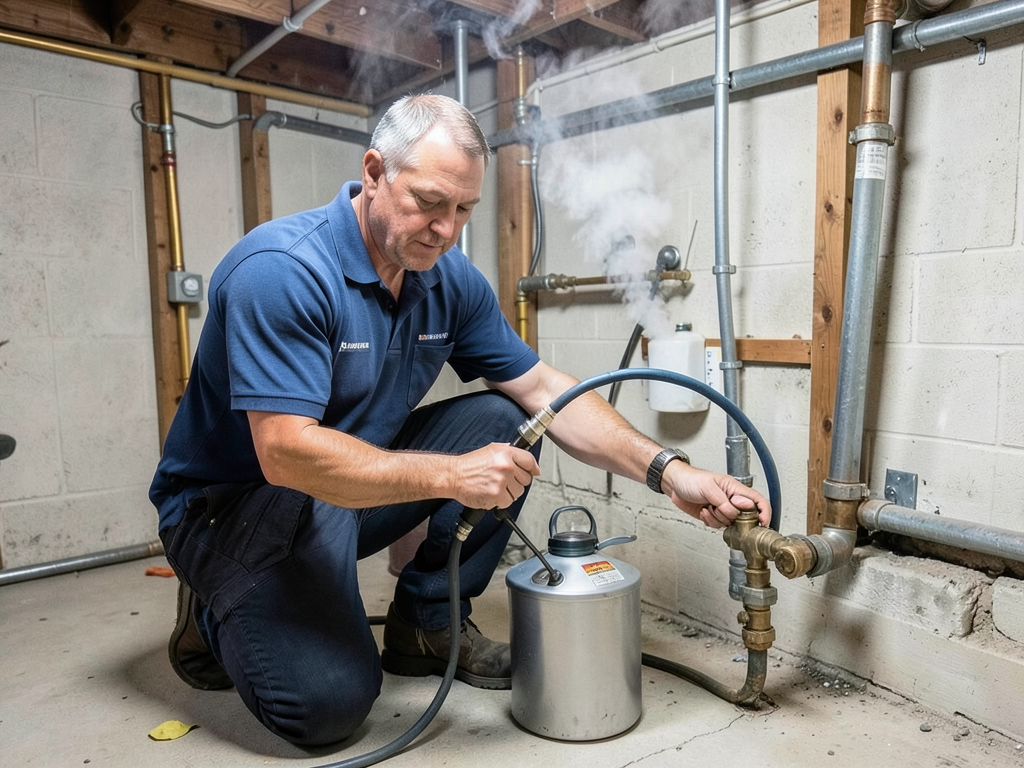
Professional diagnosis often involves a smoke test where non-toxic smoke gets pumped into the plumbing system. Where smoke escapes indicates the exact location of cracks or breaches in the system.
Columbus-Specific Plumbing Considerations
Central Ohio’s climate creates unique plumbing challenges. Our freeze-thaw cycles cause pipe expansion and contraction that can crack trap seals. The region’s high humidity in summer affects basement floor drains differently than in drier climates.
Many homes in German Village and Olde Towne East were built before modern plumbing codes required proper venting. These properties often have hidden issues that cause chronic sewer gas problems. Keep Your German Village Basement Dry with a Better Sump Pump System.
According to the Franklin County Department of Health, homes built before 1970 should have their plumbing systems inspected every 5 years for code compliance and safety. Franklin County Department of Health.
Prevention Tips for Columbus Homeowners
Regular maintenance prevents most dry trap and sewer gas issues:
- Run water in unused fixtures weekly during winter months
- Install trap primers on floor drains in finished basements
- Check roof vents annually for bird nests or debris
- Clean drains with enzyme-based cleaners monthly to prevent buildup
- Schedule professional plumbing inspections every 2-3 years
Safety First: Emergency Response
If you suspect high levels of sewer gas:
- Open windows and doors immediately
- Evacuate the area if anyone feels ill
- Avoid using electrical switches or creating sparks
- Call First Choice Plumbing at (614) 707-7373 for emergency service
- Contact the Columbus Fire Department if you smell gas and suspect a leak
Remember: methane is explosive at certain concentrations. Never ignore persistent sewer gas odors.
Frequently Asked Questions
How long does it take for a trap to dry out?
Unused traps can dry in 2-4 weeks depending on humidity, temperature, and trap depth. Floor drains in unconditioned basements dry faster than sink traps in heated spaces.
Can I use bleach to eliminate sewer gas odors?
No. Bleach can damage plumbing seals and create dangerous chemical reactions. Use enzyme cleaners instead for safe odor elimination.
How much does professional sewer gas diagnosis cost?
Smoke testing typically costs $150-300 in Columbus. This investment often prevents thousands in damage from undetected plumbing failures.
Take Action Today
Don’t let that strange smell become a serious health hazard. If you’ve tried the DIY steps and still notice odors, call First Choice Plumbing at (614) 707-7373. Our licensed plumbers serve all of Columbus including Dublin, Hilliard, and surrounding suburbs with 24/7 emergency service. Finding an Emergency Plumber in Columbus Who Can Actually Show Up Today.
Pick up the phone and call (614) 707-7373 today to schedule your inspection. Your family’s safety is worth the call.
Need immediate help? Call (614) 707-7373 now. We’re ready to solve your sewer gas problems quickly and permanently.
You may also find this helpful. What Obetz Homeowners Need to Know About Switching from Septic to City Sewer.
You may also find this helpful. Installing a Safe Gas Line for Your New Fireplace or Log Set in Grove City.
You may also find this helpful. Heavy Duty Garbage Disposals for High Traffic Rental Units in the University District.
{
“@context”: “https://schema.org”,
“@type”: “BlogPosting”,
“headline”: “How to Tell if That Strange Smell is Sewer Gas or Just a Dry Drain Trap”,
“description”: “Identify whether that foul odor comes from a simple dry trap or dangerous sewer gas. Learn quick tests and when to call for emergency plumbing help in Columbus.”,
“wordCount”: 1086,
“datePublished”: “2026-04-04T10:54:00.000Z”,
“dateModified”: “2026-04-04T10:54:00.000Z”,
“inLanguage”: “en-US”,
“mainEntityOfPage”: {
“@type”: “WebPage”,
“@id”: “https://firstchoiceplumbingcolumbus.com”
},
“publisher”: {
“@type”: “LocalBusiness”,
“name”: “First Choice Plumbing Columbus”,
“url”: “https://firstchoiceplumbingcolumbus.com”
},
“author”: {
“@type”: “Organization”,
“name”: “First Choice Plumbing Columbus”,
“url”: “https://firstchoiceplumbingcolumbus.com”
},
“image”: {
“@type”: “ImageObject”,
“url”: “https://firstchoiceplumbingcolumbus.com/wp-content/uploads/2026/03/how-to-tell-if-that-strange-smell-is-sewer-gas-or-1.png”
}
}
{
“@context”: “https://schema.org”,
“@type”: “Plumber”,
“name”: “First Choice Plumbing Columbus”,
“url”: “https://firstchoiceplumbingcolumbus.com”,
“address”: {
“@type”: “PostalAddress”,
“addressLocality”: “Columbus”
},
“areaServed”: {
“@type”: “City”,
“name”: “Columbus”
}
}
{
“@context”: “https://schema.org”,
“@type”: “FAQPage”,
“mainEntity”: [
{
“@type”: “Question”,
“name”: “What is a P-Trap and How Does it Work?”,
“acceptedAnswer”: {
“@type”: “Answer”,
“text”: “Every drain in your home has a P-trap – that U-shaped pipe under your sink. This trap holds water creating a seal that blocks sewer gases from rising into your living space. The water barrier typically measures two to four inches deep and acts as a one-way valve for waste while preventing gases from escaping. Your Best Options for Fast Water Heater Replacement in Dublin.”
}
},
{
“@type”: “Question”,
“name”: “Is Sewer Gas Dangerous?”,
“acceptedAnswer”: {
“@type”: “Answer”,
“text”: “Sewer gas contains methane, hydrogen sulfide, ammonia, and carbon dioxide. While small amounts smell unpleasant, high concentrations pose serious risks:”
}
},
{
“@type”: “Question”,
“name”: “How long does it take for a trap to dry out?”,
“acceptedAnswer”: {
“@type”: “Answer”,
“text”: “Unused traps can dry in 2-4 weeks depending on humidity, temperature, and trap depth. Floor drains in unconditioned basements dry faster than sink traps in heated spaces.”
}
},
{
“@type”: “Question”,
“name”: “Can I use bleach to eliminate sewer gas odors?”,
“acceptedAnswer”: {
“@type”: “Answer”,
“text”: “No. Bleach can damage plumbing seals and create dangerous chemical reactions. Use enzyme cleaners instead for safe odor elimination.”
}
},
{
“@type”: “Question”,
“name”: “How much does professional sewer gas diagnosis cost?”,
“acceptedAnswer”: {
“@type”: “Answer”,
“text”: “Smoke testing typically costs $150-300 in Columbus. This investment often prevents thousands in damage from undetected plumbing failures.”
}
}
]
}
{
“@context”: “https://schema.org”,
“@type”: “HowTo”,
“name”: “How to Test for Dry Traps”,
“step”: [
{
“@type”: “HowToStep”,
“position”: 1,
“name”: “Visual Inspection”,
“text”: “Shine a flashlight into drains. If you see standing water, the trap likely works fine. No water visible suggests a dry trap. Water Heater Maintenance Tips.”
},
{
“@type”: “HowToStep”,
“position”: 2,
“name”: “Water Test”,
“text”: “Pour 1-2 quarts of water down suspect drains. Wait 30 minutes and check for the odor returning. If it disappears, you had a dry trap.”
},
{
“@type”: “HowToStep”,
“position”: 3,
“name”: “Mineral Oil Trick”,
“text”: “For seasonal properties or rarely used fixtures, add a tablespoon of mineral oil after refilling the trap. The oil creates a surface barrier that slows evaporation by up to 90%.”
},
{
“@type”: “HowToStep”,
“position”: 4,
“name”: “Floor Drain Primer Check”,
“text”: “Many Columbus basements built after 1980 have floor drain primers that automatically add water. If your primer isn’t working, the trap will eventually dry out.”
}
],
“image”: “https://firstchoiceplumbingcolumbus.com/wp-content/uploads/2026/03/how-to-tell-if-that-strange-smell-is-sewer-gas-or-1.png”
}
{
“@context”: “https://schema.org”,
“@type”: “BreadcrumbList”,
“itemListElement”: [
{
“@type”: “ListItem”,
“position”: 1,
“name”: “Home”,
“item”: “https://firstchoiceplumbingcolumbus.com”
},
{
“@type”: “ListItem”,
“position”: 2,
“name”: “Blog”,
“item”: “https://firstchoiceplumbingcolumbus.com/blog”
},
{
“@type”: “ListItem”,
“position”: 3,
“name”: “How to Tell if That Strange Smell is Sewer Gas or Just a Dry Drain Trap”
}
]
}
{
“@context”: “https://schema.org”,
“@type”: “Service”,
“serviceType”: “Plumbing”,
“provider”: {
“@type”: “LocalBusiness”,
“name”: “First Choice Plumbing Columbus”,
“url”: “https://firstchoiceplumbingcolumbus.com”
},
“areaServed”: {
“@type”: “City”,
“name”: “Columbus”
},
“description”: “Identify whether that foul odor comes from a simple dry trap or dangerous sewer gas. Learn quick tests and when to call for emergency plumbing help in Columbus.”
}