
How to Move a Bathroom in Your Schumacher Place Home Without Breaking the Bank on Plumbing Stacks
Moving a bathroom in your Schumacher Place home sounds simple until you realize it means cutting into a plumbing stack. That vertical pipe carries waste from every floor and ties directly to the city sewer. In older Columbus homes built before the 1950s, these stacks are often cast iron and hidden inside walls near the kitchen or bathroom. If you want to relocate a bathroom without breaking the bank, you need to understand the stack’s role, the cost of moving it, and how to do it without damaging your home’s structure. City of Columbus Building and Zoning Services.
Why Moving a Plumbing Stack Is More Than Just Rerouting Pipes
A plumbing stack is the main vertical drain-waste-vent (DWV) pipe that runs from your roof to the sewer. It handles waste from toilets, sinks, and tubs while also venting sewer gases to the outside. In Schumacher Place, many homes have a central stack running up through the middle of the house. Moving it means cutting into load-bearing walls, rerouting heavy cast iron or PVC, and maintaining proper slope so waste flows downhill at the required 1/4 inch per foot.
If you skip any of these steps, you risk sewer backups, leaks, or even structural damage. That is why the City of Columbus requires a plumbing permit and inspection for any stack relocation. The permit ensures the work meets Ohio Plumbing Code (OPC) Chapter 31 and local building safety standards. Ohio Plumbing Code Chapter 31.
Common Scenarios That Require Moving a Stack in Schumacher Place
Homeowners in Schumacher Place often want to move a stack for these reasons:
- Open-concept kitchen remodels that eliminate the wall where the stack runs
- Basement bathroom additions that need a new waste line connection
- Upstairs bathroom relocations to create a master suite
- Adding a second floor where the old stack no longer reaches the roof
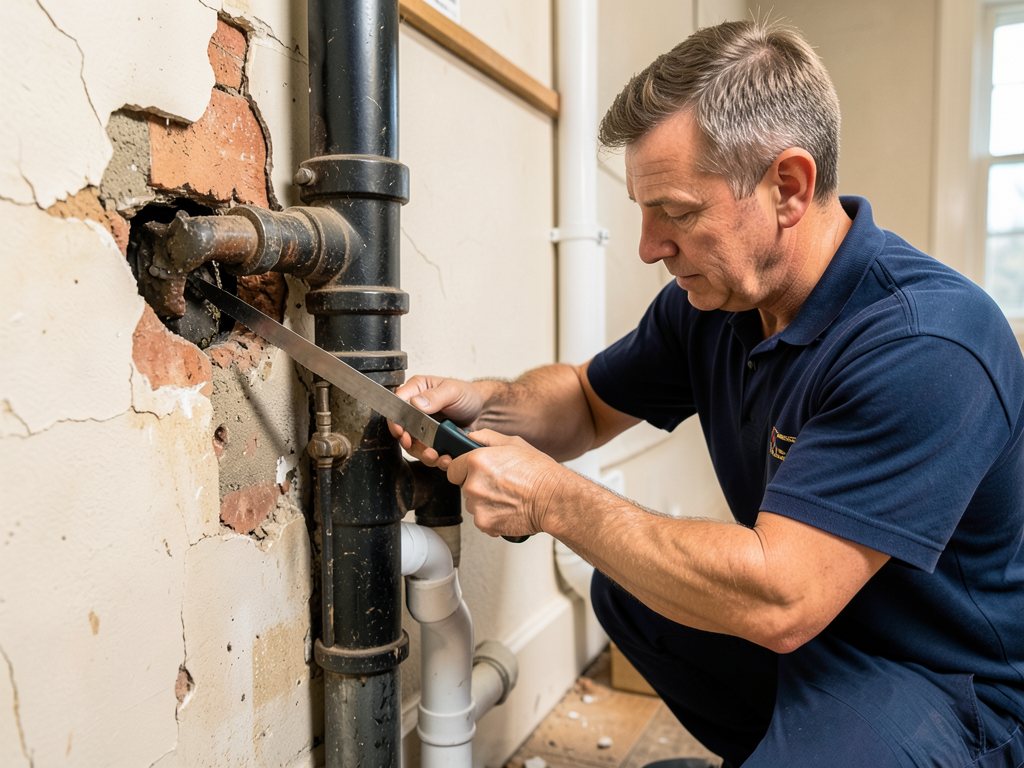
Each scenario has its own challenges. For example, in a 1920s bungalow, the stack might be cast iron with lead joints that require special cutting tools. In a 1950s ranch, it could be PVC but still run through a load-bearing wall that supports the second floor.
Cost Breakdown for Moving a Plumbing Stack in Central Ohio
The cost to move a plumbing stack in Columbus typically ranges from $2,500 to $5,000 or more, depending on the complexity. Here is what drives the price:
| Cost Factor | Low End | High End |
|---|---|---|
| Labor (plumber + helper) | $1,200 | $2,800 |
| Materials (pipe, fittings, supports) | $400 | $900 |
| City of Columbus plumbing permit | $75 | $150 |
| Structural work (framing, drywall repair) | $300 | $1,200 |
| Roof flashing and vent cap | $100 | $250 |
The biggest variable is whether you need to cut into a load-bearing wall. That can double the labor time and require a structural engineer’s sign-off. If your stack is cast iron, expect higher labor costs because cutting and joining cast iron takes more time and specialized tools.
Columbus Building Codes and Permit Requirements
The City of Columbus Department of Building and Zoning Services (BZS) requires a plumbing permit for any work that alters the main waste stack. You must submit detailed plans showing the new pipe route, fixture locations, and how you will maintain the required slope. Inspections happen at rough-in and final stages.
Key code requirements include:
- OPC Chapter 31: Minimum 3-inch diameter for toilet waste; 2-inch for other fixtures
- Slope: 1/4 inch per foot for horizontal runs (OPC 701.2)
- Venting: Every fixture must tie into a vent stack; no dry venting allowed in new work
- Cleanouts: Accessible cleanouts every 100 feet and at direction changes
Skipping the permit can cost you more later. Unpermitted work can void your homeowners insurance, lower your home’s resale value, and force you to tear out the work if you sell.
Step-by-Step Process for Relocating a Plumbing Stack
Here is how a licensed plumber in Columbus handles a stack relocation:
- Assess the Existing System
Locate the main stack, check its material (cast iron vs. PVC), and confirm if it runs through a load-bearing wall. Use a stud finder and moisture meter to map the route.
- Design the New Route
Plan a path that maintains the 1/4 inch per foot slope. Avoid sharp bends; use long-sweep fittings instead of 90-degree elbows.
- Obtain Permits
File the plumbing permit with the City of Columbus BZS. Include engineered drawings if cutting into a load-bearing wall.
- Cut and Cap the Old Stack
Turn off water, cut the old stack, and cap it below the highest fixture. Use proper transition fittings if mixing materials. Your Best Options for Fast Water Heater Replacement in Dublin.
- Install the New Stack
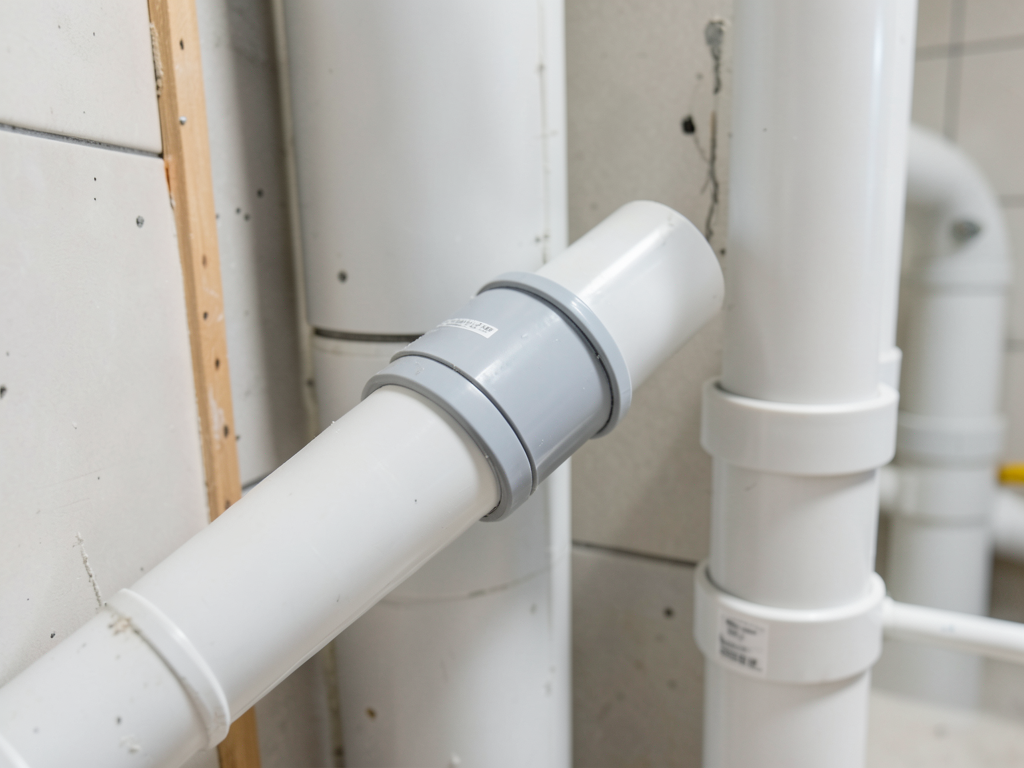
Run the new pipe, secure it to joists every 4 feet, and tie in all fixtures. Maintain vent connections to the roof.
- Pressure Test and Inspect
Fill the system with water or air to check for leaks. Schedule the rough-in inspection with the city. Water Heater Maintenance Tips.
- Close Up Walls and Final Inspection
Repair drywall, paint, and pass the final inspection before covering any work.
Structural Considerations for Older Schumacher Place Homes
Many Schumacher Place homes are historic brick structures with balloon framing. Cutting into a load-bearing wall here means more than just patching drywall. You may need to install a temporary support wall, add a header beam, or even consult a structural engineer. The age of the home also affects pipe material. Homes built before 1970 often have cast iron stacks that are heavier and harder to cut than modern PVC.
Another factor is the foundation. In areas near Schiller Park, the soil can shift slightly with seasonal moisture changes. That means any new plumbing must be anchored to prevent movement over time.
DIY vs. Professional: Why This Is Not a Weekend Project
Some homeowners think they can save money by doing the demolition and hiring a plumber only for the pipe work. That rarely works out. Here is why:
- Permits: Only a licensed plumber can pull a plumbing permit in Columbus.
- Code compliance: A single wrong fitting or slope can cause backups that cost thousands to fix.
- Structural risk: Cutting the wrong joist or removing a load-bearing wall can compromise your home’s safety.
- Resale value: Unpermitted work can delay or kill a home sale.
The cost of a mistake far outweighs the savings from skipping a professional. Professional Main Line Cleaning Services for Busy Gahanna Households.
How to Save Money Without Cutting Corners
You can reduce the cost of moving a stack by planning smart:. Read more about Planning a 2026 Master Suite Addition in Ridgedale Park with Smarter Plumbing.
- Work with the existing layout: Keep the new bathroom close to the old one to minimize pipe length.
- Choose the right material: PVC is cheaper and easier to work with than cast iron.
- Bundle projects: If you are already remodeling, do the plumbing work at the same time to avoid multiple permits and inspections.
- Get multiple quotes: Ask for a line-item estimate so you can see where the money goes.
Never sacrifice code compliance or quality to save a few hundred dollars. A failed inspection or a leak can cost far more in the long run.
Frequently Asked Questions
How long does it take to move a plumbing stack?
Most stack relocations take 2 to 4 days, including demolition, pipe installation, inspections, and wall repair. Complex jobs with structural work can take a week or more.
Can I move just the vent stack and leave the waste pipe?
No. In Columbus, the vent and waste must stay connected. You cannot separate them without rerouting the entire system.
Will my water be off during the work?
Yes, but only for short periods. A plumber will isolate the work area so you still have water to the rest of the house. Water Stains on Ceiling or Walls.
Do I need a permit if I am just extending the stack upstairs?
Yes. Any change to the main waste stack requires a plumbing permit and inspection, even if you are just extending it.
Call First Choice Plumbing Columbus Before You Cut Into That Wall
Moving a bathroom in your Schumacher Place home is a big investment. The right plumber can save you thousands by planning the job correctly, pulling the proper permits, and avoiding costly mistakes. At First Choice Plumbing Columbus, we have handled stack relocations in historic homes across Central Ohio for over 15 years. We know the local codes, the common pitfalls, and how to keep your project on budget.
Call (614) 707-7373 today to schedule your inspection and get a detailed estimate. Do not let a simple remodel turn into a plumbing nightmare.
You may also find this helpful. Stopping the Sweating and Condensation on Your Toilet Tank During a Humid Ohio Summer.
{
“@context”: “https://schema.org”,
“@type”: “BlogPosting”,
“headline”: “How to Move a Bathroom in Your Schumacher Place Home Without Breaking the Bank on Plumbing Stacks”,
“description”: “Learn the real costs, Columbus codes, and step-by-step process for relocating plumbing stacks in Schumacher Place homes. Expert advice from First Choice Plumbing Columbus.”,
“wordCount”: 1432,
“datePublished”: “2026-06-01T08:35:00.000Z”,
“dateModified”: “2026-06-01T08:35:00.000Z”,
“inLanguage”: “en-US”,
“mainEntityOfPage”: {
“@type”: “WebPage”,
“@id”: “https://firstchoiceplumbingcolumbus.com”
},
“publisher”: {
“@type”: “LocalBusiness”,
“name”: “First Choice Plumbing Columbus”,
“url”: “https://firstchoiceplumbingcolumbus.com”
},
“author”: {
“@type”: “Organization”,
“name”: “First Choice Plumbing Columbus”,
“url”: “https://firstchoiceplumbingcolumbus.com”
},
“image”: {
“@type”: “ImageObject”,
“url”: “https://firstchoiceplumbingcolumbus.com/wp-content/uploads/2026/03/how-to-move-a-bathroom-in-your-schumacher-place-ho-1.png”
}
}
{
“@context”: “https://schema.org”,
“@type”: “Plumber”,
“name”: “First Choice Plumbing Columbus”,
“url”: “https://firstchoiceplumbingcolumbus.com”,
“address”: {
“@type”: “PostalAddress”,
“addressLocality”: “Columbus”
},
“areaServed”: {
“@type”: “City”,
“name”: “Columbus”
}
}
{
“@context”: “https://schema.org”,
“@type”: “FAQPage”,
“mainEntity”: [
{
“@type”: “Question”,
“name”: “How long does it take to move a plumbing stack?”,
“acceptedAnswer”: {
“@type”: “Answer”,
“text”: “Most stack relocations take 2 to 4 days, including demolition, pipe installation, inspections, and wall repair. Complex jobs with structural work can take a week or more.”
}
},
{
“@type”: “Question”,
“name”: “Can I move just the vent stack and leave the waste pipe?”,
“acceptedAnswer”: {
“@type”: “Answer”,
“text”: “No. In Columbus, the vent and waste must stay connected. You cannot separate them without rerouting the entire system.”
}
},
{
“@type”: “Question”,
“name”: “Will my water be off during the work?”,
“acceptedAnswer”: {
“@type”: “Answer”,
“text”: “Yes, but only for short periods. A plumber will isolate the work area so you still have water to the rest of the house. Water Stains on Ceiling or Walls.”
}
},
{
“@type”: “Question”,
“name”: “Do I need a permit if I am just extending the stack upstairs?”,
“acceptedAnswer”: {
“@type”: “Answer”,
“text”: “Yes. Any change to the main waste stack requires a plumbing permit and inspection, even if you are just extending it.”
}
}
]
}
{
“@context”: “https://schema.org”,
“@type”: “HowTo”,
“name”: “How to Relocate a Plumbing Stack”,
“step”: [
{
“@type”: “HowToStep”,
“position”: 1,
“name”: “Assess the Existing System”,
“text”: “Locate the main stack, check its material (cast iron vs. PVC), and confirm if it runs through a load-bearing wall. Use a stud finder and moisture meter to map the route.”
},
{
“@type”: “HowToStep”,
“position”: 2,
“name”: “Design the New Route”,
“text”: “Plan a path that maintains the 1/4 inch per foot slope. Avoid sharp bends; use long-sweep fittings instead of 90-degree elbows.”
},
{
“@type”: “HowToStep”,
“position”: 3,
“name”: “Obtain Permits”,
“text”: “File the plumbing permit with the City of Columbus BZS. Include engineered drawings if cutting into a load-bearing wall.”
},
{
“@type”: “HowToStep”,
“position”: 4,
“name”: “Cut and Cap the Old Stack”,
“text”: “Turn off water, cut the old stack, and cap it below the highest fixture. Use proper transition fittings if mixing materials. Your Best Options for Fast Water Heater Replacement in Dublin.”
},
{
“@type”: “HowToStep”,
“position”: 5,
“name”: “Install the New Stack”,
“text”: “Run the new pipe, secure it to joists every 4 feet, and tie in all fixtures. Maintain vent connections to the roof.”
},
{
“@type”: “HowToStep”,
“position”: 6,
“name”: “Pressure Test and Inspect”,
“text”: “Fill the system with water or air to check for leaks. Schedule the rough-in inspection with the city. Water Heater Maintenance Tips.”
},
{
“@type”: “HowToStep”,
“position”: 7,
“name”: “Close Up Walls and Final Inspection”,
“text”: “Repair drywall, paint, and pass the final inspection before covering any work.”
}
],
“image”: “https://firstchoiceplumbingcolumbus.com/wp-content/uploads/2026/03/how-to-move-a-bathroom-in-your-schumacher-place-ho-1.png”
}
{
“@context”: “https://schema.org”,
“@type”: “BreadcrumbList”,
“itemListElement”: [
{
“@type”: “ListItem”,
“position”: 1,
“name”: “Home”,
“item”: “https://firstchoiceplumbingcolumbus.com”
},
{
“@type”: “ListItem”,
“position”: 2,
“name”: “Blog”,
“item”: “https://firstchoiceplumbingcolumbus.com/blog”
},
{
“@type”: “ListItem”,
“position”: 3,
“name”: “How to Move a Bathroom in Your Schumacher Place Home Without Breaking the Bank on Plumbing Stacks”
}
]
}
{
“@context”: “https://schema.org”,
“@type”: “Service”,
“serviceType”: “Plumbing”,
“provider”: {
“@type”: “LocalBusiness”,
“name”: “First Choice Plumbing Columbus”,
“url”: “https://firstchoiceplumbingcolumbus.com”
},
“areaServed”: {
“@type”: “City”,
“name”: “Columbus”
},
“description”: “Learn the real costs, Columbus codes, and step-by-step process for relocating plumbing stacks in Schumacher Place homes. Expert advice from First Choice Plumbing Columbus.”
}