How to Choose the Best High Efficiency Toilet for Your Canal Winchester Bathroom
Choosing the right high-efficiency toilet means understanding both water conservation technology and the specific plumbing challenges in Central Ohio. Canal Winchester homes built before 2006 often have older plumbing systems that struggle with modern low-flow fixtures, making proper selection critical for both performance and water savings. Your Best Options for Fast Water Heater Replacement in Dublin.
High-efficiency toilets use 1.28 gallons per flush or less compared to the 3.5 to 7 gallons of older models. In Franklin County where water rates average $4.50 per 1,000 gallons, a family of four can save over 13,000 gallons annually by upgrading. The key is finding a model that balances water savings with reliable flushing power for Ohio’s hard water conditions. Finding an Emergency Plumber in Columbus Who Can Actually Show Up Today.
Understanding WaterSense Certification and Local Rebates
WaterSense certified toilets meet EPA criteria for water efficiency and flushing performance. In Canal Winchester, the City of Columbus Department of Public Utilities offers rebates up to $50 for replacing older toilets with WaterSense models. These rebates apply to homes within the Columbus water service area, which includes most of eastern Franklin County. EPA WaterSense program.
The rebate program requires proof of old toilet removal and installation of a WaterSense labeled fixture. Models must use 1.28 gallons per flush or less while meeting MaP (Maximum Performance) scores of at least 350 grams. This ensures the toilet can handle waste effectively without multiple flushes. Water Heater Maintenance Tips.
Comparing Flush Technologies for Central Ohio Homes
Gravity-fed toilets remain the most common choice for Canal Winchester bathrooms. These models use water weight and trapway design to create siphoning action. They work well with the 3-inch to 4-inch drain lines typical in homes built after 1980 in the area.
Pressure-assisted toilets use compressed air to force water through the bowl at higher velocity. While more powerful, they can be noisy and may not be suitable for older homes with 2-inch drain lines common in Canal Winchester’s historic districts. The pressure tanks also require more maintenance in areas with hard water. City of Columbus Department of Public Utilities.
Dual-flush technology offers separate flush volumes for liquid and solid waste. This can save additional water but requires user education and may have slightly higher failure rates due to the more complex internal mechanisms. In homes with children or elderly residents, the single-flush simplicity often proves more practical.
Evaluating Bowl Shapes and Rough-In Dimensions
Toilet bowls come in elongated and round-front designs. Elongated bowls provide more seating comfort but require additional floor space. Most Canal Winchester bathrooms built after 1990 accommodate elongated models, while older homes may need round-front toilets to fit within existing clearances.
Rough-in dimensions determine how far the toilet’s waste outlet aligns with the floor drain. Standard rough-ins measure 12 inches, but older Canal Winchester homes may have 10-inch or 14-inch configurations. Measuring from the finished wall to the center of the floor bolts ensures proper fit and prevents costly returns.
Height options include standard (15 inches) and comfort height (17 to 19 inches). Comfort height models comply with ADA guidelines and prove easier for seniors to use. However, they may not suit shorter adults or children as comfortably.
Top High-Efficiency Models for Canal Winchester Conditions
Toto Drake II remains a favorite among local plumbers for its proven reliability in Ohio’s hard water. The 1.28 GPF model consistently scores above 1,000 on MaP tests and features a large 2-⅛ inch trapway that resists clogging. Its Sanagloss ceramic glaze helps prevent mineral buildup common in Central Ohio.
Kohler Cimarron offers excellent value with its Class Five flushing technology. The 1.28 GPF version handles waste effectively while maintaining quiet operation. Its straightforward design means fewer parts to fail in areas with high mineral content.
American Standard Champion 4 provides commercial-grade performance in a residential package. The 2-⅜ inch trapway and 4-inch piston action flush handle even the toughest waste loads. This model particularly suits larger households or homes with frequent guests.
Hard Water Considerations for Central Ohio
Franklin County’s water contains 12 to 15 grains per gallon of hardness minerals. These calcium and magnesium deposits accumulate in toilet fill valves and flappers, causing premature failure. High-efficiency toilets with all-brass fill valves and chlorine-resistant flappers last significantly longer in these conditions.
Look for models with exposed mounting hardware that allows easy access for cleaning mineral deposits. Some manufacturers offer specialized hard water kits with upgraded internal components. These typically cost $20 to $40 more but extend toilet life by several years. Professional Main Line Cleaning Services for Busy Gahanna Households.
Annual maintenance includes checking the fill valve for proper operation and cleaning the rim jets to maintain flushing power. Homes with water softeners may experience different issues, as the sodium ions can affect rubber components over time.
Installation Requirements and Building Code Compliance
Ohio Residential Code Section P-2903 mandates proper toilet installation including secure anchoring, adequate floor support, and correct venting. The code requires toilets to be firmly attached to the floor with no rocking motion that could damage the wax seal.
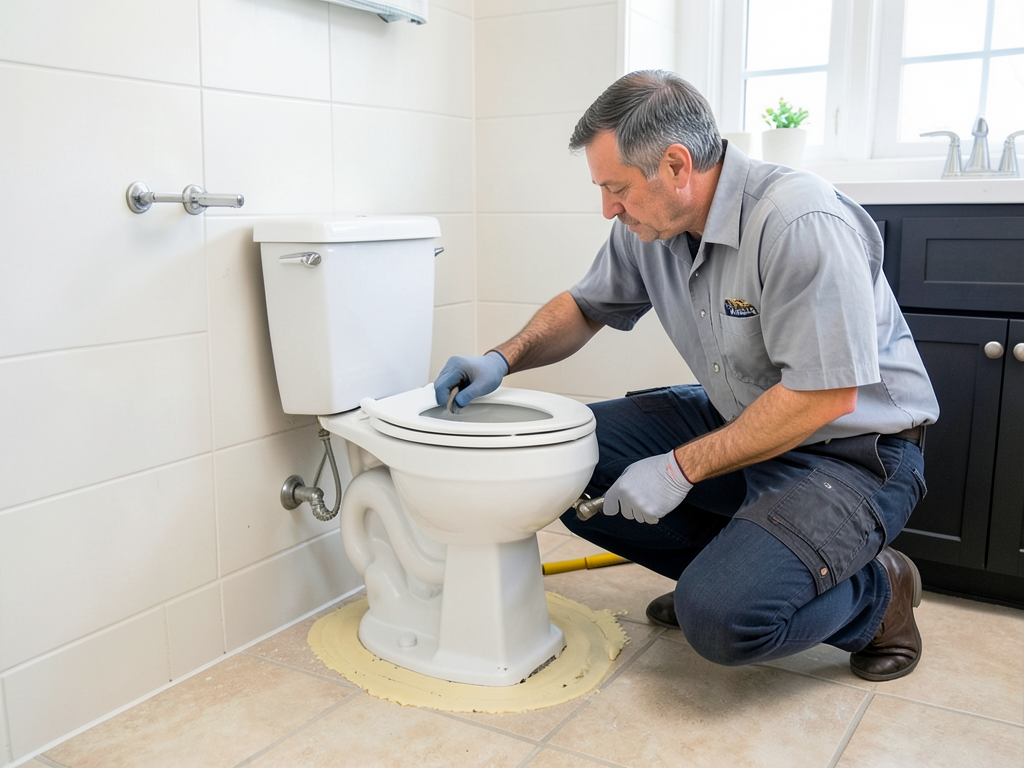
Proper wax ring selection proves crucial for leak prevention. Standard rings work for most applications, but extra-thick rings or reinforced seals may be necessary when the toilet sits slightly above the finished floor level. Some older Canal Winchester homes have uneven subfloors that complicate installation.. Read more about How to Select Modern Kitchen Faucets That Will Actually Last in Pickerington.
Water supply connections must include a shut-off valve within 12 inches of the fixture. Flexible supply lines offer easier installation but may have shorter lifespans than solid copper tubing in areas with aggressive water chemistry.
Cost Analysis and Total Ownership Value
High-efficiency toilet prices range from $150 to $600 for the fixture alone. Installation costs in Canal Winchester typically add $150 to $300, depending on whether plumbing modifications are needed. Homes requiring drain line replacement or floor repair will see higher costs.
Annual water savings for a family of four replacing a 3.5 GPF toilet with a 1.28 GPF model average $80 to $120. The WaterSense rebate covers up to $50, reducing the payback period to 2 to 3 years in most cases.
Factoring in reduced maintenance and the environmental benefit of conserving 13,000+ gallons annually makes high-efficiency toilets a sound investment for most Canal Winchester homeowners.
Professional Installation vs. DIY Considerations
DIY installation saves labor costs but requires proper tools and plumbing knowledge. Mistakes like overtightening bolts or using incorrect wax rings lead to leaks that damage flooring and create mold conditions. Professional plumbers guarantee their work and handle any unexpected issues like corroded supply lines or uneven floors.
Professional installation includes proper disposal of the old toilet, which cannot go in regular trash due to porcelain content. Many local waste facilities charge $15 to $25 for toilet disposal. Licensed plumbers handle this as part of their service.
Warranty coverage often requires professional installation. Some manufacturers void warranties if fixtures aren’t installed by licensed professionals, particularly for commercial-grade models.
Maintenance Tips for Long-Term Performance
Regular cleaning prevents mineral buildup that reduces flushing efficiency. Avoid harsh chemical cleaners that can damage internal components. Instead, use mild detergents and occasional vinegar treatments to dissolve mineral deposits.
Check the toilet’s internal components annually. Fill valves typically last 5 to 7 years in hard water areas. Replace flappers every 2 to 3 years to prevent water waste from slow leaks. A leaking flapper can waste 200 gallons daily without visible signs.
Listen for unusual sounds during tank refill. Gurgling or hissing indicates potential fill valve problems. Address these issues promptly to prevent water waste and maintain proper bowl water levels.
Environmental Impact and Water Conservation
High-efficiency toilets contribute significantly to regional water conservation efforts. The City of Columbus estimates that replacing all pre-1994 toilets could save 1.2 billion gallons annually across Franklin County. This reduction helps delay expensive infrastructure expansions and protects the Scioto River watershed.
Beyond water savings, high-efficiency toilets reduce the energy required to pump and treat water. Each gallon saved represents approximately 0.004 kilowatt-hours of energy not consumed at the treatment plant.
Modern manufacturing processes also use less water and energy than older toilet production methods, further reducing the environmental footprint of replacement.
Common Installation Mistakes to Avoid
Overlooking floor leveling causes toilets to rock, breaking wax seals over time. Use shims and construction adhesive to create a stable base before final installation. Never rely on caulk alone to secure a toilet.
Incorrect supply line length creates stress on connections. Measure carefully and use lines with adequate slack to accommodate floor movement without kinking. Kinked lines reduce water flow and can burst under pressure.
Skipping the tank-to-bowl gasket leads to leaks between components. Always replace this gasket even if the old one appears intact. The rubber degrades over time and may not seal properly with a new tank.
Future Trends in Toilet Technology
Smart toilets with integrated bidet functions are gaining popularity in Central Ohio. These models use approximately 0.1 gallons per minute for cleaning functions while maintaining 1.28 GPF flushing. Initial costs range from $400 to $1,500 but offer enhanced hygiene and potential toilet paper savings.
Pressure-assisted models continue improving with quieter operation and more reliable components. Some newer designs use air-assisted technology that activates only during flushing, reducing the constant pressure that can cause premature component failure.
Water recycling systems that capture sink water for toilet flushing represent the next frontier. While not yet common in residential applications, these systems can reduce household water consumption by an additional 20% to 30%.
Frequently Asked Questions
How do I know if my current toilet is wasting water?
Check the manufacturing date inside the tank lid. Toilets made before 1994 likely use 3.5 gallons or more per flush. You can also test for leaks by adding food coloring to the tank and checking if it appears in the bowl after 30 minutes without flushing.
Will a high-efficiency toilet clog more often?
Quality high-efficiency toilets with MaP scores above 1,000 rarely clog when properly installed. Models with larger trapways (2-⅛ inches or more) handle waste effectively. Proper use and avoiding flushing inappropriate items prevent most clogging issues.
How long does installation typically take?
Professional installation usually takes 1 to 2 hours for straightforward replacements. Complex installations involving drain line modifications or floor repairs may require 4 to 6 hours. Most plumbers can complete the job in a single visit.
Are there any tax benefits for installing water-efficient fixtures?
Ohio does not offer state tax credits for water-efficient fixtures, but the City of Columbus provides rebates up to $50 per toilet. Some homeowners may qualify for federal energy tax credits when installing comprehensive water conservation systems as part of larger home improvements.
What’s the difference between comfort height and standard height toilets?
Comfort height toilets sit 17 to 19 inches from the floor to the seat top, compared to 15 inches for standard height. This additional height makes sitting down and standing up easier for most adults, particularly those with mobility issues. The difference equals the height of a typical dining chair versus a dining table chair.
How do I maintain my high-efficiency toilet in hard water areas?
Clean rim jets monthly with vinegar to prevent mineral buildup. Replace flappers every 2 to 3 years and fill valves every 5 to 7 years. Consider installing a whole-house water softener if hardness exceeds 10 grains per gallon to extend the life of all plumbing fixtures. Whole Home Repiping.
Ready to Upgrade Your Canal Winchester Bathroom?
Selecting the right high-efficiency toilet involves balancing water savings, performance, and local plumbing conditions. With proper selection and professional installation, you can reduce your water bills while ensuring reliable operation for years to come.
Call (614) 707-7373 today to schedule your free consultation. Our licensed plumbers will assess your current setup, recommend the best models for your home, and handle installation with our satisfaction guarantee. Don’t wait until that old toilet starts causing problems – upgrade now and start saving water and money immediately.
{
“@context”: “https://schema.org”,
“@type”: “BlogPosting”,
“headline”: “How to Choose the Best High Efficiency Toilet for Your Canal Winchester Bathroom”,
“description”: “Discover expert tips for selecting the perfect high-efficiency toilet for your Canal Winchester home. Learn about WaterSense ratings, rebates, and installation from local pros.”,
“wordCount”: 2001,
“datePublished”: “2026-03-10T08:26:00.000Z”,
“dateModified”: “2026-03-10T08:26:00.000Z”,
“inLanguage”: “en-US”,
“mainEntityOfPage”: {
“@type”: “WebPage”,
“@id”: “https://firstchoiceplumbingcolumbus.com”
},
“publisher”: {
“@type”: “LocalBusiness”,
“name”: “First Choice Plumbing Columbus”,
“url”: “https://firstchoiceplumbingcolumbus.com”
},
“author”: {
“@type”: “Organization”,
“name”: “First Choice Plumbing Columbus”,
“url”: “https://firstchoiceplumbingcolumbus.com”
},
“image”: {
“@type”: “ImageObject”,
“url”: “https://firstchoiceplumbingcolumbus.com/wp-content/uploads/2026/03/how-to-choose-the-best-high-efficiency-toilet-for-1.png”
}
}
{
“@context”: “https://schema.org”,
“@type”: “Plumber”,
“name”: “First Choice Plumbing Columbus”,
“url”: “https://firstchoiceplumbingcolumbus.com”,
“address”: {
“@type”: “PostalAddress”,
“addressLocality”: “Columbus”
},
“areaServed”: {
“@type”: “City”,
“name”: “Columbus”
}
}
{
“@context”: “https://schema.org”,
“@type”: “FAQPage”,
“mainEntity”: [
{
“@type”: “Question”,
“name”: “How do I know if my current toilet is wasting water?”,
“acceptedAnswer”: {
“@type”: “Answer”,
“text”: “Check the manufacturing date inside the tank lid. Toilets made before 1994 likely use 3.5 gallons or more per flush. You can also test for leaks by adding food coloring to the tank and checking if it appears in the bowl after 30 minutes without flushing.”
}
},
{
“@type”: “Question”,
“name”: “Will a high-efficiency toilet clog more often?”,
“acceptedAnswer”: {
“@type”: “Answer”,
“text”: “Quality high-efficiency toilets with MaP scores above 1,000 rarely clog when properly installed. Models with larger trapways (2-⅛ inches or more) handle waste effectively. Proper use and avoiding flushing inappropriate items prevent most clogging issues.”
}
},
{
“@type”: “Question”,
“name”: “How long does installation typically take?”,
“acceptedAnswer”: {
“@type”: “Answer”,
“text”: “Professional installation usually takes 1 to 2 hours for straightforward replacements. Complex installations involving drain line modifications or floor repairs may require 4 to 6 hours. Most plumbers can complete the job in a single visit.”
}
},
{
“@type”: “Question”,
“name”: “Are there any tax benefits for installing water-efficient fixtures?”,
“acceptedAnswer”: {
“@type”: “Answer”,
“text”: “Ohio does not offer state tax credits for water-efficient fixtures, but the City of Columbus provides rebates up to $50 per toilet. Some homeowners may qualify for federal energy tax credits when installing comprehensive water conservation systems as part of larger home improvements.”
}
},
{
“@type”: “Question”,
“name”: “What’s the difference between comfort height and standard height toilets?”,
“acceptedAnswer”: {
“@type”: “Answer”,
“text”: “Comfort height toilets sit 17 to 19 inches from the floor to the seat top, compared to 15 inches for standard height. This additional height makes sitting down and standing up easier for most adults, particularly those with mobility issues. The difference equals the height of a typical dining chair versus a dining table chair.”
}
},
{
“@type”: “Question”,
“name”: “How do I maintain my high-efficiency toilet in hard water areas?”,
“acceptedAnswer”: {
“@type”: “Answer”,
“text”: “Clean rim jets monthly with vinegar to prevent mineral buildup. Replace flappers every 2 to 3 years and fill valves every 5 to 7 years. Consider installing a whole-house water softener if hardness exceeds 10 grains per gallon to extend the life of all plumbing fixtures. Whole Home Repiping.”
}
},
{
“@type”: “Question”,
“name”: “Ready to Upgrade Your Canal Winchester Bathroom?”,
“acceptedAnswer”: {
“@type”: “Answer”,
“text”: “Selecting the right high-efficiency toilet involves balancing water savings, performance, and local plumbing conditions. With proper selection and professional installation, you can reduce your water bills while ensuring reliable operation for years to come.”
}
}
]
}
{
“@context”: “https://schema.org”,
“@type”: “BreadcrumbList”,
“itemListElement”: [
{
“@type”: “ListItem”,
“position”: 1,
“name”: “Home”,
“item”: “https://firstchoiceplumbingcolumbus.com”
},
{
“@type”: “ListItem”,
“position”: 2,
“name”: “Blog”,
“item”: “https://firstchoiceplumbingcolumbus.com/blog”
},
{
“@type”: “ListItem”,
“position”: 3,
“name”: “How to Choose the Best High Efficiency Toilet for Your Canal Winchester Bathroom”
}
]
}
{
“@context”: “https://schema.org”,
“@type”: “Service”,
“serviceType”: “Plumbing”,
“provider”: {
“@type”: “LocalBusiness”,
“name”: “First Choice Plumbing Columbus”,
“url”: “https://firstchoiceplumbingcolumbus.com”
},
“areaServed”: {
“@type”: “City”,
“name”: “Columbus”
},
“description”: “Discover expert tips for selecting the perfect high-efficiency toilet for your Canal Winchester home. Learn about WaterSense ratings, rebates, and installation from local pros.”
}