
Your Blacklick Estates well water smells like rotten eggs and you’re wondering if it’s safe or what’s causing it. That sulfur smell is hydrogen sulfide gas produced by bacteria in your well or water heater and it’s a common problem in Franklin County’s limestone aquifers. The good news is it’s usually fixable and we’ll show you exactly how to diagnose and treat it. Franklin County Public Health water testing.
Why Does Your Blacklick Estates Well Water Smell Like Sulfur?
The rotten egg smell in Blacklick Estates comes from hydrogen sulfide gas H2S which is produced when sulfur-reducing bacteria break down organic matter in groundwater. Franklin County’s limestone and shale geology creates perfect conditions for these bacteria which thrive in oxygen-poor environments deep underground. When you turn on your tap that gas escapes into the air creating that unmistakable sulfur odor. Your Best Options for Fast Water Heater Replacement in Dublin.
Many Blacklick Estates homes built in the 1960s and 1970s have galvanized steel plumbing that can actually contribute to the problem. As these pipes corrode they create more surface area for bacteria to grow and can even react with the water chemistry to produce additional sulfur compounds. Water Heater Maintenance Tips.
Common Causes of Sulfur Smell in Columbus Groundwater
Hydrogen sulfide gas can enter your water supply from several sources. The most common is naturally occurring sulfur-reducing bacteria in the aquifer. These bacteria are harmless but they produce H2S as a metabolic byproduct. Franklin County’s groundwater often contains elevated sulfur levels due to the region’s geological composition which includes limestone deposits and organic-rich shale layers. Water Stains on Ceiling or Walls.
Iron bacteria can also cause sulfur smells by creating a slimy biofilm in your well or plumbing system. This biofilm provides an ideal environment for sulfur-reducing bacteria to thrive. You might notice reddish-brown stains on fixtures or a slimy texture in toilet tanks if iron bacteria are present.. Read more about Exactly What to Do if You Smell Gas Near Your Water Heater in West Camp.
Sometimes the problem isn’t your well at all. Water heaters with magnesium anode rods can produce hydrogen sulfide gas through a chemical reaction between the rod and sulfate in the water. This is especially common in homes with hard water like those in Blacklick Estates where mineral content is naturally high.
The 3-Step Smell Test: Is it Your Well or Your Water Heater?
Before calling a plumber you can perform a simple diagnostic test to determine where the sulfur smell is coming from. This test takes about 10 minutes and will tell you whether you need to treat your well or just replace your water heater’s anode rod.
- Step 1: Cold Water Test
Turn on a cold water faucet that hasn’t been used for several hours like a bathroom sink in the morning. If you smell sulfur immediately it’s likely coming from your well or the cold water supply lines.
- Step 2: Hot Water Test
Now run hot water from the same faucet. If the smell appears only when the water is hot or gets stronger with heat your water heater’s anode rod is probably the culprit.
- Step 3: Isolated Fixture Test
Check if the smell comes from all fixtures or just one area. If it’s isolated to one bathroom or sink you might have bacteria growing in a specific pipe section or faucet aerator.
Is Sulfur Water Safe to Drink and Bathe In?
Hydrogen sulfide gas in your water is generally not a health hazard at the levels typically found in residential wells. The EPA considers it a secondary contaminant which means it affects water aesthetics like taste and odor rather than posing direct health risks. However high concentrations can cause nausea and in extreme cases may indicate other water quality issues. EPA secondary drinking water standards.
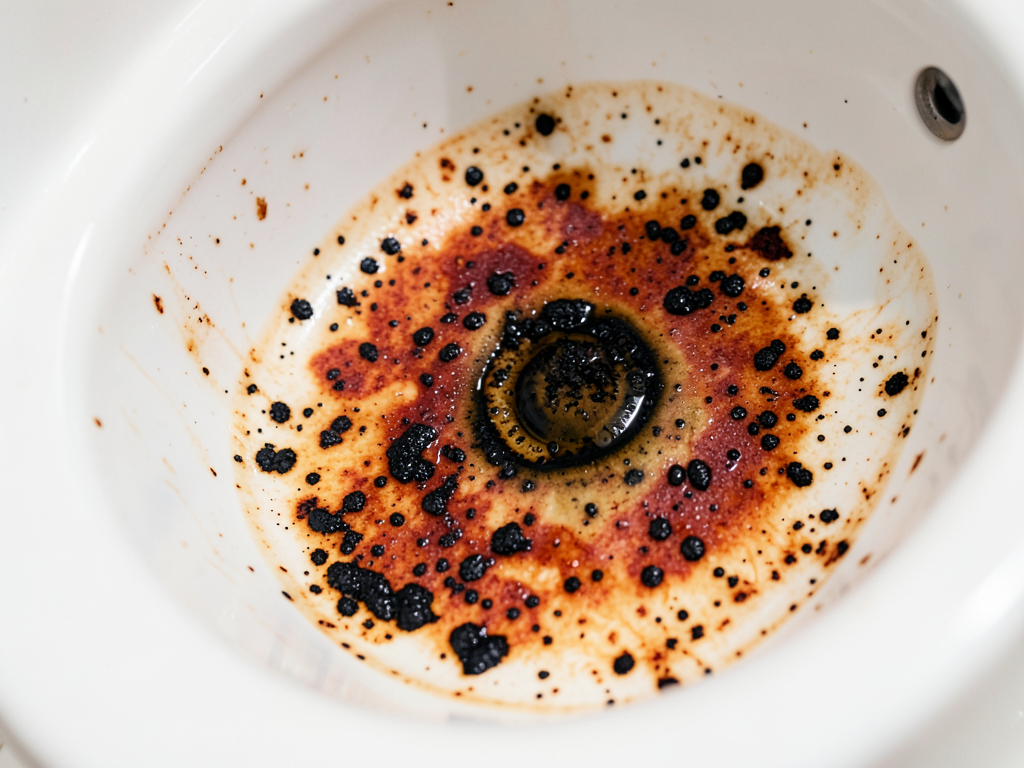
The bigger concern is the damage sulfur water can do to your plumbing and appliances. Hydrogen sulfide is corrosive and can stain fixtures black tarnish silver and copper and create unpleasant tastes in food and beverages. It can also promote the growth of other bacteria that might be harmful.
According to Franklin County Public Health well water should be tested annually for bacteria and nitrates regardless of whether you notice odors. They offer water testing kits through their environmental health division and can help you interpret the results. If your well tests positive for coliform bacteria you’ll need immediate treatment beyond just addressing the sulfur smell.
Professional Treatment Options for Blacklick Estates Homeowners
Once you’ve identified the source of the sulfur smell you have several treatment options depending on whether it’s coming from your well or water heater. Here’s what works best for Blacklick Estates homes based on local water chemistry and typical well depths in the area.
Well Treatment Solutions
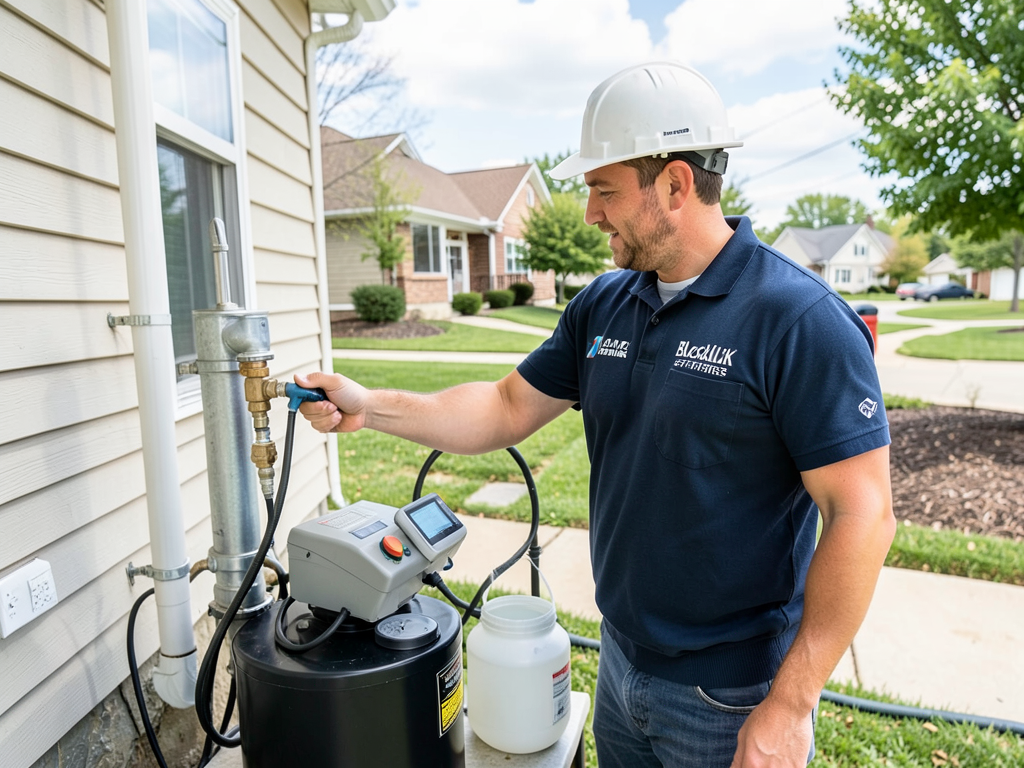
Shock chlorination is often the first step for treating sulfur bacteria in wells. This involves introducing a concentrated chlorine solution into your well and allowing it to circulate through your plumbing system. The chlorine kills bacteria and oxidizes hydrogen sulfide gas. For Franklin County wells we typically use calcium hypochlorite because it’s more stable in the region’s hard water than liquid bleach.
Continuous disinfection systems using hydrogen peroxide injection are highly effective for persistent sulfur problems. These systems automatically inject small amounts of hydrogen peroxide into your water supply which oxidizes hydrogen sulfide and kills bacteria. The treated water then passes through a catalytic carbon filter to remove any residual peroxide and oxidized contaminants.
Air injection/oxidation systems work well for moderate sulfur levels. These systems introduce air into the water which converts dissolved hydrogen sulfide gas into solid sulfur particles that can be filtered out. They’re particularly effective in Blacklick Estates where well water temperatures stay relatively cool year-round which helps the oxidation process.
Water Heater Solutions
If your diagnostic test showed the smell only comes from hot water replacing your magnesium anode rod with an aluminum or powered anode rod often solves the problem. Magnesium rods react with sulfate in hard water to produce hydrogen sulfide gas. Aluminum rods don’t have this reaction and can last longer in Central Ohio’s mineral-rich water.
For severe cases we might recommend a powered anode rod which uses an electrical current instead of a sacrificial metal rod. These systems eliminate the chemical reaction entirely and can extend your water heater’s life by preventing internal corrosion.
Regular water heater flushing helps prevent sulfur bacteria from establishing colonies in the tank. We recommend flushing your water heater annually especially if you have well water. This removes sediment buildup where bacteria can grow and improves overall efficiency.
Schedule a Local Water Quality Test
Before investing in any treatment system it’s crucial to know exactly what’s in your water. Blacklick Estates sits over the Columbus limestone aquifer which has unique characteristics that affect water treatment choices. A professional water test will measure hydrogen sulfide levels iron content pH and other factors that determine the most effective treatment approach. Professional Main Line Cleaning Services for Busy Gahanna Households.
Our Columbus-based team provides comprehensive water testing for Blacklick Estates homes in the 43068 and 43232 zip codes. We can typically schedule an appointment within 48 hours and provide same-day recommendations for treatment solutions. Our testing equipment measures contaminants down to parts per billion which is important for detecting low-level sulfur compounds that cause odors.
Don’t let that rotten egg smell drive you crazy any longer. Call (614) 707-7373 today to schedule your water quality test and get a customized treatment plan for your Blacklick Estates home. We’ll help you choose the right solution based on your specific water chemistry and budget.
Frequently Asked Questions
Why does only one faucet in my house smell like rotten eggs?
If the sulfur smell is isolated to one faucet you likely have bacteria growing in that specific fixture’s aerator or in a section of pipe leading to that faucet. Remove and clean the aerator with vinegar or replace it. If that doesn’t work the problem might be in the supply line which would require professional treatment.
Can I use bleach to get rid of the sulfur smell myself?
While you can try shock chlorination yourself it’s risky without proper knowledge. Too much chlorine can damage your well pump and plumbing. Plus if the underlying cause isn’t addressed the smell will return within weeks. Professional treatment ensures the right concentration and proper contact time for lasting results.
Will a water softener fix the sulfur smell?
Standard water softeners don’t remove hydrogen sulfide gas. They exchange calcium and magnesium ions for sodium but don’t address dissolved gases. However some advanced systems combine softening with oxidation and filtration which can handle both hardness and sulfur. We can test your water and recommend the right combination of treatments.
How much does it cost to treat sulfur water in Blacklick Estates?
Treatment costs vary based on the source and severity of the problem. Simple anode rod replacement runs $200-400 while whole-house filtration systems range from $1,500-3,500. Well treatment and continuous disinfection systems typically cost $2,000-5,000 installed. We provide free estimates specific to your home’s water chemistry and plumbing configuration. Whole Home Repiping.
Is the sulfur smell worse in summer or winter?
Sulfur odors often intensify in summer because warmer water temperatures accelerate bacterial growth and make hydrogen sulfide gas more volatile. You might notice the smell more when you first turn on cold water after it’s been sitting in pipes overnight. This seasonal variation is normal for well water in Franklin County.
How long does sulfur water treatment last?
With proper treatment most sulfur water systems last 5-10 years before needing significant maintenance. Anode rods in water heaters typically need replacement every 3-5 years. Well treatment systems may need periodic shock chlorination to maintain effectiveness. We provide maintenance schedules with all installations to keep your water odor-free long-term.
Ready to get rid of that rotten egg smell for good? Call (614) 707-7373 now to speak with a Blacklick Estates water treatment specialist. We’ll diagnose the exact cause and provide a solution that works with your home’s specific water chemistry. Don’t wait until the problem gets worse or damages your plumbing.
{
“@context”: “https://schema.org”,
“@type”: “BlogPosting”,
“headline”: “Finally Getting the Rotten Egg Smell Out of Your Blacklick Estates Well Water”,
“description”: “Tired of that rotten egg smell in your Blacklick Estates well water? Discover the real cause and get professional solutions from Columbus plumbers who know local water chemistry.”,
“wordCount”: 1677,
“datePublished”: “2026-06-04T07:14:00.000Z”,
“dateModified”: “2026-06-04T07:14:00.000Z”,
“inLanguage”: “en-US”,
“mainEntityOfPage”: {
“@type”: “WebPage”,
“@id”: “https://firstchoiceplumbingcolumbus.com”
},
“publisher”: {
“@type”: “LocalBusiness”,
“name”: “First Choice Plumbing Columbus”,
“url”: “https://firstchoiceplumbingcolumbus.com”
},
“author”: {
“@type”: “Organization”,
“name”: “First Choice Plumbing Columbus”,
“url”: “https://firstchoiceplumbingcolumbus.com”
},
“image”: {
“@type”: “ImageObject”,
“url”: “https://firstchoiceplumbingcolumbus.com/wp-content/uploads/2026/03/finally-getting-the-rotten-egg-smell-out-of-your-b-1.png”
}
}
{
“@context”: “https://schema.org”,
“@type”: “Plumber”,
“name”: “First Choice Plumbing Columbus”,
“url”: “https://firstchoiceplumbingcolumbus.com”,
“address”: {
“@type”: “PostalAddress”,
“addressLocality”: “Columbus”
},
“areaServed”: {
“@type”: “City”,
“name”: “Columbus”
}
}
{
“@context”: “https://schema.org”,
“@type”: “FAQPage”,
“mainEntity”: [
{
“@type”: “Question”,
“name”: “Why Does Your Blacklick Estates Well Water Smell Like Sulfur?”,
“acceptedAnswer”: {
“@type”: “Answer”,
“text”: “The rotten egg smell in Blacklick Estates comes from hydrogen sulfide gas H2S which is produced when sulfur-reducing bacteria break down organic matter in groundwater. Franklin County’s limestone and shale geology creates perfect conditions for these bacteria which thrive in oxygen-poor environments deep underground. When you turn on your tap that gas escapes into the air creating that unmistakable sulfur odor. Your Best Options for Fast Water Heater Replacement in Dublin.”
}
},
{
“@type”: “Question”,
“name”: “The 3-Step Smell Test: Is it Your Well or Your Water Heater?”,
“acceptedAnswer”: {
“@type”: “Answer”,
“text”: “Before calling a plumber you can perform a simple diagnostic test to determine where the sulfur smell is coming from. This test takes about 10 minutes and will tell you whether you need to treat your well or just replace your water heater’s anode rod.”
}
},
{
“@type”: “Question”,
“name”: “Is Sulfur Water Safe to Drink and Bathe In?”,
“acceptedAnswer”: {
“@type”: “Answer”,
“text”: “Hydrogen sulfide gas in your water is generally not a health hazard at the levels typically found in residential wells. The EPA considers it a secondary contaminant which means it affects water aesthetics like taste and odor rather than posing direct health risks. However high concentrations can cause nausea and in extreme cases may indicate other water quality issues. EPA secondary drinking water standards.”
}
},
{
“@type”: “Question”,
“name”: “Why does only one faucet in my house smell like rotten eggs?”,
“acceptedAnswer”: {
“@type”: “Answer”,
“text”: “If the sulfur smell is isolated to one faucet you likely have bacteria growing in that specific fixture’s aerator or in a section of pipe leading to that faucet. Remove and clean the aerator with vinegar or replace it. If that doesn’t work the problem might be in the supply line which would require professional treatment.”
}
},
{
“@type”: “Question”,
“name”: “Can I use bleach to get rid of the sulfur smell myself?”,
“acceptedAnswer”: {
“@type”: “Answer”,
“text”: “While you can try shock chlorination yourself it’s risky without proper knowledge. Too much chlorine can damage your well pump and plumbing. Plus if the underlying cause isn’t addressed the smell will return within weeks. Professional treatment ensures the right concentration and proper contact time for lasting results.”
}
},
{
“@type”: “Question”,
“name”: “Will a water softener fix the sulfur smell?”,
“acceptedAnswer”: {
“@type”: “Answer”,
“text”: “Standard water softeners don’t remove hydrogen sulfide gas. They exchange calcium and magnesium ions for sodium but don’t address dissolved gases. However some advanced systems combine softening with oxidation and filtration which can handle both hardness and sulfur. We can test your water and recommend the right combination of treatments.”
}
},
{
“@type”: “Question”,
“name”: “How much does it cost to treat sulfur water in Blacklick Estates?”,
“acceptedAnswer”: {
“@type”: “Answer”,
“text”: “Treatment costs vary based on the source and severity of the problem. Simple anode rod replacement runs $200-400 while whole-house filtration systems range from $1,500-3,500. Well treatment and continuous disinfection systems typically cost $2,000-5,000 installed. We provide free estimates specific to your home’s water chemistry and plumbing configuration. Whole Home Repiping.”
}
},
{
“@type”: “Question”,
“name”: “Is the sulfur smell worse in summer or winter?”,
“acceptedAnswer”: {
“@type”: “Answer”,
“text”: “Sulfur odors often intensify in summer because warmer water temperatures accelerate bacterial growth and make hydrogen sulfide gas more volatile. You might notice the smell more when you first turn on cold water after it’s been sitting in pipes overnight. This seasonal variation is normal for well water in Franklin County.”
}
},
{
“@type”: “Question”,
“name”: “How long does sulfur water treatment last?”,
“acceptedAnswer”: {
“@type”: “Answer”,
“text”: “With proper treatment most sulfur water systems last 5-10 years before needing significant maintenance. Anode rods in water heaters typically need replacement every 3-5 years. Well treatment systems may need periodic shock chlorination to maintain effectiveness. We provide maintenance schedules with all installations to keep your water odor-free long-term.”
}
}
]
}
{
“@context”: “https://schema.org”,
“@type”: “HowTo”,
“name”: “Sulfur Smell Diagnostic Test”,
“step”: [
{
“@type”: “HowToStep”,
“position”: 1,
“name”: “Step 1: Cold Water Test”,
“text”: “Turn on a cold water faucet that hasn’t been used for several hours like a bathroom sink in the morning. If you smell sulfur immediately it’s likely coming from your well or the cold water supply lines.”
},
{
“@type”: “HowToStep”,
“position”: 2,
“name”: “Step 2: Hot Water Test”,
“text”: “Now run hot water from the same faucet. If the smell appears only when the water is hot or gets stronger with heat your water heater’s anode rod is probably the culprit.”
},
{
“@type”: “HowToStep”,
“position”: 3,
“name”: “Step 3: Isolated Fixture Test”,
“text”: “Check if the smell comes from all fixtures or just one area. If it’s isolated to one bathroom or sink you might have bacteria growing in a specific pipe section or faucet aerator.”
}
],
“image”: “https://firstchoiceplumbingcolumbus.com/wp-content/uploads/2026/03/finally-getting-the-rotten-egg-smell-out-of-your-b-1.png”
}
{
“@context”: “https://schema.org”,
“@type”: “BreadcrumbList”,
“itemListElement”: [
{
“@type”: “ListItem”,
“position”: 1,
“name”: “Home”,
“item”: “https://firstchoiceplumbingcolumbus.com”
},
{
“@type”: “ListItem”,
“position”: 2,
“name”: “Blog”,
“item”: “https://firstchoiceplumbingcolumbus.com/blog”
},
{
“@type”: “ListItem”,
“position”: 3,
“name”: “Finally Getting the Rotten Egg Smell Out of Your Blacklick Estates Well Water”
}
]
}
{
“@context”: “https://schema.org”,
“@type”: “Service”,
“serviceType”: “Plumbing”,
“provider”: {
“@type”: “LocalBusiness”,
“name”: “First Choice Plumbing Columbus”,
“url”: “https://firstchoiceplumbingcolumbus.com”
},
“areaServed”: {
“@type”: “City”,
“name”: “Columbus”
},
“description”: “Tired of that rotten egg smell in your Blacklick Estates well water? Discover the real cause and get professional solutions from Columbus plumbers who know local water chemistry.”
}