Designing a Trouble Free Outdoor Shower or Pool House Bathroom in Powell
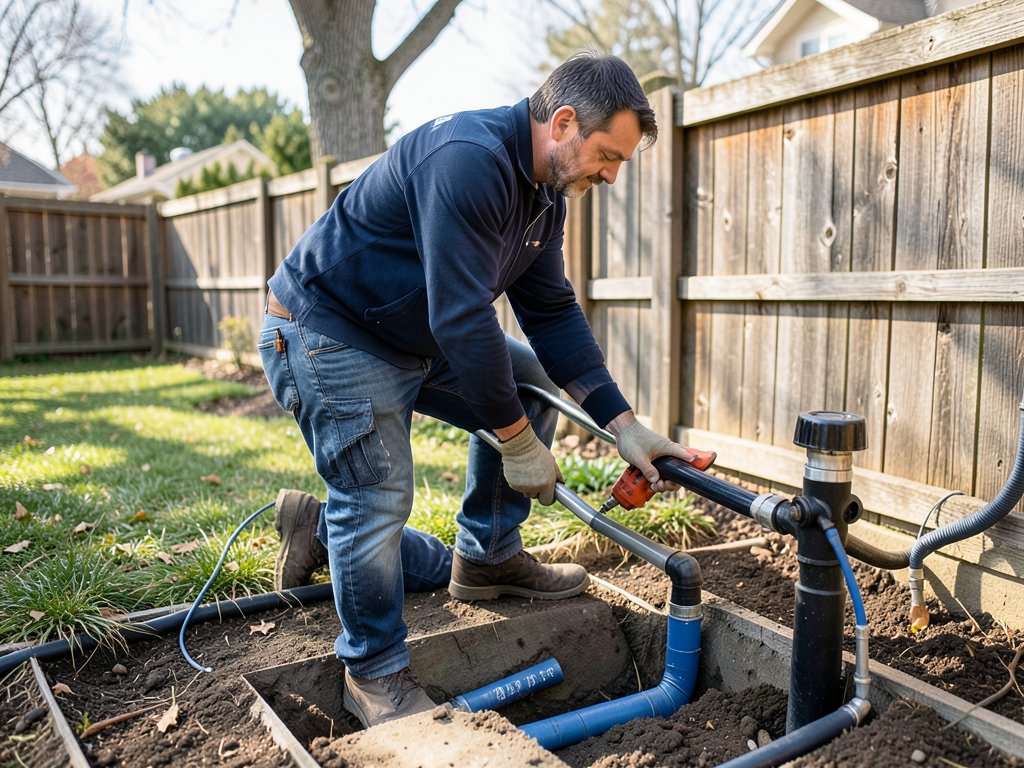
Building an outdoor shower or pool house bathroom in Powell requires careful planning to handle Ohio’s freeze-thaw cycles, proper drainage, and local building codes. Homeowners in this Columbus suburb face unique challenges from heavy clay soil to winter temperatures that can drop below zero. The right design prevents frozen pipes, yard flooding, and costly repairs while creating a functional space for poolside convenience.
Powell’s location in Franklin County means outdoor plumbing must meet Ohio Plumbing Code requirements and withstand Midwest weather extremes. The area’s combination of new developments and established neighborhoods creates different installation scenarios. Whether you’re adding a simple shower for your backyard pool or a full bathroom for guest use, understanding local conditions makes the difference between a trouble-free addition and a seasonal headache.. Read more about Choosing the Best Exposed Plumbing Fixtures for Your Italian Village Loft.
Understanding Powell’s Climate and Soil Challenges
Powell sits in USDA Hardiness Zone 6a, where winter temperatures regularly fall below 0°F. The frost line in Franklin County extends 30 to 36 inches below grade, requiring all outdoor water lines to be buried deeper than in southern states. Powell’s heavy clay soil retains moisture and expands when frozen, creating pressure on underground pipes that can cause shifting and cracking over time. Your Best Options for Fast Water Heater Replacement in Dublin.
The area receives approximately 40 inches of rainfall annually, with spring and summer bringing sudden downpours. Poor drainage in clay soil means water pools quickly around outdoor fixtures. Without proper grading and drainage systems, this water can seep into foundation walls or create muddy areas around your pool house. The freeze-thaw cycle in Powell causes soil movement that stresses pipe connections and can separate fittings if not properly secured. Water Heater Maintenance Tips.
Ohio Plumbing Code Requirements for Outdoor Fixtures
Outdoor showers and pool house bathrooms in Powell must comply with the Ohio Plumbing Code, which adopts the International Plumbing Code with state amendments. Section 305.3 requires all outdoor fixtures to have proper backflow prevention devices to prevent contaminated water from entering the potable water supply. The code also mandates specific trap requirements for floor drains and shower drains in outdoor applications. Water Stains on Ceiling or Walls.
Franklin County Building Department requires permits for any new outdoor plumbing installation. The permit process includes submitting detailed plans showing pipe routing, fixture locations, and drainage systems. Local inspectors verify that all work meets code requirements before final approval. Outdoor water lines must be protected with insulation or heat tape in areas where freezing is possible, and all fixtures need freeze protection mechanisms.
Material Selection for Ohio Weather
Choosing the right materials prevents premature failure in Powell’s climate. PEX piping offers excellent freeze resistance since it can expand slightly without cracking, making it ideal for outdoor applications where temperatures fluctuate. Copper provides durability but requires proper insulation and protection from freezing. For outdoor showers, stainless steel fixtures resist corrosion from chlorine and pool chemicals better than standard chrome finishes.
Water supply lines need insulation rated for outdoor use. Foam pipe insulation with a minimum R-4 rating prevents freezing in most conditions. In exposed areas, heat tape with a built-in thermostat maintains pipe temperature above freezing. Drainage pipes should be Schedule 40 PVC for durability, with cleanouts placed at strategic locations for maintenance access. All outdoor fixtures need frost-proof sillcocks that drain water from the exposed portion when shut off.
Site Planning and Layout Considerations
Proper site planning prevents many common outdoor bathroom problems. Position fixtures at least 10 feet from the pool edge to prevent water from splashing onto plumbing connections. The shower floor should slope 1/4 inch per foot toward a central drain to prevent standing water. For pool house bathrooms, ensure the toilet flange sits at the correct height for the flooring material you plan to use.
Consider prevailing wind direction when placing outdoor showers. A windbreak or partial enclosure reduces heat loss and keeps users more comfortable. The drainage field should extend at least 10 feet from any structure to prevent water from pooling near foundations. In Powell’s clay soil, creating a gravel drainage bed beneath shower areas improves water absorption and prevents mud formation.
Drainage Solutions for Outdoor Showers
Effective drainage prevents yard flooding and keeps the area around your outdoor shower usable year-round. A French drain system works well in Powell’s clay soil, using perforated pipe surrounded by gravel to collect and redirect water. The drain should outlet at least 20 feet from the shower area, preferably into a dry well or municipal storm drain if permitted.
For shower floors, consider materials that provide traction when wet. Textured concrete, composite decking, or outdoor tile with a non-slip finish prevents accidents. The floor should have a waterproof membrane beneath the surface material to prevent water from seeping into the ground below. In areas with poor natural drainage, a catch basin with a sump pump may be necessary to handle heavy rainfall.
Winterization Strategies for Year-Round Protection
Winterizing outdoor plumbing prevents freeze damage that can split pipes and destroy fixtures. All outdoor water lines need shut-off valves located inside the heated space of your home or pool house. After shutting off the water, open all outdoor fixtures to drain remaining water from the lines. Compressed air can blow out any trapped water in low spots.
Install freeze-proof hose bibs with built-in vacuum breakers on all outdoor supply lines. These fixtures have a long stem that keeps the water shut-off valve inside the heated wall. For shower valves, choose models with integral stops that allow you to isolate the fixture without affecting other plumbing. In extreme cold, heat tape with a thermostat maintains pipe temperature automatically.
Pool House Bathroom Plumbing Layout
A functional pool house bathroom needs careful plumbing planning. The water heater should be sized for peak demand, typically 40 gallons for occasional use or tankless for continuous hot water. Vent pipes must extend through the roof and terminate at least 10 feet from any window or door to prevent sewer gases from entering the structure. Is Upgrading to a Tankless Water Heater Worth It for Hilliard Homeowners?.
Floor drains in pool house bathrooms prevent flooding from shower use or plumbing leaks. The drain should connect to the main sewer line with proper venting to prevent trap siphoning. Consider a macerating toilet if the bathroom is below the main sewer line, as it can pump waste uphill to the existing plumbing system. All fixtures need P-traps to prevent sewer gas entry.
Gas Line Installation for Outdoor Kitchens
Many Powell homeowners combine outdoor showers with complete pool house setups that include outdoor kitchens. Natural gas lines require separate permits and must be installed by a licensed contractor. The gas line trench must be at least 18 inches deep in residential areas, with yellow polyethylene pipe rated for underground use.
Before installation, contact Ohio Utilities Protection Service to locate existing underground utilities. Gas lines need pressure testing before being covered, and all connections must be accessible for future inspection. The meter location affects gas line routing, and some installations may require a larger meter to handle increased demand. All outdoor gas appliances need proper shut-off valves and flexible connectors for maintenance.
Electrical Considerations for Outdoor Plumbing
Outdoor plumbing often requires electrical components for pumps, heaters, and lighting. All outdoor electrical must be GFCI-protected and installed in weatherproof boxes. Pump motors for pool house bathrooms or outdoor showers need dedicated circuits with proper grounding. Heat tape for freeze protection requires a thermostat and should be plugged into a GFCI outlet.
Lighting around outdoor showers and pool areas must be rated for wet locations. Consider motion-sensor lights for safety and convenience. All wiring should be in conduit for protection from moisture and physical damage. The electrical panel must have capacity for new circuits, and any outdoor outlets need weatherproof covers that close when not in use.
Maintenance Schedule for Trouble-Free Operation
Regular maintenance prevents most outdoor plumbing problems. Inspect all visible pipes and connections monthly during the swimming season for leaks or corrosion. Clean shower heads and faucet aerators to prevent mineral buildup from Powell’s hard water. Test shut-off valves annually to ensure they operate smoothly when needed.
Before winter, disconnect and drain all garden hoses. Insulate any exposed pipes and check heat tape operation. In spring, inspect for damage from freezing and test all fixtures before heavy use begins. Clean drain covers and remove debris that could cause clogs. Consider professional inspection every two years to catch developing issues early. Professional Main Line Cleaning Services for Busy Gahanna Households.
Cost Factors and Return on Investment
Outdoor shower installation in Powell typically costs between $2,500 and $7,000 depending on complexity and materials. A basic cold-water shower with simple drainage falls on the lower end, while a complete pool house bathroom with hot water and proper winterization reaches the higher range. Gas line installation for outdoor kitchens adds $1,500 to $3,000 to the project.
Quality outdoor plumbing adds approximately 60-80% of its cost to home value, with higher returns in neighborhoods where outdoor living is common. The convenience factor for families with pools provides daily quality-of-life benefits that outweigh the initial investment. Energy-efficient fixtures and proper insulation reduce long-term operating costs.
Choosing the Right Contractor in Powell
Selecting a contractor familiar with Powell’s specific conditions ensures proper installation. Look for Ohio Plumbing License holders with experience in outdoor installations. Ask for references from local projects and verify they understand Franklin County permit requirements. A good contractor will explain the frost line requirements and recommend materials suited to clay soil conditions.
Request detailed written estimates that include all permit fees, material specifications, and warranty information. The contractor should provide a timeline that accounts for weather delays common in Ohio spring and fall. After installation, they should offer maintenance guidance specific to your setup and local climate conditions.
Common Problems and Prevention
Many outdoor plumbing issues stem from inadequate winterization. Frozen pipes often occur when homeowners forget to disconnect hoses or fail to drain low spots in the system. Water hammer from quickly closing valves can stress pipe connections over time. Poor drainage leads to soil erosion around fixtures and can undermine foundations.
Hard water in Powell causes mineral buildup that reduces water flow and damages fixtures. Installing a water softener for your outdoor plumbing prevents these issues. Tree roots can invade underground pipes, especially in older neighborhoods with mature trees. Regular root treatment or root barrier installation prevents this damage. Proper initial installation with quality materials prevents most of these problems.
Environmental Considerations
Outdoor showers can be designed with water conservation in mind. Low-flow shower heads reduce water usage without sacrificing pressure. Consider a gray water system that redirects shower water to landscape irrigation, subject to local regulations. Solar water heaters can provide hot water for outdoor showers without increasing energy costs.
Choose native plants around your pool house that require minimal irrigation and can handle occasional saltwater exposure from pool areas. Permeable surfaces around outdoor fixtures allow water to absorb naturally rather than running off into storm drains. These choices reduce your environmental impact while creating a more sustainable outdoor living space.
Frequently Asked Questions
How deep should outdoor water lines be buried in Powell?
Outdoor water lines in Powell should be buried at least 36 inches deep to prevent freezing. This depth exceeds the local frost line and provides adequate protection during Ohio’s coldest winters. Pipes at this depth also avoid damage from soil movement caused by freeze-thaw cycles.
Do I need a permit for an outdoor shower in Powell?
Yes, Franklin County requires permits for all new outdoor plumbing installations, including showers. The permit process ensures your installation meets Ohio Plumbing Code requirements and passes inspection. Your contractor should handle permit acquisition as part of the project.
What’s the best material for outdoor shower fixtures in Powell?
Stainless steel offers the best combination of durability and corrosion resistance for Powell’s climate. It withstands freeze-thaw cycles better than chrome-plated fixtures and resists damage from pool chemicals. For pipes, PEX provides excellent freeze resistance while copper offers long-term durability with proper insulation.
Ready to Install Your Outdoor Shower or Pool House Bathroom?
Don’t let Ohio’s challenging climate ruin your outdoor plumbing investment. Proper design and installation prevent frozen pipes, yard flooding, and costly repairs. Whether you need a simple shower for your backyard pool or a complete pool house bathroom, understanding local requirements makes the difference between trouble-free operation and seasonal headaches.
Call (614) 707-7373 today to schedule your inspection and get expert advice on designing outdoor plumbing that works in Powell’s unique conditions. Our team understands Ohio’s frost line requirements, clay soil challenges, and local building codes to ensure your installation lasts for years to come.
Additional Resources
For more information on outdoor plumbing in Central Ohio, visit these helpful resources:
- Franklin County Auditor – Information on permits and property assessments
- Ohio Administrative Code – Current plumbing regulations
- Ohio EPA – Environmental compliance information
{
“@context”: “https://schema.org”,
“@type”: “BlogPosting”,
“headline”: “Designing a Trouble Free Outdoor Shower or Pool House Bathroom in Powell”,
“description”: “Planning an outdoor shower or pool house bathroom in Powell requires frost protection, proper drainage, and code compliance. Learn local requirements and best practices.”,
“wordCount”: 2163,
“datePublished”: “2026-03-26T08:13:00.000Z”,
“dateModified”: “2026-03-26T08:13:00.000Z”,
“inLanguage”: “en-US”,
“mainEntityOfPage”: {
“@type”: “WebPage”,
“@id”: “https://firstchoiceplumbingcolumbus.com”
},
“publisher”: {
“@type”: “LocalBusiness”,
“name”: “First Choice Plumbing Columbus”,
“url”: “https://firstchoiceplumbingcolumbus.com”
},
“author”: {
“@type”: “Organization”,
“name”: “First Choice Plumbing Columbus”,
“url”: “https://firstchoiceplumbingcolumbus.com”
},
“image”: {
“@type”: “ImageObject”,
“url”: “https://firstchoiceplumbingcolumbus.com/wp-content/uploads/2026/03/designing-a-trouble-free-outdoor-shower-or-pool-ho-1.png”
}
}
{
“@context”: “https://schema.org”,
“@type”: “Plumber”,
“name”: “First Choice Plumbing Columbus”,
“url”: “https://firstchoiceplumbingcolumbus.com”,
“address”: {
“@type”: “PostalAddress”,
“addressLocality”: “Columbus”
},
“areaServed”: {
“@type”: “City”,
“name”: “Columbus”
}
}
{
“@context”: “https://schema.org”,
“@type”: “FAQPage”,
“mainEntity”: [
{
“@type”: “Question”,
“name”: “How deep should outdoor water lines be buried in Powell?”,
“acceptedAnswer”: {
“@type”: “Answer”,
“text”: “Outdoor water lines in Powell should be buried at least 36 inches deep to prevent freezing. This depth exceeds the local frost line and provides adequate protection during Ohio’s coldest winters. Pipes at this depth also avoid damage from soil movement caused by freeze-thaw cycles.”
}
},
{
“@type”: “Question”,
“name”: “Do I need a permit for an outdoor shower in Powell?”,
“acceptedAnswer”: {
“@type”: “Answer”,
“text”: “Yes, Franklin County requires permits for all new outdoor plumbing installations, including showers. The permit process ensures your installation meets Ohio Plumbing Code requirements and passes inspection. Your contractor should handle permit acquisition as part of the project.”
}
},
{
“@type”: “Question”,
“name”: “What’s the best material for outdoor shower fixtures in Powell?”,
“acceptedAnswer”: {
“@type”: “Answer”,
“text”: “Stainless steel offers the best combination of durability and corrosion resistance for Powell’s climate. It withstands freeze-thaw cycles better than chrome-plated fixtures and resists damage from pool chemicals. For pipes, PEX provides excellent freeze resistance while copper offers long-term durability with proper insulation.”
}
},
{
“@type”: “Question”,
“name”: “Ready to Install Your Outdoor Shower or Pool House Bathroom?”,
“acceptedAnswer”: {
“@type”: “Answer”,
“text”: “Don’t let Ohio’s challenging climate ruin your outdoor plumbing investment. Proper design and installation prevent frozen pipes, yard flooding, and costly repairs. Whether you need a simple shower for your backyard pool or a complete pool house bathroom, understanding local requirements makes the difference between trouble-free operation and seasonal headaches.”
}
}
]
}
{
“@context”: “https://schema.org”,
“@type”: “BreadcrumbList”,
“itemListElement”: [
{
“@type”: “ListItem”,
“position”: 1,
“name”: “Home”,
“item”: “https://firstchoiceplumbingcolumbus.com”
},
{
“@type”: “ListItem”,
“position”: 2,
“name”: “Blog”,
“item”: “https://firstchoiceplumbingcolumbus.com/blog”
},
{
“@type”: “ListItem”,
“position”: 3,
“name”: “Designing a Trouble Free Outdoor Shower or Pool House Bathroom in Powell”
}
]
}
{
“@context”: “https://schema.org”,
“@type”: “Service”,
“serviceType”: “Plumbing”,
“provider”: {
“@type”: “LocalBusiness”,
“name”: “First Choice Plumbing Columbus”,
“url”: “https://firstchoiceplumbingcolumbus.com”
},
“areaServed”: {
“@type”: “City”,
“name”: “Columbus”
},
“description”: “Planning an outdoor shower or pool house bathroom in Powell requires frost protection, proper drainage, and code compliance. Learn local requirements and best practices.”
}