Adding a Heavy Duty Utility Sink to Your Vassor Village Garage or Workshop
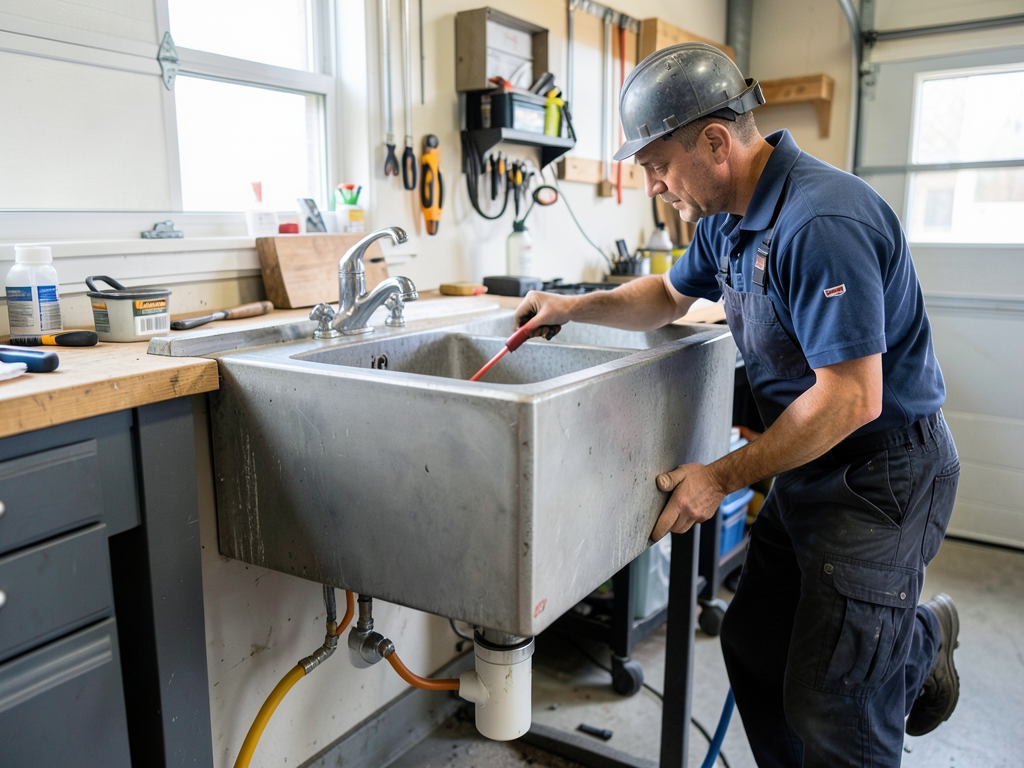
Adding a heavy-duty utility sink to your Vassor Village garage or workshop transforms a basic storage space into a functional workspace. Whether you need to clean tools, wash gardening supplies, or handle messy projects, a utility sink provides the water access you need right where you work. The process involves extending your home’s plumbing system to reach the garage, which requires careful planning around existing water lines, drainage, and local building codes. Your Best Options for Fast Water Heater Replacement in Dublin.
Vassor Village homes built in the 1950s through 1970s often have galvanized steel supply lines that can complicate new plumbing additions. The neighborhood’s mix of ranch-style homes and split-levels means garage configurations vary widely, affecting how easily you can add a sink. Most installations require tapping into an existing water line, running new supply pipes, and creating proper drainage that connects to your home’s main sewer system or a dedicated sump pump setup. Keep Your German Village Basement Dry with a Better Sump Pump System.
Before starting any project, you need to understand the technical requirements and local regulations that govern garage plumbing in Columbus. Franklin County requires permits for any new plumbing fixture installation, and the work must comply with Ohio Plumbing Code standards for venting, trap installation, and backflow prevention. The climate in Central Ohio also plays a role – unheated garages need freeze protection for exposed pipes during winter months. Ohio Plumbing Code.
This guide walks you through everything from selecting the right sink type to understanding when you need a licensed plumber versus handling parts of the project yourself. We’ll cover the specific challenges Vassor Village homeowners face and provide practical solutions that work with your home’s existing plumbing infrastructure.. Read more about Everything You Need to Know Before Installing a Natural Gas Line for Your Berwick Backyard Grill.
Understanding Your Garage Plumbing Options
Adding a utility sink to a garage that lacks existing plumbing creates several technical challenges. You must decide between gravity drainage to an existing sewer line or installing a pump system if the garage sits below grade. The choice affects both installation complexity and long-term maintenance requirements.
Gravity drainage works when your garage floor sits at or above the level of your home’s main drain line. This allows wastewater to flow naturally through a P-trap and into the existing plumbing system. However, many Vassor Village garages were built with concrete slabs poured directly on grade, making gravity drainage impossible without major excavation work. Water Heater Maintenance Tips.
Pump systems become necessary when gravity drainage isn’t feasible. These setups use either a sump pump or a macerating pump to move wastewater uphill to the home’s main drain. Sump pumps handle basic drainage but require a separate pit and electrical connection. Macerating pumps grind waste and pump it through smaller pipes, making them ideal for tight spaces but requiring more maintenance. EPA guidelines.
Water supply presents another decision point. You can tap into existing hot and cold lines in your home, but this requires careful pressure balancing to avoid affecting other fixtures. Point-of-use water heaters offer an alternative for garages far from the home’s main water heater, providing instant hot water without long pipe runs. Water Stains on Ceiling or Walls.
Selecting the Right Utility Sink for Your Needs
Utility sinks come in several materials, each suited to different workshop demands. Stainless steel offers durability and easy cleaning but can be expensive and dent under heavy impact. Thermoplastic models resist chemicals and impacts while costing less, making them popular for garage installations. Cast iron with porcelain coating provides a classic look but chips easily and weighs significantly more. Professional Main Line Cleaning Services for Busy Gahanna Households.
Size matters for workshop functionality. Standard utility sinks range from 15 to 25 gallons in capacity, with deeper bowls better suited for soaking large items or cleaning tools. Single-bowl designs work well for most garage applications, while double-bowl setups provide separate areas for washing and rinsing when needed.
Mounting style affects both installation and use. Wall-mounted sinks save floor space and make cleaning underneath easier but require secure wall anchoring into studs or concrete. Freestanding floor models offer more stability for heavy use but take up valuable workspace. Under-counter installations provide the most finished look but require cabinet space you might prefer to use for storage.
Faucet selection impacts daily usability. Pull-out spray heads help clean large items and reach all sink corners. Commercial-style faucets with high clearance accommodate tall buckets and tools. Consider adding a hose bibb connection if you need to run water outside the garage for car washing or garden tasks.
Step-by-Step Installation Process
- Plan the Layout
Map out where your sink will go relative to existing water lines and drains. Measure distances to determine pipe run lengths and identify any obstacles like electrical panels or stored items. Consider proximity to a water heater if you want hot water access.
- Shut Off Water Supply
Locate the main water shutoff valve for your home and turn off the water supply. Open faucets throughout the house to relieve pressure and drain remaining water from the lines. This prevents flooding if you accidentally cut into a pressurized pipe.
- Tap Into Existing Lines
Cut into the cold and hot water supply lines using a pipe cutter. Install shut-off valves at the connection points for future maintenance access. Run new supply lines using PEX tubing or copper pipe to the garage location, securing them along walls or through drilled holes in studs.
- Install Drainage System
For gravity drainage, cut into the home’s main drain line and install a new branch with proper venting. For pump systems, install the pump unit and connect it to the sink drain with appropriate fittings. Ensure all connections are watertight and properly sealed.
- Mount the Sink
Install wall brackets or floor supports according to the manufacturer’s specifications. Level the sink and secure it firmly to prevent movement during use. Connect the supply lines to the faucet and the drain to the drainage system.
- Test and Inspect
Turn the water back on slowly and check all connections for leaks. Test both hot and cold water flow and verify proper drainage. Check that the P-trap holds water to prevent sewer gas from entering the garage.
Permitting and Plumbing Codes in Franklin County
Franklin County requires permits for any new plumbing fixture installation, including utility sinks in garages. The permit process ensures your installation meets Ohio Plumbing Code requirements and passes inspection before use. This protects your home’s plumbing system and prevents potential code violations that could affect future home sales.
Key code requirements include proper venting for all fixtures. Every drain must have a vent pipe that extends to the roof or connects to an existing vent stack. This prevents trap siphoning and allows proper drainage flow. The Ohio Plumbing Code specifies minimum pipe sizes and slope requirements for drain lines based on fixture load.
Backflow prevention becomes critical when connecting new fixtures to your home’s water supply. Many jurisdictions require backflow preventers on supply lines to garages to prevent contamination of the potable water system. This is especially important if you’ll use the sink for chemical cleaning or other potentially hazardous materials.
Inspections typically occur at two stages: after rough plumbing installation but before walls are closed, and after final installation. The inspector checks for proper pipe sizing, secure connections, adequate venting, and compliance with all code requirements. Missing inspections can result in fines and require costly rework to pass final approval.
Cost Factors for Garage Utility Sink Installation
Installation costs vary widely based on your specific situation. Basic installations where you tap into nearby existing plumbing might cost between $500 and $1,200 in materials and labor. Complex projects requiring new drain lines, pump systems, or extensive pipe runs can exceed $2,500.
Material costs include the sink itself ($100-$400), faucet ($50-$200), supply lines and fittings ($50-$150), and drainage components ($100-$300). If you need a pump system, add $200-$500 for the pump and associated piping. Point-of-use water heaters add another $150-$300 if hot water access is needed.
Labor represents the largest variable cost. Simple installations might take 4-6 hours for an experienced plumber. Complex projects requiring new drain lines or pump systems can take 1-2 days. Plumbers in Columbus typically charge $75-$125 per hour, making labor costs range from $300 to over $1,000 depending on project complexity.. Read more about Why S-Traps Are Illegal in Columbus and How to Update Your Woodland Park Plumbing Code.
Permit fees in Franklin County usually range from $50 to $150 depending on the project scope. Some municipalities charge additional inspection fees. Factor in potential drywall repair or concrete patching if you need to access existing plumbing behind walls or under floors.
DIY vs. Hiring a Licensed Columbus Plumber
DIY installation saves money but carries significant risks. Plumbing mistakes can cause water damage, mold growth, and code violations that cost far more to fix than professional installation. Homeowners can handle basic tasks like mounting the sink and connecting supply lines if they have plumbing experience, but drainage and venting work should typically be left to professionals.. Read more about Why Hungarian Village Homeowners Should Upgrade to Automatic Washing Machine Shut-Off Valves.
Professional plumbers bring expertise in local codes, proper materials selection, and efficient installation techniques. They can identify potential issues before they become problems and ensure your installation passes inspection on the first try. Many offer warranties on their work, providing peace of mind for a major home improvement project.
Consider your skill level honestly. Do you have experience with pipe cutting, soldering, or working with PEX tubing? Can you read building plans to locate existing plumbing? Are you comfortable working in confined spaces or making cuts in concrete floors? If you answer no to any of these, professional installation makes more sense.
Time investment also matters. A professional might complete your installation in a day, while a DIY project could stretch into multiple weekends as you learn techniques and troubleshoot problems. Factor in the value of your time and the inconvenience of having your garage out of commission during the project.
Winterization and Freeze Protection
Central Ohio’s freezing temperatures make winterization essential for garage plumbing. Unheated garages can reach temperatures well below freezing, causing standing water in pipes to expand and crack fittings or burst pipes. Even brief cold snaps can cause expensive damage if proper precautions aren’t taken.
Insulation forms the first line of defense. Foam pipe insulation sleeves should cover all exposed supply lines in unheated spaces. Pay special attention to pipes near exterior walls or in uninsulated areas. For extreme cold, heat tape provides active protection by warming pipes when temperatures drop below freezing.
Drain-down procedures help prevent freeze damage when the sink won’t be used for extended periods. Install shut-off valves on both hot and cold supply lines inside the heated portion of your home. When closing the garage for winter, shut off these valves and open the sink faucets to drain remaining water from the pipes.
Consider installing a temperature sensor that alerts you if garage temperatures drop dangerously low. Some smart home systems can automatically shut off water supply if freezing conditions are detected. While these systems add cost, they provide valuable protection for your investment in garage plumbing.
Common Installation Challenges in Vassor Village
Vassor Village’s housing stock presents unique installation challenges. Many homes have galvanized steel supply lines that corrode internally, reducing water pressure and flow. Connecting to these lines often requires replacing sections with modern PEX or copper piping to ensure adequate water delivery to your new sink.
Concrete slab construction complicates drainage work. Cutting through garage floors to install new drain lines requires specialized tools and creates significant dust and mess. You must also consider the structural implications of removing concrete and ensure proper patching to maintain floor integrity and prevent future cracking.
Older homes may have outdated venting systems that don’t meet current code requirements. Adding a new fixture might require installing new vent pipes through walls or roofs, increasing both complexity and cost. Some installations require creative solutions like air admittance valves, though these have specific code limitations.
Space constraints in smaller garages affect sink placement and installation approach. You may need to mount the sink in a corner or integrate it with existing storage solutions. Consider how the sink will affect garage door operation and vehicle parking clearance when planning the layout.
Maintenance and Troubleshooting
Regular maintenance keeps your utility sink functioning properly for years. Clean P-traps periodically to prevent clogs from debris and soap scum buildup. Check supply line connections annually for signs of corrosion or leaks. Test the drainage system by running water and watching for slow drainage or unusual gurgling sounds.
Common issues include clogged drains from workshop debris, leaky supply connections, and pump failures in systems that use macerating or sump pumps. Most problems are preventable with proper use – avoid pouring grease or chemicals down the sink, and use strainers to catch debris before it enters the drain.
If you notice reduced water pressure, check for mineral buildup in faucet aerators or supply line restrictions. Hard water common in Central Ohio can cause scale accumulation that reduces flow over time. Cleaning or replacing affected components usually restores normal operation.
For pump systems, listen for unusual noises that might indicate bearing wear or impeller damage. Most pumps have a typical lifespan of 5-10 years depending on usage. Replace pumps at the first sign of failure to prevent flooding or drainage backups that could damage your garage floor.
Adding Value to Your Home
A well-installed utility sink adds practical value to your Vassor Village home beyond just convenience. Potential buyers view garage sinks as premium features, especially in homes where workshop space or gardening areas are important. The improvement signals that the home has been well-maintained and updated with modern amenities.
The return on investment varies by neighborhood and housing market conditions. In family-oriented areas like Vassor Village, where many homes have similar age and style, unique improvements can help your property stand out. However, over-improving beyond neighborhood norms rarely yields proportional returns.
Consider how the sink integrates with other garage improvements. Adding storage cabinets, workbenches, or improved lighting alongside the sink creates a cohesive workshop space that appeals to buyers interested in home improvement or DIY projects. These combined improvements often provide better returns than standalone upgrades.
Document your installation with before and after photos and keep all permits and inspection records. This documentation proves the work was done professionally and to code, which becomes important during home inspections when selling. It also helps future homeowners understand the plumbing system if modifications become necessary.
Frequently Asked Questions
Can I install a utility sink in my garage without existing plumbing?
Yes, you can install a utility sink in a garage without existing plumbing, but it requires extending water supply lines from your home’s main plumbing system and creating proper drainage. This typically involves tapping into existing pipes, running new supply lines, and either connecting to your home’s main drain or installing a pump system for wastewater removal.
How much does it cost to install a utility sink in a garage?
Installation costs range from $500 to over $2,500 depending on project complexity. Basic installations with nearby existing plumbing might cost $500-$1,200, while complex projects requiring new drain lines or pump systems can exceed $2,500. Material costs, permit fees, and labor rates in Columbus all affect the final price.
Do I need a permit to install a utility sink in my garage in Columbus?
Yes, Franklin County requires permits for any new plumbing fixture installation, including garage utility sinks. The permit ensures your installation meets Ohio Plumbing Code requirements for venting, drainage, and backflow prevention. Missing permits can result in fines and require costly rework to pass inspection.
How do I prevent my garage sink pipes from freezing in winter?
Prevent freezing by insulating all exposed supply lines with foam pipe insulation, installing heat tape for extreme cold protection, and using drain-down procedures when the sink won’t be used for extended periods. Consider smart temperature sensors that can automatically shut off water supply if freezing conditions are detected.
Can I install a utility sink myself or should I hire a plumber?
Homeowners can handle basic tasks like mounting the sink and connecting supply lines if they have plumbing experience. However, drainage and venting work should typically be left to professionals due to code requirements and the risk of water damage from improper installation. Professional plumbers ensure your installation passes inspection and meets all local requirements.
Making Your Decision
Adding a heavy-duty utility sink to your Vassor Village garage or workshop represents a significant improvement in functionality and convenience. The decision ultimately depends on your specific needs, budget, and comfort level with plumbing projects. Consider how you’ll use the sink, the existing plumbing infrastructure in your home, and whether professional installation makes more sense than DIY.
For many Vassor Village homeowners, the benefits of having water access in the garage outweigh the installation challenges and costs. Whether you’re washing gardening tools, cleaning paintbrushes, or handling messy projects, a utility sink provides the convenience you need right where you work. With proper planning, code-compliant installation, and winter protection, your new garage sink will serve you well for years to come.
Ready to add a utility sink to your garage? Call (614) 707-7373 today to schedule a consultation with our Columbus plumbing experts. We’ll assess your specific situation, provide a detailed quote, and ensure your installation meets all local requirements. Don’t wait – transform your garage into a more functional workspace this week.
{
“@context”: “https://schema.org”,
“@type”: “BlogPosting”,
“headline”: “Adding a Heavy Duty Utility Sink to Your Vassor Village Garage or Workshop”,
“description”: “Learn how to add a heavy-duty utility sink to your Vassor Village garage or workshop. Get expert tips on plumbing, codes, and installation from Columbus plumbers.”,
“wordCount”: 2905,
“datePublished”: “2026-05-04T14:40:00.000Z”,
“dateModified”: “2026-05-04T14:40:00.000Z”,
“inLanguage”: “en-US”,
“mainEntityOfPage”: {
“@type”: “WebPage”,
“@id”: “https://firstchoiceplumbingcolumbus.com”
},
“publisher”: {
“@type”: “LocalBusiness”,
“name”: “First Choice Plumbing Columbus”,
“url”: “https://firstchoiceplumbingcolumbus.com”
},
“author”: {
“@type”: “Organization”,
“name”: “First Choice Plumbing Columbus”,
“url”: “https://firstchoiceplumbingcolumbus.com”
},
“image”: {
“@type”: “ImageObject”,
“url”: “https://firstchoiceplumbingcolumbus.com/wp-content/uploads/2026/03/adding-a-heavy-duty-utility-sink-to-your-vassor-vi-1.png”
}
}
{
“@context”: “https://schema.org”,
“@type”: “Plumber”,
“name”: “First Choice Plumbing Columbus”,
“url”: “https://firstchoiceplumbingcolumbus.com”,
“address”: {
“@type”: “PostalAddress”,
“addressLocality”: “Columbus”
},
“areaServed”: {
“@type”: “City”,
“name”: “Columbus”
}
}
{
“@context”: “https://schema.org”,
“@type”: “FAQPage”,
“mainEntity”: [
{
“@type”: “Question”,
“name”: “Can I install a utility sink in my garage without existing plumbing?”,
“acceptedAnswer”: {
“@type”: “Answer”,
“text”: “Yes, you can install a utility sink in a garage without existing plumbing, but it requires extending water supply lines from your home’s main plumbing system and creating proper drainage. This typically involves tapping into existing pipes, running new supply lines, and either connecting to your home’s main drain or installing a pump system for wastewater removal.”
}
},
{
“@type”: “Question”,
“name”: “How much does it cost to install a utility sink in a garage?”,
“acceptedAnswer”: {
“@type”: “Answer”,
“text”: “Installation costs range from $500 to over $2,500 depending on project complexity. Basic installations with nearby existing plumbing might cost $500-$1,200, while complex projects requiring new drain lines or pump systems can exceed $2,500. Material costs, permit fees, and labor rates in Columbus all affect the final price.”
}
},
{
“@type”: “Question”,
“name”: “Do I need a permit to install a utility sink in my garage in Columbus?”,
“acceptedAnswer”: {
“@type”: “Answer”,
“text”: “Yes, Franklin County requires permits for any new plumbing fixture installation, including garage utility sinks. The permit ensures your installation meets Ohio Plumbing Code requirements for venting, drainage, and backflow prevention. Missing permits can result in fines and require costly rework to pass inspection.”
}
},
{
“@type”: “Question”,
“name”: “How do I prevent my garage sink pipes from freezing in winter?”,
“acceptedAnswer”: {
“@type”: “Answer”,
“text”: “Prevent freezing by insulating all exposed supply lines with foam pipe insulation, installing heat tape for extreme cold protection, and using drain-down procedures when the sink won’t be used for extended periods. Consider smart temperature sensors that can automatically shut off water supply if freezing conditions are detected.”
}
},
{
“@type”: “Question”,
“name”: “Can I install a utility sink myself or should I hire a plumber?”,
“acceptedAnswer”: {
“@type”: “Answer”,
“text”: “Homeowners can handle basic tasks like mounting the sink and connecting supply lines if they have plumbing experience. However, drainage and venting work should typically be left to professionals due to code requirements and the risk of water damage from improper installation. Professional plumbers ensure your installation passes inspection and meets all local requirements.”
}
}
]
}
{
“@context”: “https://schema.org”,
“@type”: “HowTo”,
“name”: “How to Install a Garage Utility Sink”,
“step”: [
{
“@type”: “HowToStep”,
“position”: 1,
“name”: “Plan the Layout”,
“text”: “Map out where your sink will go relative to existing water lines and drains. Measure distances to determine pipe run lengths and identify any obstacles like electrical panels or stored items. Consider proximity to a water heater if you want hot water access.”
},
{
“@type”: “HowToStep”,
“position”: 2,
“name”: “Shut Off Water Supply”,
“text”: “Locate the main water shutoff valve for your home and turn off the water supply. Open faucets throughout the house to relieve pressure and drain remaining water from the lines. This prevents flooding if you accidentally cut into a pressurized pipe.”
},
{
“@type”: “HowToStep”,
“position”: 3,
“name”: “Tap Into Existing Lines”,
“text”: “Cut into the cold and hot water supply lines using a pipe cutter. Install shut-off valves at the connection points for future maintenance access. Run new supply lines using PEX tubing or copper pipe to the garage location, securing them along walls or through drilled holes in studs.”
},
{
“@type”: “HowToStep”,
“position”: 4,
“name”: “Install Drainage System”,
“text”: “For gravity drainage, cut into the home’s main drain line and install a new branch with proper venting. For pump systems, install the pump unit and connect it to the sink drain with appropriate fittings. Ensure all connections are watertight and properly sealed.”
},
{
“@type”: “HowToStep”,
“position”: 5,
“name”: “Mount the Sink”,
“text”: “Install wall brackets or floor supports according to the manufacturer’s specifications. Level the sink and secure it firmly to prevent movement during use. Connect the supply lines to the faucet and the drain to the drainage system.”
},
{
“@type”: “HowToStep”,
“position”: 6,
“name”: “Test and Inspect”,
“text”: “Turn the water back on slowly and check all connections for leaks. Test both hot and cold water flow and verify proper drainage. Check that the P-trap holds water to prevent sewer gas from entering the garage.”
}
],
“image”: “https://firstchoiceplumbingcolumbus.com/wp-content/uploads/2026/03/adding-a-heavy-duty-utility-sink-to-your-vassor-vi-1.png”
}
{
“@context”: “https://schema.org”,
“@type”: “BreadcrumbList”,
“itemListElement”: [
{
“@type”: “ListItem”,
“position”: 1,
“name”: “Home”,
“item”: “https://firstchoiceplumbingcolumbus.com”
},
{
“@type”: “ListItem”,
“position”: 2,
“name”: “Blog”,
“item”: “https://firstchoiceplumbingcolumbus.com/blog”
},
{
“@type”: “ListItem”,
“position”: 3,
“name”: “Adding a Heavy Duty Utility Sink to Your Vassor Village Garage or Workshop”
}
]
}
{
“@context”: “https://schema.org”,
“@type”: “Service”,
“serviceType”: “Plumbing”,
“provider”: {
“@type”: “LocalBusiness”,
“name”: “First Choice Plumbing Columbus”,
“url”: “https://firstchoiceplumbingcolumbus.com”
},
“areaServed”: {
“@type”: “City”,
“name”: “Columbus”
},
“description”: “Learn how to add a heavy-duty utility sink to your Vassor Village garage or workshop. Get expert tips on plumbing, codes, and installation from Columbus plumbers.”
}