Why Hydronic Radiant Floor Heating is the Ultimate Luxury Upgrade for Olentangy Valley Basements
Olentangy Valley winters can drop well below freezing for weeks at a time. Traditional forced-air systems struggle to keep basements consistently warm, often leaving cold spots and drafty zones. Hydronic radiant floor heating delivers consistent warmth from the ground up, eliminating cold floors and creating a comfortable living space you can use year-round. This system circulates warm water through PEX tubing beneath your flooring, providing silent, even heat that works perfectly with Ohio’s climate and local building practices. Your Best Options for Fast Water Heater Replacement in Dublin.
How Hydronic Radiant Heating Works in Ohio Homes
Hydronic systems use a boiler or water heater to warm water that flows through flexible PEX tubing installed in your floor. The tubing connects to a manifold that controls water flow to different zones. Heat radiates upward through your flooring material, warming objects and people rather than just the air. This method provides superior comfort compared to forced air because it eliminates drafts and maintains consistent temperatures across your basement space. Water Heater Maintenance Tips.
The system operates at lower water temperatures than traditional radiators, typically between 100-120 degrees Fahrenheit. This efficiency makes it ideal for pairing with high-efficiency condensing boilers or even geothermal heat pumps. In Franklin County homes, where basements often serve as entertainment spaces or home offices, this technology transforms previously unused areas into comfortable living environments. Water Stains on Ceiling or Walls.
Installation requires careful planning of tubing layout to ensure even heat distribution. Our technicians use specialized software to calculate heat loss and design optimal tubing patterns based on your basement dimensions and insulation levels. The result is a system that provides comfortable warmth without hot or cold spots.
Hydronic vs Electric: Which System Works Best for Your Basement
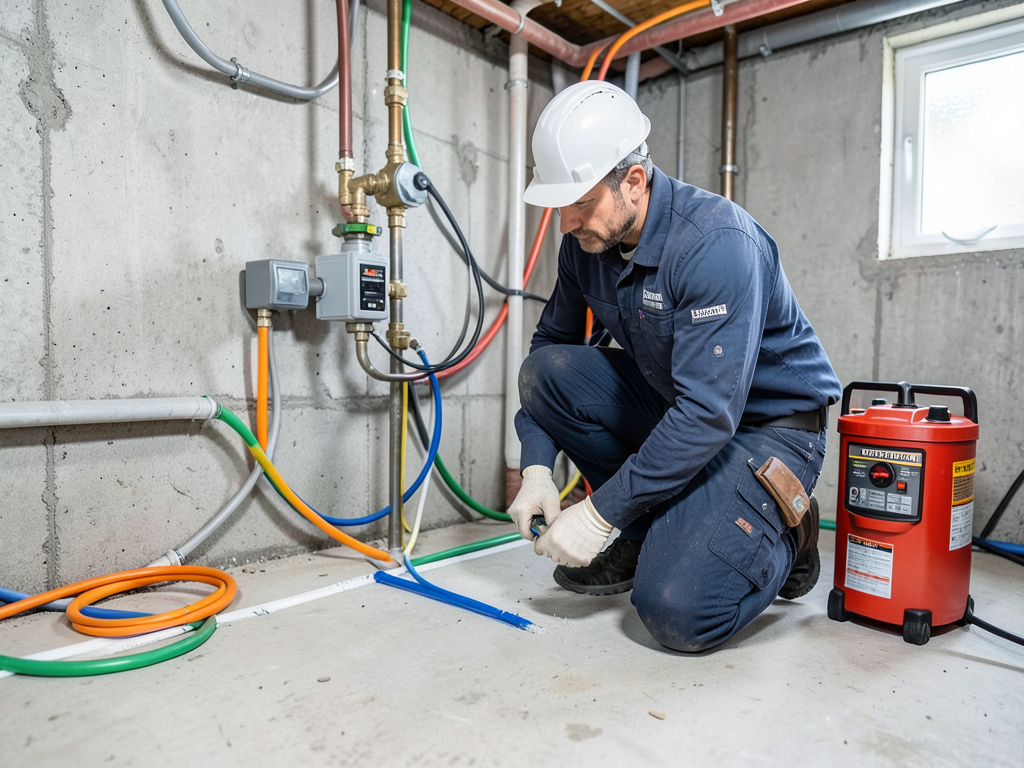
Hydronic systems use water heated by a boiler or water heater, while electric systems use resistance cables or mats. For Olentangy Valley basements, hydronic systems offer several advantages that make them the superior choice for whole-basement heating. Whole Home Repiping.
| Feature | Hydronic Systems | Electric Systems |
|---|---|---|
| Operating Cost | 30-50% lower than electric | Higher electricity rates in Ohio |
| Whole Basement Coverage | Excellent for large areas | Best for small zones only |
| Installation Complexity | Requires plumbing expertise | Simpler but limited capacity |
| Long-term Reliability | 20+ years with proper maintenance | 10-15 years typical lifespan |
| Heat Output | Consistent and powerful | Limited by electrical capacity |
Hydronic systems excel in Ohio’s climate because they can handle the sustained cold temperatures common in Olentangy Valley winters. The thermal mass of water provides steady, even heat that maintains comfortable temperatures even during extended cold snaps. Electric systems often struggle to keep up with Ohio’s heating demands and can lead to surprisingly high utility bills.
For basement applications, hydronic systems also offer better compatibility with various flooring materials. Whether you choose tile, engineered hardwood, or luxury vinyl plank, hydronic systems provide the consistent heat needed to warm these materials effectively. Electric systems may not generate enough heat to warm thicker flooring materials adequately.
Installation Process: What to Expect During Your Radiant Heating Project
Professional installation of hydronic radiant floor heating follows a systematic process that ensures optimal performance and longevity. The entire installation typically takes 3-5 days depending on basement size and complexity. Professional Main Line Cleaning Services for Busy Gahanna Households.
- Initial Assessment and Design
Our technicians evaluate your basement’s insulation, flooring plans, and existing heating system. We calculate heat loss using industry-standard software and design a custom tubing layout that ensures even heat distribution across all zones.
- Subfloor Preparation
The existing concrete slab receives cleaning and any necessary repairs. We install insulation boards to prevent heat loss downward, then add a vapor barrier to protect the system from moisture. This preparation step is crucial for system efficiency in Ohio’s climate. EPA WaterSense.
- Tubing Installation
Flexible PEX tubing gets secured to the subfloor according to the engineered design. We use specialized clips and staples to maintain proper spacing and prevent kinks. The tubing connects to a manifold that controls flow to different zones.
- Pressure Testing
Before covering the tubing, we pressurize the entire system and perform leak testing. This diagnostic step identifies any issues before the concrete or flooring goes down. We maintain pressure for 24 hours to ensure system integrity.
- Concrete or Gypsum Overlay
A thin concrete or gypsum concrete layer covers the tubing, providing thermal mass and protection. This layer typically ranges from 1.5 to 2 inches thick and creates a smooth surface for your final flooring.
- Boiler Integration and Controls
We connect the system to your existing boiler or install a new high-efficiency unit. Smart thermostats and zone controls allow you to adjust temperatures in different areas independently, maximizing comfort and energy savings.
Throughout the process, we follow all Franklin County building codes and manufacturer specifications. The pressure testing phase is particularly important – we use digital gauges to monitor pressure changes that might indicate small leaks invisible to the naked eye.
Energy Efficiency and Cost Savings in Central Ohio Winters
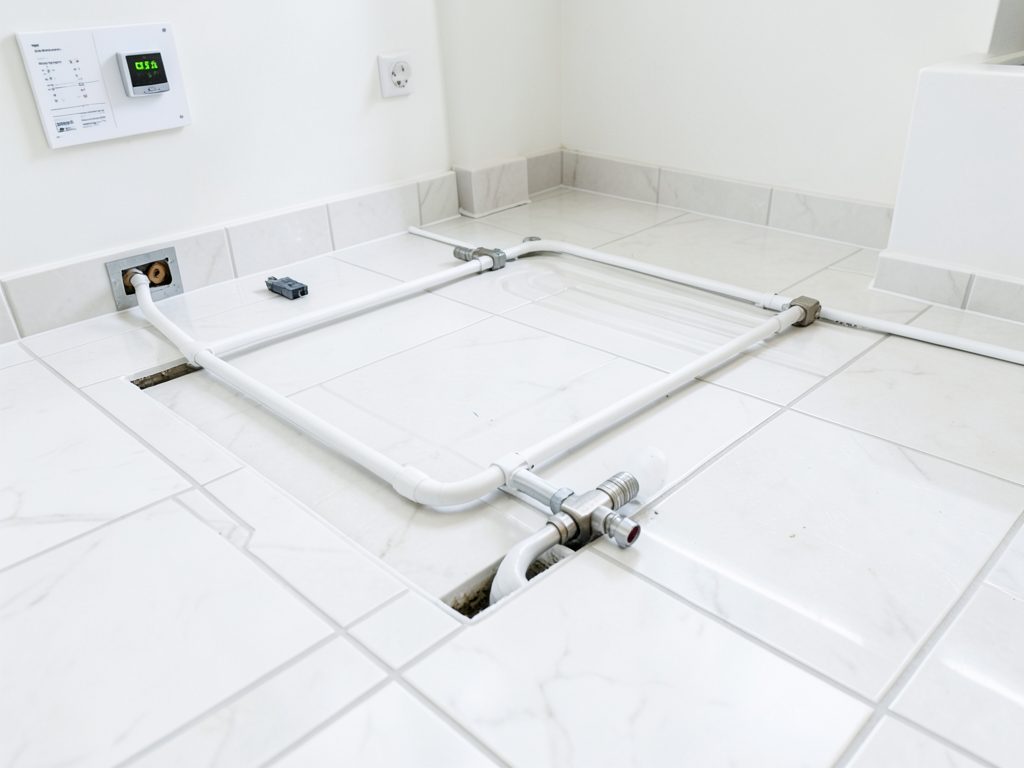
Hydronic radiant heating systems operate at 25-40% higher efficiency than forced-air systems in Ohio’s climate. The absence of ductwork eliminates heat loss through leaks and poor insulation. Water’s superior heat transfer properties mean the system can maintain comfortable temperatures using less energy than traditional heating methods.
In Olentangy Valley, where winter temperatures frequently drop below 20 degrees Fahrenheit, radiant systems maintain consistent comfort without the temperature swings common with forced air. The thermal mass of the floor and surrounding materials continues radiating heat even when the system cycles off, reducing overall energy consumption.
High-efficiency condensing boilers achieve 95% or greater efficiency by capturing heat from exhaust gases that would otherwise escape through the chimney. When paired with radiant floor systems, these boilers provide optimal performance for Ohio’s heating demands. The system can also integrate with your existing water heater, eliminating the need for separate equipment.
Zone control capabilities allow you to heat only occupied areas, further reducing energy costs. For example, you might keep your main living area at 72 degrees while maintaining a cooler 65 degrees in unused basement spaces. Smart thermostats learn your schedule and adjust temperatures automatically, maximizing both comfort and efficiency.
Many homeowners qualify for utility rebates when installing high-efficiency heating systems. Columbia Gas and AEP Ohio offer incentives for energy-efficient upgrades that meet specific efficiency standards. Our team can help you navigate these programs to maximize your investment return.
Perfect Flooring Choices for Radiant Heated Basements
Not all flooring materials work equally well with radiant heating. The best choices conduct heat effectively while maintaining durability in basement environments where moisture can be a concern.
| Flooring Material | Heat Transfer Rating | Moisture Resistance | Best For |
|---|---|---|---|
| Porcelain Tile | Excellent | Superior | Bathrooms, kitchens |
| Engineered Hardwood | Good | Moderate | Living areas, bedrooms |
| Luxury Vinyl Plank | Very Good | Excellent | High-traffic areas |
| Natural Stone | Excellent | Superior | Premium installations |
| Carpet (thin) | Poor | Variable | Not recommended |
Porcelain and ceramic tiles provide the best heat transfer and are completely unaffected by moisture, making them ideal for basement installations. These materials warm quickly and maintain consistent temperatures across their surface area.
Engineered hardwood offers the beauty of natural wood with better dimensional stability than solid hardwood. The engineered construction handles temperature changes better, reducing the risk of warping or gaps. However, it conducts heat less effectively than tile, so temperature settings may need adjustment.
Luxury vinyl plank combines excellent moisture resistance with good heat transfer properties. Modern LVP products can handle the temperature ranges produced by radiant systems while providing realistic wood or stone appearances at a lower cost than natural materials.
Natural stone like slate or marble provides premium aesthetics with excellent thermal properties. These materials store and radiate heat effectively, creating a luxurious feel underfoot. The main drawback is higher material and installation costs compared to other options.
Avoid thick carpet, solid hardwood, and cork flooring with radiant systems. These materials insulate against heat transfer, reducing system efficiency and creating cold spots. If carpet is desired, use minimal padding and low-pile products specifically rated for use over radiant heating.
Local Building Codes and Permit Requirements in Franklin County
Installing hydronic radiant floor heating in Olentangy Valley requires compliance with Franklin County building codes and Ohio Plumbing Code regulations. Understanding these requirements ensures your installation meets all safety standards and passes inspection.
The Ohio Plumbing Code, based on the International Plumbing Code, requires permits for all new heating system installations. Permit applications must include detailed system designs showing tubing layout, boiler specifications, and control systems. Franklin County Building Department typically processes permits within 3-5 business days for residential projects. National Association of Certified Home Inspectors.
Backflow prevention devices are mandatory for all hydronic heating systems connected to potable water supplies. These devices prevent contaminated water from flowing back into your drinking water system. The code requires annual testing of backflow preventers by certified testers, with documentation submitted to the county health department.
Pressure testing requirements specify minimum test pressures and durations. Systems must hold pressure without drop for at least 30 minutes at 1.5 times the maximum operating pressure. This testing ensures system integrity before final installation and prevents costly repairs after flooring is complete.
Ventilation requirements apply to boiler rooms and mechanical spaces. Combustion air must be provided according to manufacturer specifications and local code requirements. In finished basements, this often means installing louvered doors or dedicated ventilation ducts to ensure proper air supply.
Energy efficiency standards in Ohio require minimum AFUE ratings for new heating equipment. High-efficiency condensing boilers meet these requirements while providing superior performance. Our installations include all required safety controls, pressure relief valves, and temperature limit switches as mandated by code.
Working with licensed plumbers familiar with local requirements ensures your system meets all regulatory standards. We handle permit applications, coordinate inspections, and maintain documentation for warranty and code compliance purposes.
Maintenance and Troubleshooting Your Radiant Heating System
Hydronic radiant systems require minimal maintenance compared to forced-air systems, but regular attention ensures optimal performance and longevity. Annual professional inspection helps identify potential issues before they become costly problems.
Pressure monitoring provides early warning of system issues. Most radiant systems operate at 10-20 psi, with pressure drops indicating possible leaks or air in the system. Smart thermostats can alert you to pressure changes, allowing quick diagnosis of developing problems.
Air elimination is crucial for system efficiency. Air pockets in the tubing reduce heat transfer and can cause noise in the system. Automatic air vents installed at high points in the piping remove air continuously, while manual bleeding may be needed during initial commissioning or after system modifications.
Chemical treatment of the system water prevents corrosion and scale buildup. Corrosion inhibitors protect metal components, while pH balancing prevents damage to tubing and other system parts. Water quality testing every few years ensures treatment remains effective.
Zone valve maintenance involves checking operation and cleaning contacts. Stuck valves prevent proper temperature control in different areas. Lubricating valve stems and checking electrical connections ensures reliable operation throughout the heating season.
Boiler maintenance includes cleaning heat exchangers, checking combustion efficiency, and testing safety controls. High-efficiency condensing boilers require specific maintenance procedures to maintain their rated efficiency. Annual professional service typically includes all these tasks plus system performance testing.
Floor surface temperature monitoring prevents damage to flooring materials. Most flooring manufacturers specify maximum surface temperatures, typically between 80-85 degrees Fahrenheit. Smart thermostats with floor sensors prevent overheating while maintaining comfortable room temperatures.
Common issues include zone imbalance, where some areas receive too much or too little heat. This typically results from improper manifold balancing or air in the system. Professional adjustment of flow rates and air elimination usually resolves these problems quickly.
Why Choose Professional Installation Over DIY
Hydronic radiant floor heating installation requires specialized knowledge and equipment that most homeowners lack. Professional installation ensures code compliance, optimal performance, and warranty protection for your investment.
Design expertise prevents costly mistakes. Professional designers use heat loss calculations and tubing layout software to create systems that provide even heat distribution. DIY installations often result in cold spots, inefficient operation, or inadequate heating capacity for Ohio’s climate.
Plumbing code compliance requires specific materials, installation methods, and safety controls. Licensed plumbers understand these requirements and ensure your system meets all regulatory standards. Non-compliant installations can result in failed inspections, costly rework, or insurance issues.
Pressure testing requires specialized equipment and expertise. Professional technicians use digital gauges and systematic testing procedures to identify even small leaks. DIY pressure testing often misses problems that become major issues after flooring installation.
Warranty protection requires professional installation. Most manufacturers void warranties for non-professional installations, leaving you responsible for repair costs. Professional installation includes workmanship warranties that protect your investment.
System integration with existing heating equipment requires expertise in both plumbing and HVAC systems. Professional installers ensure proper boiler sizing, control integration, and backup heating system coordination. Poor integration can result in inefficient operation or system conflicts.
Time and cost savings often favor professional installation despite higher upfront costs. DIY projects frequently encounter unexpected problems that extend timelines and increase costs. Professional teams complete installations efficiently while avoiding common pitfalls that delay DIY projects.
Frequently Asked Questions
How much does hydronic radiant floor heating cost in Olentangy Valley?
Installation costs typically range from $8 to $15 per square foot, depending on system complexity, flooring choices, and whether you’re retrofitting or installing in new construction. A typical 1,000 square foot basement might cost $8,000 to $15,000 total. This investment often pays for itself through energy savings within 5-7 years.
Can I install radiant heating under existing flooring?
Retrofit installations are possible but more complex than new construction. We can install systems under some existing flooring types, though removal and replacement often provides better results. The existing subfloor condition and accessibility determine feasibility. Professional assessment helps determine the best approach for your specific situation.
How long does installation take and when can I use the system?
Complete installation typically requires 3-5 days. You can use the system immediately after commissioning and pressure testing, usually within one week of starting the project. The concrete or gypsum overlay needs 24-48 hours to cure before operating the heating system at full temperature.
Will radiant heating raise my ceiling height significantly?
The system adds approximately 1.5 to 2 inches to floor height, including tubing, insulation, and the overlay layer. This minimal height increase rarely creates issues in basements with standard 8-foot or higher ceilings. We can design systems to minimize height impact in spaces with clearance concerns.
What maintenance does the system require?
Annual professional inspection ensures optimal performance. This includes pressure testing, air elimination, chemical treatment checks, and boiler maintenance. Beyond annual service, the system requires minimal attention. Smart thermostats provide automatic monitoring and alert you to any developing issues.
Transform Your Basement with Professional Radiant Heating Installation
Hydronic radiant floor heating represents the ultimate luxury upgrade for Olentangy Valley basements, providing unmatched comfort, energy efficiency, and home value. This technology eliminates cold floors and drafty spaces while creating a warm, inviting environment perfect for year-round use.
Our team brings 15+ years of local experience to every installation, ensuring your system meets all Franklin County codes and performs optimally in Ohio’s demanding climate. We handle everything from initial design through final commissioning, including permit acquisition and inspection coordination.
Don’t let another winter pass with a cold, unused basement. Call (614) 707-7373 today to schedule your free consultation and discover how hydronic radiant heating can transform your Olentangy Valley home. Our experts will assess your space, answer your questions, and provide a detailed proposal tailored to your needs and budget.
Pick up the phone and call (614) 707-7373 before the next cold snap hits. Your warm, comfortable basement awaits.
{
“@context”: “https://schema.org”,
“@type”: “BlogPosting”,
“headline”: “Why Hydronic Radiant Floor Heating is the Ultimate Luxury Upgrade for Olentangy Valley Basements”,
“description”: “Discover why hydronic radiant floor heating transforms Olentangy Valley basements into year-round comfort zones. Learn installation costs, energy savings, and local expert service.”,
“wordCount”: 2620,
“datePublished”: “2026-03-16T08:45:00.000Z”,
“dateModified”: “2026-03-16T08:45:00.000Z”,
“inLanguage”: “en-US”,
“mainEntityOfPage”: {
“@type”: “WebPage”,
“@id”: “https://firstchoiceplumbingcolumbus.com”
},
“publisher”: {
“@type”: “LocalBusiness”,
“name”: “First Choice Plumbing Columbus”,
“url”: “https://firstchoiceplumbingcolumbus.com”
},
“author”: {
“@type”: “Organization”,
“name”: “First Choice Plumbing Columbus”,
“url”: “https://firstchoiceplumbingcolumbus.com”
},
“image”: {
“@type”: “ImageObject”,
“url”: “https://firstchoiceplumbingcolumbus.com/wp-content/uploads/2026/03/why-hydronic-radiant-floor-heating-is-the-ultimate-1.png”
}
}
{
“@context”: “https://schema.org”,
“@type”: “Plumber”,
“name”: “First Choice Plumbing Columbus”,
“url”: “https://firstchoiceplumbingcolumbus.com”,
“address”: {
“@type”: “PostalAddress”,
“addressLocality”: “Columbus”
},
“areaServed”: {
“@type”: “City”,
“name”: “Columbus”
}
}
{
“@context”: “https://schema.org”,
“@type”: “FAQPage”,
“mainEntity”: [
{
“@type”: “Question”,
“name”: “How much does hydronic radiant floor heating cost in Olentangy Valley?”,
“acceptedAnswer”: {
“@type”: “Answer”,
“text”: “Installation costs typically range from $8 to $15 per square foot, depending on system complexity, flooring choices, and whether you’re retrofitting or installing in new construction. A typical 1,000 square foot basement might cost $8,000 to $15,000 total. This investment often pays for itself through energy savings within 5-7 years.”
}
},
{
“@type”: “Question”,
“name”: “Can I install radiant heating under existing flooring?”,
“acceptedAnswer”: {
“@type”: “Answer”,
“text”: “Retrofit installations are possible but more complex than new construction. We can install systems under some existing flooring types, though removal and replacement often provides better results. The existing subfloor condition and accessibility determine feasibility. Professional assessment helps determine the best approach for your specific situation.”
}
},
{
“@type”: “Question”,
“name”: “How long does installation take and when can I use the system?”,
“acceptedAnswer”: {
“@type”: “Answer”,
“text”: “Complete installation typically requires 3-5 days. You can use the system immediately after commissioning and pressure testing, usually within one week of starting the project. The concrete or gypsum overlay needs 24-48 hours to cure before operating the heating system at full temperature.”
}
},
{
“@type”: “Question”,
“name”: “Will radiant heating raise my ceiling height significantly?”,
“acceptedAnswer”: {
“@type”: “Answer”,
“text”: “The system adds approximately 1.5 to 2 inches to floor height, including tubing, insulation, and the overlay layer. This minimal height increase rarely creates issues in basements with standard 8-foot or higher ceilings. We can design systems to minimize height impact in spaces with clearance concerns.”
}
},
{
“@type”: “Question”,
“name”: “What maintenance does the system require?”,
“acceptedAnswer”: {
“@type”: “Answer”,
“text”: “Annual professional inspection ensures optimal performance. This includes pressure testing, air elimination, chemical treatment checks, and boiler maintenance. Beyond annual service, the system requires minimal attention. Smart thermostats provide automatic monitoring and alert you to any developing issues.”
}
}
]
}
{
“@context”: “https://schema.org”,
“@type”: “HowTo”,
“name”: “Hydronic Radiant Installation Process”,
“step”: [
{
“@type”: “HowToStep”,
“position”: 1,
“name”: “Initial Assessment and Design”,
“text”: “Our technicians evaluate your basement’s insulation, flooring plans, and existing heating system. We calculate heat loss using industry-standard software and design a custom tubing layout that ensures even heat distribution across all zones.”
},
{
“@type”: “HowToStep”,
“position”: 2,
“name”: “Subfloor Preparation”,
“text”: “The existing concrete slab receives cleaning and any necessary repairs. We install insulation boards to prevent heat loss downward, then add a vapor barrier to protect the system from moisture. This preparation step is crucial for system efficiency in Ohio’s climate. EPA WaterSense.”
},
{
“@type”: “HowToStep”,
“position”: 3,
“name”: “Tubing Installation”,
“text”: “Flexible PEX tubing gets secured to the subfloor according to the engineered design. We use specialized clips and staples to maintain proper spacing and prevent kinks. The tubing connects to a manifold that controls flow to different zones.”
},
{
“@type”: “HowToStep”,
“position”: 4,
“name”: “Pressure Testing”,
“text”: “Before covering the tubing, we pressurize the entire system and perform leak testing. This diagnostic step identifies any issues before the concrete or flooring goes down. We maintain pressure for 24 hours to ensure system integrity.”
},
{
“@type”: “HowToStep”,
“position”: 5,
“name”: “Concrete or Gypsum Overlay”,
“text”: “A thin concrete or gypsum concrete layer covers the tubing, providing thermal mass and protection. This layer typically ranges from 1.5 to 2 inches thick and creates a smooth surface for your final flooring.”
},
{
“@type”: “HowToStep”,
“position”: 6,
“name”: “Boiler Integration and Controls”,
“text”: “We connect the system to your existing boiler or install a new high-efficiency unit. Smart thermostats and zone controls allow you to adjust temperatures in different areas independently, maximizing comfort and energy savings.”
}
],
“image”: “https://firstchoiceplumbingcolumbus.com/wp-content/uploads/2026/03/why-hydronic-radiant-floor-heating-is-the-ultimate-1.png”
}
{
“@context”: “https://schema.org”,
“@type”: “BreadcrumbList”,
“itemListElement”: [
{
“@type”: “ListItem”,
“position”: 1,
“name”: “Home”,
“item”: “https://firstchoiceplumbingcolumbus.com”
},
{
“@type”: “ListItem”,
“position”: 2,
“name”: “Blog”,
“item”: “https://firstchoiceplumbingcolumbus.com/blog”
},
{
“@type”: “ListItem”,
“position”: 3,
“name”: “Why Hydronic Radiant Floor Heating is the Ultimate Luxury Upgrade for Olentangy Valley Basements”
}
]
}
{
“@context”: “https://schema.org”,
“@type”: “Service”,
“serviceType”: “Plumbing”,
“provider”: {
“@type”: “LocalBusiness”,
“name”: “First Choice Plumbing Columbus”,
“url”: “https://firstchoiceplumbingcolumbus.com”
},
“areaServed”: {
“@type”: “City”,
“name”: “Columbus”
},
“description”: “Discover why hydronic radiant floor heating transforms Olentangy Valley basements into year-round comfort zones. Learn installation costs, energy savings, and local expert service.”
}