Upgrading Your Whitehall Laundry Room with Modern Drain Lines and Better Hoses
Older homes in Whitehall often have laundry rooms with outdated plumbing that can lead to leaks, clogs, and water damage. Modernizing your laundry room with upgraded drain lines, braided stainless steel hoses, and code-compliant fixtures not only prevents costly repairs but also improves efficiency and peace of mind. Whether you’re dealing with frequent washer overflows or simply want to future-proof your home, understanding the components and requirements of a modern laundry room is the first step toward a safer, more reliable setup. EPA WaterSense standards.
Common Laundry Room Plumbing Components
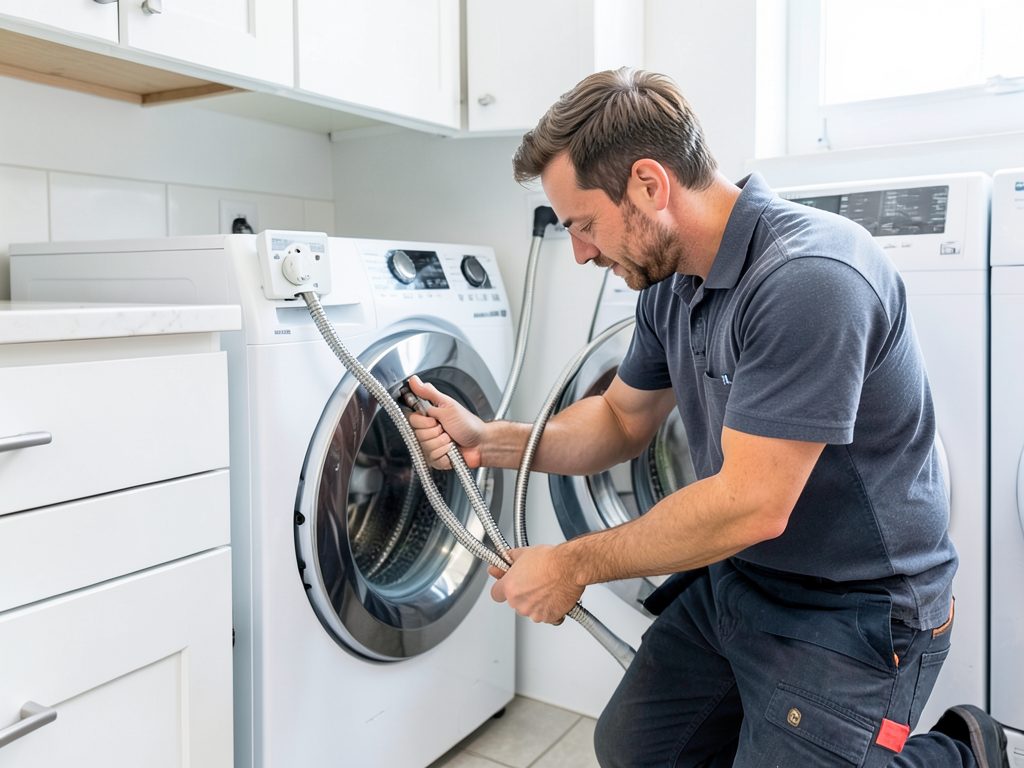
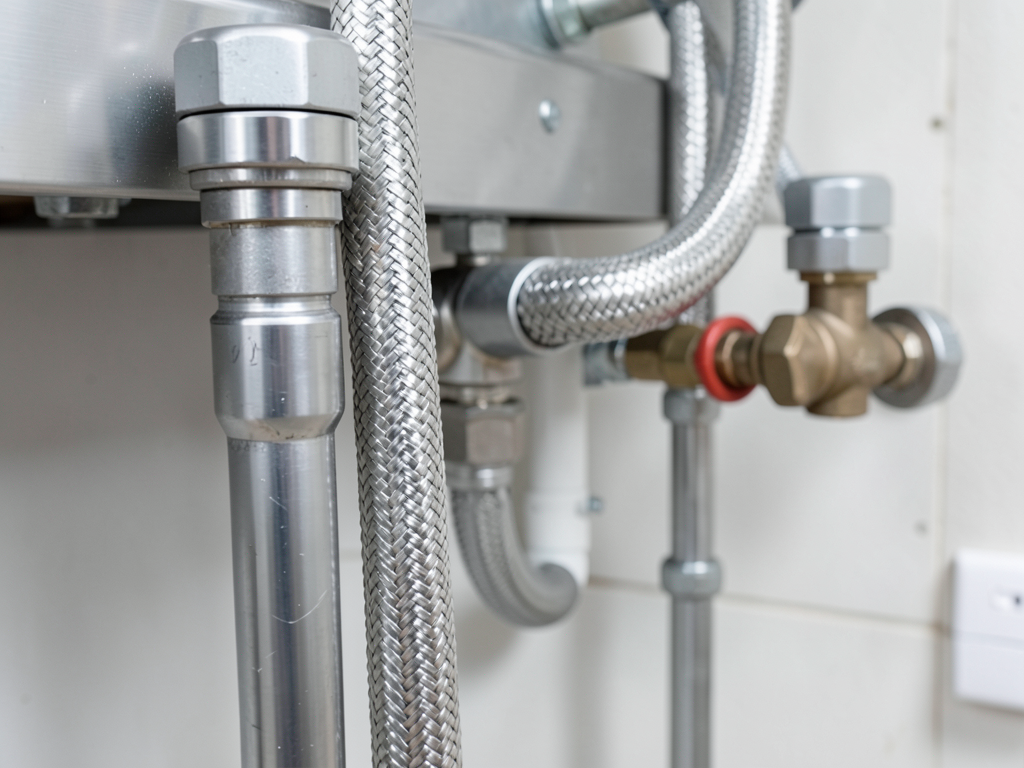
A properly functioning laundry room relies on several key components working together. The washing machine outlet box houses the hot and cold water supply valves and connects to braided stainless steel hoses that feed your washer. The standpipe, typically 2 inches in diameter, receives wastewater from the washer and drains it through a P-trap to prevent sewer gases from entering your home. Many Whitehall homes also feature a floor drain as a secondary overflow protection measure. Your Best Options for Fast Water Heater Replacement in Dublin.
Braided stainless steel hoses have become the industry standard due to their durability and resistance to bursting compared to traditional rubber hoses. These hoses typically last 5-7 years, while rubber hoses may fail in as little as 3-5 years, especially in homes with hard water common in Central Ohio. Ohio Plumbing Code requirements.
Proper standpipe height is critical for preventing backflow and ensuring efficient drainage. The standpipe should extend 18 to 30 inches above the finished floor but not exceed 42 inches to maintain proper water seal in the P-trap. This height requirement is specified in the Ohio Plumbing Code to prevent siphoning and ensure proper venting. Water Heater Maintenance Tips.
Ohio Plumbing Code Requirements for Laundry Rooms
The Ohio Plumbing Code (OPC) establishes specific requirements for laundry room installations to ensure safety and functionality. For drain lines, a minimum 2-inch diameter pipe is required to handle the washer’s discharge rate. The standpipe must be vented through the building’s DWV (drain-waste-vent) system to prevent pressure buildup and maintain proper trap seals.
Floor drains in laundry rooms must be connected to the building’s sanitary sewer system and equipped with a backwater valve in areas prone to sewer backups. In Whitehall, where many homes have basements or utility rooms on lower levels, this secondary protection is particularly important.. Read more about How to Tell if That Strange Smell is Sewer Gas or Just a Dry Drain Trap.
Water supply lines must be protected by individual shut-off valves for both hot and cold water. These valves should be easily accessible and clearly marked. The OPC also requires that washing machine outlet boxes be installed at a height that allows for proper hose connections without kinking or excessive bending.
Laundry Room Relocation and Installation
Moving a laundry room from a basement to a main floor or second story requires careful planning and code compliance. The process involves running new supply lines, installing proper drainage, and ensuring adequate structural support for the added weight of water and appliances. In Whitehall’s older homes, this often means working around existing plumbing and electrical systems.
When relocating laundry facilities, you’ll need to consider floor reinforcement, especially for second-story installations. A typical washer and dryer setup can weigh several hundred pounds when filled with water, and the floor must support this load without sagging or causing damage to the structure below.
Proper drainage becomes more complex with elevation changes. A washing machine pump typically moves water 4-6 feet vertically, but additional height may require a sewage ejector pump. These pumps are common in Whitehall homes where laundry rooms are below the main sewer line elevation.
Emergency Repairs: Leaks, Clogs, and Backups
Common laundry room plumbing emergencies in Whitehall often stem from hard water buildup, which can restrict flow through valves and cause premature failure. Signs of trouble include reduced water pressure, discolored water from faucets, and visible mineral deposits on fixtures. These issues are particularly prevalent in areas with high mineral content in the water supply.
Floor drain backups represent another frequent problem, especially during heavy rains when the municipal sewer system becomes overwhelmed. Installing a backwater valve can prevent sewage from backing up into your laundry room, but it requires professional installation to ensure proper function and code compliance. Professional Main Line Cleaning Services for Busy Gahanna Households.
Burst washing machine hoses can release up to 500 gallons of water per hour, causing extensive damage before you can shut off the supply. The sound of a burst hose is often described as a loud pop followed by rushing water. Quick detection and shut-off are critical to minimizing damage.
Why Choose a Licensed Columbus Plumber?
Working with a licensed Columbus plumber ensures your laundry room upgrade meets all local code requirements and manufacturer specifications. Professional plumbers understand the unique challenges of Whitehall’s older homes, including galvanized pipe corrosion, outdated venting systems, and the impact of seasonal temperature changes on plumbing systems.
A licensed plumber will also ensure proper permits are obtained through the City of Columbus Building Department, which is required for any plumbing work that involves new installations or major modifications. This documentation is important for insurance purposes and future home sales.
Professional installation includes proper testing of all connections, verification of drainage rates, and inspection of existing plumbing for potential issues that could affect your new laundry room setup. This comprehensive approach prevents callbacks and ensures long-term reliability.
Upgrading to Modern Laundry Room Features
Modern laundry room upgrades extend beyond basic plumbing to include features that enhance convenience and safety. Smart water shut-off valves can detect leaks and automatically cut off water supply, preventing extensive damage from burst hoses or failed connections. These systems typically cost $200-400 installed and can save thousands in potential water damage repairs.
Water hammer arrestors installed on supply lines prevent the banging noises and pipe stress caused by sudden valve closures. This is particularly important in Whitehall homes where older plumbing may already be weakened by years of use and mineral buildup.
Upgrading to PEX (cross-linked polyethylene) supply lines offers several advantages over traditional copper or galvanized pipes. PEX is more flexible, resistant to freeze damage, and doesn’t corrode like metal pipes. It’s also easier to install in tight spaces common in laundry room setups. Is Upgrading to a Tankless Water Heater Worth It for Hilliard Homeowners?.
Cost Considerations for Laundry Room Upgrades
The cost of upgrading your Whitehall laundry room plumbing varies significantly based on the scope of work. Basic hose and valve replacement typically costs $150-300, while a complete laundry room relocation can range from $2,000-5,000 depending on the complexity of the plumbing and electrical work required.
Installing a new washing machine outlet box with proper venting and drainage averages $400-600. Adding a floor drain with backwater prevention increases the cost by $300-500 but provides valuable secondary protection against flooding.
Smart leak detection systems and automatic shut-off valves represent a higher upfront investment of $500-1,000 but can prevent catastrophic water damage that could cost $10,000 or more to repair.
Maintenance Tips for Your Upgraded Laundry Room
Regular maintenance extends the life of your laundry room plumbing and prevents unexpected failures. Check washing machine hoses annually for signs of wear, bulging, or corrosion. Replace braided stainless steel hoses every 5-7 years as a preventive measure, even if they appear to be in good condition.
Clean your washing machine’s lint filter regularly to prevent clogs in the drain system. Consider installing a lint trap on your washing machine discharge hose to catch debris before it enters your plumbing system.
During winter months, ensure laundry room pipes are properly insulated to prevent freezing, especially in homes with pipes running through exterior walls or unheated spaces. The freeze-thaw cycle common in Central Ohio can cause pipes to expand and contract, leading to joint failures over time.
Choosing the Right Materials for Your Upgrade
Material selection impacts both the performance and longevity of your laundry room plumbing. For supply lines, PEX offers flexibility and freeze resistance, while copper provides durability and is code-approved for all applications. The choice often depends on your home’s existing plumbing and local water quality.
Drain pipes should be Schedule 40 PVC for durability and proper flow rates. Avoid using thin-wall pipes that can crack or deform under the pressure of washer discharge. The OPC requires specific pipe wall thickness based on the application and water pressure.
Brass valves and fittings offer superior corrosion resistance compared to cheaper alternatives, though they come at a higher initial cost. For Whitehall’s hard water conditions, the investment in quality materials typically pays for itself through longer service life and fewer maintenance issues.
Frequently Asked Questions
How often should I replace my washing machine hoses?
Braided stainless steel washing machine hoses should be replaced every 5-7 years as preventive maintenance. Rubber hoses typically need replacement every 3-5 years. Check hoses annually for signs of wear, bulging, or corrosion, and replace immediately if any damage is found.
Do I need a permit to upgrade my laundry room plumbing?
Yes, most plumbing upgrades in Whitehall require permits from the City of Columbus Building Department. This includes installing new fixtures, moving existing plumbing, or making modifications to the drainage system. A licensed plumber can handle the permit process and ensure all work meets local code requirements.
What causes my washing machine to overflow during the drain cycle?
Overflows typically result from clogged standpipes, improper venting, or drain line blockages. The standpipe may be too small for your washer’s discharge rate, or the P-trap may be installed incorrectly. Hard water buildup can also restrict flow through the drainage system.
Can I install a laundry room in my basement if the floor drain backs up?
Yes, but you’ll need to install a backwater valve on the floor drain to prevent sewage backup. In some cases, a sewage ejector pump may be required if the laundry room is below the main sewer line elevation. Both solutions require professional installation and proper permits.
How do I know if my laundry room plumbing meets current code?
A licensed plumber can inspect your existing plumbing and verify code compliance. Key indicators of outdated or non-compliant plumbing include galvanized supply lines, missing individual shut-off valves, improper standpipe height, and inadequate venting. Most homes built before 2000 will need some updates to meet current standards.
- Assessment and Planning
Evaluate existing plumbing, determine upgrade scope, and obtain necessary permits from the City of Columbus Building Department.
- Water Supply Preparation
Shut off main water supply, remove old supply lines and valves, and prepare mounting surfaces for new outlet box installation.
- Install New Components
Mount washing machine outlet box, install new shut-off valves, connect PEX or copper supply lines, and ensure proper support for all connections.
- drainage System Setup
Install standpipe at correct height (18-30 inches), connect P-trap, run drain line to main stack, and verify proper venting.
- Testing and Final Inspection
Pressure test supply lines, verify drain flow rates, check for leaks, and schedule final inspection if required by local authorities.
Upgrading your Whitehall laundry room plumbing is an investment in your home’s safety and efficiency. With proper planning, quality materials, and professional installation, you can prevent costly water damage and enjoy reliable laundry facilities for years to come. Don’t wait for a plumbing emergency to force your hand – take control of your home’s plumbing infrastructure today. Finding an Emergency Plumber in Columbus Who Can Actually Show Up Today.
Call (614) 707-7373 today to schedule your laundry room plumbing inspection and upgrade. Our licensed Columbus plumbers are ready to help you modernize your laundry space with code-compliant, reliable solutions that protect your home and family.
{
“@context”: “https://schema.org”,
“@type”: “BlogPosting”,
“headline”: “Upgrading Your Whitehall Laundry Room with Modern Drain Lines and Better Hoses”,
“description”: “Upgrade your Whitehall laundry room with modern drain lines, braided hoses, and code-compliant fixtures. Prevent floods and improve efficiency with local plumbing expertise.”,
“wordCount”: 1944,
“datePublished”: “2026-03-22T11:06:00.000Z”,
“dateModified”: “2026-03-22T11:06:00.000Z”,
“inLanguage”: “en-US”,
“mainEntityOfPage”: {
“@type”: “WebPage”,
“@id”: “https://firstchoiceplumbingcolumbus.com”
},
“publisher”: {
“@type”: “LocalBusiness”,
“name”: “First Choice Plumbing Columbus”,
“url”: “https://firstchoiceplumbingcolumbus.com”
},
“author”: {
“@type”: “Organization”,
“name”: “First Choice Plumbing Columbus”,
“url”: “https://firstchoiceplumbingcolumbus.com”
},
“image”: {
“@type”: “ImageObject”,
“url”: “https://firstchoiceplumbingcolumbus.com/wp-content/uploads/2026/03/upgrading-your-whitehall-laundry-room-with-modern-1.png”
}
}
{
“@context”: “https://schema.org”,
“@type”: “Plumber”,
“name”: “First Choice Plumbing Columbus”,
“url”: “https://firstchoiceplumbingcolumbus.com”,
“address”: {
“@type”: “PostalAddress”,
“addressLocality”: “Columbus”
},
“areaServed”: {
“@type”: “City”,
“name”: “Columbus”
}
}
{
“@context”: “https://schema.org”,
“@type”: “FAQPage”,
“mainEntity”: [
{
“@type”: “Question”,
“name”: “Why Choose a Licensed Columbus Plumber?”,
“acceptedAnswer”: {
“@type”: “Answer”,
“text”: “Working with a licensed Columbus plumber ensures your laundry room upgrade meets all local code requirements and manufacturer specifications. Professional plumbers understand the unique challenges of Whitehall’s older homes, including galvanized pipe corrosion, outdated venting systems, and the impact of seasonal temperature changes on plumbing systems.”
}
},
{
“@type”: “Question”,
“name”: “How often should I replace my washing machine hoses?”,
“acceptedAnswer”: {
“@type”: “Answer”,
“text”: “Braided stainless steel washing machine hoses should be replaced every 5-7 years as preventive maintenance. Rubber hoses typically need replacement every 3-5 years. Check hoses annually for signs of wear, bulging, or corrosion, and replace immediately if any damage is found.”
}
},
{
“@type”: “Question”,
“name”: “Do I need a permit to upgrade my laundry room plumbing?”,
“acceptedAnswer”: {
“@type”: “Answer”,
“text”: “Yes, most plumbing upgrades in Whitehall require permits from the City of Columbus Building Department. This includes installing new fixtures, moving existing plumbing, or making modifications to the drainage system. A licensed plumber can handle the permit process and ensure all work meets local code requirements.”
}
},
{
“@type”: “Question”,
“name”: “What causes my washing machine to overflow during the drain cycle?”,
“acceptedAnswer”: {
“@type”: “Answer”,
“text”: “Overflows typically result from clogged standpipes, improper venting, or drain line blockages. The standpipe may be too small for your washer’s discharge rate, or the P-trap may be installed incorrectly. Hard water buildup can also restrict flow through the drainage system.”
}
},
{
“@type”: “Question”,
“name”: “Can I install a laundry room in my basement if the floor drain backs up?”,
“acceptedAnswer”: {
“@type”: “Answer”,
“text”: “Yes, but you’ll need to install a backwater valve on the floor drain to prevent sewage backup. In some cases, a sewage ejector pump may be required if the laundry room is below the main sewer line elevation. Both solutions require professional installation and proper permits.”
}
},
{
“@type”: “Question”,
“name”: “How do I know if my laundry room plumbing meets current code?”,
“acceptedAnswer”: {
“@type”: “Answer”,
“text”: “A licensed plumber can inspect your existing plumbing and verify code compliance. Key indicators of outdated or non-compliant plumbing include galvanized supply lines, missing individual shut-off valves, improper standpipe height, and inadequate venting. Most homes built before 2000 will need some updates to meet current standards.”
}
}
]
}
{
“@context”: “https://schema.org”,
“@type”: “HowTo”,
“name”: “How to Upgrade Your Laundry Room Plumbing”,
“step”: [
{
“@type”: “HowToStep”,
“position”: 1,
“name”: “Assessment and Planning”,
“text”: “Evaluate existing plumbing, determine upgrade scope, and obtain necessary permits from the City of Columbus Building Department.”
},
{
“@type”: “HowToStep”,
“position”: 2,
“name”: “Water Supply Preparation”,
“text”: “Shut off main water supply, remove old supply lines and valves, and prepare mounting surfaces for new outlet box installation.”
},
{
“@type”: “HowToStep”,
“position”: 3,
“name”: “Install New Components”,
“text”: “Mount washing machine outlet box, install new shut-off valves, connect PEX or copper supply lines, and ensure proper support for all connections.”
},
{
“@type”: “HowToStep”,
“position”: 4,
“name”: “drainage System Setup”,
“text”: “Install standpipe at correct height (18-30 inches), connect P-trap, run drain line to main stack, and verify proper venting.”
},
{
“@type”: “HowToStep”,
“position”: 5,
“name”: “Testing and Final Inspection”,
“text”: “Pressure test supply lines, verify drain flow rates, check for leaks, and schedule final inspection if required by local authorities.”
}
],
“image”: “https://firstchoiceplumbingcolumbus.com/wp-content/uploads/2026/03/upgrading-your-whitehall-laundry-room-with-modern-1.png”
}
{
“@context”: “https://schema.org”,
“@type”: “BreadcrumbList”,
“itemListElement”: [
{
“@type”: “ListItem”,
“position”: 1,
“name”: “Home”,
“item”: “https://firstchoiceplumbingcolumbus.com”
},
{
“@type”: “ListItem”,
“position”: 2,
“name”: “Blog”,
“item”: “https://firstchoiceplumbingcolumbus.com/blog”
},
{
“@type”: “ListItem”,
“position”: 3,
“name”: “Upgrading Your Whitehall Laundry Room with Modern Drain Lines and Better Hoses”
}
]
}
{
“@context”: “https://schema.org”,
“@type”: “Service”,
“serviceType”: “Plumbing”,
“provider”: {
“@type”: “LocalBusiness”,
“name”: “First Choice Plumbing Columbus”,
“url”: “https://firstchoiceplumbingcolumbus.com”
},
“areaServed”: {
“@type”: “City”,
“name”: “Columbus”
},
“description”: “Upgrade your Whitehall laundry room with modern drain lines, braided hoses, and code-compliant fixtures. Prevent floods and improve efficiency with local plumbing expertise.”
}