Preserving the Historic Plumbing Systems in Your Victorian Village Home
Victorian Village homes built between 1870 and 1920 feature intricate architectural details and craftsmanship rarely seen in modern construction. These historic properties also contain plumbing systems that have served for over a century but now require specialized care. The original galvanized steel supply lines, cast iron waste stacks, and clay sewer pipes that once represented cutting-edge technology have reached the end of their service life. Understanding the unique challenges of maintaining these systems while preserving historic integrity requires both technical expertise and knowledge of Columbus Historic Preservation Office requirements. Columbus Historic Preservation Office.
Columbus’s Victorian Village neighborhood contains some of the city’s most architecturally significant homes. These properties sit on foundations that have settled over decades, creating stress points in aging plumbing infrastructure. The combination of original materials, foundation movement, and modern water pressure demands creates a perfect storm of potential failures. Homeowners face a critical decision: how to upgrade essential systems without compromising the historic character that makes these homes valuable. Your Best Options for Fast Water Heater Replacement in Dublin.
Common Plumbing Issues in Victorian Village Historic Homes
Galvanized steel pipes were the standard for water supply in homes built before 1940. These pipes corrode from the inside out, creating a rough surface that restricts water flow and harbors bacteria. The corrosion process typically begins at the joints where different metals meet, accelerating deterioration. A Victorian Village home with original galvanized supply lines often experiences reduced water pressure, discolored water, and frequent leaks at connection points. Keep Your German Village Basement Dry with a Better Sump Pump System.
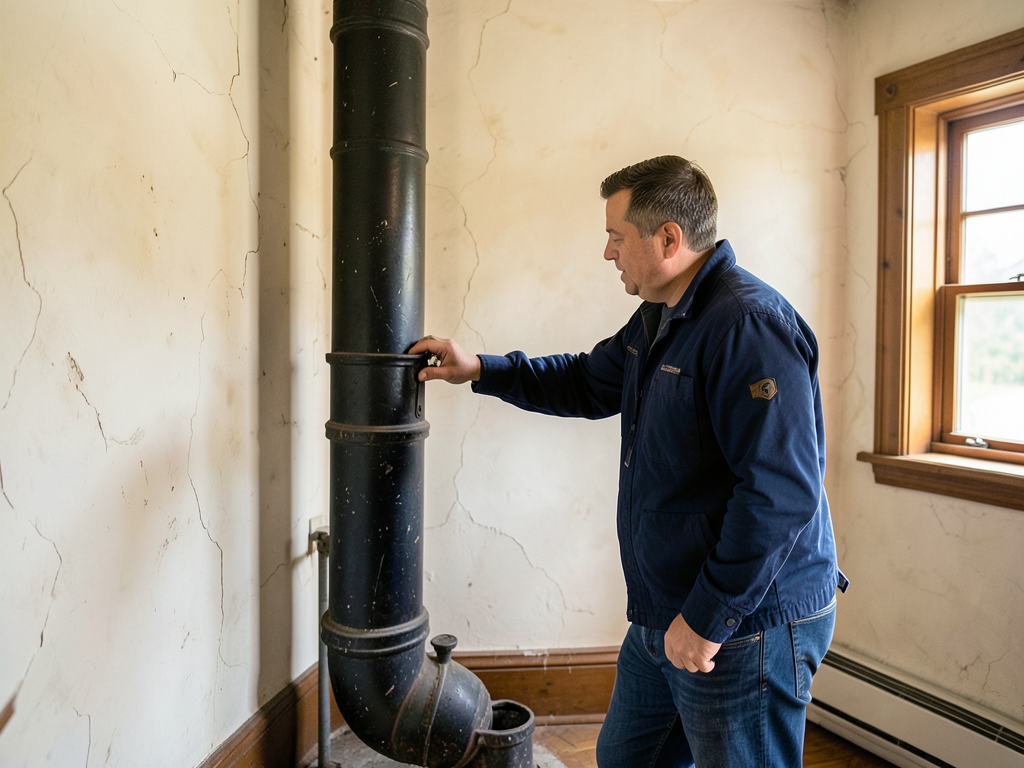
Cast iron waste stacks installed in these homes use bell-and-spigot joints sealed with molten lead and oakum. These joints deteriorate over time, allowing sewer gases to escape and creating potential health hazards. The cast iron itself becomes brittle with age, particularly in areas where temperature fluctuations are extreme. Many Victorian Village homes experience slow drains and gurgling sounds from waste lines that indicate failing cast iron stacks.. Read more about What a Sewer Camera Inspection Actually Shows You (And Why You Might Need One in Reynoldsburg).
Clay sewer pipes connected the homes to the municipal sewer system. These pipes were joined using a process called vitrification, creating a relatively watertight seal. However, tree roots seek out the moisture in these pipes, infiltrating through tiny cracks and expanding to block flow. The clay material itself becomes fragile with age, making it susceptible to cracking from ground movement or heavy equipment above.. Read more about Comparing PEX and Copper Pipes for Your Next Columbus Home Repiping Project.
Navigating Columbus Historic Preservation Requirements
The Columbus Historic Preservation Office requires review for any exterior modifications to properties within designated historic districts. Plumbing work that affects the home’s exterior appearance, such as vent stacks or cleanout locations, must receive approval before proceeding. The office evaluates proposals based on whether they preserve the building’s historic character and architectural integrity.. Read more about Reliable Commercial Plumbing Services for Short North Restaurants and Retailers.
Victorian Village falls within the Near North Side Historic District, which includes specific guidelines for maintaining historic authenticity. These guidelines address everything from paint colors to material choices for repairs. Plumbing modifications must demonstrate how they will be concealed or integrated into the existing structure without creating visual disruptions to the historic facade. EPA Lead Information.
The Ohio Plumbing Code allows for certain exemptions when working on historic properties, but these must be documented and justified. For example, the code typically requires 2-inch drain lines for all fixtures, but historic homes may have narrower original lines that cannot accommodate modern standards without extensive wall demolition. Working with a plumber who understands both modern code requirements and historic preservation guidelines becomes essential for successful renovations.
Non-Invasive Plumbing Solutions for Historic Homes
Trenchless pipe lining technology offers a solution for replacing damaged sewer lines without digging up historic landscaping or disrupting mature trees. This process involves inserting a flexible liner coated with epoxy resin into the existing pipe. The liner is then inflated and cured in place, creating a new pipe within the old one. This method preserves the exterior appearance of the property while providing a durable, modern sewer line.
Point repair techniques allow plumbers to fix specific sections of damaged cast iron stacks without replacing entire systems. Using specialized cameras, technicians can locate exact failure points and access them through small openings rather than demolishing walls. This surgical approach minimizes damage to historic plaster and woodwork while addressing the specific problem areas.
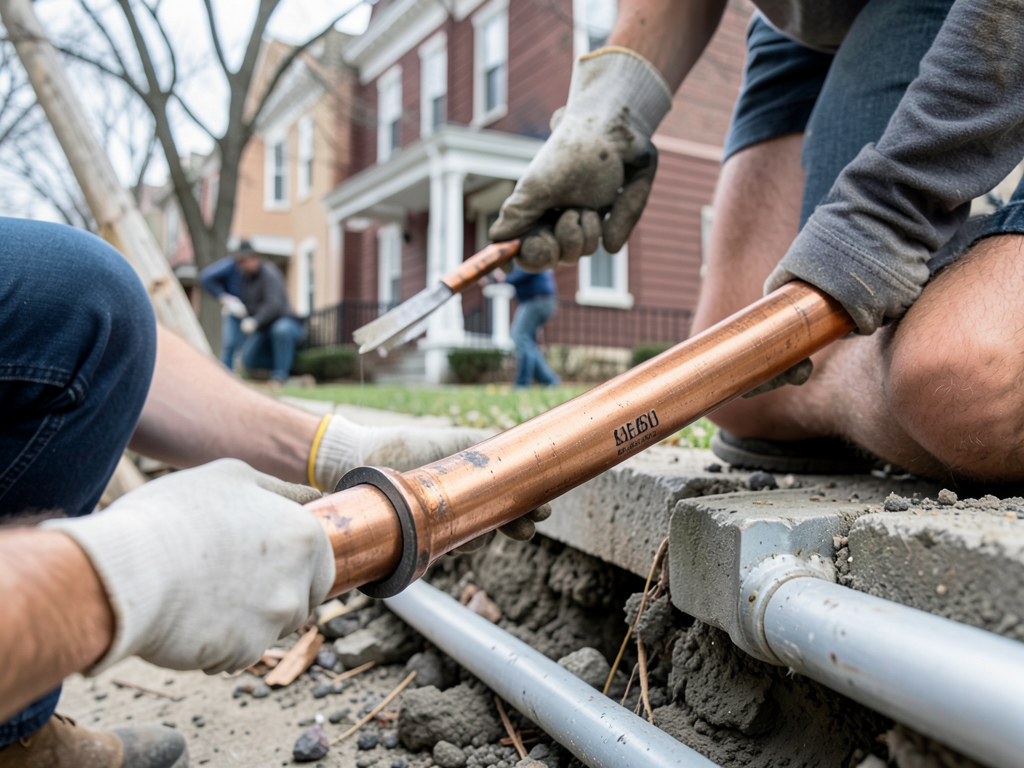
Modern PEX piping can be installed using minimal invasive techniques that preserve historic walls and ceilings. PEX’s flexibility allows it to be snaked through existing wall cavities without creating large openings. This material resists corrosion and scale buildup, providing reliable service for decades while maintaining the home’s original appearance from the exterior.
Lead Pipe Identification and Mitigation
Many Victorian Village homes contain lead service lines connecting the municipal water main to the home’s plumbing system. These pipes were commonly used until the 1950s and pose health risks, particularly to children and pregnant women. Lead pipes appear dull gray and are easily scratched with a screwdriver, revealing a bright silver color underneath.
The Columbus Lead Service Line Replacement Program offers financial assistance for replacing lead service lines. Homeowners in Victorian Village may qualify for partial or full funding through this program, making lead pipe replacement more affordable. The program requires coordination with the Columbus Division of Water to ensure proper disconnection of the old lead service and installation of the new copper line.
Testing for lead in drinking water involves collecting samples from multiple locations throughout the home. Water that sits in lead pipes for extended periods tends to have higher lead concentrations. Running water for 30 seconds before use can reduce lead exposure, but replacement remains the only permanent solution for homes with lead service lines.
Preserving Original Fixtures and Hardware
Many Victorian Village homes feature original clawfoot tubs, pedestal sinks, and brass fixtures that contribute to the historic character. These fixtures often require specialized restoration rather than replacement. Replating worn brass fixtures, repairing porcelain chips, and resealing cast iron tubs can restore their original beauty while maintaining authenticity.
Modern low-flow fixtures can be adapted to work with original hardware. Concealed retrofit kits allow homeowners to maintain the appearance of historic fixtures while meeting current water efficiency standards. These kits include modern valve mechanisms hidden within the original escutcheon plates and handles.
Antique plumbing hardware, such as ornate escutcheon plates and decorative supply lines, can be preserved during renovations. Skilled plumbers can work around these elements, protecting them during demolition and reinstallation. This attention to detail ensures that the finished project maintains the home’s historic character while providing modern functionality.
Water Pressure Issues in Historic Multi-Story Homes
Victorian Village homes often feature three or more stories with original plumbing designed for lower water pressure systems. Modern municipal water pressure can exceed the capacity of these aging systems, causing leaks and fixture failures. The narrow diameter of original supply lines creates additional resistance to flow, particularly on upper floors.
Pressure-reducing valves installed at the main water line can protect historic plumbing from excessive pressure. These valves maintain consistent pressure throughout the home, preventing stress on old pipes and fixtures. Proper sizing and installation of these devices requires understanding both the home’s plumbing layout and modern pressure requirements.
Recirculation systems can address the long wait times for hot water in historic homes with extensive plumbing runs. These systems keep hot water circulating through the pipes, providing instant hot water at fixtures while reducing water waste. Modern recirculation pumps can be installed with minimal impact on the home’s historic character.
Insurance Considerations for Historic Home Plumbing
Insurance companies often require documentation of plumbing system condition for historic homes. Some policies may exclude coverage for original plumbing systems or impose higher deductibles for plumbing-related claims. Proactive replacement of aging components can reduce insurance costs and improve coverage terms.
Documentation of plumbing upgrades can increase a historic home’s value and marketability. Receipts, permits, and before-and-after photographs demonstrate that the home has been properly maintained and updated. This documentation becomes particularly valuable when selling a historic property or applying for historic preservation grants.
Some insurance providers offer specialized coverage for historic homes that includes provisions for maintaining original character during repairs. These policies may require using specific materials or restoration techniques that preserve the home’s historic integrity while providing adequate protection.
Cost Factors for Historic Plumbing Restoration
Historic plumbing restoration typically costs 30-50% more than standard plumbing work due to the specialized skills and materials required. The need to preserve historic elements, navigate preservation requirements, and use non-invasive techniques adds complexity to every project. However, these investments protect the home’s long-term value and character.
Material costs for historic restoration often exceed standard plumbing prices. Lead-free solder, copper pipes meeting specific wall thickness requirements, and specialized fittings compatible with original systems all contribute to higher material costs. The need for custom-fabricated parts to match original specifications can further increase expenses.
Labor costs reflect the additional time required for careful demolition, preservation of historic elements, and specialized installation techniques. Plumbers working on historic homes must exercise extreme caution to avoid damaging irreplaceable architectural features. This attention to detail and specialized expertise commands premium rates.
Finding the Right Plumber for Your Victorian Village Home
Not all plumbers have experience working on historic properties. Look for professionals who understand the unique challenges of Victorian-era construction and have experience navigating Columbus historic preservation requirements. Ask potential plumbers about specific projects they’ve completed in Victorian Village or similar historic districts. Professional Main Line Cleaning Services for Busy Gahanna Households.
Certifications in lead-safe work practices become essential when dealing with lead pipes or lead-based paint common in historic homes. The EPA requires specific training and certification for contractors working on projects that disturb lead-based paint in pre-1978 homes. Verify that your plumber holds current lead-safe certification.
References from other Victorian Village homeowners provide valuable insight into a plumber’s ability to work within historic preservation guidelines. Ask about their experience with trenchless technology, their understanding of Columbus building codes, and their approach to preserving historic elements during renovations.
Frequently Asked Questions
How do I know if my Victorian Village home has lead pipes?
Lead pipes appear dull gray and can be identified by scratching them with a screwdriver. The scratched area will appear bright silver if the pipe is lead. You can also check the home’s age and original plumbing materials, as homes built before 1950 commonly used lead service lines. Professional testing can confirm the presence of lead in your water supply.
Can I replace my plumbing without damaging historic plaster walls?
Yes, modern techniques like PEX piping installation and point repairs allow for minimal wall damage. PEX’s flexibility lets it snake through existing cavities without large openings. Point repairs target specific problem areas rather than demolishing entire walls. A skilled historic home plumber can preserve original plaster and woodwork while upgrading your plumbing system. Is Upgrading to a Tankless Water Heater Worth It for Hilliard Homeowners?.
Does the city of Columbus offer any assistance for historic home plumbing repairs?
The Columbus Lead Service Line Replacement Program provides financial assistance for replacing lead service lines in qualifying homes. Additionally, some historic preservation grants may be available through the Columbus Historic Preservation Office for exterior work that meets specific criteria. Contact the preservation office directly to inquire about current grant opportunities.
How long does a complete plumbing system replacement take in a historic home?
A complete repiping project typically takes 3-5 days for a single-family home, depending on the home’s size and the extent of preservation requirements. The process involves careful planning to minimize disruption and protect historic elements. Your plumber should provide a detailed timeline that accounts for permit approvals and any required inspections.
What permits are required for plumbing work in Victorian Village?
Plumbing permits are required for most work beyond simple fixture replacement. Work affecting the home’s exterior, including vent stacks or cleanouts, requires additional approval from the Columbus Historic Preservation Office. Your plumber should handle permit acquisition and ensure all work complies with both the Ohio Plumbing Code and historic district guidelines.
- Schedule a Professional Inspection
A qualified plumber specializing in historic homes will assess your system’s condition, identify lead pipes, and evaluate the need for upgrades. This inspection should include video camera examination of sewer lines and pressure testing of supply lines.
- Develop a Preservation Plan
Work with your plumber to create a plan that addresses critical repairs while preserving historic elements. This plan should consider both immediate needs and long-term goals for the home’s plumbing infrastructure.
- Obtain Necessary Permits
Your plumber should handle permit applications for both standard plumbing permits and any required historic preservation approvals. This process can take several weeks, so plan accordingly.
- Execute Repairs Using Appropriate Techniques
Implement the preservation plan using methods that protect historic elements. This may include trenchless technology, point repairs, and careful demolition techniques that minimize damage to original materials.
- Document All Work Completed
Keep detailed records of all repairs, including before-and-after photographs, material specifications, and permit documentation. This information becomes valuable for insurance, future sales, and potential grant applications.
Protect Your Victorian Village Investment Today
Your historic home represents both a significant financial investment and a piece of Columbus’s architectural heritage. The plumbing system requires specialized care to maintain its functionality while preserving the character that makes your home unique. Waiting for plumbing failures to occur often results in emergency repairs that can damage irreplaceable historic elements. Finding an Emergency Plumber in Columbus Who Can Actually Show Up Today.
Call (614) 707-7373 today to schedule a comprehensive plumbing inspection of your Victorian Village home. Our team understands the unique challenges of historic properties and has extensive experience working within Columbus historic preservation guidelines. We’ll help you develop a plan that protects your home’s plumbing infrastructure while maintaining its historic integrity.
You may also find this helpful. Five Warning Signs It Is Time to Repipe Your Entire North Linden Home.
Don’t let aging plumbing systems threaten your home’s value or your family’s comfort. Pick up the phone and call (614) 707-7373 before the next plumbing emergency strikes. Our specialists are ready to help you preserve your historic home for generations to come.
{
“@context”: “https://schema.org”,
“@type”: “BlogPosting”,
“headline”: “Preserving the Historic Plumbing Systems in Your Victorian Village Home”,
“description”: “Expert guide to maintaining and repairing historic plumbing in Victorian Village homes. Learn about lead pipes, cast iron stacks, and Columbus preservation codes.”,
“wordCount”: 2330,
“datePublished”: “2026-03-04T08:17:00.000Z”,
“dateModified”: “2026-03-04T08:17:00.000Z”,
“inLanguage”: “en-US”,
“mainEntityOfPage”: {
“@type”: “WebPage”,
“@id”: “https://firstchoiceplumbingcolumbus.com”
},
“publisher”: {
“@type”: “LocalBusiness”,
“name”: “First Choice Plumbing Columbus”,
“url”: “https://firstchoiceplumbingcolumbus.com”
},
“author”: {
“@type”: “Organization”,
“name”: “First Choice Plumbing Columbus”,
“url”: “https://firstchoiceplumbingcolumbus.com”
},
“image”: {
“@type”: “ImageObject”,
“url”: “https://firstchoiceplumbingcolumbus.com/wp-content/uploads/2026/03/preserving-the-historic-plumbing-systems-in-your-v-1.png”
}
}
{
“@context”: “https://schema.org”,
“@type”: “Plumber”,
“name”: “First Choice Plumbing Columbus”,
“url”: “https://firstchoiceplumbingcolumbus.com”,
“address”: {
“@type”: “PostalAddress”,
“addressLocality”: “Columbus”
},
“areaServed”: {
“@type”: “City”,
“name”: “Columbus”
}
}
{
“@context”: “https://schema.org”,
“@type”: “FAQPage”,
“mainEntity”: [
{
“@type”: “Question”,
“name”: “How do I know if my Victorian Village home has lead pipes?”,
“acceptedAnswer”: {
“@type”: “Answer”,
“text”: “Lead pipes appear dull gray and can be identified by scratching them with a screwdriver. The scratched area will appear bright silver if the pipe is lead. You can also check the home’s age and original plumbing materials, as homes built before 1950 commonly used lead service lines. Professional testing can confirm the presence of lead in your water supply.”
}
},
{
“@type”: “Question”,
“name”: “Can I replace my plumbing without damaging historic plaster walls?”,
“acceptedAnswer”: {
“@type”: “Answer”,
“text”: “Yes, modern techniques like PEX piping installation and point repairs allow for minimal wall damage. PEX’s flexibility lets it snake through existing cavities without large openings. Point repairs target specific problem areas rather than demolishing entire walls. A skilled historic home plumber can preserve original plaster and woodwork while upgrading your plumbing system. Is Upgrading to a Tankless Water Heater Worth It for Hilliard Homeowners?.”
}
},
{
“@type”: “Question”,
“name”: “Does the city of Columbus offer any assistance for historic home plumbing repairs?”,
“acceptedAnswer”: {
“@type”: “Answer”,
“text”: “The Columbus Lead Service Line Replacement Program provides financial assistance for replacing lead service lines in qualifying homes. Additionally, some historic preservation grants may be available through the Columbus Historic Preservation Office for exterior work that meets specific criteria. Contact the preservation office directly to inquire about current grant opportunities.”
}
},
{
“@type”: “Question”,
“name”: “How long does a complete plumbing system replacement take in a historic home?”,
“acceptedAnswer”: {
“@type”: “Answer”,
“text”: “A complete repiping project typically takes 3-5 days for a single-family home, depending on the home’s size and the extent of preservation requirements. The process involves careful planning to minimize disruption and protect historic elements. Your plumber should provide a detailed timeline that accounts for permit approvals and any required inspections.”
}
},
{
“@type”: “Question”,
“name”: “What permits are required for plumbing work in Victorian Village?”,
“acceptedAnswer”: {
“@type”: “Answer”,
“text”: “Plumbing permits are required for most work beyond simple fixture replacement. Work affecting the home’s exterior, including vent stacks or cleanouts, requires additional approval from the Columbus Historic Preservation Office. Your plumber should handle permit acquisition and ensure all work complies with both the Ohio Plumbing Code and historic district guidelines.”
}
}
]
}
{
“@context”: “https://schema.org”,
“@type”: “HowTo”,
“name”: “How to Preserve Your Historic Plumbing System”,
“step”: [
{
“@type”: “HowToStep”,
“position”: 1,
“name”: “Schedule a Professional Inspection”,
“text”: “A qualified plumber specializing in historic homes will assess your system’s condition, identify lead pipes, and evaluate the need for upgrades. This inspection should include video camera examination of sewer lines and pressure testing of supply lines.”
},
{
“@type”: “HowToStep”,
“position”: 2,
“name”: “Develop a Preservation Plan”,
“text”: “Work with your plumber to create a plan that addresses critical repairs while preserving historic elements. This plan should consider both immediate needs and long-term goals for the home’s plumbing infrastructure.”
},
{
“@type”: “HowToStep”,
“position”: 3,
“name”: “Obtain Necessary Permits”,
“text”: “Your plumber should handle permit applications for both standard plumbing permits and any required historic preservation approvals. This process can take several weeks, so plan accordingly.”
},
{
“@type”: “HowToStep”,
“position”: 4,
“name”: “Execute Repairs Using Appropriate Techniques”,
“text”: “Implement the preservation plan using methods that protect historic elements. This may include trenchless technology, point repairs, and careful demolition techniques that minimize damage to original materials.”
},
{
“@type”: “HowToStep”,
“position”: 5,
“name”: “Document All Work Completed”,
“text”: “Keep detailed records of all repairs, including before-and-after photographs, material specifications, and permit documentation. This information becomes valuable for insurance, future sales, and potential grant applications.”
}
],
“image”: “https://firstchoiceplumbingcolumbus.com/wp-content/uploads/2026/03/preserving-the-historic-plumbing-systems-in-your-v-1.png”
}
{
“@context”: “https://schema.org”,
“@type”: “BreadcrumbList”,
“itemListElement”: [
{
“@type”: “ListItem”,
“position”: 1,
“name”: “Home”,
“item”: “https://firstchoiceplumbingcolumbus.com”
},
{
“@type”: “ListItem”,
“position”: 2,
“name”: “Blog”,
“item”: “https://firstchoiceplumbingcolumbus.com/blog”
},
{
“@type”: “ListItem”,
“position”: 3,
“name”: “Preserving the Historic Plumbing Systems in Your Victorian Village Home”
}
]
}
{
“@context”: “https://schema.org”,
“@type”: “Service”,
“serviceType”: “Plumbing”,
“provider”: {
“@type”: “LocalBusiness”,
“name”: “First Choice Plumbing Columbus”,
“url”: “https://firstchoiceplumbingcolumbus.com”
},
“areaServed”: {
“@type”: “City”,
“name”: “Columbus”
},
“description”: “Expert guide to maintaining and repairing historic plumbing in Victorian Village homes. Learn about lead pipes, cast iron stacks, and Columbus preservation codes.”
}